Source Fire Fighting Truck for Urban, Industrial, and Forest Use
Source 30 Fire Fighting Truck models with volumes from 2.5 to 7000 liters and horsepower up to 349 HP. Compare specifications for manual transmission, Euro emission standards, and various chassis options like Dongfeng and FAW to find the right vehicle for municipal or industrial applications.
Key considerations
Products List


Factory Customized Water Foam Fire Trucks Mobile Fire Fighting Fire Rescue Truck
$25800.00 - $28800.00
MOQ: 1 Pieces

Hot Sale 4X2 Water Tank Fire Truck with Fire Control Fighting Equipment
$20000.00 - $32000.00
MOQ: 1 Pieces

Forland Water Fire Fighting Truck Mini Fire Engine Truck Fire Fighting Truck
$16000.00 - $19000.00
MOQ: 1 Pieces


Fire Truck Door Good Quality Specialized Fire Engine Parts China Factory
$15000.00 - $20000.00
MOQ: 1 Pieces

Water Fire Fighting Rescue Truck with Water Tank Fighting Emergency Firefighter Truck
$15500.00 - $38000.00
MOQ: 1 Pieces


Customized Fire Fighting Truck for Effective Water Rescue Solutions Fire Truck
$30000.00 - $80000.00
MOQ: 1 Pieces
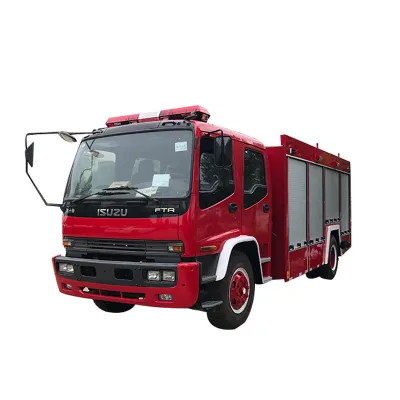


China 8cbm Fire Truck 8tons City Fire Engine 10tons Fire Fighting Truck
$45700.00 - $47950.00
MOQ: 1 Pieces


Sinotruk 5cbm Fire Rescue Truck 6cbm Water Foam Fire Fighting Truck
$43500.00 - $47800.00
MOQ: 1 Pieces


Dongfeng Fire Truck Diesel Emergency Rescue Fire Truck China Fire Fighting Truck
$20000.00 - $30000.00
MOQ: 1 Pieces

China Fire Fighting Truck High Performance HOWO Sinotruk Fire Truck
$50000.00 - $70000.00
MOQ: 1 Pieces

Comprehensive Sourcing Guide
Fire Fighting Truck Sourcing Guide
The global market for fire fighting trucks presents a diverse array of specialized vehicles designed for emergency response, ranging from compact tankers to high-capacity aerial platforms. Based on current market observations, these units are predominantly manufactured in China and are available in configurations that include pumper, tanker, and aerial types. Buyers must navigate a landscape where vehicle volume capacities vary significantly, with observed listings covering ranges from under 3,000 liters up to over 7,000 liters, alongside larger chassis options capable of handling capacities between 3,001 and 5,000 liters.
Procurement decisions for these heavy-duty assets require a clear understanding of the specific operational environment, as the driving types and chassis configurations are highly customizable to meet local road and terrain requirements. The observed product data indicates a wide selection of drive wheel configurations, including 4×2, 6×2, 6×4, 8×4, 8×6, 4×4, and 6×6 setups, allowing buyers to select a vehicle that matches their specific gross weight and load capacity needs. Whether the requirement is a 2.5 cubic meter water tank unit or a massive 9 cubic meter capacity vehicle, the core keyword of Fire Fighting Truck encompasses a spectrum of engineering solutions tailored for municipal, industrial, and forest fire suppression scenarios.
Product Scope and Observed Listing Signals
When evaluating product listings, buyers should first distinguish between the primary functional categories of the vehicles, as the market offers distinct models such as pumper trucks, tankers, and aerial platforms. The observed data highlights specific model identifiers like CLW and CLH5190GXFSG80HW, which often correlate with specific chassis brands such as Dongfeng, FAW, and HOWO. These identifiers are critical for verifying that the vehicle matches the intended application, as a pumper truck designed for water delivery will have different structural and tank specifications compared to an aerial unit designed for high-reach operations.
The physical dimensions and weight metrics of the vehicles are equally important signals that define their operational limits and transportability. Listings show standard dimensions ranging from approximately 4,990mm in length to over 8,500mm, with widths generally around 2,500mm and heights varying between 2,100mm and 3,655mm. Buyers must cross-reference these dimensions with their local infrastructure constraints, such as bridge weight limits and garage bay sizes, while noting that gross weights can range from roughly 4,495kg for smaller units to 19,200kg for heavy-duty chassis. The presence of a 3+3 cab configuration and specific wheelbase options further dictates the maneuverability and crew capacity of the unit.
Technical Specifications to Verify
Engine performance and transmission systems are the primary technical determinants of a fire truck's reliability during emergency response. The observed market data indicates that these vehicles typically utilize diesel engines with horsepower ratings spanning from under 150hp to over 349hp, with specific high-performance models reaching 257kw. Buyers must verify that the transmission type, which is frequently listed as manual in the current supply pool, aligns with the operational preferences and driver training standards of their local fire departments. The power output must be sufficient to drive the pump systems and auxiliary equipment without compromising the vehicle's ability to accelerate rapidly to emergency scenes.
Tank capacity and fluid management systems require precise verification to ensure the vehicle meets the specific suppression needs of the target area. The supply pool includes units with water tank capacities ranging from 2.5 cubic meters to 9 cubic meters, with some models featuring dual-tank systems for foam and water separation. For instance, specific configurations list a foam tank capacity of 0.75 cubic meters alongside a rear foam water tank of 1.75 cubic meters, while others offer a unified 2.5 cubic meter water tank. It is essential to confirm the exact volume ratings, as the listed capacity directly impacts the duration of the firefighting operation and the frequency of refilling required.
Compliance and Safety Documentation
Certification status is a non-negotiable aspect of sourcing fire fighting trucks, as these vehicles must meet rigorous safety and environmental standards to be legally operational. The observed listings frequently cite a combination of certifications including ISOCCC, TSEPA, EEC, CE, and RoHS, which indicate compliance with international quality management, environmental protection, and electromagnetic compatibility standards. Buyers should request original certification documents for every unit to verify that the specific model has passed the necessary testing for emission standards, which are noted as Euro compliant in the provided data, ensuring the vehicle can operate in regions with strict air quality regulations.
Safety documentation extends beyond certifications to include detailed technical manuals and operational safety protocols provided by the manufacturer. The product data indicates that after-sales services often include video technical support, which is a valuable resource for training local crews on the operation of complex systems like aerial ladders or high-pressure pumps. Buyers must ensure that the supplier provides comprehensive documentation in the local language, covering maintenance schedules, emergency shutdown procedures, and safety warnings related to the vehicle's high-pressure water systems and heavy mechanical components.
Cost Drivers and Commercial Terms
The pricing structure for fire fighting trucks is heavily influenced by the vehicle's volume capacity, engine power, and the complexity of its specialized equipment. The observed price range in the market spans from approximately 7,200 USD to 300,000 USD, reflecting the vast difference between a compact 2.5 cubic meter tanker and a large-scale 9 cubic meter pumper or aerial platform. Buyers should understand that the higher end of this spectrum typically includes advanced features such as larger chassis options, higher horsepower engines, and more sophisticated pump systems, while the lower end may represent basic configurations with standard cab and tank setups.
Commercial terms regarding minimum order quantities and packaging are critical for budgeting and logistics planning. The current market data shows a minimum order quantity of 1 unit, allowing for flexible procurement strategies where agencies can purchase single vehicles to replace aging fleets or expand coverage. Packaging is listed as either "Nude" or "CBU" (Complete Built Unit), which significantly impacts shipping costs and the condition of the vehicle upon arrival. Buyers must clarify whether the vehicle is shipped fully assembled or in a knocked-down state, as this affects the timeline for deployment and the need for local assembly or final inspection services.
Supplier Qualification and Quality Control
Supplier qualification should be assessed based on the availability of customization options and the robustness of their after-sales support infrastructure. The observed data confirms that customization is available for these vehicles, allowing buyers to specify chassis brands like Dongfeng, FAW, or HOWO, and to tailor the vehicle to specific local requirements. This flexibility is a strong indicator of a supplier's capability to adapt to unique procurement needs, but buyers must verify the supplier's track record in delivering customized units that meet the exact technical specifications agreed upon in the contract.
Quality control processes must be verified through the supplier's adherence to production standards and their ability to provide detailed product condition reports. The listings consistently indicate that the vehicles are in "New" condition, but buyers should request third-party inspection reports or factory audit results to confirm the quality of the welding, tank integrity, and engine assembly. The presence of specific model numbers and standard dimensions in the product data suggests a level of standardization, yet the buyer must ensure that the specific unit being purchased has undergone rigorous testing to meet the claimed emission standards and performance metrics before final acceptance.
Long-Term Procurement Checks
Sourcing a Fire Fighting Truck is not a one-time transaction but the beginning of a long-term partnership that requires ongoing maintenance and support. Buyers should prioritize suppliers who offer comprehensive after-sales services, such as the video technical support noted in the data, to assist with troubleshooting and repairs over the vehicle's lifespan. Establishing a clear service level agreement that defines response times for technical issues and the availability of spare parts is essential to minimize downtime during critical emergency operations.
Future-proofing the procurement involves checking the supplier's ability to support the vehicle through its entire lifecycle, including potential upgrades or modifications. As technology evolves, the ability to retrofit older models with new pump systems or communication equipment can extend the useful life of the asset. Buyers should verify the supplier's inventory of spare parts and their commitment to providing technical updates, ensuring that the Fire Fighting Truck remains a reliable asset for decades rather than becoming obsolete shortly after purchase.
FAQs
What certifications do these fire fighting trucks have?
These fire fighting trucks typically hold ISOCCC, TSEPA, EEC, CE, and RoHS certifications. This ensures compliance with international safety and environmental standards. Buyers can verify specific documentation during the sourcing process to meet local regulatory requirements for emergency vehicles.
What is the typical volume capacity for these trucks?
The water tank capacity varies by model, ranging from under 3000 liters to over 7000 liters. Specific models offer capacities like 2.5 cubic meters or 9 cubic meters. This allows buyers to select vehicles tailored to specific firefighting operational needs and water supply constraints.
Can these trucks be customized for specific needs?
Yes, customization is available for these fire fighting trucks. Buyers can often choose chassis brands like Dongfeng, FAW, or HOWO. Additional options include driving types, emission standards, and specific equipment configurations to match unique operational requirements and local infrastructure conditions.
What is the minimum order quantity for these trucks?
The minimum order quantity is typically one unit. This allows buyers to purchase single vehicles for immediate deployment or testing. It supports flexible procurement strategies for municipal departments or private emergency service providers without requiring bulk commitments.
What after-sales support is provided for these trucks?
Video technical support is provided as a standard after-sales service. This allows buyers to receive remote assistance for maintenance, troubleshooting, and operational guidance. It ensures continuous support for fleet management without requiring immediate on-site technician visits for initial inquiries.
What are the common driving types for these trucks?
Common driving types include 4x2, 6x2, 6x4, 8x4, 8x6, 4x4, and 6x6 configurations. These options allow selection based on terrain and payload requirements. Buyers can choose the appropriate drivetrain to ensure optimal performance and stability during emergency response operations.