Source Fireproof Waterproof Fiber Cement Board for Walls Floors Cladding
Find 30 listings of Fireproof Waterproof Fiber Cement Board suitable for wall partitions, exterior wall cladding, and flooring. Compare specifications including thickness, density, and fire ratings from multiple suppliers to select the right material for your project.
Key considerations
Products List

High Quality Waterproof Fireproof Cement Fiber Board for Wall Panel
$0.80 - $1.58
MOQ: 100 Square Meters


Fiber Cladding Boards Wall Panel China Fireproof Cement Fiber Board
$1.65 - $1.86
MOQ: 1500 Square Meters


Waterproof Non-Asbestos Fiber Cement Fireproof Durable Decorative Cement Board
$0.80 - $1.20
MOQ: 1 Square Meters

Waterproof Non-Asbestos Fiber Cement Fireproof High-Quality Decorative Cement Board
$0.80 - $1.20
MOQ: 1 Square Meters

Waterproof Non-Asbestos Fiber Cement Fireproof High-Quality Decorative Cement Panel
$0.84 - $1.00
MOQ: 1 Square Meters


Waterproof Non-Asbestos Fiber Cement Fireproof Sleek and Durable Wall Cladding
$0.84 - $0.88
MOQ: 1 Square Meters

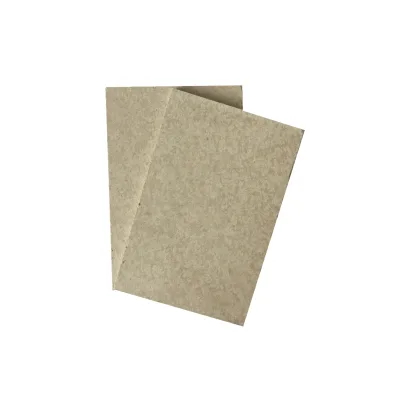


Building Material High Density Thermal Insulation Fiber Cement Board Fireproof Panel Fireproof Board
$30.00 - $50.00
MOQ: 100 Square Meters


High Strength Fireproofing Waterproof Materials Reinforced Fiber Cement Board
$4.60 - $5.80
MOQ: 50 Piece/Pieces


Comprehensive Sourcing Guide
Strategic Sourcing Guide for Fireproof Waterproof Fiber Cement Board
Understanding the Material Composition and Core Attributes
When sourcing fireproof and waterproof fiber cement board, the first step is to distinguish the specific material composition that defines performance. The product is fundamentally a Calcium Silicate board, manufactured using a blend of raw materials including cellulose fiber, cement, quartz powder, and wood pulp. This specific formulation ensures the board is 100% non-asbestos, addressing critical health and safety concerns that often plague older construction materials. The absence of asbestos is a non-negotiable baseline for modern procurement in most regulated markets.
The physical properties of these boards are defined by their density and dimensional stability. Buyers should expect a density range typically falling between 1.2 and 1.6 g/cm³, with some specific product lines reporting a tighter range of 1.2 to 1.3 g/cm³. This density directly correlates with the board's structural integrity and its ability to resist impact. Furthermore, the material exhibits excellent dimensional stability, with swelling ratios generally observed below 0.25% and shrinking ratios under 0.50%. These low ratios indicate that the board will maintain its shape and fit even when subjected to fluctuating humidity levels, a crucial factor for exterior applications.
Color options for these boards are diverse, ranging from standard White and Gray to more specialized finishes like Green, Black, and Red. This variety allows for aesthetic flexibility without compromising the underlying functional properties. The boards are designed to be moisture-proof, with water content ratios often cited as less than 10% or 12% in high-quality batches, though some broader specifications may list a threshold of up to 30% depending on the specific manufacturing batch or testing method. Buyers must verify the specific water content ratio for the lot they intend to purchase, as this directly impacts the board's long-term resistance to mold and rot.
Technical Specifications and Dimensional Standards
The technical specifications of fiber cement boards are critical for ensuring compatibility with architectural designs and structural requirements. The most common standard sizes observed in the market include 1220mm x 2440mm and 1200mm x 2400mm. However, the market also supports custom dimensions, with lengths extending up to 3000mm and widths varying between 1200mm and 1220mm. Thickness is a primary variable, with a broad range available from 4.5mm up to 30mm. Specific product models often highlight thicknesses between 4.5mm and 20mm, while other specifications may extend the upper limit to 25mm.
The mechanical strength of the board is another vital specification. Bending strength is a key indicator of the board's ability to span distances without sagging or breaking. Data indicates that the bending strength typically exceeds 10 MPa, with higher-grade products demonstrating anti-bending strengths of 12 MPa or even 16 MPa. These figures are essential for engineers and architects when calculating load-bearing capacities for wall partitions or flooring applications. Additionally, the surface finish is often described as "free of sanding," suggesting a smooth, ready-to-finish surface that reduces labor costs during installation.
Temperature resistance is a defining feature of this material class. The boards are engineered to withstand extreme heat, with performance ratings indicating stability up to 650°C and in some cases up to 1100°C. This thermal resilience is directly linked to the incombustibility of the material. The boards are rated as A1 Class fireproof, meaning they are non-combustible and will not contribute to the spread of fire. In specific testing protocols, such as GB8624-1997, the fire-proof rate is confirmed as A-Class Incombustible, with a minimum incombustibility duration of 240 minutes. This makes the material suitable for high-risk fire zones and exterior cladding in fire-prone regions.
Compliance, Certification, and Regulatory Verification
Navigating the compliance landscape for fiber cement boards requires careful verification of certifications and adherence to international standards. The product is often associated with ASTM and CE certifications, which serve as indicators of quality and safety compliance for export markets. However, buyers must not assume that every listed product automatically holds these certifications without verification. The presence of a certification mark on a product page is an observation, but the actual validity must be confirmed through official documentation from the manufacturer.
In addition to ASTM and CE, buyers should be aware of regional standards. For instance, fire rating classifications often reference GB8624-1997, a Chinese national standard for the classification of fire performance of building materials. While this standard is widely recognized, it is crucial to understand that different markets may require different testing protocols. The European standard EN 13501-1 is often cited in the industry background, but its specific application to a given product lot should be verified rather than assumed.
The "Custom" standard noted in product specifications suggests that manufacturers may tailor their products to meet specific project requirements or local regulations. This flexibility is advantageous but introduces a layer of complexity for the buyer. When a product lists its standard as "Custom," the procurement team must explicitly request the test reports and compliance certificates that correspond to the specific project's location. Relying on generic standard claims without specific documentation can lead to regulatory hurdles during the inspection phase of a construction project.
Cost Drivers and Procurement Economics
The cost of fiber cement boards is influenced by several dynamic factors, including raw material prices, thickness, and customization requirements. The observed price range in the market is substantial, spanning from $0.50 to $279.72 per unit. This wide variance is not indicative of quality differences alone but reflects the diversity in thickness, size, and packaging. Thicker boards, such as those at 30mm, naturally command higher prices than thinner 4.5mm sheets. Similarly, custom sizes or specialized colors like Green or Black may incur additional manufacturing costs compared to standard White or Gray options.
Minimum Order Quantity (MOQ) is another significant economic factor. The market shows an MOQ range from 1 unit to 2700 units. For small-scale projects or sample testing, buyers can source single units, but this often comes with a higher per-unit cost. Conversely, large-scale construction projects benefit from bulk purchasing, where the MOQ can be as high as 2700 units, significantly reducing the average cost per square meter. Buyers must balance their inventory needs with their budget constraints, considering that ordering below the optimal MOQ can inflate the total project cost.
Packaging and logistics also play a role in the final cost. The standard transport package involves fumigation wood pallets, PE covers, and corner protectors to ensure seaworthy conditions. This robust packaging is essential for international shipping but adds to the overall weight and volume of the shipment. Buyers should factor in these packaging requirements when calculating freight costs, as the "seaworthy" designation implies specific handling protocols that may affect shipping rates.
Typical Applications and Design Flexibility
Fiber cement boards are versatile materials suitable for a wide array of construction applications. The primary use cases include wall partitions, exterior wall cladding, and flooring. Their fireproof and waterproof nature makes them ideal for high-moisture areas such as bathrooms, kitchens, and exterior facades in coastal regions. The boards' resistance to moisture and fire ensures durability in environments where other materials might degrade or pose safety risks.
The design style of these boards is flexible, catering to both traditional and modern architectural aesthetics. The availability of various colors allows designers to integrate the boards seamlessly into different design schemes. Whether a project requires a sleek, modern look with a gray finish or a more traditional appearance with white or red accents, the material can be adapted to meet these needs. The boards are also suitable for flooring applications due to their high bending strength and density, providing a stable and durable surface.
In terms of installation, the boards are designed to be lightweight yet strong, facilitating easier handling compared to traditional masonry. The standard sizes of 1220mm x 2440mm cover large areas efficiently, reducing the number of joints and potential points of failure. The customizability of the product allows for tailored solutions in complex architectural designs, ensuring that the material can be used in innovative ways beyond standard rectangular applications.
Supplier Evaluation and Quality Control Protocols
Evaluating suppliers for fiber cement boards requires a rigorous approach to ensure product consistency and reliability. Buyers should prioritize suppliers who provide transparent information about their manufacturing processes and raw material sources. The fact that the product is 100% non-asbestos and made from calcium silicate, cellulose fiber, and cement should be verified through third-party testing reports. Suppliers who are willing to share detailed material safety data sheets (MSDS) and fire test reports demonstrate a commitment to quality and safety.
Quality control should extend to the packaging and shipping process. The use of fumigation wood pallets and PE covers is a standard requirement for seaworthy transport, but buyers must ensure that these measures are consistently applied. Inconsistent packaging can lead to damage during transit, resulting in financial losses and project delays. Additionally, buyers should verify the supplier's ability to meet the specific thickness and size requirements of their project. The variability in thickness ranges (4.5mm to 30mm) means that not all suppliers may offer the full spectrum of options.
When evaluating suppliers, it is also important to consider their lead times and production capacity. While specific lead times are not provided in the general data, the high MOQs suggest that large-scale production is a key capability. Buyers should inquire about the supplier's ability to handle rush orders and their track record for on-time delivery. A supplier with a proven history of meeting deadlines and maintaining quality standards is essential for the success of any construction project.
Long-Term Procurement and Maintenance Considerations
Long-term procurement strategies for fiber cement boards should focus on sustainability and lifecycle management. The material's incombustibility and resistance to moisture contribute to a long service life, reducing the need for frequent replacements. The low swelling and shrinking ratios ensure that the boards remain stable over time, minimizing maintenance costs associated with warping or cracking. This durability makes fiber cement board a cost-effective choice for both initial construction and long-term building maintenance.
Buyers should also consider the environmental impact of the product. The use of non-asbestos materials and the potential for recycling or safe disposal at the end of the product's life are important factors. While specific recycling protocols are not detailed in the general data, the non-toxic nature of the materials suggests a lower environmental burden compared to traditional asbestos-containing boards.
Finally, buyers should establish a relationship with suppliers that offers ongoing support and technical assistance. This includes access to installation guides, troubleshooting resources, and warranty information. A strong supplier relationship can help mitigate risks and ensure that the project proceeds smoothly from procurement to completion. By focusing on these long-term considerations, buyers can secure a reliable supply of high-quality fiber cement boards that meet their project needs for years to come.
Comparative Analysis of Product Specifications
To aid in decision-making, the following table summarizes key specifications observed in the market for fireproof waterproof fiber cement boards. This comparison highlights the variability in attributes that buyers must consider when selecting a product.
| Attribute | Common Range/Observation | High-Performance Observation |
|---|---|---|
| Material | Calcium Silicate | Calcium Silicate with Cellulose Fiber |
| Asbestos Content | 100% Non-Asbestos | 100% Non-Asbestos |
| Fire Rating | Class A / A1 | A-Class Incombustible (GB8624-1997) |
| Incombustibility | 240 minutes min | Up to 1100°C |
| Thickness | 4.5mm - 20mm | 4.5mm - 30mm |
| Standard Size | 1220x2440mm / 1200x2400mm | Custom Sizes Available |
| Density | 1.2 - 1.5 g/cm³ | 1.2 - 1.6 g/cm³ |
| Bending Strength | >10 MPa | >16 MPa |
| Water Content | <10% - 12% | <30% (varies by spec) |
| Swelling Ratio | <0.25% | <40% (varies by spec) |
| Certifications | ASTM / CE | Custom / Regional Standards |
This table serves as a reference point for buyers to compare different product offerings. It is important to note that specific values may vary between suppliers and product lines. Buyers should always request the specific data sheet for the product they intend to purchase to ensure it meets their project's exact requirements.
FAQs
What is the fire rating of this fiber cement board?
The board achieves an A1 Class fire rating, confirming it is incombustible. It meets GB8624-1997 standards with a minimum incombustibility duration of 240 minutes. This makes it suitable for high-risk fire zones and exterior cladding applications where safety is critical.
Can the board be customized for specific project sizes?
Yes, customization is available for dimensions and thickness. Standard sizes include 1220x2440mm and 1200x2400mm, but lengths can extend up to 3000mm. Thickness ranges from 4.5mm to 30mm, allowing tailored solutions for various architectural designs.
Which certifications does the product typically hold?
The product is associated with ASTM and CE certifications for quality and safety. Buyers should verify specific test reports as standards may be custom. These certifications indicate compliance with international requirements for export markets and construction safety.
How does the board perform in wet environments?
The board is waterproof, moisture-proof, and contains less than 10% water content. It features a swelling ratio under 0.25% and shrinking ratio under 0.50%. These properties ensure dimensional stability and resistance to mold in high-humidity areas like bathrooms.
What is the minimum order quantity for this board?
The minimum order quantity ranges from 1 unit to 2700 units depending on the supplier. Small projects can source single units, while bulk construction needs may require higher quantities. Pricing varies significantly based on the order volume and thickness selected.
How thick can the Fireproof Waterproof Fiber Cement Board be?
Thickness options range from 4.5mm up to 30mm. Specific models often highlight ranges between 4.5mm and 20mm, while others extend to 25mm. Thicker boards generally offer higher structural integrity and bending strength for flooring or heavy-duty applications.