Source Exterior Wall Panel for Commercial, Industrial, and Residential Use
Compare 30 verified Exterior Wall Panel options featuring customizable dimensions, fire ratings, and environmental certifications. Buyers can evaluate materials like FRP composite and polyurethane foam for applications including commercial complexes, industrial warehouses, and residential villas; compare the available evidence and request quotations based on your requirements.
Key considerations
Products List


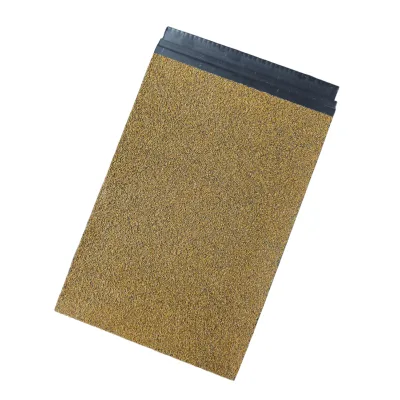


Interior Exterior Decoration New Material Decorative Wall Panel for Wall Building Material
$9.99 - $12.99
MOQ: 200 Square Meters


Premium Composite Exterior Wall Panel for All Weather Conditions
$14.95 - $15.81
MOQ: 200 Square Meters


$1.30 - $2.50
MOQ: 100 Meters


$2600.00 - $3000.00
MOQ: 5


$2.60 - $3.60
MOQ: 500 Pieces


Comprehensive Sourcing Guide
Exterior Wall Panel Sourcing Guide
Sourcing exterior wall panels requires a disciplined approach to balancing aesthetic flexibility with structural integrity. Buyers must navigate a market where materials range from FRP composites to steel-faced insulated boards, each offering distinct performance profiles. The observed product landscape indicates a strong emphasis on customization, with suppliers offering tailored widths, lengths, and surface textures to meet specific architectural visions. This variability demands careful specification management to ensure that the final installed system meets both design intent and functional requirements.
Procurement decisions should be grounded in verified technical data rather than marketing claims. The available listings highlight features such as environmental friendliness, lightweight construction, and anti-corrosion properties, which are critical for long-term durability in diverse climates. However, these attributes must be cross-referenced with concrete specifications like core material composition and surface treatment technologies. Understanding the interplay between the outer skin, such as color steel sheets, and the inner core, like polyurethane foam or rock wool, is essential for making informed purchasing decisions that align with project budgets and timelines.
Product Scope and Observed Listing Signals
The current market for exterior wall panels exhibits a wide range of material compositions and design options. Listings frequently mention FRP composite boards, color steel sheets, and insulated cores such as polyurethane foam or galvalume steel plate. These materials are often combined to create sandwich panels that offer both structural strength and thermal insulation. The observed product scope includes options with wood grain patterns, 3D embossed surfaces, and fluorocarbon coatings, catering to modern architectural styles that prioritize visual appeal alongside functional performance.
Buyers should note the prevalence of customization services in the supplier base. Many manufacturers offer custom widths, lengths, and pattern designs, allowing for precise fitting in complex building geometries. The presence of features like hidden clip compatibility and exposed nail fixing options indicates a focus on installation efficiency. Additionally, the mention of specific applications, such as commercial complexes, industrial warehouses, and residential villas, suggests that these panels are versatile enough for various building types, though buyers must verify suitability for their specific structural and environmental conditions.
Technical Specifications to Verify
Technical verification begins with the core material and its thermal properties. Buyers must confirm whether the core is polyurethane foam, rock wool, or PIR, as each offers different fire ratings and insulation values. The observed thickness specifications, such as 2mm + 16mm + 2mm, provide a baseline, but actual R-values and density must be validated through supplier documentation. Additionally, the surface treatment technology, including wood grain transfer or sanding textures, affects both aesthetics and weather resistance, requiring close inspection of sample quality before bulk ordering.
Installation compatibility and dimensional accuracy are equally critical. Specifications like 5900mm or 11900mm lengths indicate standard production runs, but custom cutting services may be necessary for unique project requirements. Buyers should verify the panel’s working environment tolerance, with some products rated for -45 to 80 degrees Celsius, ensuring suitability for local climate extremes. Furthermore, the sound insulation performance, noted as 28dB reduction in some listings, should be confirmed for projects requiring acoustic privacy, ensuring the selected panel meets the building’s noise control standards.
Compliance and Safety Documentation
Safety compliance is paramount when selecting exterior wall panels, particularly regarding fire resistance. Buyers must request detailed fire rating certificates, as the observed data mentions a fire rating of 1, but specific standards like ISO or local building codes must be confirmed. The presence of certifications such as ISOCCC or ISO suggests a commitment to quality management, but buyers should verify if these apply to the specific product line and material composition. Understanding the fire performance of the core material, especially for insulated panels, is crucial for meeting regulatory requirements in commercial and high-rise residential projects.
Environmental standards and material safety also require careful documentation review. While some listings mention environmental features, buyers should seek explicit confirmation of compliance with standards like E0 or E1 for formaldehyde emissions if applicable. Certifications such as REACH or RoHS, though listed as low-confidence background, may be relevant for projects with strict chemical restrictions. Procurement teams should ensure that all safety data sheets and compliance certificates are up-to-date and issued by recognized testing bodies to mitigate liability and ensure regulatory adherence.
Cost Drivers and Commercial Terms
Cost structures for exterior wall panels are influenced by material choices, customization levels, and order volume. The observed price range of 1-3000 USD reflects significant variation based on panel thickness, core material, and surface finish. Buyers should anticipate higher costs for custom lengths, specialized patterns, or premium coatings like fluorocarbon. Additionally, the minimum order quantity (MOQ) ranges from 1 to 6000 units, impacting unit pricing and logistics planning. Understanding these variables helps in budgeting accurately and negotiating favorable terms with suppliers.
Commercial terms also include lead times and packaging requirements. Typical lead times, such as 15 days for a 20-foot container, should be factored into project schedules, especially for time-sensitive installations. Packaging methods, including carton boxes, woven bags, and pallets, affect handling and potential damage during transit. Buyers should clarify warranty periods, with some suppliers offering 25-year warranties, and after-sale services like online technical support or onsite installation. These terms can significantly reduce long-term maintenance costs and operational risks.
Supplier Qualification and Quality Control
Supplier qualification involves assessing manufacturing capabilities and quality assurance processes. Buyers should verify the supplier’s origin, with many products originating from regions like Shandong or Hefei in China, known for industrial manufacturing hubs. It is essential to confirm the supplier’s ability to provide consistent quality across large orders, especially when customization is involved. Requesting factory audits or third-party inspections can provide insights into production standards, material sourcing, and quality control measures, ensuring that the delivered panels meet specified technical requirements.
Quality control should extend to post-production checks and documentation. Buyers must ensure that suppliers provide detailed inspection reports, including dimensional accuracy, surface defect checks, and core density verification. The availability of free spare parts and return and replacement policies indicates a supplier’s confidence in their product quality. Additionally, verifying the supplier’s after-sale service capabilities, such as onsite training or inspection, can enhance installation quality and reduce the risk of future failures. Establishing a clear communication channel for technical support is also crucial for resolving any issues that arise during or after installation.
Long-Term Procurement Checks
Long-term procurement success depends on monitoring supplier performance and product durability. Buyers should establish a system for tracking warranty claims, maintenance requirements, and customer feedback to assess the real-world performance of the panels. The observed features, such as low maintenance needs and no-painting requirements, should be validated over time to ensure they hold up under actual weathering conditions. Regular reviews of supplier reliability, including on-time delivery and responsiveness to technical queries, help maintain a stable supply chain and mitigate risks associated with single-source dependencies.
Continuous improvement in procurement strategies involves staying updated on industry trends and technological advancements. As Exterior Wall Panel technology evolves, buyers should periodically reassess their specifications to incorporate new materials or finishes that offer better performance or cost efficiency. Engaging with suppliers for feedback on installation experiences can also drive product improvements. By maintaining a proactive approach to supplier management and product evaluation, buyers can ensure that their Exterior Wall Panel installations remain durable, aesthetically pleasing, and compliant with evolving building standards.
FAQs
What materials are used for exterior wall panels?
Exterior wall panels are constructed using FRP composite boards, color steel sheets, and polyurethane foam cores. Some options also include galvalume steel plates combined with PIR insulation. These materials ensure durability and lightweight properties for various building applications.
Can I customize the dimensions of these panels?
Yes, customization is available for width, length, and model specifications. Buyers can request specific sizes like 5900mm or 11900mm, or other requirements. The production process supports custom width and length adjustments to fit unique project needs effectively.
What is the lead time for ordering exterior wall panels?
The standard lead time is 15 days for a 1x20 GP container. This duration applies to standard orders and may vary based on specific customization requests. Buyers should plan their procurement schedule accordingly to ensure timely delivery for their construction projects.
Which certifications do these panels hold?
These panels hold ISO certifications and meet specific environmental standards. Some products also feature ISOCCC certification. Buyers should verify specific certification documents for each product batch to ensure compliance with local building codes and safety regulations.
How do these panels perform in extreme temperatures?
The panels are designed to function in environments ranging from -45 to 80 degrees Celsius. This wide operating range ensures stability in both cold and hot climates. The materials used provide excellent thermal resistance and structural integrity under varying weather conditions.
What is the warranty period for these wall panels?
The warranty period for these exterior wall panels is 25 years. This long-term coverage reflects the durability of the materials and construction quality. Buyers receive assurance of performance and reliability for their investment in building exterior finishes.
Can these panels be installed with hidden clips?
Yes, the panels are compatible with both hidden clips and exposed nail fixing methods. This flexibility allows for various installation techniques depending on the project requirements. The design supports secure attachment while maintaining a clean aesthetic finish for the building exterior.