Source FIV FELV Single and Combo Rapid Test Kit for clinics, labs, and pharmacies
Explore 30 listings for FIV FELV Single and Combo Rapid Test Kit suitable for clinics, laboratories, and pharmacies. Buyers can compare specifications like reading time, specimen type, and accuracy across multiple suppliers offering CE-certified options.
Key considerations
Products List
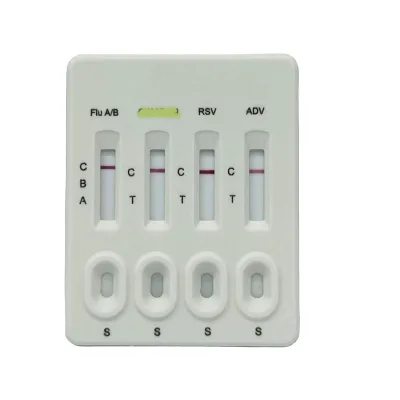


Factory Direct Price 5 in 1 HBV Hepatitis B Virus Rapid Test Combo Test Kit
$0.36 - $0.38
MOQ: 5000 Pieces


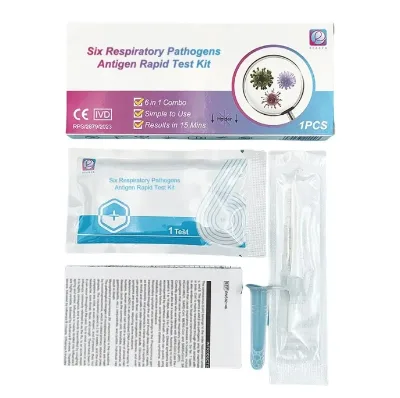
Medical Equipment One Step Human HBV 5 in 1 combo Rapid Test Kit With CE&ISO
$0.70 - $0.90
MOQ: 1000 Pieces



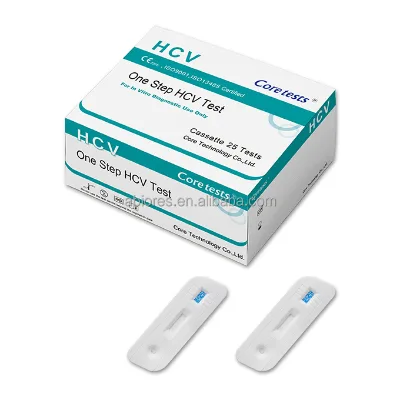
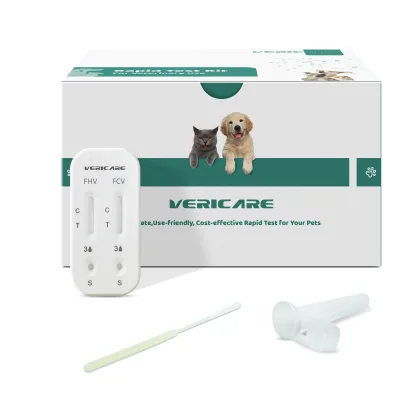
Cat Fiv/Felv Rapid Test Kit for Felv AG and Feline Fiv Antibody Detection
$0.10 - $1.95
MOQ: 100 Pieces



Comprehensive Sourcing Guide
Strategic Sourcing Guide for Feline and Feline Leukemia Rapid Test Kits
Procuring diagnostic tools for veterinary medicine requires a rigorous approach to ensure the reliability of test results, particularly when dealing with complex conditions like Feline Leukemia Virus (FeLV) and Feline Immunodeficiency Virus (FIV). The market for single and combo rapid test kits offers a range of options, but buyers must navigate a landscape defined by specific technical constraints, regulatory requirements, and supply chain variables. This guide provides a structured framework for evaluating suppliers and products, focusing on the critical attributes observed in the current market, such as the Vivatest brand offerings and similar Class II medical devices.
Technical Specifications and Format Variations
The fundamental distinction in sourcing these kits lies in the format and the specific antigen or antibody targets they detect. The observed product data indicates a prevalence of cassette and strip formats, which are standard for point-of-care veterinary diagnostics. Buyers should verify whether the product is a single test or a combo unit. For instance, specific models in the current inventory are designated as "5-1 Combo" or "HBV 5 in 1 Combo," suggesting that multi-analyte capabilities are a key feature to evaluate. While the provided data highlights specific models like DNSHBV06 and DNSFLU48, which are labeled for Hepatitis B and Flu respectively, the structural design of these kits—often utilizing plastic and paper materials—serves as a template for what to expect in FIV/FeLV kits.
The specimen type is a critical technical parameter. The market data shows a divergence in sample requirements, with some products accepting swabs, while others specify serum, plasma, or whole blood. For FIV and FeLV testing, the ability to process whole blood, serum, or plasma is often preferred for flexibility in clinical settings. Buyers must confirm that the specific kit they are sourcing supports the sample type available in their veterinary practice. Furthermore, the reading time is a significant operational factor. Observed reading times range from 10 to 15 minutes, with some models specifying a 15-minute window. This consistency allows for efficient workflow integration, but the exact duration must be verified for the specific FIV/FeLV model to ensure it aligns with clinic throughput requirements.
Compliance and Certification Verification
In the medical device sector, particularly for Class II instruments, regulatory compliance is non-negotiable. The observed product listings consistently reference CE certification, indicating conformity with European health, safety, and environmental protection standards. When sourcing FIV and FeLV kits, buyers must demand proof of this certification or equivalent regulatory approval for their target market. The classification of these devices as Class II implies a moderate to high risk, necessitating strict quality control measures by the manufacturer.
Beyond the CE mark, buyers should investigate the quality certification framework of the supplier. The data indicates a "Quality Guarantee Period" of two to three years for certain kits, which serves as a proxy for the manufacturer's confidence in their product stability. However, this warranty period does not replace the need for valid regulatory certificates. Buyers must also verify the sterilization status. The provided facts note that some products are "Without Ethylene Oxide Sterilization," while others may have different sterilization protocols. For veterinary diagnostics, understanding the sterilization method is essential to ensure the safety of the reagents and the integrity of the test environment.
Cost Drivers and Pricing Dynamics
The pricing structure for rapid test kits is influenced by several variables, including the complexity of the test (single vs. combo), the volume of the order, and the packaging configuration. The observed price range in the market spans from 0 to 20 USD, though this likely reflects a wide variance based on unit count and specific product tiers. The Minimum Order Quantity (MOQ) is a significant cost driver, with observed ranges spanning from 1 to 10,000 pieces. A specific data point highlights an MOQ of 500 pieces for certain kits, suggesting that smaller orders may incur higher per-unit costs or may not be feasible depending on the supplier's production capacity.
Packaging also impacts the final cost. The market data shows variations such as "Individual Foil Pouch" packaging versus bulk cartons containing 1000 pieces. Bulk purchasing in cartons typically reduces the per-unit cost but requires adequate storage space and inventory management. Additionally, customization options, such as OEM logo printing, are available but may introduce additional costs or extend the lead time. Buyers should balance the need for branding with the budget constraints, ensuring that the total cost of ownership, including shipping and potential customs duties, remains within the procurement budget.
Typical Applications and Clinical Utility
The primary application for FIV and FeLV rapid test kits is in veterinary clinics, animal shelters, and breeding facilities where quick diagnostic decisions are necessary. The "Group: Adult" designation in the product data suggests that these kits are optimized for adult felines, which is a crucial consideration for buyers targeting specific demographics. The accuracy of these tests is a paramount concern, with observed claims of accuracy exceeding 99%. While this figure is promising, buyers should understand that accuracy can vary based on the stage of infection and the specific viral load in the patient.
Combo kits, which test for multiple conditions simultaneously, offer significant clinical utility by reducing the number of samples required and the time needed for diagnosis. This is particularly valuable in shelters where high-throughput screening is essential. The format of the test, whether a cassette or a strip, also influences its application. Cassettes are often preferred for their ease of use and reduced risk of contamination, while strips may offer a lower cost per test. Buyers should align the product format with the skill level of their veterinary staff and the specific workflow of their facility.
Supplier Evaluation and Quality Control
Evaluating a supplier for veterinary diagnostic kits requires a deep dive into their manufacturing capabilities and quality assurance processes. The observed "Place of Origin: Jiangsu, China" indicates a concentration of manufacturing in this region, which is a major hub for medical device production. Buyers should verify the supplier's track record in producing Class II instruments and their adherence to international standards. The availability of "Online Technical Support" is a positive indicator of post-sales service, but buyers should also inquire about the depth of this support, including troubleshooting guides and training materials.
Quality control should be a central part of the supplier evaluation. The "Quality Guarantee Period" of two years suggests a commitment to product stability, but buyers must also request batch-specific test results and quality control certificates. The material composition, noted as plastic and paper, should be verified for durability and resistance to environmental factors. Additionally, the "Single gross weight" and "Single package size" are important for logistics planning. For example, a package size of 62x38x42 cm and a weight of 18.000 kg per single item (likely per carton or large unit) require specific shipping arrangements. Buyers should ensure that the supplier can consistently meet these specifications without compromising the integrity of the test kits during transit.
Long-Term Procurement Considerations
Sourcing FIV and FeLV test kits is not a one-time transaction but a long-term partnership that requires careful planning. The "Delivery time" of about 20 days is a standard lead time that buyers must factor into their inventory management. With a "Shelf Life" of two years, buyers have a reasonable window to utilize the stock, but they must avoid over-ordering to prevent expiration. The "Sample" time of 2-3 days for new orders can be a critical factor in emergency situations, and buyers should negotiate this timeline to ensure rapid access to products when needed.
Customization and branding are also long-term considerations. The availability of "OEM" logo printing allows clinics to brand the kits, which can enhance professional presentation. However, this customization process may affect the lead time and requires clear communication with the supplier. Finally, the "Types" of kits available, such as the "5-1 Combo," should be evaluated for future scalability. As veterinary practices expand their diagnostic capabilities, the ability to source a range of compatible kits from a single supplier can streamline operations and reduce administrative overhead.
Comparative Analysis of Product Attributes
To assist in decision-making, the following table summarizes key attributes observed in the market that are relevant to sourcing FIV and FeLV kits. This comparison highlights the variability in specifications that buyers must navigate.
| Attribute | Observation A | Observation B | Observation C |
|---|---|---|---|
| Product Name | Antigen Rapid Test Kit | HBV 5 in 1 Combo Test | Flu Test Kit |
| Format | Cassette/Strip | Cassette | Strip/Cassette |
| Specimen | Swab | Whole Blood/Serum/Plasma | Nasal Swab |
| Reading Time | 15min | 15min | 10-15min |
| Shelf Life | 2 Years | 3 Years | 2 Years |
| Certification | CE | CE | CE |
| MOQ | 500 Pcs | Variable | Variable |
| Material | Plastic | Plastic and Paper | Plastic |
| Accuracy | Over 99% | Not Specified | Not Specified |
| Delivery Time | About 20 Days | About 20 Days | About 20 Days |
This table illustrates that while core attributes like certification and delivery time are relatively consistent, specimen types and reading times vary significantly. Buyers must match these attributes to their specific clinical needs. For instance, a clinic requiring whole blood testing must prioritize kits that explicitly list this specimen type, even if the reading time is slightly longer.
Conclusion
Sourcing FIV and FeLV single and combo rapid test kits demands a meticulous approach that balances technical specifications, regulatory compliance, and logistical feasibility. By focusing on the observed data points—such as the Class II classification, CE certification, and specific specimen requirements—buyers can make informed decisions that ensure the reliability of their diagnostic services. The variability in product attributes, from reading times to packaging sizes, underscores the importance of detailed supplier evaluation and clear communication. Ultimately, a successful procurement strategy relies on selecting a supplier that not only meets the immediate technical needs but also offers the long-term support and quality assurance necessary for a sustainable veterinary practice.
FAQs
What certification do these rapid test kits hold?
These kits hold CE certification, indicating conformity with European health and safety standards. As Class II medical devices, they require strict quality control measures by the manufacturer to ensure reliability for veterinary diagnostics.
How long is the shelf life of the test kits?
The shelf life is typically two years, with some models offering a three-year quality guarantee period. Buyers must manage inventory carefully to avoid expiration while utilizing the reasonable window for stock rotation.
Which specimen types are accepted by these test kits?
Accepted specimens include swabs, whole blood, serum, and plasma depending on the specific model. Flexibility in sample processing is preferred for clinical settings, so buyers must confirm the kit supports their available sample types.
Can buyers customize the packaging with their own logo?
Yes, customization is available including OEM logo printing on the packaging. However, this customization process may introduce additional costs or extend the standard lead time of about 20 days for delivery.
What is the minimum order quantity for these kits?
The minimum order quantity varies, with specific listings showing an MOQ of 500 pieces. Other ranges observed span from 1 to 10,000 pieces, so smaller orders may incur higher per-unit costs or require negotiation.
How accurate are the antigen rapid test results?
The accuracy is claimed to be over 99% for the observed products. While promising, buyers should understand that accuracy can vary based on the stage of infection and the specific viral load in the patient.
Where are these test kits manufactured?
The place of origin is Jiangsu, China, which is a major hub for medical device production. Buyers should verify the supplier's track record in producing Class II instruments and their adherence to international standards.