Source Fixed Air Cooled Diesel Generator for Land Use, Emergency, and Standby
Find and compare 30 Fixed Air Cooled Diesel Generator models suitable for land use, emergency crews, and standby power. Evaluate specifications like 5-15kW output, IP23 protection, and micro-computer control automation to select the right unit for your operational needs.
Key considerations
Products List


Industrial Open Type Diesel Generator for Reliable Air Cooling Solutions
$481.00 - $514.00
MOQ: 1 Pieces


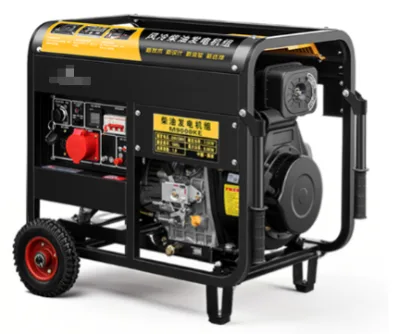

Air-Cooled Diesel Generator Direct Brushless Alternator/Generator with Diesel Engine
$50.00 - $1000.00
MOQ: 10 Pieces


Diesel Engine with Reliable Silent Type Generator
$500.00 - $150000.00
MOQ: 1 Pieces
Chuangyuan Electromechanical Equipment (Guangdong) Co., Ltd.


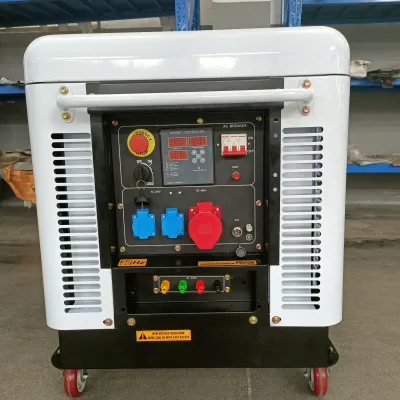

Comprehensive Sourcing Guide
Fixed Air Cooled Diesel Generator Sourcing Guide
Procuring a Fixed Air Cooled Diesel Generator requires a disciplined approach to aligning technical specifications with operational needs. These units are designed for stationary installation, offering a reliable power source for environments where portability is not a priority but consistent energy output is critical. The "fixed" designation implies that the unit is intended to remain in a single location, often bolted to a concrete pad or steel skid, which simplifies logistics but necessitates careful planning for ventilation and noise management during the initial site preparation phase. Buyers must recognize that while the core technology is mature, variations in engine configuration, control systems, and enclosure types can significantly impact performance and total cost of ownership.
The market for these generators is diverse, ranging from basic industrial units to advanced micro-computer controlled systems with automation features. Observations from current listings indicate a wide spectrum of capabilities, including models that support both land use and specific automation types. This diversity means that a buyer cannot assume all fixed air cooled units are identical; some may be basic diesel generators suitable for common units, while others are engineered as standby or emergency crew units with low-noise automation features. Understanding these distinctions is the first step in defining a precise procurement specification that avoids overpaying for unnecessary features or under-specifying for critical load requirements.
Product Scope and Observed Listing Signals
Current market data reveals a broad price range, typically spanning from $50 to $150,000 USD, which reflects the vast difference between small, single-cylinder units and large, multi-engine industrial systems. Minimum Order Quantities (MOQ) generally range from 1 to 50 units, indicating that suppliers are flexible enough to accommodate single-unit purchases for small businesses while also having the capacity for larger commercial contracts. This variability suggests that buyers should negotiate terms based on volume, as even small increases in order quantity can sometimes unlock better pricing tiers or reduced shipping costs per unit.
Listing signals also highlight significant variation in technical attributes, such as stroke type, excitation mode, and cooling methods. While the core keyword specifies "air cooled," some listings may include water-cooled variants, requiring careful filtering to ensure the correct technology is selected. Similarly, output types vary between AC three-phase and DC, and startup modes range from 24V systems to other configurations. Buyers must scrutinize these signals to ensure the generator matches their electrical infrastructure, as mismatching voltage, phase, or startup requirements can lead to costly integration issues and operational delays upon delivery.
Technical Specifications to Verify
Engine configuration is a primary technical consideration, with observed models featuring engines such as the 186f series and varying cylinder counts from single-cylinder (1L) to more complex arrangements. Displacement ranges from 150cc to 400cc, which directly correlates with power output and fuel efficiency. Buyers should verify the rated power, which can range from 2kW to 15kW for smaller units, up to higher capacities for industrial applications. It is crucial to distinguish between standby power and continuous power ratings, as operating a generator beyond its standby limit can lead to premature wear and voided warranties.
Electrical output and control systems are equally critical. Observed specifications include AC three-phase outputs with voltages such as 110V/220V and frequencies of 50/60Hz, alongside DC options for specific applications. The presence of micro-computer control systems offers advantages in monitoring and automation, while basic models may lack these features. Buyers must verify the rated current, which can vary from 9A to 35A depending on the model, to ensure the generator can handle the connected load without overheating. Additionally, protection levels like IP23 should be confirmed to ensure the unit is adequately sealed against dust and water ingress for its intended environment.
Compliance and Safety Documentation
Safety and compliance documentation are non-negotiable for any industrial equipment purchase. Buyers must request certificates of conformity and ensure that the generator meets relevant local and international standards for electrical safety and emissions. While some listings may mention CE certification, buyers should verify the validity and scope of these certifications, as they do not automatically guarantee compliance with all regional regulations. It is essential to obtain detailed documentation on noise levels, especially for units marketed as "low noise automation type," to ensure they meet workplace safety limits and local zoning ordinances.
Ventilation and installation standards are also part of the compliance picture. Fixed air cooled generators require adequate airflow to dissipate heat, and buyers should verify that the supplier provides clear installation guidelines regarding clearance distances and exhaust routing. The standard dimensions observed, such as 1260690790 mm or 720475530 mm, must be cross-referenced with the available space at the installation site. Buyers should also confirm that the unit’s protection level, such as IP23, is sufficient for the environmental conditions, including exposure to rain, dust, or corrosive elements, to prevent premature failure.
Cost Drivers and Commercial Terms
Several factors influence the final cost of a Fixed Air Cooled Diesel Generator, including engine brand, control system sophistication, and enclosure type. Units with micro-computer control and automation features typically command a higher price due to the added complexity and reliability they offer. Similarly, generators designed for emergency or standby use may include additional features like automatic transfer switches, which increase the overall cost but provide critical functionality for uninterrupted power supply. Buyers should evaluate these features against their actual needs to avoid unnecessary expenditure.
Packaging and logistics also play a significant role in the total cost of ownership. Observed packing methods range from reinforced plastic film to wooden crates and carton packing, each offering different levels of protection during transit. Buyers should consider the shipping distance and handling requirements, as improper packaging can lead to damage and additional costs. Negotiating clear commercial terms, including warranty coverage, spare parts availability, and after-sales support, is essential to mitigate long-term risks. Buyers should also clarify who is responsible for installation and commissioning, as these services can add significant value but also increase the initial outlay.
Supplier Qualification and Quality Control
Supplier qualification is a critical step in ensuring the reliability of the purchased generator. Buyers should verify the supplier’s manufacturing capabilities, quality control processes, and track record in the industry. Suppliers based in major manufacturing hubs like Weifang, China, often have established supply chains and expertise in diesel engine production, but buyers should still conduct due diligence to confirm their ability to meet specific quality standards. Requesting references from previous clients and reviewing case studies can provide valuable insights into the supplier’s reliability and customer service quality.
Quality control measures should be clearly defined in the purchase agreement. Buyers should insist on pre-shipment inspections to verify that the generator meets all specified technical parameters, including output voltage, frequency, and current ratings. It is also advisable to request test reports or certificates of performance from independent laboratories, if available. Establishing a clear protocol for handling defects or non-conformities upon delivery is essential to protect the buyer’s interests. Buyers should also verify the supplier’s ability to provide technical support and spare parts throughout the generator’s lifecycle, ensuring long-term operational continuity.
Long-Term Procurement Checks
Long-term procurement success depends on establishing a robust maintenance and support strategy. Buyers should develop a preventive maintenance schedule that includes regular oil changes, filter replacements, and system inspections to extend the generator’s lifespan. Understanding the recommended service intervals and available spare parts is crucial to minimizing downtime in the event of a failure. Buyers should also consider the availability of local service technicians who are trained to work on the specific generator model, as this can significantly reduce repair times and costs.
Continuous monitoring of performance metrics is another key aspect of long-term procurement. Buyers should track fuel consumption, output stability, and maintenance costs to identify any deviations from expected performance. Regular audits of the generator’s condition and performance can help detect potential issues before they lead to catastrophic failures. Additionally, staying informed about advancements in generator technology and industry standards can help buyers make informed decisions about upgrades or replacements, ensuring that their power infrastructure remains efficient, reliable, and compliant with evolving regulatory requirements.
FAQs
What is the cooling method for this generator?
The generator uses an air cooling method for heat dissipation. Some models in the product line also feature water cooling options depending on the specific configuration and power rating selected for the application.
Can the unit be customized for specific needs?
Yes, customization is available for this generator unit. Buyers can request specific modifications to meet unique operational requirements while maintaining the core functionality of the micro-computer control automatic diesel generator system.
What is the rated power output range?
The rated power ranges from 2kW to 15kW depending on the specific model selected. Some configurations offer a rated power of 10kW or 12kVA with a corresponding rated current of 35A for stable operation.
How is the generator installed on site?
The installation method can be either fixed or portable based on the specific unit type. Most standard models are designed for fixed installation, while other variants support portable setups for flexible deployment scenarios.
What is the origin location of the product?
The product originates from Weifang, China. This location is a known manufacturing hub for diesel generators, ensuring consistent production standards and availability for international sourcing requirements.
What is the standard packaging for shipment?
Packaging options include reinforced plastic film, wooden crates, or carton packing depending on the model. These methods ensure the generator is protected during transit while meeting standard shipping requirements for industrial equipment.