Source five-way rocker joystick for gaming, industrial, and automotive use
Compare 30 listings for the five-way rocker joystick featuring various pin counts, voltage ratings, and life cycles. Buyers can evaluate specifications like insulation resistance and operating temperature to find suitable components for their projects.
Key considerations
Products List
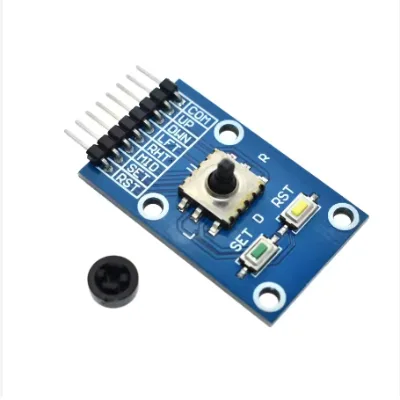
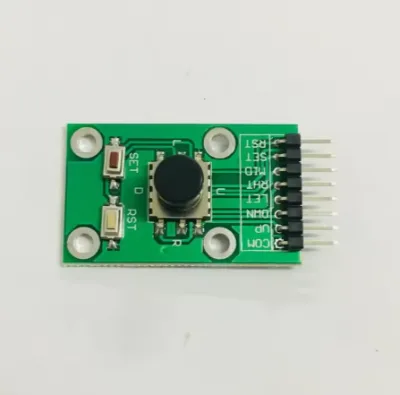
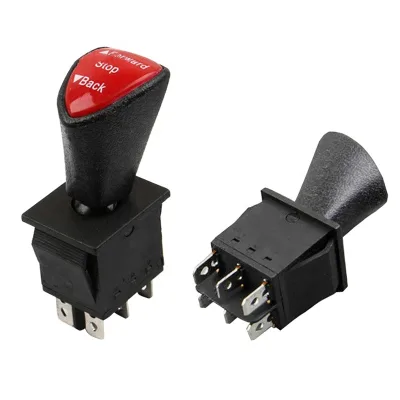
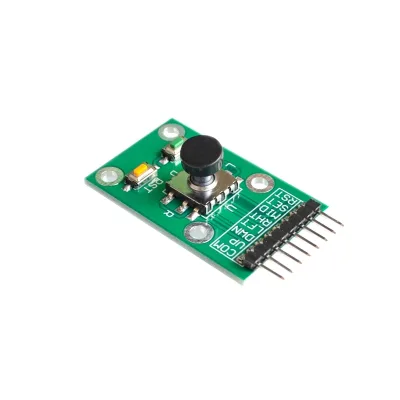
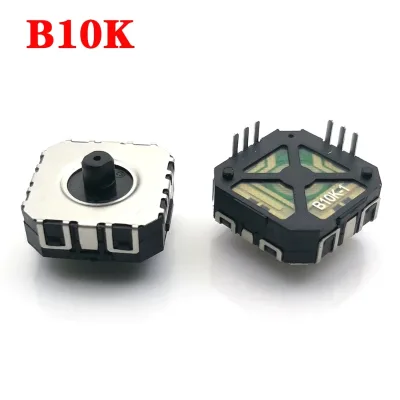
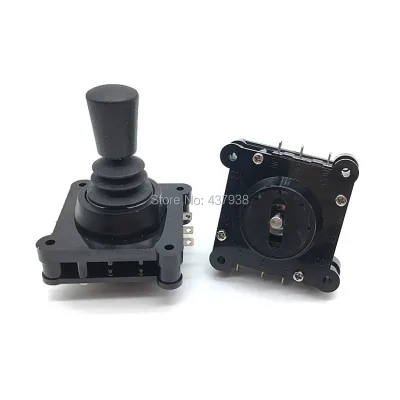
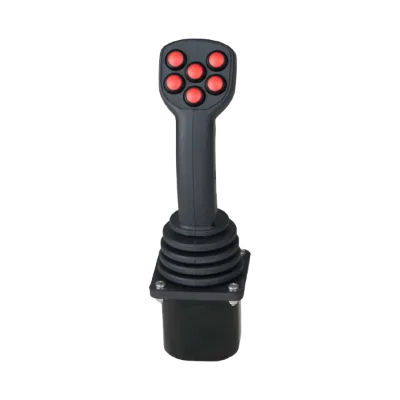
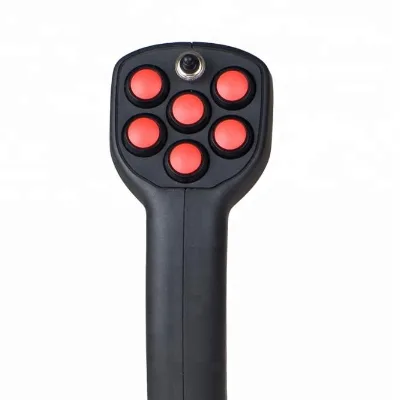
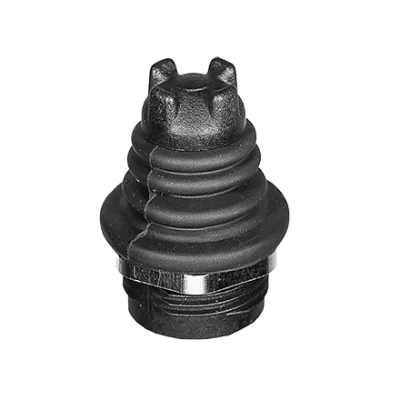
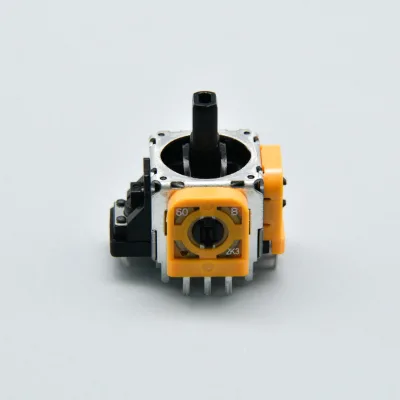
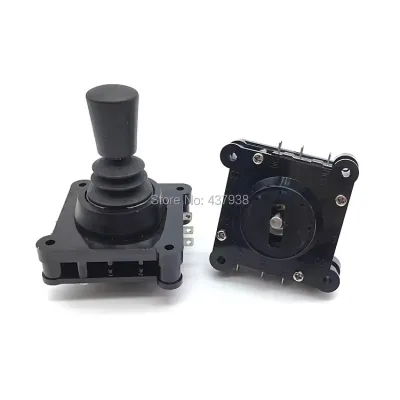
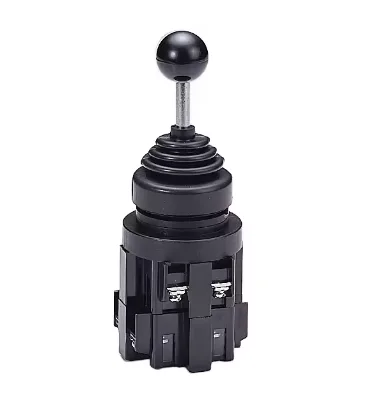
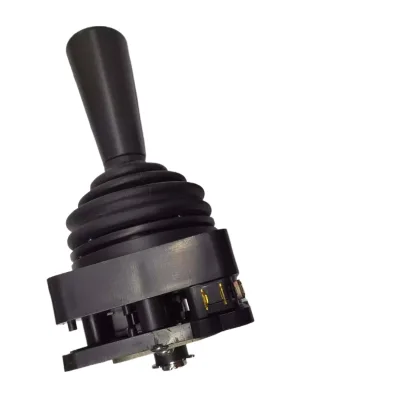
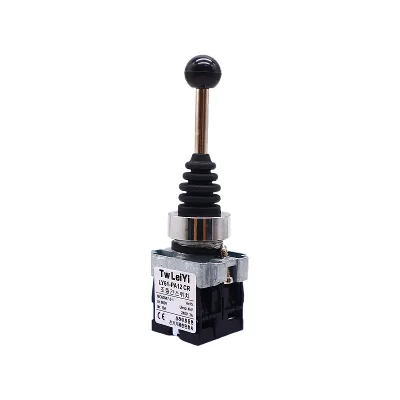
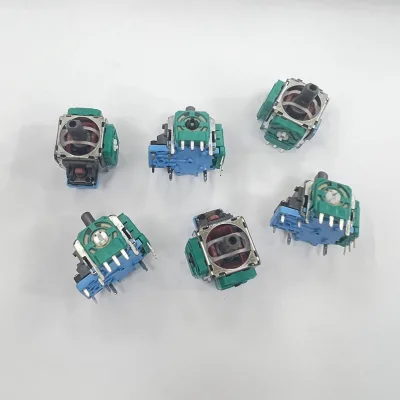


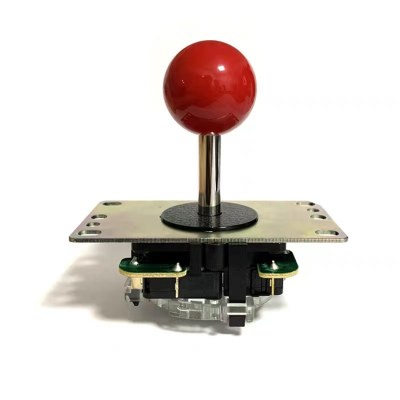


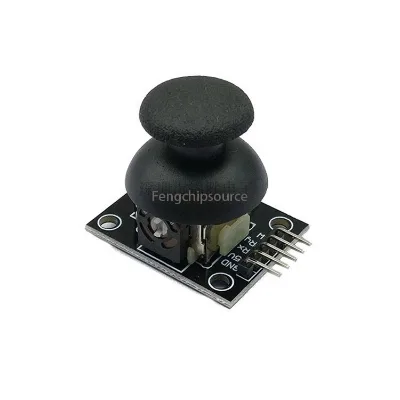


Hot Sale Industrial Joystick Used in Variable Frequency Motor Control
$100.00 - $1000.00
MOQ: 5 Pieces
Comprehensive Sourcing Guide
Strategic Sourcing Guide for Five-Way Rocker Joysticks
The five-way rocker joystick represents a critical component in the realm of industrial automation, gaming peripherals, and consumer electronics. Sourcing these devices requires a disciplined approach that balances technical precision with supply chain reliability. Buyers must navigate a complex landscape where product attributes vary significantly between manufacturers, even when the core function remains identical. This guide provides a structured framework for evaluating potential suppliers and selecting the right five-way rocker joystick module, ensuring that procurement decisions are grounded in verifiable data rather than marketing assertions.
Technical Specifications and Functional Architecture
When evaluating a five-way rocker joystick, the primary focus must be on the mechanical and electrical architecture that defines its operation. The core functionality relies on a specific pin configuration and contact resistance profile. In the observed market data, specific models utilize a 4-pin or 6-pin terminal arrangement, with the "Forward-stop-Back" position being a standard configuration for three-way variants, while five-way units expand this logic to include lateral movement. The electrical life of the component is a decisive factor; observed specifications indicate a mechanical life of 10,000 cycles and an electrical life of 10,000 cycles for certain models. Buyers must verify that the supplier's specific batch meets these durability thresholds, as lower cycle counts can lead to premature failure in high-frequency applications.
The electrical parameters are equally critical. The maximum voltage rating often observed in standard modules is 250VAC, with a maximum current capacity of 10A. Insulation resistance is another vital metric, with minimum values typically set at 100MΩ to ensure safety and signal integrity. Contact resistance, which affects signal transmission efficiency, should be verified against a maximum limit of 35 mΩ. The operating temperature range is another non-negotiable specification; standard industrial units are designed to function within a range of -25°C to 85°C. If a buyer's application involves extreme environments, such as outdoor equipment or high-heat industrial machinery, they must explicitly request test data confirming the unit's performance outside this standard range.
Compliance, Certification, and Regulatory Standards
Navigating the compliance landscape for electronic components requires rigorous verification. While some suppliers in the market claim adherence to international standards, the actual certification status varies. For instance, some product listings indicate compliance with ROHS standards regarding lead-free status, while others may not list any certifications at all. A common certification observed in specific batches is IOS9001, which pertains to quality management systems rather than the product itself. However, the absence of a certification on a listing does not automatically imply non-compliance, but it necessitates a direct inquiry to the supplier.
Buyers should not assume that a product is compliant based solely on the product name or a generic "Original" brand label. The "Original" designation often refers to the authenticity of the part rather than a specific regulatory body. When sourcing, the procurement team must request a valid Certificate of Conformity (CoC) or a Declaration of Conformity (DoC) for the specific batch being purchased. This is particularly important for exports to regions with strict environmental regulations. If the supplier states "NO" for certification in their public listing, the buyer must treat this as a red flag and demand third-party testing results before proceeding with a large order.
Cost Drivers and Pricing Structures
The pricing of five-way rocker joysticks is influenced by several distinct factors, including the volume of the order, the complexity of the packaging, and the specific technical requirements. The observed market data shows a wide price range, from as low as $0.01 to $1000 per unit. This variance is not indicative of a single product type but rather reflects the spectrum from basic switches to complex, integrated modules. The Minimum Order Quantity (MOQ) is a significant driver of unit cost. Listings indicate MOQs ranging from 5 pieces to 2000 pieces. Purchasing at the lower end of the MOQ spectrum, such as 5 pieces, often results in a higher per-unit cost compared to bulk orders of 50 or 100 units.
Packaging and logistics also play a substantial role in the final landed cost. Standard packaging often involves a combination of bags and cartons, with specific batch sizes affecting the gross weight. For example, a single batch might weigh 2.000 kg with a package size of 34x34x34 cm, while a single unit might be packaged in a 10x10x10 cm box weighing 5.000 kg. These discrepancies highlight the importance of clarifying the "Selling Units" definition. Is the price per single item, or is it per a "Multiple of 50"? Misunderstanding the selling unit can lead to significant budget overruns. Buyers should always request a proforma invoice that clearly breaks down the unit price, packaging fees, and shipping costs to avoid hidden expenses.
Typical Applications and Use Cases
The versatility of the five-way rocker joystick makes it suitable for a diverse array of applications. In the industrial sector, these components are frequently used in control panels for machinery, where the "Forward-stop-Back" or five-way directional input is required for precise operation. The robust electrical life of 10,000 cycles makes them suitable for equipment that undergoes frequent operation. In the consumer electronics space, they are integral to gaming controllers, arcade machines, and remote control interfaces. The specific model number, such as "KCD4-604" or "C25," often correlates with specific mounting types and dimensions, which must match the host device's enclosure.
The mounting type is a critical consideration for integration. While some listings mention "output" as a mounting type, this is likely a misclassification or a specific technical term for the signal output rather than the physical mounting method. Buyers must verify the physical mounting requirements, such as panel mount or PCB mount, to ensure compatibility. The body color, often black, and button color, which can be red, are aesthetic choices that may be dictated by the product's branding or safety color-coding standards in industrial settings. Understanding the specific application environment helps in selecting the correct variant, ensuring that the component can withstand the physical stresses and environmental conditions of its intended use.
Supplier Evaluation and Verification Protocols
Evaluating a supplier for electronic components requires a multi-faceted approach that goes beyond checking a product listing. The "Place of Origin" is a key indicator, with many suppliers listing "China" or specific provinces like "Zhejiang, China." While this provides a geographical baseline, it does not guarantee quality. Buyers should verify the supplier's business license and ask for references from previous clients who have purchased similar modules. The "Brand Name" listed, such as "Binrong" or "switch," should be cross-referenced with the manufacturer's official website to ensure authenticity.
Communication is a vital part of the evaluation process. Suppliers who provide clear contact channels, such as Skype (e.g., "Wengo.electronic") and accept various payment terms like Trade Assurance, TT, or Western Union, demonstrate a level of professionalism. However, the presence of these options does not guarantee reliability. Buyers should initiate a pre-order inquiry to test the responsiveness and technical knowledge of the supplier. Asking specific questions about the "BOM list service" or the availability of video outgoing-inspection can reveal the supplier's commitment to transparency. A supplier that readily provides video evidence of the inspection process or detailed BOM lists is more likely to deliver consistent quality.
Quality Control and Inspection Procedures
Quality control is the final barrier between a buyer and a defective product. The "Condition" of the product should always be verified as "New," but this is a self-reported attribute that requires validation. The most effective method for ensuring quality is to request a video outgoing-inspection before shipment. This allows the buyer to visually confirm the physical condition of the goods, the packaging integrity, and the labeling accuracy. The "Gross weight per batch" and "Package size per batch" should be measured against the supplier's claims to ensure that the correct quantity and packaging are being delivered.
For high-volume orders, implementing a third-party inspection is highly recommended. This involves hiring an independent agency to check the products against the agreed-upon specifications, such as the contact resistance, insulation resistance, and mechanical life. The "Lead time" for production and shipping, which can range from 1-3 days to 2-5 days, should be factored into the quality control timeline. Rushing the inspection process to meet a tight deadline can lead to missed defects. Buyers should build a buffer into their schedule to allow for thorough testing and rework if necessary.
Long-Term Procurement Considerations
Sourcing five-way rocker joysticks is not a one-time transaction but part of a long-term supply chain strategy. The "Lead time" variability, ranging from 1 to 5 days depending on the supplier and order size, can impact production schedules. Buyers must establish a relationship with suppliers who can provide consistent lead times and have the capacity to scale production as demand grows. The "Payment term" flexibility, such as Trade Assurance, offers a layer of protection for the buyer, ensuring that funds are only released upon satisfactory delivery.
Future-proofing the procurement process involves staying informed about changes in standards and regulations. As environmental regulations tighten, the demand for ROHS-compliant and lead-free components will likely increase. Buyers should prioritize suppliers who are proactive in updating their product lines to meet these evolving standards. Additionally, maintaining a diversified supplier base can mitigate the risk of supply chain disruptions. By carefully evaluating technical specifications, compliance status, and supplier reliability, buyers can secure a steady supply of high-quality five-way rocker joysticks that meet their operational needs.
FAQs
What is the typical lead time for five-way rocker joystick orders?
The lead time ranges from 1 to 5 days depending on the specific supplier and order size. Some listings indicate 1-3 days while others show 2-5 days for standard production cycles.
Which certifications are available for five-way rocker joystick modules?
Some batches list IOS9001 certification and ROHS compliance for lead-free status, while others show no certification. Buyers must verify specific batch documentation as public listings vary significantly.
How does the minimum order quantity affect pricing for this module?
Minimum order quantities range from 5 pieces to 2000 pieces, influencing the unit cost. Lower MOQs like 5 pieces often result in higher per-unit prices compared to bulk orders of 50 or more.
Can I find five-way rocker joystick suppliers in Zhejiang, China?
Yes, several suppliers list Zhejiang, China as their place of origin. Other listings also mention Mainland China or generic China locations for these electronic components.
What is the maximum current rating for these rocker switches?
The maximum current rating is typically 10 Amperes for standard models. This specification ensures the component can handle the required electrical load for industrial and consumer applications.
Which payment terms are accepted for purchasing these modules?
Accepted payment terms include Trade Assurance, Telegraphic Transfer, and Western Union. Suppliers often accept Trade Assurance to provide security for international buyers during the transaction.
What is the operating temperature range for these electronic components?
The operating temperature range is -25 to 85 degrees Celsius for standard units. This range supports operation in various environments but may require verification for extreme conditions.