Source Flexible CNC Machine Coolant Hose for Cooling, Spray, and Radiators
Compare 30 Flexible CNC Machine Coolant Hose options from Shandong China suppliers. Buyers can evaluate specifications like working pressure, temperature range, and material types for CNC machine tools and cooling systems; compare the available evidence and request quotations based on your requirements.
Key considerations
Products List


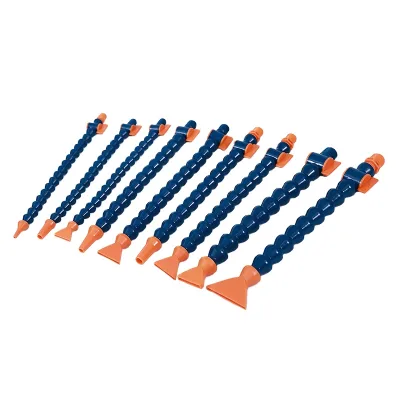
Plastic Flexible Machine Tool Coolant Hose
$5.20 - $5.50
MOQ: 100 Pieces
Qingyun Weijie CNC Machine Tool Accessories Manufacturing Co., Ltd.


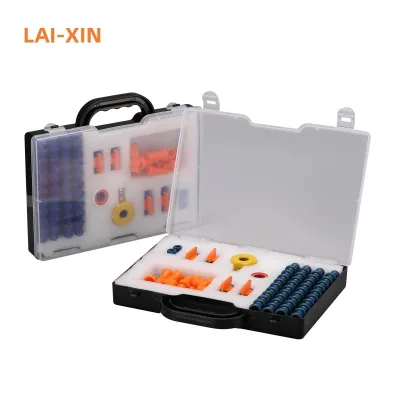
Flexible Water-Oil Coolant Pipe Hose
$3.80 - $4.20
MOQ: 1 Pieces
Shandong Zhongde Machine Tool Accessories Producing Co., Ltd.


Automotive Intercooler Hose in Cooling System with Nylon Quick Connector
$3.60 - $5.80
MOQ: 300 Pieces




Robust Stainless Steel Cooling Hose for Efficient Water Cooling Applications
$20.00 - $100000.00
MOQ: 1 Pieces

Efficient Stainless Steel Cooling Hose for Reliable Water Cooling Applications
$20.00 - $100000.00
MOQ: 1 Pieces

Comprehensive Sourcing Guide
Flexible CNC Machine Coolant Hose Sourcing Guide
Sourcing flexible coolant hoses for CNC machine tools requires a precise understanding of material compatibility, pressure ratings, and environmental resilience. These hoses serve as critical conduits for spray refrigeration liquids, ensuring effective cooling and lubrication during high-speed machining operations. Buyers must prioritize components that maintain structural integrity under continuous exposure to cutting fluids, metal chips, and varying thermal cycles. The selection process involves balancing flexibility for routing convenience against durability to prevent premature failure in demanding industrial settings.
The procurement landscape offers a variety of configurations, including water-cooled and open-type structures, with materials ranging from specialized polymers to reinforced elastomers. Observations indicate that products often feature corrosion and high-temperature resistance, which are essential for longevity in active machining environments. Buyers should evaluate options based on specific machine requirements, such as nozzle type, bend radius, and working pressure limits. Understanding these technical nuances ensures that the selected hose integrates seamlessly with existing CNC infrastructure while minimizing downtime and maintenance costs.
Product Scope and Observed Listing Signals
The current market presents a diverse array of flexible tubing solutions, with observed product names including oil pipes, plastic cooling pipes, and radiator hoses. Listings frequently highlight attributes such as black, blue, orange, or transparent coloring, allowing for easy identification within complex machine setups. The observed outer diameter range spans from 4mm to 16mm, catering to various flow rate requirements. Additionally, standard sizes like 1/4, 1/2, and 3/8 inches are commonly available, providing compatibility with standard fittings and connectors used in industrial fluid systems.
Packaging and origin data suggest that many suppliers are based in Shandong, China, offering wooden box or carton packaging to protect the hoses during transit. Some listings specify custom packaging options, indicating flexibility in logistics requirements. The presence of models like HLM and vjcnc suggests a variety of manufacturing approaches, potentially reflecting different internal structures or material compositions. Buyers should note that while some products are described as having a "water rubber hose" capability, others are explicitly designed for oil or specialized refrigeration liquids, necessitating careful verification of intended fluid compatibility before purchase.
Technical Specifications to Verify
Verifying technical specifications is paramount to ensuring operational safety and efficiency. Key parameters include working pressure, which is often rated at 1.0 MPa at 23°C, and burst pressure, typically around 3.0 MPa at the same temperature. These ratings define the safe operating envelope and provide a critical safety margin against sudden failures. Buyers must also assess the working temperature range, with observed specifications spanning from -20°C to 70°C for some products, while others support a wider range of -40°C to +120°C. This variation significantly impacts suitability for different machining processes and ambient conditions.
Other critical dimensions include bend radius, which affects routing flexibility, and wall thickness, observed at 2mm or 3.5mm. The inner diameter and outer diameter combinations, such as 4.02.5mm or 12.08.0mm, determine flow capacity and pressure drop characteristics. Nozzle compatibility, whether round or flat, influences the spray pattern and cooling efficiency. Buyers should request detailed dimensional drawings and material datasheets to confirm that the hose meets the specific mechanical and hydraulic requirements of their CNC machines, ensuring optimal performance and longevity.
Compliance and Safety Documentation
Compliance with international standards is essential for ensuring product quality and safety. Observed certifications include ISO 9001:2008, ISO 9001:2000, CE, and CCC, indicating adherence to recognized quality management and safety protocols. These certifications provide assurance that the manufacturing processes are controlled and consistent, reducing the risk of defects. Buyers should verify the validity and scope of these certifications, ensuring they cover the specific product lines being procured. Additionally, checking for material safety data sheets (MSDS) is crucial to confirm that the hose materials are compatible with the coolants used and do not degrade or release harmful substances.
Safety documentation should also include pressure testing reports and material composition statements. Buyers must ensure that the hose materials, such as EPDM or nylon, are suitable for the specific chemical environment of the coolant. For applications involving food-grade or environmentally sensitive coolants, additional certifications may be required. It is advisable to request test results for resistance to ozone, oil, and temperature extremes to validate the product's durability. Comprehensive documentation not only aids in regulatory compliance but also supports internal safety audits and risk management procedures.
Cost Drivers and Commercial Terms
Costs for flexible coolant hoses vary based on material composition, wall thickness, and customization levels. Observed price ranges span from $0.16 to $100,000, reflecting the diversity from simple tubing to complex, custom-engineered assemblies. Minimum order quantities (MOQ) typically range from 1 to 500 units, offering flexibility for both small-scale replacements and large-scale procurement. Buyers should consider the total cost of ownership, including installation, maintenance, and replacement frequency, rather than focusing solely on the unit price. Higher-quality materials and certifications may command a premium but can reduce long-term costs by extending service life.
Commercial terms such as warranty and after-sales service are also significant factors. Observed warranties often cover one year, with online support available for technical assistance. Buyers should negotiate clear terms regarding returns, replacements, and liability for product failures. Customization options, such as specific lengths, colors, or fittings, may incur additional costs but can improve efficiency and reduce inventory complexity. Understanding the supplier's production capacity and lead times is essential for planning procurement cycles and avoiding production delays due to supply chain disruptions.
Supplier Qualification and Quality Control
Supplier qualification involves assessing manufacturing capabilities, quality control processes, and track record. Buyers should verify that suppliers have robust quality management systems in place, supported by relevant certifications. Inspecting production facilities, either through audits or third-party services, can provide insights into manufacturing consistency and defect rates. Suppliers offering customization services should demonstrate the ability to maintain quality across varied product specifications. It is also important to evaluate their supply chain resilience, ensuring they can source raw materials reliably and meet delivery commitments.
Quality control measures should include incoming material inspections, in-process monitoring, and final product testing. Buyers should request sample batches for evaluation before placing large orders. Testing should cover dimensional accuracy, pressure resistance, and material compatibility. Suppliers with a history of positive feedback and repeat business are generally more reliable. Establishing clear communication channels and defining quality expectations in the purchase agreement helps ensure that both parties are aligned. Regular performance reviews and feedback loops can further strengthen the supplier relationship and drive continuous improvement.
Long-Term Procurement Checks
Long-term procurement success depends on continuous monitoring of product performance and supplier reliability. Buyers should track key metrics such as failure rates, mean time between failures, and customer satisfaction scores. Regularly reviewing these metrics helps identify trends and potential issues early. It is also important to stay updated on industry standards and technological advancements that may impact hose performance. Engaging with suppliers for regular reviews and feedback sessions can foster collaboration and drive innovation. This proactive approach ensures that the procurement strategy remains aligned with evolving operational needs.
Sustainability and environmental considerations are increasingly important in long-term procurement. Buyers should assess the environmental impact of hose materials and disposal methods. Suppliers offering eco-friendly options or recycling programs can help reduce the overall environmental footprint. Additionally, evaluating the supplier's commitment to social responsibility and ethical labor practices contributes to a more resilient and responsible supply chain. By integrating these factors into the procurement strategy, buyers can achieve not only cost efficiency but also long-term value and risk mitigation.
FAQs
What are the working pressure limits for Flexible CNC Machine Coolant Hose?
The working pressure is 1.0 MPa at 23°C, while the burst pressure reaches 3.0 MPa at the same temperature. These ratings ensure safe operation under standard industrial conditions. Users should verify that system pressures remain within these limits to prevent hose failure or leaks during continuous CNC machine coolant circulation.
Can Flexible CNC Machine Coolant Hose be customized for specific applications?
Yes, customization is available for various product attributes including size, material, and color. Buyers can select from options like black, blue, orange, or transparent tubing. This flexibility allows for tailored solutions that meet specific CNC machine requirements, ensuring optimal fit and performance for diverse industrial cooling and lubrication systems.
What is the working temperature range for these coolant hoses?
The hoses operate effectively within a temperature range of -20°C to 70°C for standard models. Some specialized radiator hoses support a wider range of -40°C to +120°C. This thermal stability ensures reliable performance in varying environmental conditions, protecting CNC machine components from overheating or cold-related damage during extended operation cycles.
Which certifications are provided for Flexible CNC Machine Coolant Hose products?
Products typically carry ISO 9001:2008, ISO 9001:2000, CE, and CCC certifications. These standards verify quality management and safety compliance for international markets. Buyers can rely on these documented credentials to ensure that the hoses meet rigorous industrial requirements, facilitating smoother procurement processes and regulatory compliance for global CNC machine tool operations.
How are flexible cnc machine coolant hoses packaged for shipment?
Hoses are commonly packed in rolls and cartons, or sometimes in wooden boxes for larger orders. Inner plastic bags protect against moisture, while outer cartons provide structural integrity. This packaging method ensures safe transit and storage, preventing damage to the tubing during international shipping and handling, which is crucial for maintaining product quality upon arrival.
What materials are used to manufacture these flexible coolant hoses?
Materials include EPDM for radiator hoses and customized options for other types. Some components may use nylon for structural integrity. These materials are selected for their corrosion resistance and high-temperature tolerance, ensuring durability in harsh industrial environments. The choice of material directly impacts the hose's lifespan and performance in CNC machine cooling applications.