Source Foam Injection Diaphragm Seko Pump for water treatment, dosing, and mixing
Explore 30 listings for Foam Injection Diaphragm Seko Pump options suitable for water treatment, dosing tanks, and mixers. Buyers can compare specifications, certifications, and pricing to find the right solution for their industrial needs.
Key considerations
Products List


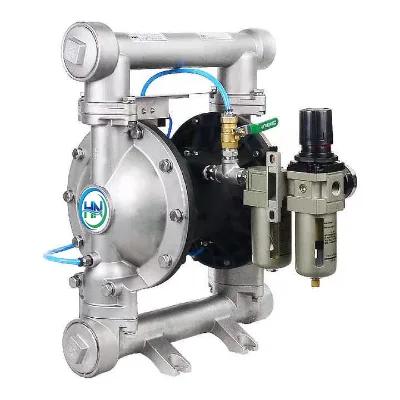
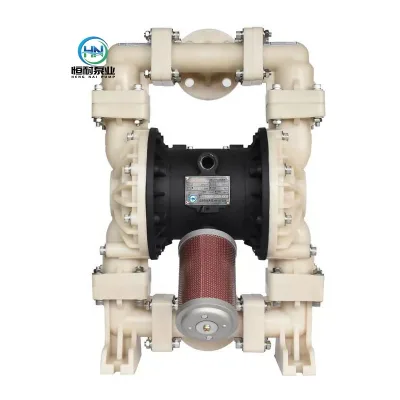
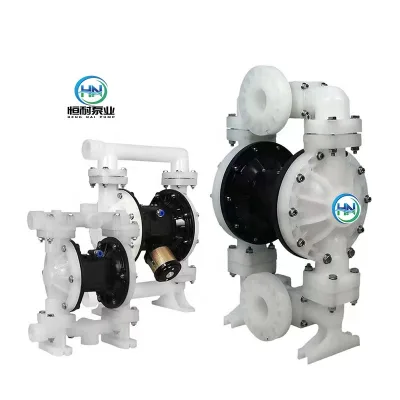
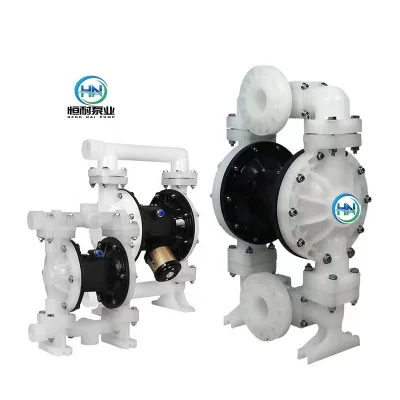

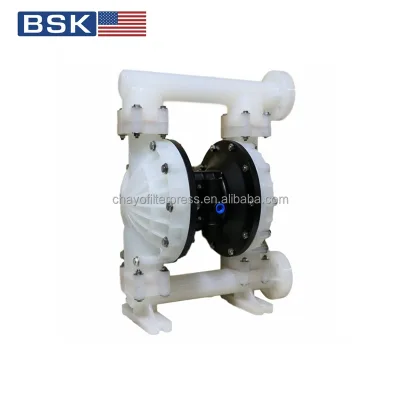

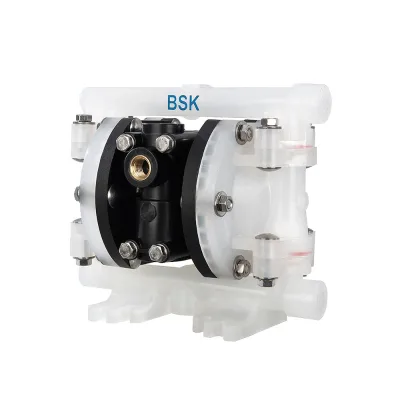
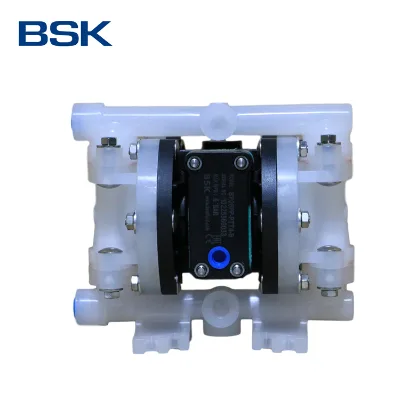
1/4 Inch Small Mouth BSK Double Pneumatic Diaphragm Pump in Plastic Material
$100.00 - $200.00
MOQ: 1 pieces

Comprehensive Sourcing Guide
Strategic Sourcing Guide for Foam Injection Diaphragm Seko Pumps
Procuring specialized fluid handling equipment, specifically foam injection diaphragm pumps, requires a rigorous approach that balances technical performance with supply chain reliability. In the industrial sector, the demand for precise chemical dosing and foam generation systems has driven the need for robust diaphragm pumps capable of handling corrosive and sensitive fluids. This guide provides a structured framework for buyers evaluating potential suppliers, focusing on the specific attributes observed in the current market for diaphragm-based injection systems. The objective is to equip procurement teams with the knowledge to verify product claims, assess compliance, and ensure long-term operational stability without relying on unverified marketing assertions.
Technical Specifications and Material Compatibility
The core functionality of a foam injection diaphragm pump relies heavily on the mechanical integrity of its diaphragm and the compatibility of its wetted parts with the injected media. When sourcing these units, buyers must scrutinize the specific material composition of the diaphragm, as this dictates the pump's resistance to chemical degradation and pressure fluctuations. Market observations indicate a variety of diaphragm materials are available, including PTFE (Polytetrafluoroethylene), Nitrile Rubber, and FPM (Fluoroelastomer). Each material offers distinct advantages; for instance, PTFE is often selected for its superior chemical inertness, while Nitrile Rubber provides excellent resistance to oils and fuels. FPM is frequently utilized for applications requiring high-temperature resistance and broad chemical compatibility.
Beyond the diaphragm material, the valve body type is a critical specification. The majority of advanced injection pumps in this category utilize a Diaphragm Valve Body Type, which ensures a seal that prevents leakage and maintains consistent flow rates. The structural design often varies between single-stage and multi-stage configurations, with single-stage pumps being common for low-pressure applications. Buyers should verify the rated pressure capabilities, as some units are specifically engineered for low-pressure environments, while others may support higher pressures depending on the application's hydraulic requirements.
Electrical and power specifications are equally vital for integration into existing plant infrastructure. The power source for these pumps can be either electric or pneumatic. Electric variants typically operate on standard voltage inputs such as 220V or 380V, with some models supporting a broader range of 100-240V or 220-380V. The rated current for these electric units can vary significantly, with observed ranges spanning from 1-4A up to 11-15A, necessitating careful circuit planning. Pneumatic models, conversely, rely on compressed air, often specified by size, such as 3-inch configurations, and are preferred in environments where electrical sparks pose a safety risk.
Compliance and Certification Verification
In the industrial procurement landscape, compliance with international standards is non-negotiable. When evaluating foam injection diaphragm pumps, buyers must demand evidence of specific certifications that validate the product's safety and quality management systems. The most frequently observed certifications in this sector include CE marking, which indicates conformity with health, safety, and environmental protection standards for products sold within the European Economic Area. Additionally, ISO9001 certification is a standard benchmark for quality management systems, ensuring that the manufacturer adheres to consistent production processes.
For applications involving hazardous environments, such as those with explosive atmospheres, ATEX certification is a critical requirement. This certification ensures that the equipment is designed to prevent ignition of surrounding explosive gases or dusts. Buyers should verify that the specific model they are considering carries the relevant ATEX designation, as not all diaphragm pumps are rated for such conditions. The presence of these certifications should be documented in the product specifications, and buyers must ensure that the certification applies to the exact model number being purchased, as variations in the same product line may have different compliance statuses.
Furthermore, the standard products shipping time and customized product lead times are often tied to the manufacturer's ability to maintain these certifications. While standard items may ship within 48 hours, customized configurations requiring specific material changes or electrical adaptations can extend the lead time to 30-60 days. This distinction is crucial for project planning, as delays in receiving certified components can stall entire production lines.
Cost Drivers and Pricing Dynamics
The pricing of foam injection diaphragm pumps is influenced by a complex interplay of factors, including material costs, customization levels, and certification requirements. The observed market price range for these units is substantial, spanning from approximately $6.90 to $3,000. This wide variance reflects the diversity in pump complexity, from basic single-stage units to intelligent, field-bus-enabled systems.
Material selection is a primary cost driver. Pumps constructed with high-performance materials like PTFE or FPM diaphragms typically command a higher price point compared to those using standard Nitrile Rubber. Similarly, the inclusion of advanced features such as electronic control, intelligent types, or field bus communication capabilities adds to the unit cost. These features enhance the pump's ability to integrate with automated dosing systems, providing real-time data and precise control, which is essential for complex foam injection processes.
Customization is another significant factor affecting price. While many suppliers offer standard models, the ability to customize the pump for specific applications—such as altering the valve body type, adjusting the voltage, or modifying the packing materials—incurs additional costs. The Minimum Order Quantity (MOQ) also plays a role in the final cost per unit. Observed MOQs range from 1 to 100 units, allowing flexibility for both small-scale testing and large-scale industrial deployments. Buyers should negotiate based on volume, understanding that higher quantities often yield better unit pricing, especially for customized orders.
Typical Applications and Industry Fit
Foam injection diaphragm pumps are versatile tools employed across a wide array of industrial sectors. Their primary function involves the precise dosing of chemicals, surfactants, and other fluids to generate foam or treat water. One of the most common applications is in water treatment facilities, where these pumps are used to inject coagulants, flocculants, or disinfectants into the treatment process. The ability to handle corrosive fluids makes them ideal for environments where water quality is a critical concern.
In addition to water treatment, these pumps are utilized in applications requiring the mixing of chemicals within a dosing tank and mixer setup. The "No Leak" performance characteristic is particularly valuable in these scenarios, as it prevents the release of hazardous substances into the environment. The pumps are also suitable for industries where precise foam generation is required, such as in fire suppression systems, mining operations, or textile processing.
The suitability of a specific pump for an application depends on the equipment it is paired with. For instance, a pump designed for a dosing tank and mixer system must have the appropriate flow rate and pressure characteristics to ensure efficient mixing. Buyers should assess the specific requirements of their application, including the type of fluid being injected, the required flow rate, and the operating pressure, to select the most appropriate model.
Supplier Evaluation and Quality Control
Selecting the right supplier is as important as selecting the right product. Buyers should evaluate potential suppliers based on their ability to provide consistent quality, adherence to standards, and reliable after-sales support. The availability of a 12-month warranty or even a 5-year warranty is a strong indicator of a supplier's confidence in their product's durability. However, buyers must verify the terms of these warranties, as they may vary based on the specific model and application.
Quality control processes should be a key part of the supplier evaluation. Manufacturers with ISO9001 certification typically have robust quality management systems in place, ensuring that each unit meets strict performance criteria. Buyers should request documentation of quality control tests, such as pressure testing and leak detection, to verify that the pumps meet the required specifications. Additionally, the packaging method can be an indicator of care in handling; options range from standard cartons to wooden crates or wooden boxes, with some suppliers offering fumigation-free wooden cases to meet international shipping regulations.
The supplier's ability to provide customized solutions is also a critical factor. The market shows that customization is available for many models, allowing buyers to tailor the pump to their specific needs. However, the lead time for customized products can be significantly longer than for standard items, ranging from 30 to 60 days. Buyers should factor this into their project timelines and ensure that the supplier has the capacity to meet these deadlines without compromising quality.
Long-Term Procurement Considerations
Sourcing foam injection diaphragm pumps is not just a one-time transaction but a long-term partnership that impacts operational efficiency and maintenance costs. Buyers should consider the availability of spare parts and the ease of maintenance when making their selection. Pumps with standard components and widely available certifications like CE and ISO9001 are generally easier to maintain and repair, reducing downtime and operational costs.
The shipping and logistics aspects also play a role in long-term procurement. Standard products may be shipped within 48 hours, but customized orders require more time. Buyers should establish clear communication channels with suppliers to track the progress of their orders and ensure that the products are delivered in the specified packaging, whether it be carton, wooden crate, or paper box. Proper packaging is essential to prevent damage during transit, especially for sensitive components like diaphragms and valves.
Finally, buyers should plan for the lifecycle of the pump. With warranty periods ranging from 12 months to 5 years, understanding the expected service life and maintenance schedule is crucial. Regular inspections and timely replacements of wear parts, such as diaphragms and valves, can extend the life of the pump and ensure consistent performance. By focusing on these long-term considerations, buyers can optimize their investment in foam injection diaphragm pumps and achieve reliable, efficient operation over the years.
Comparative Analysis of Key Product Attributes
To assist in the decision-making process, the following table summarizes the key attributes observed in the market for foam injection diaphragm pumps. This comparison highlights the diversity in specifications and helps buyers identify the features that align with their specific requirements.
| Attribute Category | Observed Options | Key Considerations for Buyers |
|---|---|---|
| Diaphragm Material | PTFE, Nitrile Rubber, FPM | Select based on chemical compatibility and temperature resistance. |
| Valve Body Type | Diaphragm | Ensure the design prevents leakage and maintains flow consistency. |
| Power Source | Electric (220V/380V), Pneumatic | Match with plant power availability; pneumatic for hazardous areas. |
| Certifications | CE, ISO9001, ATEX | Verify specific model certification for safety and compliance. |
| Function Type | Solenoid, Electronic, Intelligent, Field Bus | Choose based on automation level and control requirements. |
| Warranty | 12-Month, 5 Years | Review terms and conditions for coverage scope. |
| Shipping Time | Standard: <48h, Custom: 30-60 Days | Plan project timelines accordingly for customized orders. |
| Packing | Carton, Wooden Crate, Wooden Box, Paper Box | Ensure packaging meets shipping and handling requirements. |
This structured approach to sourcing ensures that buyers can navigate the complexities of the foam injection diaphragm pump market with confidence, making informed decisions that align with their technical, financial, and operational goals.
FAQs
What certifications are available for these pumps?
Available certifications include CE, ISO9001, and ATEX for hazardous environments. Some models specifically carry CE and ISO9001:Diaphragm Material certifications, while others are rated for ATEX compliance to ensure safety in explosive atmospheres.
Which diaphragm materials are used in these pumps?
Diaphragm materials include PTFE, Nitrile Rubber, and FPM for chemical resistance. PTFE offers superior inertness, Nitrile Rubber resists oils, and FPM provides high-temperature stability, with Poly Ethylene also observed in specific configurations.
Can I customize the voltage and power type?
Customization is available for voltage and power types, including 220V, 380V, and pneumatic options. Electric models support ranges like 100-240V or 220-380V, while pneumatic units operate on compressed air for spark-free environments.
What is the warranty period for these units?
Warranty periods range from 12 months to 5 years depending on the specific model. Buyers should verify the terms for their selected unit, as some suppliers offer extended coverage for long-term operational stability.
How long does shipping take for standard products?
Standard products ship within 48 hours according to product standards. Customized products require a longer lead time of 30 to 60 days to accommodate specific material or electrical adaptations requested by the buyer.
What are the typical MOQ values for orders?
The observed minimum order quantity ranges from 1 to 100 units. This flexibility allows buyers to start with small testing quantities or place larger industrial orders without excessive minimum constraints.
Which industries use these foam injection pumps?
These pumps are suitable for water treatment and applications requiring dosing tanks and mixers. They are designed for low-pressure environments and handle corrosive fluids effectively in various industrial settings.