Source Foldable Curve Mechanical Treadmill for Gyms, Homes, Clinics
Explore 30 listings of Foldable Curve Mechanical Treadmill options suitable for commercial gyms, home fitness rooms, and rehabilitation clinics. Buyers can compare specifications like running belt size, weight capacity, and folding mechanisms to find the right equipment for their needs.
Key considerations
Products List


Gym Fitness Self-Generating Treadmill Running Machine Curve Treadmill
$970.00 - $1141.00
MOQ: 5 Pieces


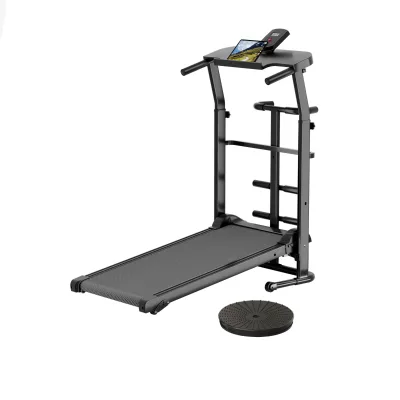


Fitness Equipment Curve Treadmill/Commercial Curved Mechanical Treadmill
$680.00 - $700.00
MOQ: 18 Pieces


Treadmill Exercise Fitness Equipment Curve Treadmill Gym Running Machine
$680.00 - $700.00
MOQ: 18 Pieces


Comprehensive Sourcing Guide
Foldable Curve Mechanical Treadmill Sourcing Guide
Procuring a Foldable Curve Mechanical Treadmill requires a distinct approach compared to standard electric models, as the absence of a motor fundamentally changes the mechanical dynamics and user experience. Buyers must prioritize understanding the manual resistance mechanism, which relies on the user’s speed and incline to generate friction. This guide outlines the critical verification steps for sourcing these units, focusing on structural integrity, safety compliance, and commercial viability. The following sections provide a structured framework for evaluating suppliers and ensuring the selected equipment meets specific operational requirements for gyms, rehabilitation centers, or high-end home fitness environments.
Product Scope and Observed Listing Signals
The market for manual treadmills often features units designed for specific intensity levels, ranging from light walking to high-intensity interval training. Observed listings indicate a wide price range, suggesting significant variation in build quality, belt material, and frame durability. Buyers should note that "foldable" designs in this category often prioritize space-saving for home use or compact commercial setups, which may impact the maximum user weight capacity. It is essential to distinguish between true curve designs, which offer a natural running arc, and flat manual belts, as the former requires more complex engineering and typically commands a higher price point.
Listing signals also reveal variations in customization options, such as branded consoles or specific color schemes, which are critical for commercial branding. Some suppliers offer single-unit purchases, while others enforce minimum order quantities that may not suit small boutique gyms. The presence of LED displays or basic heart rate monitors is common, but buyers must verify if these features are powered by the user’s movement or require external batteries. Understanding these listing nuances helps in filtering out low-quality imports and identifying suppliers who specialize in durable, high-performance manual fitness equipment.
Technical Specifications to Verify
The running belt dimensions are a primary technical consideration, with observed specifications indicating sizes such as 1700x440mm, which provide adequate space for most adult users. Buyers must verify the belt material’s slip resistance and durability, as manual treadmills rely entirely on user friction for traction. The frame construction, often made from steel, should be inspected for weld quality and stability, especially since the lack of a motor means the frame must absorb all kinetic energy from the user’s stride. Foldable mechanisms must be tested for smooth operation and secure locking to prevent accidental collapse during use.
Weight capacity is another critical specification, with some observed units supporting weights of 160kg or more, indicating robust structural engineering. Buyers should confirm the maximum user weight rating to ensure safety and longevity, particularly for commercial applications with diverse user bases. The incline mechanism, if present, should be adjustable and secure, allowing users to vary intensity without compromising stability. Additionally, the absence of an electric drive means there are no motor specifications to check, but the bearing system and roller quality become even more important for smooth operation and reduced maintenance needs.
Compliance and Safety Documentation
Safety certifications are non-negotiable for fitness equipment, with CE and ISO marks being common indicators of compliance with European and international standards. Buyers must request valid certification documents to ensure the treadmill meets electrical safety requirements for any integrated components, such as LED displays or heart rate sensors. RoHS compliance is also relevant if the unit contains electronic parts, ensuring restricted hazardous substances are not used in manufacturing. These certifications provide assurance that the product has undergone rigorous testing for structural integrity and user safety.
Beyond certifications, buyers should verify that the treadmill includes necessary safety features, such as emergency stop mechanisms or safety keys, even in manual models. The folding mechanism must have clear safety interlocks to prevent pinching hazards during operation. Documentation should also include clear assembly instructions and maintenance guides, which are crucial for ensuring the equipment remains safe over time. Buyers should avoid suppliers who cannot provide comprehensive safety manuals or who lack transparent documentation regarding material safety and structural testing protocols.
Cost Drivers and Commercial Terms
The cost of a Foldable Curve Mechanical Treadmill is influenced by several factors, including the quality of the steel frame, the durability of the running belt, and the complexity of the folding mechanism. Observed price ranges vary significantly, reflecting differences in material thickness, brand reputation, and included accessories. Buyers should analyze the total cost of ownership, considering potential maintenance needs and the lifespan of the belt and bearings. Higher initial costs often correlate with better build quality and longer warranty periods, which can reduce long-term operational expenses.
Minimum order quantities (MOQ) and payment terms also impact the overall procurement strategy. Some suppliers require bulk purchases, which may not be feasible for smaller buyers, while others offer flexible MOQs for trial orders. Buyers should negotiate clear terms regarding shipping, insurance, and return policies, especially when importing from international suppliers. Understanding the cost structure helps in budgeting accurately and avoiding hidden fees that can inflate the final price. Transparent pricing and flexible commercial terms are key indicators of a reliable supplier.
Supplier Qualification and Quality Control
Supplier qualification involves verifying the manufacturer’s production capabilities and quality control processes. Buyers should request evidence of factory audits, production line inspections, and quality assurance protocols. Suppliers with established reputations in the fitness industry are more likely to adhere to strict quality standards and provide consistent product performance. It is also important to check the supplier’s experience with export markets, as this indicates familiarity with international shipping and compliance requirements.
Quality control checks should include random sampling of finished units to assess build quality, functionality, and safety features. Buyers should establish clear acceptance criteria for defects, such as frame misalignment, belt slippage, or faulty electronic components. Regular communication with the supplier during the production process can help identify and resolve issues early. Implementing a robust quality control plan ensures that the delivered treadmills meet the specified standards and reduces the risk of costly returns or customer complaints.
Long-Term Procurement Checks
Long-term procurement success depends on establishing a reliable supply chain and maintaining strong supplier relationships. Buyers should conduct periodic performance reviews of the equipment in use, gathering feedback from end-users to identify any recurring issues. This feedback loop can inform future purchasing decisions and help negotiate improvements with the supplier. Regular maintenance schedules should be established to ensure the treadmills remain in optimal condition, extending their lifespan and preserving their value.
Additionally, buyers should stay informed about industry trends and technological advancements in manual treadmill design. This knowledge can help in making informed decisions about upgrades or replacements. Building a diversified supplier base can mitigate risks associated with supply chain disruptions. By focusing on long-term partnerships and continuous improvement, buyers can ensure a steady supply of high-quality foldable curve mechanical treadmills that meet their evolving operational needs.
FAQs
What certifications do these commercial treadmills have?
These commercial treadmills hold CE, ISO, and RoHS certifications. This ensures they meet international safety and quality standards for gym and home use. Buyers can verify these credentials to ensure compliance with local regulations and maintain high operational safety in fitness environments.
Can I customize the logo on the treadmill?
Yes, customized logos are available for these units. Buyers can request specific branding to align with their gym identity or retail store. This customization service allows for professional presentation and brand reinforcement, making the equipment suitable for commercial fitness centers and personal training studios.
What is the minimum order quantity for these machines?
The minimum order quantity is typically five sets. This MOQ applies to standard commercial models like the DW500 and SW500-A series. Buyers planning to equip multiple stations or retail outlets should consider this threshold when budgeting and planning their initial inventory procurement strategy.
How is the treadmill packed for shipping?
The treadmills are packed in sturdy plywood boxes or cases. This packaging protects the steel frame and electronic components during transit. The packed dimensions are approximately 1.85 by 0.85 by 0.55 meters, ensuring safe delivery to various global locations while minimizing damage risks.
What is the running belt size for these models?
The running belt size is 1700 by 440 millimeters. This generous surface area provides ample space for safe and comfortable running or walking exercises. It accommodates users of various heights and stride lengths, making it ideal for high-traffic commercial gyms and serious home fitness enthusiasts.
Where are these treadmills manufactured?
These treadmills are manufactured in China, specifically in Shandong and Jiangsu provinces. This location is a major hub for fitness equipment production. Buyers can expect efficient logistics and established supply chains, ensuring reliable delivery times and consistent quality control for international orders.