Source Breathable Lace Up Ankle Brace for Sports and Recovery
Find and compare 30 Breathable Lace Up Ankle Brace options from verified manufacturers. Evaluate materials like neoprene and nylon, check certifications such as CE and ISO, and review specifications for fracture fixation and injury prevention to select the right support for your needs.
Key considerations
Products List


Customized Design Protector Elastic Anti-Slip Adjustable Strap Brace Ankle Support
$6.90 - $10.40
MOQ: 100 Pieces


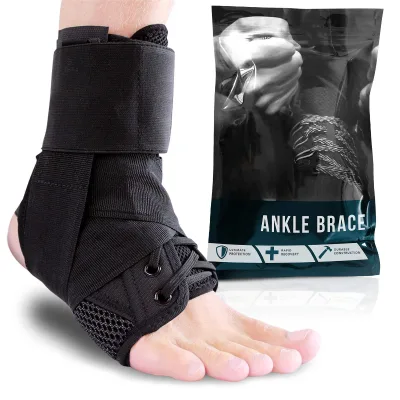


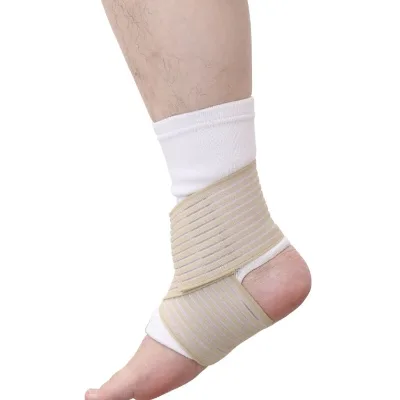
Comprehensive Sourcing Guide
Breathable Lace Up Ankle Brace Sourcing Guide
Procurement teams must first distinguish between general sports protection and medical-grade fracture fixation when sourcing breathable lace-up ankle braces. The observed product data reveals a split market where some items are designed for basketball and football protection, while others serve clinical needs for correcting deformities and stabilizing fractures. Buyers should verify if the specific listing targets athletic injury prevention or post-surgical recovery, as the material composition and structural rigidity differ significantly between these two distinct use cases.
When evaluating listings, attention must be paid to the specific material claims, such as the presence of neoprene, aluminum splints, or synthetic rubber blends. The data indicates that some products utilize sponge and nylon for comfort, while others incorporate aluminum for rigid support. A buyer must confirm whether the lace-up mechanism is intended for dynamic adjustment during sports or for static immobilization in a medical setting, ensuring the selected brace aligns with the intended functional requirement of the end-user.
Product Scope and Observed Listing Signals
The market for these braces presents a wide range of customization options, with some suppliers offering OEM and ODM services while others provide non-customized standard models. Buyers should note that the observed listings include products with specific model numbers like DNOR-F06 and LF-03, which may indicate different design iterations or target markets. It is critical to verify if the "breathable" attribute is supported by the material composition, such as the use of nylon and polyester blends, rather than relying solely on marketing terms.
Listing signals also vary regarding packaging and origin, with some products shipped in simple PE bags and others in cartons containing multiple units. The observed data shows origins in Hebei and China, suggesting a concentration of manufacturing in specific industrial hubs. Procurement teams should scrutinize the listed weight standards, which range from 70g to 150g, as this metric often correlates with the level of support and the amount of rigid material included in the brace design.
Technical Specifications to Verify
Buyers must rigorously verify the size specifications, as the data shows conflicting entries ranging from S/M/L to Free Size and specific centimeter measurements. The presence of multiple size definitions, such as S(32-35) and M(36-39), indicates that sizing charts may vary by manufacturer. It is essential to request a detailed size chart for the specific model to ensure the lace-up system can accommodate the intended foot dimensions without causing constriction or failing to provide adequate compression.
Material composition is another critical technical parameter that requires direct confirmation from the supplier. While some listings mention aluminum splints for structural integrity, others list sponge or synthetic rubber for flexibility. Procurement teams should verify the exact ratio of breathable fabrics like neoprene to rigid components to ensure the brace offers the necessary balance of ventilation and support for the specific activity, whether it is high-impact sports or medical rehabilitation.
Compliance and Safety Documentation
Certification status is a primary compliance factor, with observed listings frequently citing CE and ISO marks. Buyers must request valid certification documents to confirm that the product meets the specific regulatory requirements for medical devices or sports equipment in their target market. The presence of a CE mark suggests compliance with European safety standards, but the scope of this certification must be verified to ensure it covers the specific medical or athletic application of the ankle brace.
Safety documentation should also include shelf life and material safety data sheets, as the observed data mentions a five-year shelf life for certain items. Procurement teams need to confirm that the materials used, such as silicone or polyester, are hypoallergenic and safe for prolonged skin contact. Verifying the stability of the materials over time ensures that the brace will not degrade or lose its structural integrity before the end of its intended service life.
Cost Drivers and Commercial Terms
The observed price range of 1 to 10.4 USD suggests significant variation based on material complexity and customization levels. Buyers should understand that lower prices often correlate with simpler designs using basic sponge or nylon, while higher prices may reflect the inclusion of aluminum splints or advanced breathable fabrics. It is important to analyze the cost per unit against the specific features required, ensuring that the budget aligns with the necessary level of medical or athletic performance.
Minimum Order Quantity (MOQ) is another key commercial term, with observed ranges spanning from 10 to 1000 units. Procurement teams must negotiate MOQs that match their inventory strategy, as high MOQs may be required for custom models with specific branding or unique material blends. Understanding the relationship between order volume and unit price is essential for optimizing the total cost of ownership while maintaining sufficient stock levels to meet demand.
Supplier Qualification and Quality Control
Supplier qualification should focus on their ability to provide consistent quality across different product models, as the data shows a variety of specifications and materials. Buyers must assess the supplier's track record for delivering products that match their listed descriptions, particularly regarding the accuracy of size charts and material claims. Requesting samples from different production batches is a prudent step to verify that the lace-up mechanism and structural components remain consistent.
Quality control processes should be explicitly defined, including inspection protocols for packaging and product integrity. The observed data indicates varied packaging methods, from PE bags to cartons with 20 pieces per box, which can impact product protection during transit. Procurement teams should ensure that the supplier has robust quality assurance measures in place to prevent damage to the braces and to verify that the final product meets the agreed-upon standards for weight, size, and material composition.
Long-Term Procurement Checks
Long-term procurement strategies must account for the potential for product updates and model changes, as evidenced by the multiple model numbers in the observed data. Buyers should establish a protocol for monitoring product lifecycle changes to ensure that the supply chain remains stable and that replacement parts or updated models are available when needed. Regular communication with the supplier regarding new developments in breathable materials or lace-up technologies can help maintain a competitive edge.
Finally, ongoing performance monitoring is essential to validate the durability and effectiveness of the ankle braces in real-world conditions. Procurement teams should gather feedback from end-users regarding comfort, breathability, and support levels to identify any recurring issues. This feedback loop allows for continuous improvement in the selection process and ensures that the chosen products continue to meet the evolving needs of athletes or patients over the long term.
FAQs
What certifications do the ankle braces have?
The ankle braces carry CE and ISO certifications to ensure safety and quality standards. These certifications apply to the external fixators and support braces listed. Buyers should verify specific model compliance before placing orders for medical or sports use.
Can I get custom designs for these braces?
Customization is available for many models, including specific sizes and branding options. Some products are offered as non-customized standard items while others support OEM and ODM services. Buyers can request tailored solutions depending on the specific product model and supplier capacity.
What materials are used in the ankle braces?
Materials vary by model and include sponge, nylon, aluminum, neoprene, and synthetic rubber. Some braces combine nylon, polyester, and silicone for enhanced support. The choice of material depends on whether the product is designed for fracture fixation or general sports protection.
How are the ankle braces packaged for shipping?
Packaging typically includes PE bags, plastic bags, or cartons depending on the product type. Some items are packed as 20 pieces per box for bulk efficiency. Buyers should check the specific packing details for each model to ensure safe transport and storage conditions.
What sizes are available for the ankle braces?
Sizes range from small to large with specific measurements provided for adult users. Some models offer free size options while others list dimensions like 23x13x34cm for size S. Buyers must select the correct size based on foot circumference and intended usage for optimal fit.
Where are these ankle braces manufactured?
The products originate from Hebei, China, as indicated in the product specifications. This location is a known manufacturing hub for medical and sports equipment. Buyers can expect consistent production standards from suppliers located in this region for bulk orders.
What is the shelf life of the ankle braces?
The shelf life is five years for the listed ankle protection products. This duration ensures the materials remain effective for fracture fixation and injury prevention. Buyers should store the items in dry conditions to maintain their integrity throughout the specified period.