Source Folded Outdoor Camping Bed for Beach, Mountain, Park
Compare 30 listings for the Folded Outdoor Camping Bed available in aluminum alloy and fabric options. Buyers can evaluate specifications like single or stand types, customization features, and pricing from suppliers in Fujian and Guangdong.
Key considerations
Products List


Outdoor Folding Bed Height Dual-Purpose Folding Bed Camping Beach Bed
$34.00 - $36.00
MOQ: 1000 Pieces

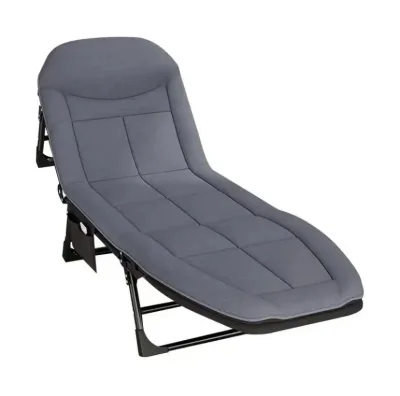


Outdoor Portable Camping Bed Ultralight Foldable Adjustable Folding Camping Beds
$22.00 - $26.00
MOQ: 100 Pieces


Adjustable Foldable Portable Single Outdoor Camping Bed Wood Camping Bed
$68.00 - $69.00
MOQ: 200 Pieces


Comprehensive Sourcing Guide
Strategic Sourcing Guide for Folded Outdoor Camping Beds
Understanding Product Attributes and Material Composition
When sourcing folded outdoor camping beds, buyers must first distinguish between the various product configurations available in the global market. The core keyword implies a specific mechanical function—folding—yet the market offers distinct variations such as "Folded Type" and "Stand Type" units. A critical observation from current market data indicates that the "Folded Type" configuration is often paired with a "Simple" style, whereas "Stand Type" variants frequently adopt a "Modern" aesthetic. This distinction is vital for procurement teams aligning product selection with specific customer demographics or usage scenarios.
Material composition is the second pillar of product definition. The primary structural component for these units is typically Aluminum Alloy, chosen for its optimal balance of weight and tensile strength. This material selection is essential for outdoor applications where portability is a primary constraint. The fabric component, which serves as the sleeping surface, is frequently identified as 600d Oxford fabric or general fabric materials. The "600d" designation refers to the denier count, a measure of fiber thickness that correlates with durability and resistance to tearing. Buyers should verify that the fabric specification matches the intended load-bearing requirements, as lower denier counts may compromise longevity in rugged environments.
Color options in the current supply chain are diverse, with Black and Green being prominent examples observed in product listings. These colors are not merely aesthetic choices; they often serve functional purposes regarding UV resistance and camouflage in specific environments like mountains or parks. The condition of the product is consistently listed as "New," ensuring that procurement involves fresh inventory rather than refurbished or used goods. Understanding these baseline attributes allows buyers to create precise Request for Quotation (RFQ) documents that eliminate ambiguity regarding the physical characteristics of the desired unit.
Technical Specifications and Dimensional Standards
Technical specifications for folded camping beds vary significantly based on the intended application, whether for beach use, mountain trekking, or park recreation. Dimensional standards are a critical area of verification. Market data reveals specific standard dimensions such as 354555 and 354555cm, which likely represent the folded or packed state of the product. These dimensions are crucial for logistics planning, as they determine the volume of cargo required for shipping and the storage space needed in distribution centers.
Another critical specification is the single package size, which has been observed at 115X95X8 cm for certain bed frame models. This specific measurement highlights the importance of packaging efficiency. A low profile in one dimension (8 cm) suggests a highly compact folded state, which is a key selling point for outdoor enthusiasts. However, buyers must be cautious not to conflate the dimensions of a bed frame with those of other outdoor equipment, such as speakers or lighting systems, which may share similar packaging descriptions but serve entirely different functions. The product model codes, such as KJ231212-1 or IMAGE05, serve as unique identifiers that help trace specific design iterations and their associated technical data.
The structural integrity of the bed is often supported by the "Single" type designation, indicating a standalone unit rather than a bunk or multi-tier system. The "Universal" compatibility attribute suggests that certain models may be designed to fit a wide range of accessory types or usage scenarios. When evaluating technical specs, procurement teams should prioritize the "Standard Export Carton with PE Bag and Foam" packaging description, as this indicates a high level of protection during transit, reducing the risk of damage to the aluminum alloy frame or the 600d Oxford fabric.
Compliance, Certification, and Safety Verification
While specific certification status is not explicitly detailed in the provided product attributes, the sourcing of outdoor camping equipment requires rigorous verification of safety and quality standards. Buyers must ensure that the Aluminum Alloy used in the frame meets international standards for structural integrity, particularly regarding weight capacity and fatigue resistance. The "New" condition of the product implies adherence to manufacturing quality control, but this must be validated through third-party testing.
Compliance checks should extend to the fabric materials. The 600d Oxford fabric must be free from harmful substances and should meet relevant environmental and safety regulations for consumer goods. Since these products are used in direct contact with human skin, the absence of toxic dyes or chemical treatments is a non-negotiable requirement. Buyers should request Material Safety Data Sheets (MSDS) and test reports from suppliers to confirm that the fabric and metal components comply with the regulations of the target market, such as REACH in Europe or CPSIA in the United States.
Furthermore, the "Foldable" function introduces mechanical safety considerations. The folding mechanism must be robust enough to withstand repeated cycles of opening and closing without failure. Suppliers should provide evidence of stress testing for the hinge and locking mechanisms. Although specific certification names are not listed in the source data, the presence of a "Standard Export Carton" and detailed packaging protocols suggests a supplier base that is accustomed to international trade compliance. Buyers should verify that the supplier's quality management system is certified, ensuring that every unit produced meets the same rigorous standards as the sample.
Cost Drivers and Pricing Dynamics
The pricing of folded outdoor camping beds is influenced by a complex interplay of material costs, manufacturing complexity, and order volume. The observed price range in the market spans from 5 to 249 USD, a wide spectrum that reflects differences in material quality, brand positioning, and feature sets. The lower end of this range likely corresponds to basic models with standard aluminum frames and fabric, while the higher end may include advanced features, premium branding, or specialized designs.
Order Volume is a primary cost driver. The Minimum Order Quantity (MOQ) varies significantly across the supply chain, with observed ranges from 50 to 1000 pieces. A supplier requiring an MOQ of 500 or 1000 pieces typically offers a lower unit price due to economies of scale, whereas suppliers with an MOQ of 50 or 100 pieces may charge a premium for flexibility. Buyers must balance their budget constraints with their inventory needs. For new market entrants, suppliers with lower MOQs (e.g., 50 pcs) may be more accessible, despite the higher per-unit cost. Conversely, established retailers with high volume requirements can leverage the lower price points associated with higher MOQs.
Additional cost factors include customization. The availability of "Customization" and "Customized" options allows buyers to tailor products to their brand, but this typically incurs additional tooling and setup costs. The origin of the product also plays a role; items originating from Fujian, Guangdong, or Anhui, China, may have different labor and logistics cost structures. Buyers should analyze the total landed cost, including shipping, duties, and insurance, rather than focusing solely on the factory gate price. The "T/T 30%/70%" payment term is a common structure that helps manage cash flow, but buyers should negotiate terms that align with their financial capabilities and risk tolerance.
Typical Applications and Usage Scenarios
Folded outdoor camping beds are designed for a diverse range of applications, as indicated by the "Usage" attributes observed in the market data. The primary use cases include "Beach," "Mountain," and "Park" environments. Each of these settings presents unique challenges that the product must address. Beach usage requires resistance to saltwater corrosion and sand abrasion, making the Aluminum Alloy frame and 600d Oxford fabric ideal choices for durability. Mountain applications demand lightweight construction and high load-bearing capacity to handle uneven terrain and heavy backpacks. Park usage often involves frequent setup and takedown, necessitating a robust folding mechanism that is easy to operate.
The "Simple" and "Modern" style attributes suggest that these beds are versatile enough to fit into various aesthetic contexts, from rugged outdoor expeditions to leisurely family camping trips. The "Single" type designation indicates that these beds are intended for individual use, making them suitable for solo travelers, hikers, or as guest bedding in temporary setups. The "Folded Type" and "Stand Type" variations offer different deployment methods; the folded type prioritizes compact storage, while the stand type may offer enhanced stability or height.
Buyers should consider the specific needs of their target customer base when selecting a model. For instance, a supplier targeting professional outdoor guides might prioritize the "Stand Type" for its stability, while a retailer selling to casual campers might focus on the "Folded Type" for its portability. The "Universal" compatibility attribute further expands the potential applications, suggesting that these beds can be integrated into various camping ecosystems, such as being used with tents, sleeping bags, or other camping accessories.
Supplier Evaluation and Quality Control Protocols
Evaluating suppliers for folded outdoor camping beds requires a multi-faceted approach that goes beyond price and MOQ. The origin of the product, whether from Fujian, Guangdong, or Anhui, China, provides insight into the regional manufacturing capabilities. Fujian and Guangdong are known for their robust export infrastructure, while Anhui may offer competitive labor costs. Buyers should verify the supplier's production capacity and lead times to ensure they can meet demand fluctuations.
Quality control is paramount in this category. The "New" condition and "Standard Export Carton" packaging indicate a focus on product integrity, but buyers must implement their own verification protocols. This includes requesting pre-shipment inspections to check for defects in the aluminum frame, fabric stitching, and folding mechanisms. The "354555" and "320x320x950mm" standard dimensions should be measured against the actual product to ensure consistency. Any deviation from these specifications could indicate a lack of quality control in the manufacturing process.
Suppliers should also demonstrate a commitment to customization. The availability of "Customization" options suggests that the supplier has the flexibility to adapt products to specific buyer requirements. Buyers should assess the supplier's ability to handle custom orders, including the time required for tooling and the minimum order quantities for customized runs. The "T/T 30%/70%" payment term is a standard practice, but buyers should ensure that the payment schedule is tied to clear milestones, such as sample approval, production completion, and shipment.
Long-Term Procurement and Strategic Considerations
Sourcing folded outdoor camping beds is not a one-time transaction but a strategic relationship that requires long-term planning. The "Customized" nature of many products means that buyers should invest in building strong relationships with suppliers who can grow with their business. As the buyer's order volume increases, they should negotiate better pricing and more favorable payment terms. The observed MOQ range of 1 to 1000 pieces offers flexibility, but buyers should aim to consolidate orders to maximize economies of scale.
Sustainability is an emerging consideration in the outdoor industry. Buyers should inquire about the environmental impact of the 600d Oxford fabric and the Aluminum Alloy production processes. While specific certifications are not listed, buyers can request information on the supplier's environmental policies and waste management practices. The "Simple" and "Modern" styles suggest a focus on timeless design, which can reduce the risk of obsolescence and ensure long-term market relevance.
Finally, buyers should maintain a diversified supplier base to mitigate risks associated with supply chain disruptions. Relying on a single source for folded camping beds can be risky, especially given the variability in MOQs and lead times. By engaging with multiple suppliers across different regions, such as Fujian, Guangdong, and Anhui, buyers can ensure continuity of supply and maintain competitive pricing. The "Foldable" and "Universal" attributes of the products make them versatile assets that can be adapted to changing market demands, ensuring a resilient and profitable procurement strategy.
FAQs
What materials are used for the frame and fabric?
The frame is constructed from Aluminum Alloy for durability and portability. The fabric surface is made of 600d Oxford material, ensuring resistance to tearing and wear during outdoor use.
Can buyers request customization for these camping beds?
Yes, customization is available for buyers seeking specific branding or design adjustments. This option allows for tailored products while maintaining the core structural integrity of the aluminum frame and fabric.
What are the standard dimensions for the folded product?
Standard dimensions for the folded state are typically 35 by 45 by 55 centimeters. Some specific models may have a single package size of 115 by 95 by 8 centimeters depending on the design.
Which usage scenarios are these beds designed for?
These beds are designed for beach, mountain, and park environments. The simple or modern styles accommodate various settings while providing a stable sleeping surface for outdoor enthusiasts.
What is the minimum order quantity for bulk purchases?
Minimum order quantities vary between 50 and 1000 pieces depending on the specific supplier and model. Lower MOQs are available for custom orders, while standard bulk orders often require higher volumes.
How are the products packaged for international shipping?
Products are packed in standard export cartons, often with PE bags and foam for protection. This packaging ensures the aluminum frame and fabric remain undamaged during transit to global destinations.