Source Folded Manual Leg Curl Machine for Home, Gym, and Club
Find 30 folded manual leg curl machine options for home gyms, commercial fitness centers, and professional clubs. Compare steel-built units with CE and ISO certifications, varying weights, and customization features to select the right equipment for your facility; compare the available evidence and request quotations based on your requirements.
Key considerations
Products List



Comprehensive Sourcing Guide
Folded Manual Leg Curl Machine Sourcing Guide
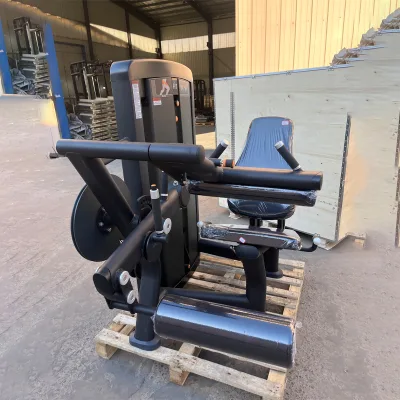
Procuring a folded manual leg curl machine requires careful attention to the specific mechanical design that allows for space-saving storage while maintaining structural integrity during intense use. Buyers must verify that the "folded" attribute refers to a functional state where the unit can be collapsed for transport or storage, yet remains stable in its "unfolded" operational configuration for commercial or home gym environments. The observed product data indicates that while some units are listed as "Unfolded," the capability to fold is a critical feature for facilities with limited floor space, ensuring the equipment can be reconfigured without compromising safety.
When evaluating listings, it is essential to distinguish between machines designed for static commercial use and those offering the flexibility of a foldable mechanism. The available data highlights models with specific dimensions like 15501300800mm, which suggests a substantial footprint when deployed. Buyers should confirm whether the folding mechanism involves complex hydraulic systems or simple manual latches, as this impacts the ease of operation for gym staff. Understanding the distinction between a permanently fixed unit and a truly foldable model is the first step in aligning procurement with the physical constraints of the intended facility.
Product Scope and Observed Listing Signals
The market for manual leg curl machines typically targets both commercial fitness centers and home gyms, with a strong emphasis on bodybuilding and muscle exercise applications. Observed listings indicate that these machines are designed for adult users and are generally unisex, catering to a broad demographic within professional clubs and community centers. The product scope often includes integrated gym trainer types that focus specifically on the leg and arm exercise parts, providing a targeted workout solution for strengthening the posterior chain. Buyers should look for listings that explicitly state "Commercial Use" or "Fitness Center" to ensure the equipment meets the durability standards required for high-traffic environments.
Signal analysis of current listings reveals a variety of configurations, including prone leg curl and seated extension variations, which serve different biomechanical needs. The presence of optional colors and customized logos suggests that suppliers are prepared to meet branding requirements for corporate gyms or private clubs. However, the "folded" aspect of the core keyword must be cross-referenced with the "Unfolded" status often seen in product descriptions to confirm the machine's actual storage capability. Buyers must scrutinize the "Appliance" field to ensure the machine is suitable for the specific environment, whether it is a home setup, a park, or a professional gymnasium, as the structural demands vary significantly between these settings.
Technical Specifications to Verify
Verifying the tube thickness and overall weight is critical for ensuring the machine can withstand the dynamic loads of repeated leg curl exercises. The observed data points to tube thicknesses of 2.7mm and product weights ranging from 128kg to 219kg, indicating a heavy-duty construction suitable for commercial applications. Buyers must confirm that the steel material and painting process, often described as two layers, provide sufficient corrosion resistance and durability for long-term use. The specific dimensions, such as 151010101480mm or 168010001630mm, must be measured against the available floor space to ensure the machine fits without obstructing movement or safety zones.
In addition to structural metrics, the weight stack and handle specifications are vital for user comfort and workout effectiveness. Listings mention weight stacks of 80kgs and handles made of aluminum alloy, which are standard features for providing smooth resistance and ergonomic grip. Buyers should verify that the "Manual" power source aligns with the intended user base, as manual machines rely on gravity and user effort rather than motorized assistance. The "Folded" attribute requires specific verification of the locking mechanisms and hinge points to ensure they do not fail under the stress of folding and unfolding, which is a unique stress point compared to fixed-frame equipment.
Compliance and Safety Documentation
Safety compliance is paramount when sourcing equipment for public or commercial use, and buyers must demand valid certification documents before finalizing any purchase. The observed product data lists CE and ISO certifications, which are essential indicators that the manufacturer adheres to international safety and quality standards. However, buyers should not assume all listed products automatically possess these certifications; instead, they must request current test reports and certificates of conformity for the specific model number, such as HQ008 or HQ4015, to ensure the documentation is valid and not generic.
Beyond general certifications, specific safety documentation regarding the folding mechanism and load-bearing capacity is necessary to mitigate liability risks. The "Eco-Friendly" feature noted in some listings suggests an environmental consideration, but this should not replace rigorous safety checks. Buyers must verify that the packing method, whether plywood case or stretch film, protects the machine during transit to prevent damage that could compromise safety features. Ensuring that the supplier provides clear assembly instructions and safety warnings in the target language is also a critical part of the compliance verification process for international procurement.
Cost Drivers and Commercial Terms
The cost of a folded manual leg curl machine is heavily influenced by the material quality, specifically the steel grade and tube thickness, as well as the complexity of the folding mechanism. Observed price ranges between 298 and 2646 USD reflect significant variations in build quality, weight capacity, and brand positioning. Buyers should understand that lower-priced units may use thinner steel or simpler folding latches, which could lead to higher maintenance costs over time. The "Optional" color and "Customized Logo" features also add to the base cost, requiring a clear budget allocation for branding and aesthetic customization.
Commercial terms such as MOQ and lead times are equally important factors in the total cost of ownership. The observed MOQ of 1 piece offers flexibility for small buyers, but bulk orders may yield better pricing. Buyers must clarify the shipping terms, as the "by Sea" and "Plywood Case" packing details indicate that freight costs will be a significant component of the final price. It is essential to negotiate Incoterms that clearly define who bears the risk during transit, especially for heavy items weighing up to 219kg. Understanding the full cost structure, including potential customs duties and inland freight, is necessary to avoid unexpected expenses that could erode the initial savings.
Supplier Qualification and Quality Control
Selecting a qualified supplier requires a thorough vetting process that goes beyond the basic product listing information. Buyers should verify the supplier's origin, such as Shandong Province, China, and assess their manufacturing capacity to ensure they can consistently produce high-quality units. The presence of specific model numbers like HQ-5516 and HQ048 suggests a standardized production line, but buyers must confirm that the supplier has a dedicated quality control team to inspect the welding, painting, and folding mechanisms before shipment. Requesting a factory audit or video tour can provide valuable insights into the production environment and the rigor of their quality assurance protocols.
Quality control checks should focus on the durability of the folding joints and the stability of the machine in its unfolded state. Since the product is designed for "Professional Gym and Club" use, the supplier must demonstrate a track record of supplying equipment that meets commercial durability standards. Buyers should request samples or third-party inspection reports to verify that the tube thickness and weight capacity match the specifications provided. Additionally, checking the supplier's response time and communication clarity is crucial, as these factors often correlate with their ability to handle post-sales support and warranty claims effectively.
Long-Term Procurement Checks
Establishing a long-term procurement strategy involves setting up regular maintenance schedules and monitoring the performance of the equipment over time. Buyers should create a checklist for inspecting the folding latches, weight stacks, and handle grips at regular intervals to prevent wear and tear from escalating into safety hazards. The "Body Building" and "Muscle Exercise" functions imply high usage rates, so proactive maintenance is essential to extend the lifespan of the machine. Keeping a record of the specific model numbers and their installation dates will help in tracking warranty periods and planning for future replacements or upgrades.
Finally, buyers must maintain a relationship with the supplier to ensure a steady supply of spare parts and technical support. The "Customized Logo Available" and "Optional" color features suggest that the supplier may offer ongoing customization services, which can be valuable for maintaining brand consistency. Establishing a clear communication channel for reporting defects or requesting parts will streamline the resolution process and minimize downtime. Regularly reviewing the supplier's performance against the initial quality control standards will help in making informed decisions about future procurement cycles and potential contract renewals.
FAQs
What is the typical weight of a folded manual leg curl machine?
The typical weight ranges from 128kg to 219kg depending on the specific model and construction. Heavier units like the HQ4015 weigh 219kg, while the HQ008 model weighs 128kg. This substantial weight ensures stability during intense leg exercises and prevents movement during use.
Can I customize the logo on a manual leg curl machine?
Yes, customized logo availability is a standard feature for many commercial-grade units. Buyers can request specific branding to align with their facility's identity. This customization option allows gyms and fitness centers to maintain a professional and cohesive look across their equipment inventory.
What certifications do these leg curl machines typically hold?
These machines typically hold CE and ISO certifications, ensuring compliance with international safety and quality standards. Some listings also mention RoHS compliance. These certifications verify that the equipment meets rigorous manufacturing requirements, providing assurance for commercial buyers and fitness center operators.
What is the standard packaging for shipping these machines?
Standard packaging usually involves plywood cases or crates to protect the equipment during transit. Some models may use stretch film for additional protection. This robust packaging ensures that the steel frame and components arrive safely, minimizing the risk of damage during international shipping.
What is the minimum order quantity for these machines?
The minimum order quantity is typically one piece, allowing for flexible purchasing options. This low MOQ enables buyers to test specific models or replace individual units without committing to large bulk orders. It supports both small gym setups and large-scale commercial procurement needs.
What materials are used in constructing these leg curl machines?
These machines are primarily constructed from steel with a tube thickness of 2.7mm or specific dimensions like 40*140mm. The steel frame provides durability and stability. Additional components may include aluminum alloy handles, ensuring a balance between strength, longevity, and user comfort during workouts.