Source Folded Safety Handrail for Bathroom for Elderly, Pregnant, and Commercial Use
Find and compare 30 Folded Safety Handrail for Bathroom options from verified Chinese manufacturers. Evaluate stainless steel and ABS models with varying lengths, weight capacities, and certifications to ensure reliable support for elderly, pregnant, and commercial applications.
Key considerations
Products List


L-Shaped Bathroom Handrail Stainless Steel Toilet Safety Grab Bar/Handrail
$13.10 - $17.90
MOQ: 200 Pieces


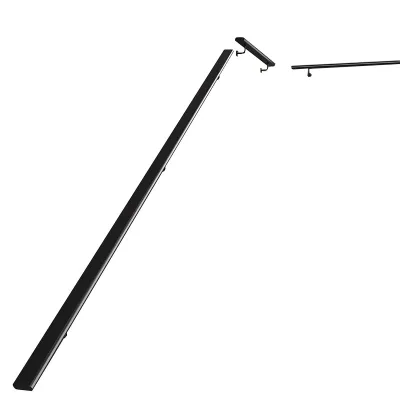
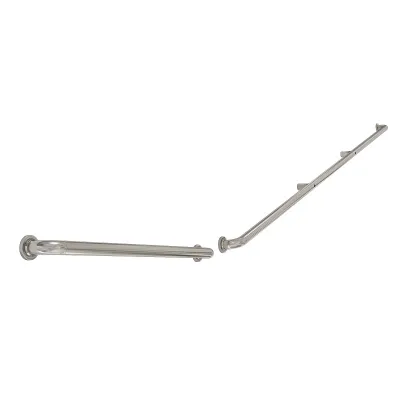


Htr-01 Bathroom Safety Handrail Height Width Toilet Safety Rails for Elderly
$52.25 - $57.75
MOQ: 100 Pieces
Comprehensive Sourcing Guide
Folded Safety Handrail for Bathroom Sourcing Guide
Sourcing folded safety handrails for bathroom environments requires a nuanced understanding of both mechanical engineering and regulatory compliance. These fixtures serve as critical assistive devices for elderly individuals, pregnant women, and those with limited mobility, transforming standard bathrooms into accessible spaces. Unlike fixed grab bars, folded variants offer dual functionality: they provide robust support when deployed and retract to minimize visual clutter and physical obstruction when not in use. This duality makes them particularly suitable for residential renovations, hospitality projects, and healthcare facilities where space optimization and aesthetic integration are as important as safety performance. Buyers must recognize that the "folded" mechanism introduces additional points of mechanical failure, necessitating rigorous scrutiny of hinge durability and locking stability during the procurement process.
The procurement landscape for these products is characterized by a wide variance in material quality, surface finishing, and load-bearing capacity. Suppliers often list products under generic terms such as "bathroom safety equipment" or "rehabilitation therapy supplies," which can obscure the specific engineering standards required for safe operation. Observed market data indicates a price range from $1 to $88.40 USD, reflecting significant differences in manufacturing complexity, material thickness, and certification levels. A low-cost option may utilize thin-walled steel with basic chrome plating, while premium options often feature stainless steel construction with reinforced internal hinges and comprehensive third-party testing. Procurement teams must align their budget constraints with the intended usage environment, ensuring that the selected handrail meets the specific weight capacity and durability requirements of the end-user demographic.
Product Scope and Observed Listing Signals
The product scope for folded safety handrails encompasses a variety of designs, including folding models, hard-fixed variants with retractable covers, and suction-based temporary solutions. Observed listings reveal distinct categories based on installation methods and structural integrity. For instance, some products are described as "suction cup bathroom shelves" or "grab bars" with specific dimensions like 300mm, 400mm, or 600mm, indicating a range of sizes to accommodate different bathroom layouts. Other listings highlight specific models such as the "AKH Grab Bar" or "Hard-H02," which may denote specialized engineering features like ABS surface finishing or specific folding mechanisms. Buyers should carefully distinguish between true structural handrails designed for weight-bearing and decorative or auxiliary fixtures that lack the necessary load-bearing certification.
Key listing signals include the presence of specific certifications, material specifications, and usage classifications. High-confidence facts indicate that many suppliers offer products certified under ISO, RoHS, ASTM, and GB standards, which are critical for verifying safety and environmental compliance. Materials range from stainless steel to steel with chrome or ABS finishes, each offering different benefits regarding corrosion resistance and aesthetic appeal. The "Folded" attribute appears in various forms, including "Unfolded," "Folded," and "Folding," which helps identify the operational state of the product. Additionally, usage classifications such as "Household," "Commercial," and specific applications for "Pregnant Woman" and "Elderly" provide insight into the intended load and frequency of use. Procurement teams should prioritize listings that explicitly state weight capacities, such as the observed 400lbs limit, to ensure alignment with safety standards.
Technical Specifications to Verify
Verifying technical specifications is paramount to ensuring the safety and longevity of folded safety handrails. The thickness of the material is a critical indicator of structural integrity, with observed specifications ranging from 1.0mm to 1.2mm. Thicker materials generally offer greater resistance to bending and deformation under load, making them preferable for high-traffic commercial environments or for users with higher weight capacities. Buyers should request detailed engineering drawings or material test reports to confirm that the stated thickness is consistent throughout the handrail body and, crucially, at the hinge points where stress concentrations are highest. Inconsistent thickness or thin-walled construction can lead to premature failure, posing a significant safety risk.
The diameter and surface finishing of the handrail also play vital roles in usability and safety. Observed diameters include 25mm, 32mm, and 38mm, with the latter two often providing a more comfortable and secure grip for users with limited hand strength or dexterity. Surface finishes such as chrome, stainless steel, or ABS affect both the aesthetic appeal and the friction coefficient of the handrail. A smooth, polished finish may be visually appealing but can become slippery when wet, whereas textured or matte finishes may offer better grip. Additionally, the folding mechanism itself must be evaluated for its locking stability. Buyers should verify that the handrail locks securely in both the deployed and folded positions, preventing accidental movement during use. The presence of OEM customization options allows for tailored solutions, but buyers must ensure that customizations do not compromise the structural integrity or certification status of the product.
Compliance and Safety Documentation
Compliance with international and regional safety standards is non-negotiable for bathroom safety equipment. Buyers must verify that suppliers provide valid certification documents, such as ISO, RoHS, ASTM, GB, EN, and CE marks, which attest to the product's adherence to quality, environmental, and safety regulations. These certifications are not merely decorative; they indicate that the product has undergone rigorous testing for load-bearing capacity, material toxicity, and durability. For instance, ASTM standards often specify specific test methods for grab bars, including static load tests and dynamic impact tests. Buyers should request copies of these test reports to verify that the product meets the required load ratings, such as the observed 400lbs capacity, and that the testing was conducted by an accredited third-party laboratory.
In addition to product-level certifications, buyers should inquire about the manufacturing process and quality control measures implemented by the supplier. The origin of the product, often listed as China or specific provinces like Zhejiang, can provide context for the manufacturing ecosystem, but it does not guarantee quality. Buyers should assess the supplier's commitment to consistent quality through their production processes, such as surface finishing techniques and assembly protocols. For products intended for commercial or healthcare use, compliance with local building codes and accessibility regulations, such as the ADA in the United States or similar standards in other regions, is essential. Buyers must ensure that the supplier is aware of and compliant with these specific regulatory requirements, as non-compliance can lead to legal liabilities and safety hazards.
Cost Drivers and Commercial Terms
The cost of folded safety handrails is influenced by several factors, including material quality, manufacturing complexity, and certification levels. Stainless steel construction, while more expensive than plain steel, offers superior corrosion resistance and longevity, making it a preferred choice for humid bathroom environments. The complexity of the folding mechanism also impacts cost, as precision engineering is required to ensure smooth operation and secure locking. Suppliers offering OEM customization may charge additional fees for tooling and design adjustments, which should be factored into the total cost of ownership. Buyers should also consider the packaging options, such as PE bags, cartons, blister packs, or custom boxes, as these can affect shipping costs and product protection during transit.
Commercial terms, including minimum order quantities (MOQ) and lead times, vary significantly among suppliers. Observed MOQs range from 1 to 300 units, providing flexibility for both small-scale residential projects and large commercial installations. Buyers should negotiate terms that align with their inventory management strategies and project timelines. Lead times are another critical consideration, as delays in production can impact project schedules. Buyers should request clear lead time estimates and inquire about the supplier's capacity to handle rush orders if necessary. Additionally, payment terms and warranty policies should be carefully reviewed to mitigate financial risk. A robust warranty policy indicates the supplier's confidence in their product's quality and durability, providing an additional layer of protection for the buyer.
Supplier Qualification and Quality Control
Qualifying suppliers for folded safety handrails requires a thorough assessment of their manufacturing capabilities, quality control systems, and track record. Buyers should verify the supplier's production facilities, including their equipment for metalworking, surface finishing, and assembly. Suppliers with in-house manufacturing capabilities often have better control over quality and lead times compared to those who rely on subcontractors. Buyers should also assess the supplier's quality control processes, such as incoming material inspections, in-process checks, and final product testing. A robust quality control system ensures that every unit meets the specified standards and performs reliably in real-world conditions.
In addition to manufacturing capabilities, buyers should evaluate the supplier's responsiveness and communication skills. Effective communication is essential for resolving technical queries, negotiating terms, and addressing any issues that arise during production or delivery. Buyers should request references or case studies from previous clients, particularly those in similar industries or with similar project scales. This information can provide valuable insights into the supplier's reliability and customer service quality. Furthermore, buyers should consider the supplier's commitment to continuous improvement and innovation. Suppliers who invest in research and development are more likely to offer advanced features, improved materials, and enhanced safety features, providing a competitive advantage for the buyer's projects.
Long-Term Procurement Checks
Long-term procurement success depends on establishing a sustainable relationship with suppliers and implementing ongoing performance monitoring. Buyers should conduct regular audits of supplier performance, tracking metrics such as on-time delivery, product quality, and customer satisfaction. These metrics provide objective data to evaluate the supplier's reliability and identify areas for improvement. Buyers should also maintain open lines of communication with suppliers to discuss market trends, technological advancements, and potential supply chain disruptions. Proactive engagement helps to mitigate risks and ensures that the buyer remains informed about changes that may impact their procurement strategy.
Additionally, buyers should periodically review their product specifications and requirements to ensure they remain aligned with evolving safety standards and user needs. As regulations and accessibility guidelines update, buyers must ensure that their sourced products continue to comply with the latest requirements. This may involve re-evaluating certifications, testing protocols, and material specifications. Buyers should also consider the lifecycle cost of the products, including maintenance, repair, and replacement costs. Investing in high-quality, durable products may result in higher initial costs but can lead to significant savings over time by reducing maintenance needs and minimizing the risk of safety incidents. By adopting a strategic, long-term approach to procurement, buyers can ensure the consistent delivery of safe, reliable, and cost-effective folded safety handrails for their bathroom projects.
FAQs
What materials are used for folded safety handrails?
These handrails are primarily constructed from stainless steel or steel to ensure durability and safety. The surface finishing often includes chrome plating or ABS coating to provide a waterproof and corrosion-resistant finish suitable for bathroom environments.
Can these handrails be customized for specific needs?
Yes, customization is available for various product attributes including dimensions and packaging. Buyers can request specific models like AKH or MK-2, and options for OEM branding are supported to meet unique commercial or household requirements.
Which certifications do these bathroom grab bars hold?
The products typically hold multiple certifications including ISO, RoHS, CE, ASTM, GB, and EN standards. These certifications ensure the safety equipment meets international quality and environmental requirements for use in both household and commercial settings.
How is the installation process handled for these bars?
Installation is designed for bathroom grab bars and often involves suction cup mechanisms or fixed mounting. The products are available in various standard lengths such as 300mm, 400mm, 600mm, and 900mm to fit different spatial requirements.
What is the weight capacity of these safety equipment units?
Specific models are rated to support a weight capacity of up to 400lbs. This high load-bearing capability ensures they are suitable for supporting elderly or pregnant individuals during rehabilitation therapy or daily bathroom activities.
Where are these folded safety handrails manufactured?
The products originate from China, with specific manufacturing locations noted in Zhejiang. They are packaged in PE bags, cartons, or blister packs before being shipped to international buyers for commercial or household use.