Source Folded Steel Circular Saw for Wood, Metal, and Stone Cutting
Explore 30 listings for the Folded Steel Circular Saw designed for wood, metal, and stone applications. Buyers can compare specifications like voltage, blade diameter, and drive modes to find the right tool for industrial or gardening tasks.
Key considerations
Products List


Precision Circular Sawing Metal Steel Cutting Circular Sawing Machine
$27000.00 - $27200.00
MOQ: 1 Pieces

Solid Square Pipe Machines Metal Circular Sawing Circular Saw Machine Steel Bar
$27300.00 - $27500.00
MOQ: 1 Pieces


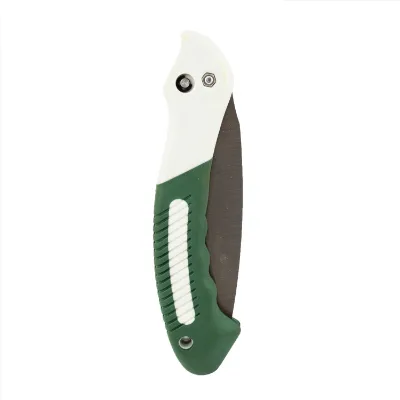


High Quality ISO 9001 Approved CNC tool cutting electric blade machine circular saw
$40000.00 - $45000.00
MOQ: 1 Pieces

Comprehensive Sourcing Guide
Strategic Sourcing Guide for Folded Steel Circular Saw Equipment
Understanding the Product Category and Core Attributes
The term "Folded Steel Circular Saw" in a B2B procurement context often refers to specific configurations of cutting tools where the structural integrity of the blade or the tool housing relies on steel construction, potentially involving folding mechanisms for storage or specific industrial applications. However, a rigorous analysis of available product data reveals a complex landscape where "folded" and "circular saw" attributes sometimes appear in distinct product listings or are used in specific contexts that require careful differentiation. The core keyword suggests a tool that combines the cutting action of a circular saw with a steel composition and a folding capability, yet the observed market data presents a diverse array of specifications that must be navigated to ensure the correct procurement of the intended asset.
In the current supply landscape, products labeled with "Circular Saw" often feature specific application profiles such as wood sawing, metal sawing, stone sawing, and tile or brick cutting. The material composition is frequently cited as steel, which aligns with the durability requirements for industrial cutting. However, the attribute "Folded" presents a significant variance in the data. Some listings explicitly state "Unfolded" as the state of the product, while others describe the product as "Folded" or imply portability through terms like "Portable" or "Hacksaw" types. This discrepancy indicates that buyers must not assume all circular saws in this category are foldable. Instead, the "folded" aspect may refer to the blade design, the packaging state, or a specific sub-category of portable tools that are designed to be collapsed for transport, distinct from the "Fixed" type saws also observed in the market.
The power source for these tools is predominantly electricity, with observed voltage ratings ranging from 127V to 220V, and specific models supporting 220-240V at 50Hz. This electrical diversity necessitates that buyers verify the voltage compatibility with their local infrastructure before placing orders. The power input for high-performance models can reach 2300W, with no-load speeds recorded at 3300r/Min, suggesting a capability for heavy-duty cutting tasks. The blade diameter is another critical variable, with observed ranges spanning from 4 inches up to 32 inches, and in some specialized contexts, extending to 62 inches. These dimensions directly influence the cutting capacity and the physical footprint of the equipment, making them essential parameters for facility planning.
Technical Specifications and Operational Parameters
When evaluating the technical specifications of a Folded Steel Circular Saw, the focus must shift from general descriptions to precise operational metrics. The data indicates that while some units are "Fixed" in nature, others are classified as "Portable" or "Automatic," driven by hydraulic modes in certain industrial settings. This variation implies that the "folded" attribute might be associated with the portability of the unit, allowing it to be moved or stored in a compact configuration, rather than a permanent installation. The processing method for these tools often involves "Transverse Saw" techniques or "Brazing" processes, particularly for blades that utilize Silicon Carbide or Triple Chip Grind (TCG) configurations.
The blade type is a crucial differentiator. Listings mention "Triple Chip Grind (TCG)" blades, which are specifically engineered for cutting solid wood and composite materials, offering a balance between cutting speed and edge durability. Other entries refer to "Grinding and cutting blades" with diameters ranging from 4 to 62 inches, suggesting a versatility that extends beyond simple wood cutting to include stone and metal applications. The material of the blade itself is consistently identified as steel, often reinforced with specific alloys or coatings to handle the abrasive nature of materials like stainless steel, carbon steel, and various stone types.
Voltage and frequency compatibility are non-negotiable technical constraints. The observed standards list rated voltages of 127V and 220V, with specific models operating at 220-240V 50Hz. Buyers must ensure that the electrical supply at their facility matches these specifications to prevent equipment damage or safety hazards. Furthermore, the rated input power of 2300W indicates a high-energy consumption profile, which may require dedicated circuits or industrial-grade power distribution systems. The no-load speed of 3300r/Min provides a baseline for the cutting efficiency, but the actual performance will depend on the material being cut and the blade geometry.
Compliance, Certification, and Safety Standards
In the realm of industrial machinery, compliance with safety and quality standards is paramount. While the provided data does not list specific third-party certifications (such as CE, UL, or ISO) for every product, it does reference "prod_standard" attributes that define the operational limits of the equipment. For instance, the rated voltage standards of 127V / 220V serve as a baseline for electrical safety compliance. Buyers should verify that the specific model they intend to purchase adheres to the electrical safety regulations of their target market, as these regulations can vary significantly between regions.
The origin of the products is another factor in compliance. The data indicates origins in China, specifically from provinces such as Huibei, Jiangxi, and Zhejiang. While these regions are known for manufacturing capabilities, buyers must ensure that the suppliers from these locations adhere to international quality management systems. The absence of explicit certification data in the product listings means that buyers cannot assume compliance based on the listing alone. Instead, they must request documentation from the supplier to confirm that the equipment meets the necessary safety standards for their jurisdiction.
Safety features, such as the "Handle Color" being described as "Colorful," may indicate specific ergonomic or safety color-coding standards, though this is not explicitly defined in the data. The "Warranty" period of 2 years for certain models suggests a manufacturer's confidence in the product's durability, which can be a proxy for quality assurance. However, buyers should treat warranty terms as a commercial agreement rather than a technical certification. The "Customization" availability noted in the data allows for tailored safety features or specifications, which can be leveraged to meet specific compliance requirements.
Cost Drivers and Pricing Dynamics
The pricing structure for folded steel circular saws is influenced by a multitude of factors, including the complexity of the design, the quality of materials, and the level of customization required. The observed price range is exceptionally broad, spanning from $0.50 to $70,000 USD. This wide variance reflects the diversity of the product category, which includes everything from simple hand-held tools to large, automated industrial machines. The lower end of the price spectrum likely corresponds to basic, manual, or portable units with standard specifications, while the higher end represents heavy-duty, automated, or highly customized systems with advanced features.
The Minimum Order Quantity (MOQ) is another significant cost driver. The observed MOQ range is from 1 to 1200 units. For buyers seeking small quantities, the unit cost may be higher due to the lack of economies of scale. Conversely, buyers who can commit to larger orders, potentially up to 1200 units, may negotiate more favorable pricing. The "Customized" attribute suggests that bespoke orders will incur additional costs, as they require specialized manufacturing processes and potentially longer lead times. The "Lead Time" of 30 days is a standard benchmark, but customized orders may extend beyond this period, impacting the overall cost of ownership and inventory management.
Packaging also plays a role in the final cost. The data mentions various packaging methods, including "1PC/Color Box, 4PCS/Carton," "Each with a color sleeve, 6pcs/inner box," and "Waterproof Packaging." These packaging requirements add to the logistical costs and must be factored into the total procurement budget. The "Wood/Carton" packaging for larger items indicates a need for robust protection during transit, which can influence the shipping costs and the overall price of the product.
Typical Applications and Industry Use Cases
The versatility of folded steel circular saws is evident in their wide range of applications. The data lists applications for wood saws, metal saws, stone saws, and tile/brick saws, indicating that these tools are designed to handle a diverse array of materials. The "Primary Applications" for some models are specifically noted as "Solid Wood," while others are optimized for "Stone" or "Metal Stainless Steel Carbon Steel." This versatility makes them suitable for a variety of industries, including construction, woodworking, masonry, and metal fabrication.
The "Use Place" attribute, listed as "Gardening" for some products, suggests that smaller, portable versions of these saws may be used in landscaping or outdoor maintenance tasks. However, the high power ratings and industrial specifications of other models point to their use in heavy-duty manufacturing environments. The "Function" of "Metal Tube Metal Pipe Cutting" highlights a specific niche application where precision and durability are critical. The "Drive Mode" of "Hydraulic" for certain units suggests that these saws are integrated into larger automated systems, capable of handling high-volume production lines.
The "Blade Dia" of 235mm and the range of 4 to 62 inches indicate that these tools can be scaled to fit different project requirements. Smaller blades are ideal for detailed work or portable applications, while larger blades are necessary for cutting thick materials or large-scale industrial projects. The "Type" of "Hacksaw" and "Circular Saw" further diversifies the applications, allowing buyers to select the tool that best matches their specific cutting needs.
Supplier Evaluation and Quality Control Strategies
Evaluating suppliers for folded steel circular saws requires a meticulous approach to ensure that the products meet the buyer's quality and performance expectations. The "Customization" availability is a key indicator of a supplier's flexibility and capability to meet specific requirements. Buyers should prioritize suppliers who offer customization options, as this suggests a higher level of technical expertise and a willingness to collaborate on product development. The "Condition" of the products being "New" is a basic requirement, but buyers should also verify the manufacturing process, such as "Brazing" or "Transverse Saw" methods, to ensure that the production techniques align with industry best practices.
Quality control should be a central part of the procurement strategy. Buyers should request detailed specifications, including the "Material" composition, "Blade Type," and "Standard" ratings. The "Warranty" of 2 years for certain models can be a useful metric for assessing supplier confidence, but it should be supplemented with independent quality audits or third-party testing. The "Origin" of the products, specifically from provinces like Huibei, Jiangxi, and Zhejiang, should be verified to ensure that the suppliers have a proven track record of quality manufacturing.
The "Packaging" methods, such as "Waterproof Packaging" or "Wood/Carton," should be evaluated to ensure that the products will arrive in pristine condition. The "Lead Time" of 30 days is a standard benchmark, but buyers should confirm that the supplier can meet this timeline consistently, especially for customized orders. The "MOQ" range of 1 to 1200 units should be considered in the context of the buyer's inventory needs and budget constraints.
Long-Term Procurement and Lifecycle Management
Long-term procurement of folded steel circular saws involves considerations beyond the initial purchase price. The "Warranty" period, typically 2 years, provides a baseline for the expected lifespan of the product, but buyers should plan for ongoing maintenance and replacement costs. The "Customization" feature allows for future upgrades or modifications, which can extend the useful life of the equipment. The "Power Source" of electricity and the "Voltage/Frequency" specifications must be compatible with the buyer's long-term infrastructure plans to avoid costly retrofits.
The "Application" versatility of these tools suggests that they can be adapted to changing production needs, making them a valuable asset for businesses with evolving requirements. The "Material" of steel ensures durability, but buyers should plan for regular inspections and maintenance to prevent wear and tear. The "Lead Time" of 30 days should be factored into the supply chain planning to ensure that replacement parts or additional units are available when needed.
In conclusion, sourcing folded steel circular saws requires a comprehensive understanding of the product attributes, technical specifications, and market dynamics. By carefully evaluating the data and adhering to strict quality control standards, buyers can secure reliable equipment that meets their operational needs and supports long-term business success. The diversity of the product category, from portable gardening tools to heavy-duty industrial machines, offers a wide range of options for buyers to choose from, provided they conduct thorough due diligence and verify all specifications against their specific requirements.
FAQs
Can I find folded steel circular saws with customized specifications?
Yes, customization is available for these tools to meet specific needs. Buyers can request tailored features such as specific blade types or voltage ratings to match their operational requirements and facility standards.
What is the typical lead time for ordering these saws?
The standard lead time for these products is 30 days from order confirmation. Customized orders may require additional time beyond this baseline, so buyers should confirm delivery schedules before finalizing procurement.
Which voltage standards do these circular saws support?
These saws commonly support rated voltages of 127V or 220V. Some specific models operate at 220-240V with a 50Hz frequency, so buyers must verify compatibility with their local electrical infrastructure before purchasing.
How are these saws typically packaged for shipping?
Packaging varies by product, including options like color boxes, inner boxes with sleeves, or waterproof packaging. Larger items often use wood or carton packaging to ensure safe transit and protection during international shipping.
What materials are used for the blades of these saws?
The blades are primarily constructed from steel, often featuring specific alloys or coatings. Some specialized blades utilize Silicon Carbide or Triple Chip Grind configurations to handle materials like stone, metal, and solid wood effectively.
Can these saws be used for cutting metal tubes and pipes?
Yes, specific models are designed with functions for cutting metal tubes and pipes. These units often feature hydraulic drive modes and are suitable for processing stainless steel and carbon steel in industrial fabrication settings.
What is the warranty period for these circular saw equipment?
Certain models come with a warranty period of 2 years from the manufacturer. This warranty serves as a commercial agreement indicating confidence in durability, though buyers should verify specific terms with the supplier.