Source Folding Anti-Aging Fishing Trap for Crab, Shrimp, and Octopus
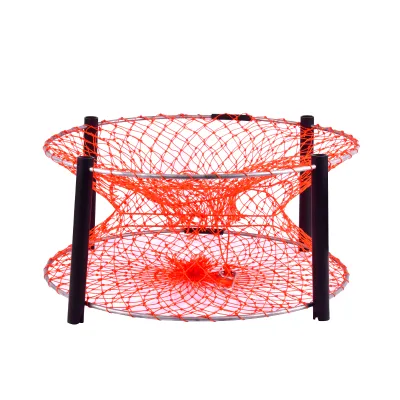
Explore 30 verified listings for a folding anti-aging fishing trap designed for catching crabs, shrimp, and octopus. Buyers can compare specifications including mesh size, frame material, and dimensions to find the right solution for their needs.
Key considerations
Products List


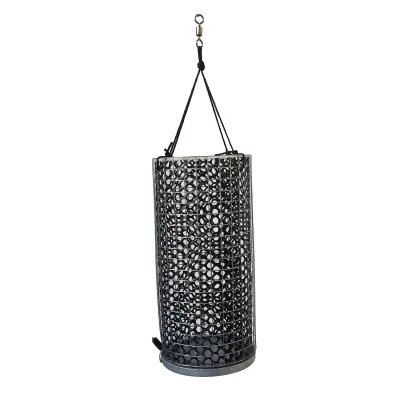
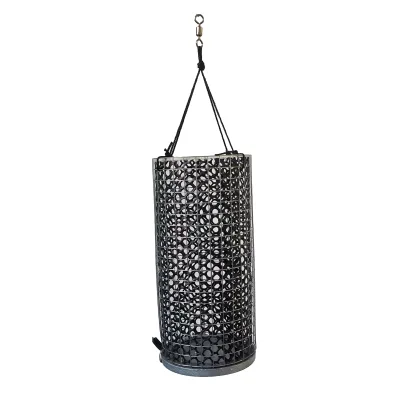
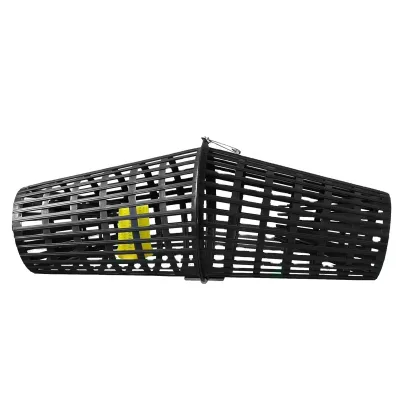
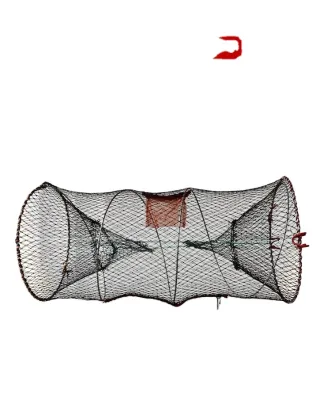
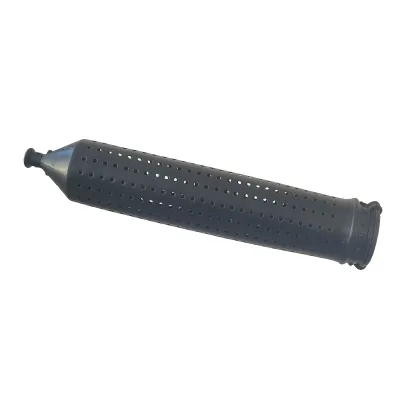
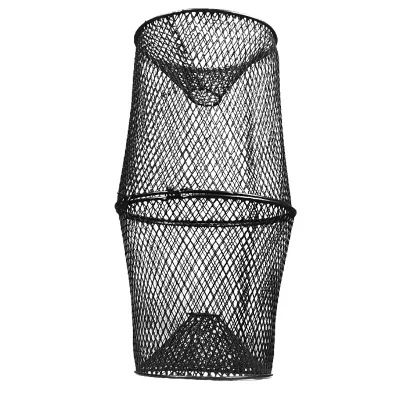


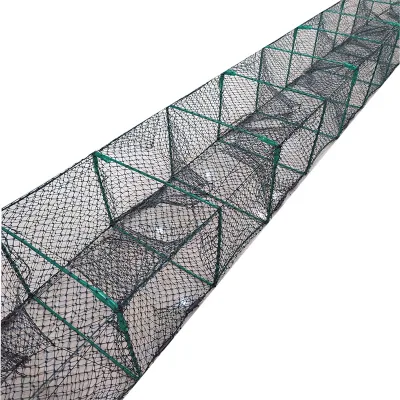
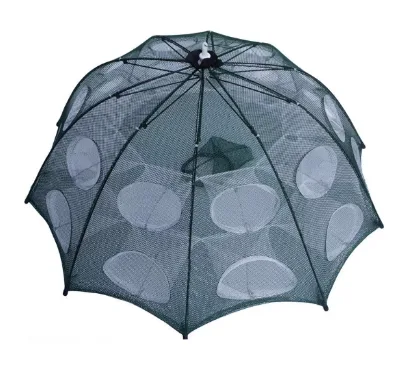
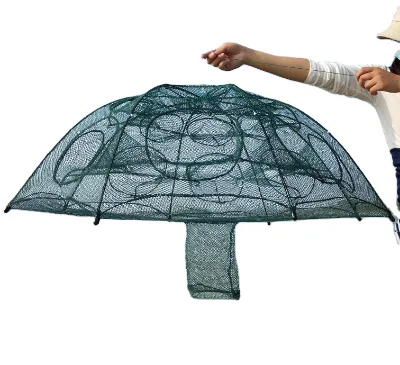
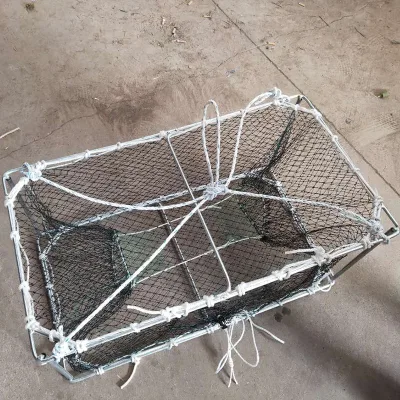

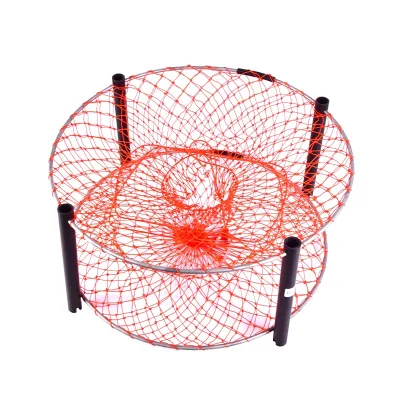
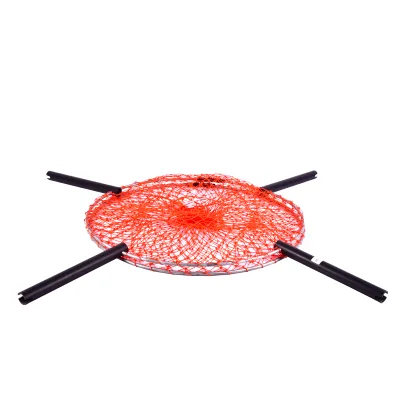

Comprehensive Sourcing Guide
Strategic Sourcing Guide for Folding Anti-Aging Fishing Traps
The global demand for efficient, durable, and environmentally sustainable fishing equipment has driven a significant shift toward specialized trapping solutions. For procurement professionals seeking "folding anti-aging fishing traps," the market offers a diverse array of products designed to optimize catch rates while minimizing material degradation. This guide synthesizes available product attributes and industry standards to provide a disciplined framework for sourcing these specific assets. The focus remains on verifying technical capabilities, understanding cost structures, and ensuring long-term operational reliability without relying on unverified marketing claims.
Technical Specifications and Material Composition
When evaluating folding traps, the primary technical differentiator lies in the interplay between the frame material, the netting composition, and the folding mechanism. The supplied data indicates a variety of frame constructions, ranging from galvanized steel to plastic-coated steel and even plastic frames. Galvanized steel is frequently cited as a standard for durability, offering resistance to corrosion in saline environments, which is critical for the "anti-aging" requirement. Plastic-coated variants provide an additional layer of protection against rust, though the integrity of the coating must be verified to ensure it does not chip easily under stress.
The netting material is equally critical. Observations from the product pool highlight the use of polyethylene (PE) and high-density polyethylene (HDPE). These materials are selected for their resistance to UV degradation and chemical breakdown, directly addressing the anti-aging mandate. The netting specifications vary significantly, with mesh sizes ranging from 1.2 cm to 4 cm, and denier counts indicating the thickness of the filaments. Some entries specify a denier depth of 10 or 23, paired with knot types such as single or multifilament styles. The "folding" attribute is a key functional specification, allowing for compact storage and transport. This is often achieved through a hinge or collapsible frame design, with some models explicitly listing "Folding" as a primary advantage.
| Feature Category | Observed Specifications | Sourcing Verification Point |
|---|---|---|
| Frame Material | Galvanized Steel, Plastic Coated, Steel | Verify coating thickness and galvanization grade for saltwater resistance. |
| Net Material | PE Net, Polyethylene, HDPE | Confirm UV stabilizer content and tensile strength ratings. |
| Mesh Size | 1.2 cm, 4 cm, 1-3 cm range | Match mesh size to target species (crab, shrimp, octopus) to prevent escape. |
| Folding Mechanism | Cylindrical, Rectangular, Round shapes | Test hinge durability and locking mechanisms for repeated use. |
| Weight | 1 kg, 1.5 kg, 2 kg, 2.5 kg | Ensure weight is balanced for ease of deployment and retrieval. |
Compliance, Certification, and Standard Verification
In the B2B procurement of fishing gear, compliance is not merely a regulatory checkbox but a measure of product consistency and safety. The provided data references specific product standards, such as dimensions like 30x60cm, 62L45W20Hcm, and 88L58W30Hcm. These dimensions serve as the baseline for standardization. However, buyers must exercise caution; a standard listed as "30x60cm" may refer to a specific model (e.g., CT-1 or SH 4E Crab Trap) rather than a universal industry norm.
Buyers should verify that the supplier adheres to the stated dimensions and that the "anti-aging" claims are backed by material testing data. While the supplied text does not list specific third-party certifications (such as ISO or specific marine safety standards), the presence of "Customization: Available" suggests that suppliers are capable of meeting bespoke requirements. Procurement teams must request documentation proving that the HDPE or PE materials used meet relevant environmental and durability standards. It is essential to confirm that the "Folding" mechanism does not compromise the structural integrity required by local fisheries regulations, which often dictate trap dimensions and mesh sizes to prevent bycatch.
Cost Drivers and Pricing Dynamics
The pricing landscape for folding anti-aging fishing traps is highly variable, with observed ranges spanning from $0.20 to $2,000 USD. This wide disparity is driven by several factors. The most significant cost driver is the frame material; traps constructed with galvanized steel or heavy-duty plastic-coated frames will command a higher price than those with basic steel or plastic frames. The complexity of the folding mechanism also influences cost, as precision engineering is required to ensure the trap folds and unfolds reliably over thousands of cycles.
Additionally, the netting specifications play a pivotal role. Traps utilizing high-denier multifilament nets with specific knotting processes (such as the "Knotting" process noted in the data) will be more expensive than those with simpler monofilament constructions. The "Bait Bag" inclusion is another variable; models that come with integrated bait bags or specialized entry points for specific species like octopus or shrimp may carry a premium. The Minimum Order Quantity (MOQ) also affects the unit price, with observed ranges from 1 to 1,200 units. Buyers should note that larger orders often unlock better pricing tiers, but the total investment must be weighed against the expected lifespan of the equipment.
Typical Applications and Species Targeting
The versatility of folding traps is evident in the diverse applications observed in the product data. These traps are designed for a wide range of marine life, including crabs, shrimp, and octopus. The "Fish Part: Trap" attribute confirms their primary function, while specific models are tailored for distinct species. For instance, the "crab trap" models often feature rectangular or cylindrical shapes with mesh sizes around 4 cm, suitable for larger crustaceans. Conversely, "shrimp trap" models may have smaller mesh sizes, such as 1.2 cm, to prevent the escape of smaller specimens.
The "Octopus Trap" category highlights the need for specialized designs, often incorporating specific entry mechanisms and dimensions like 37x37x11cm. The "Usage" attribute explicitly mentions "Catching Crab," but the presence of octopus and shrimp models indicates a broader market applicability. Buyers must align the trap's shape and mesh size with their target catch. For example, a cylindrical trap might be preferred for deep-water deployment, while a rectangular trap could be more suitable for shallow, rocky environments. The "Folding" advantage is particularly beneficial for these varied applications, as it allows for easy transport to remote fishing locations and efficient storage on vessels with limited space.
Supplier Evaluation and Production Capabilities
Selecting a reliable supplier for folding anti-aging fishing traps requires a rigorous evaluation of their production capabilities and quality control processes. The data indicates that the "Making Process" is primarily "Knotting," which is a traditional and robust method for securing netting. However, the consistency of this process can vary between suppliers. Buyers should inquire about the specific knotting techniques used, such as "Single" or "Multifilament" styles, and how these affect the trap's longevity.
The "Customization: Available" attribute is a strong indicator of a supplier's flexibility. It suggests that the manufacturer can adapt product models, such as the "SH 4E Crab Trap" or "CT-1," to meet specific buyer requirements regarding dimensions, colors (e.g., "Yellow"), or packing methods. When evaluating suppliers, procurement teams should request samples to test the folding mechanism and the durability of the netting. It is also crucial to verify the "prod_packing" details, which range from standard cartons to "as Required" custom packaging. This flexibility can impact logistics costs and the protection of the product during transit.
Quality Control and Long-Term Procurement Considerations
Ensuring the long-term viability of the fishing trap investment requires a robust quality control (QC) strategy. The "anti-aging" claim must be substantiated through material testing. Buyers should verify that the HDPE or PE materials used are UV-stabilized and resistant to saltwater corrosion. The "Frame" material, whether galvanized steel or plastic-coated, must be inspected for uniformity in coating and resistance to chipping or peeling.
Long-term procurement considerations also include the availability of replacement parts and the scalability of the supply chain. Given the "Customization" capability, suppliers should be able to provide consistent replacements for worn-out nets or damaged frames. The "Weight" specifications, ranging from 1 kg to 2.5 kg, should be consistent across batches to ensure predictable handling characteristics. Furthermore, the "Standard" dimensions must be strictly adhered to; any deviation could lead to regulatory issues or reduced catch efficiency. Buyers should establish clear acceptance criteria based on the observed specifications, such as mesh size tolerances and frame strength, to maintain quality over multiple procurement cycles.
Conclusion
Sourcing folding anti-aging fishing traps requires a meticulous approach that balances technical specifications, material durability, and supplier reliability. The market offers a wide range of options, from simple rectangular traps to complex octopus-specific designs, each with unique attributes regarding frame material, netting type, and folding mechanisms. By focusing on verified standards, understanding the drivers of cost, and rigorously evaluating supplier capabilities, procurement professionals can secure high-quality equipment that meets the demanding conditions of marine fishing. The key lies in aligning the specific product attributes—such as mesh size, frame construction, and knotting process—with the operational needs of the fishing operation, ensuring a sustainable and profitable investment.
FAQs
What frame materials are used for folding anti-aging fishing traps?
Frames are constructed from galvanized steel, plastic-coated steel, or plastic. Galvanized steel offers superior corrosion resistance for saltwater environments, while plastic-coated variants provide an extra protective layer against rust and physical damage during extended use.
Which mesh sizes are available for different target species?
Mesh sizes range from 1.2 cm to 4 cm depending on the specific model. Smaller 1.2 cm meshes are suitable for shrimp traps, while larger 4 cm meshes are designed for catching crabs to prevent escape and ensure efficient capture rates.
Can these traps be customized for specific dimensions or colors?
Yes, customization is available for dimensions, colors, and packing requirements. Buyers can request specific sizes like 30x60cm or 62L*45W*20Hcm, and options include yellow coloring or custom carton packaging to meet unique operational needs.
How does the folding mechanism benefit trap storage and transport?
The folding design allows for compact storage and easy transport on vessels with limited space. This feature is particularly advantageous for remote fishing locations, enabling efficient deployment and retrieval without requiring large storage areas for rigid structures.
What netting materials ensure durability and anti-aging performance?
Traps utilize polyethylene (PE) and high-density polyethylene (HDPE) netting for resistance to UV degradation. These materials are selected to withstand harsh marine conditions and chemical breakdown, ensuring the netting remains functional over long operational periods.
What is the typical weight range for these folding fishing traps?
Weights typically range from 1 kg to 2.5 kg depending on the model and size. This weight balance is designed to facilitate easy handling during deployment and retrieval while maintaining the structural integrity required for effective trapping operations.
Which knot types are used in the making process of these nets?
The making process primarily employs single knot types with multifilament or monofilament styles. This knotting technique secures the netting firmly to the frame, ensuring durability and preventing net slippage during high-stress fishing activities.