Source Vacuum Formed ABS Animal Container for Feeding, Storage, and Watering
Find 30 Vacuum Formed ABS Animal Container options tailored for livestock feeding, water storage, and general animal housing. Compare customized sizes, eco-friendly materials like PP and HIPS, and OEM services from verified manufacturers to find the right solution for your agricultural needs.
Key considerations
Products List
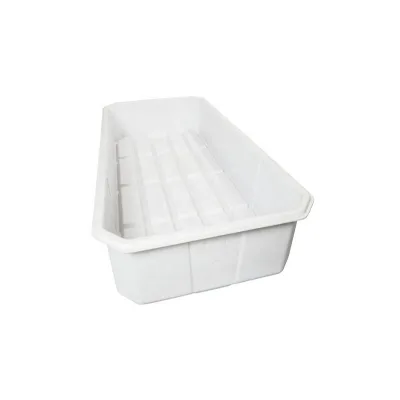


12L Large Vacuum Pet Kibble Storage Container for Kitchen Pet Products
$52.88 - $58.18
MOQ: 1000 Pieces
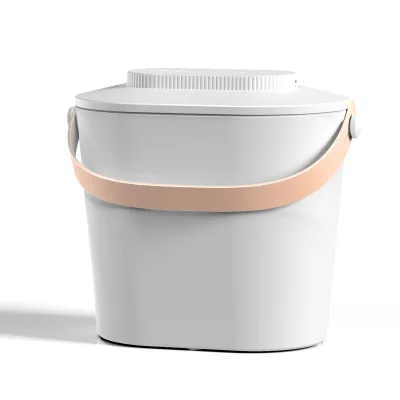



12L Airtight Vacuum Grain Container for Pets Food Storage Made-in China Price
$25.50 - $28.00
MOQ: 20 Pieces


Custom Thick Thermoforming Container Large ABS Vacuum Forming Plastic Tubs
$6.00 - $7.00
MOQ: 500 Pieces



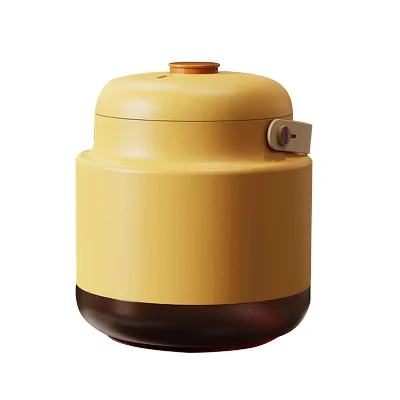

Airproof Storage Container Plastic Vacuum Container Air Tight Container
$0.50 - $1.00
MOQ: 1000 Pieces


Comprehensive Sourcing Guide
Vacuum Formed ABS Animal Container Sourcing Guide
Sourcing vacuum-formed ABS animal containers requires a clear understanding of the manufacturing process and material properties. ABS plastic offers high impact resistance and durability, making it suitable for large animal housing or feeding applications. The vacuum forming process allows for the creation of complex shapes and large surface areas with consistent wall thickness. Buyers must verify that the supplier uses high-quality ABS resin to ensure the final product meets structural integrity standards. This guide outlines the key considerations for selecting the right supplier and product specifications.
The market offers a variety of options, including customized sizes and colors. Observations indicate that suppliers often provide OEM/ODM services, allowing for brand-specific designs. It is crucial to distinguish between different plastic types, as some listings may mention PP, PS, or PET alongside ABS. Buyers should confirm the exact material composition to avoid receiving products that do not meet their specific durability or chemical resistance requirements. Understanding these nuances helps in making informed procurement decisions.
Product Scope and Observed Listing Signals
The observed product range includes large-sized animal containers and food storage trays, often marketed with features like eco-friendliness and recyclability. Listings frequently highlight customization options, with sizes ranging from standard formats to fully bespoke dimensions. The color palette typically includes white and black, catering to different aesthetic and functional preferences. Buyers should note that while ABS is the core keyword, some suppliers may list compatible materials such as PP or HIPS, which may have different performance characteristics.
Production capabilities vary, with some suppliers offering automatic grade machinery and high production speeds of 20-30 cycles per minute. The single package size is often listed around 50x10x60 cm, indicating the logistics footprint for individual units. Gross weight observations suggest a substantial build, with some items weighing up to 2.000 kg per unit. These signals help buyers estimate shipping costs and storage requirements. It is essential to cross-reference these physical attributes with the actual product samples to ensure consistency.
Technical Specifications to Verify
Thickness is a critical specification, with observed ranges from 1 to 12 mm. Buyers must verify the exact thickness for their specific application, as thinner walls may compromise durability for large animals. The forming size is often standardized, such as 710x600 mm, but custom molds can accommodate different dimensions. It is important to confirm whether the supplier uses a four-column machine, which typically provides better stability and uniformity in the formed product. This mechanical detail can significantly impact the quality of the final container.
Voltage and power requirements are relevant if the containers include integrated features, such as heating or lighting. Observed specifications mention DC5V 3W or AC 110-240V options, indicating potential electronic integration. Buyers should clarify if the product is purely passive or if it includes active components. Additionally, the production time of 5-7 days suggests a relatively quick turnaround, but this may vary based on order volume and customization complexity. Verifying these technical details ensures the product meets operational needs.
Compliance and Safety Documentation
Certification status is a key factor in supplier selection, with ISO certification observed in some listings. Buyers should request valid certification documents to verify the supplier’s quality management systems. While specific safety standards for animal containers may vary by region, general compliance with material safety regulations is essential. It is important to confirm that the ABS plastic used is free from harmful additives and meets food-grade standards if the containers are used for feeding or water storage.
Documentation should also include material safety data sheets (MSDS) for the plastics used. Buyers should verify that the supplier adheres to environmental regulations, especially given the eco-friendly and recyclable claims often made. Ensuring that the production process minimizes waste and energy consumption can be a value-add for sustainability-focused procurement. Clear documentation helps in mitigating legal and reputational risks associated with non-compliant products.
Cost Drivers and Commercial Terms
Pricing in the observed range spans from $0.03 to $120,000, reflecting the diversity from small components to large machinery or bulk orders. The minimum order quantity (MOQ) typically ranges from 1 to 100,000 pieces, with some listings specifying an MOQ of 500 pcs. Buyers should negotiate based on volume tiers to optimize unit costs. Shipping terms such as FOB, FCA, and CIF are common, influencing the final landed cost. Understanding these commercial terms is vital for accurate budgeting.
The cost is also driven by the complexity of the mold and the customization level. Customized sizes and colors may incur additional setup fees. Buyers should inquire about mold ownership and maintenance responsibilities. Additionally, the after-sales service provided, such as engineers available for overseas machinery service, can add value but may affect the initial price. Clear communication on these cost drivers helps in avoiding hidden expenses.
Supplier Qualification and Quality Control
Supplier location is often in Guangdong or Jiangsu, China, regions known for manufacturing expertise. Buyers should verify the supplier’s production capacity and lead times to ensure timely delivery. The availability of OEM/ODM services indicates flexibility, but buyers must assess the supplier’s ability to maintain quality across different product lines. Requesting references or case studies can provide insight into the supplier’s reliability and consistency.
Quality control processes should be clearly defined, including inspection protocols for thickness, dimensions, and surface finish. Buyers should consider implementing pre-shipment inspections to catch defects early. The supplier’s commitment to continuous improvement and customer support is also important. Establishing a strong relationship with a qualified supplier can lead to better pricing and priority service. Due diligence in this area reduces the risk of supply chain disruptions.
Long-Term Procurement Checks
Long-term success depends on the supplier’s ability to scale and adapt to changing market demands. Buyers should monitor the supplier’s financial stability and operational efficiency. Regular performance reviews based on delivery times, product quality, and responsiveness are essential. Building a diversified supplier base can mitigate risks associated with single-source dependencies. Continuous engagement with suppliers fosters innovation and cost-saving opportunities.
Sustainability practices should be evaluated over time, as regulatory and consumer expectations evolve. Buyers should encourage suppliers to adopt greener manufacturing processes and materials. Tracking the lifecycle of the products, including end-of-life disposal or recycling, can enhance brand reputation. By focusing on long-term partnerships, buyers can secure a reliable supply of high-quality vacuum-formed ABS animal containers. This strategic approach ensures sustained value and competitive advantage.
FAQs
What materials are suitable for vacuum forming these containers?
The suitable materials include PP, PS, PET, PVC, HIPS, PLA, HDPE, and PE. While the product name mentions ABS, the specifications list these alternative plastics for the vacuum forming process to ensure durability and eco-friendly properties for animal feeding or storage applications.
Can I customize the size and thickness of the plastic trays?
Yes, customization is available for both size and thickness. The standard forming size is 710 by 600 mm, but the thickness can range from 1 to 12 mm. You can request specific dimensions to fit your unique animal container requirements through the OEM or ODM service options.
What is the minimum order quantity for these vacuum formed products?
The minimum order quantity is 500 pieces for standard items. However, the observed range across listings extends from 1 to 100,000 units depending on the specific supplier and customization level. You should verify the exact MOQ with the manufacturer before placing your order.
How long does production take for customized vacuum formed containers?
Production time typically takes 5 to 7 days for standard orders. The manufacturing process involves molding and cutting with a speed of 20 to 30 cycles per minute. Lead times may vary based on the complexity of the customization and the specific factory location in China.
Which certifications do these plastic animal containers hold?
The products hold ISO certification to ensure quality standards. This certification applies to the manufacturing process and the final plastic trays used for feeding or storage. Buyers should request specific certification documents from the supplier to confirm compliance with their regional safety requirements.
What shipping terms are available for these large plastic trays?
Available shipping terms include FOB, FCA, and CIF for international delivery. The single package size is 50 by 10 by 60 cm with a gross weight of 2 kg. These terms define the responsibility for costs and risks during the transport of your vacuum formed animal containers.
Are engineers available for overseas service of the machinery?
Yes, engineers are available to service the machinery overseas. This after-sales service ensures that the vacuum forming equipment remains operational for your production needs. It is a key feature for buyers who require long-term support for their manufacturing lines in different regions.