Source Folding Table Options for Beach, Dining, and Training
Explore 30 Folding Table listings from China, featuring metal, aluminum, and plastic materials. Compare models like LY-2023-28 and THT96 for beach, dining, and training uses. Find customized options with various sizes and finishes to meet your specific sourcing needs; compare the available evidence and request quotations based on your requirements.
Key considerations
Products List


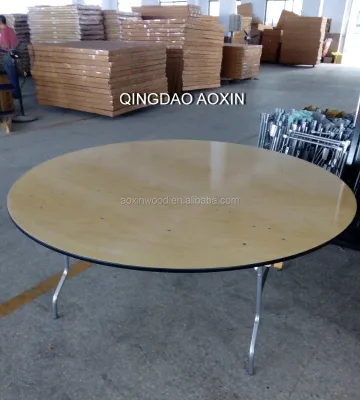


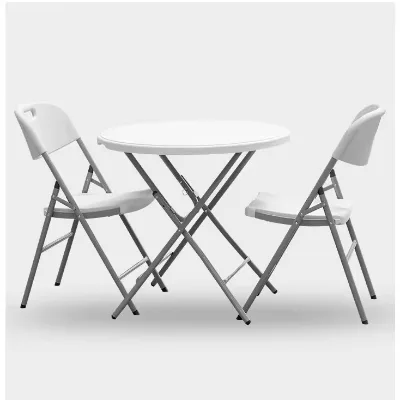


Comprehensive Sourcing Guide
Folding Table Sourcing Guide
Sourcing folding tables requires a nuanced understanding of material properties, structural integrity, and intended usage environments. Buyers must distinguish between lightweight portable units for outdoor events and heavy-duty configurations for institutional settings. The market offers diverse options ranging from aluminum alloy frames to plastic tops, each presenting distinct trade-offs in durability, weight, and cost. Understanding these material differences is the first step in aligning product selection with specific operational needs, ensuring that the procurement strategy supports both immediate functional requirements and long-term asset management goals.
Procurement decisions are further complicated by the variety of folding mechanisms and design styles available. From fixed rotary joints to complex flap-stay solutions, the mechanical components dictate the table’s lifespan and ease of use. Additionally, aesthetic considerations such as color, style, and finish play a significant role in brand alignment for hospitality or corporate clients. Buyers should evaluate how these design elements interact with the table’s primary function, ensuring that the chosen model not only folds efficiently but also meets the visual and ergonomic standards of the end-user environment.
Product Scope and Observed Listing Signals
The current market landscape for folding tables reveals a wide spectrum of product types, including beach chairs, dining tables, and conference tables, indicating a broad application scope. Observed listings highlight specific models such as LY-2023-28 and LY-2023-30, which feature metal and aluminum alloy constructions respectively, catering to different weight and durability requirements. These products often come with customization options, allowing buyers to tailor specifications to their unique needs. The presence of both new and used conditions in the market suggests a dynamic secondary market, though new products typically offer better warranty coverage and consistent quality control.
Listing signals also indicate a strong emphasis on portability and storage efficiency, with many products designed to be folded and packed in compact cartons. For instance, certain models are packed four pieces per carton, optimizing shipping volume and reducing logistics costs for bulk orders. Other items, like the THT96 model, include carry bags, enhancing their appeal for mobile or temporary setups. These packaging details are critical for buyers to consider when calculating total landed costs, as efficient packing can significantly impact freight expenses and storage requirements at the destination.
Technical Specifications to Verify
Verifying technical specifications is crucial to ensure the Folding Table meets the intended load-bearing and dimensional requirements. Buyers should closely examine the standard dimensions provided, such as 48cm x 48cm x 43cm for certain models or larger configurations like 1200600750mm for conference tables. The material composition, whether it be aluminum alloy, plastic, or iron, directly influences the table’s weight capacity and resistance to environmental factors. It is essential to confirm the frame construction, such as aluminum frames with aluminum tops, to ensure consistency in durability and aesthetic finish across the entire unit.
Additionally, the folding mechanism and joint types must be scrutinized for reliability and ease of operation. Specifications like "Fixed Rotary" or "Soft Close" solutions indicate specific mechanical behaviors that affect user experience and safety. Buyers should also verify the packing dimensions and quantity per carton to plan for storage and handling logistics. For example, knowing that a model is packed one piece per carton versus four pieces per carton affects warehouse space utilization and handling equipment requirements. These technical details form the backbone of a successful procurement decision, preventing mismatches between product capabilities and operational expectations.
Compliance and Safety Documentation
Compliance with safety and environmental standards is a non-negotiable aspect of sourcing folding tables, particularly for products used in public or institutional settings. Buyers must request documentation that verifies the finishing processes, such as environmental-friendly finishes, to ensure compliance with local regulations regarding volatile organic compounds and hazardous materials. While specific standards like EN581 or ISO9001 are mentioned in background contexts, buyers should verify the actual certification status of the supplier and the product line, rather than assuming compliance based on general market references.
Safety features, such as stable folding mechanisms and secure locking systems, are critical to prevent accidents during use. Buyers should inquire about the guarantee periods offered, such as five-year warranties, which often reflect the manufacturer’s confidence in the product’s durability and safety. Additionally, understanding the condition of the product, whether new or used, is vital for assessing residual safety risks. For used items, thorough inspection reports or third-party verification may be necessary to ensure that structural integrity has not been compromised over time, protecting the buyer from liability issues.
Cost Drivers and Commercial Terms
Cost drivers for folding tables include material selection, manufacturing complexity, and packaging efficiency. Aluminum alloy frames, while more expensive than plastic or iron alternatives, offer superior strength-to-weight ratios and corrosion resistance, justifying the higher price point for long-term use. Customization options, such as specific colors or styles, can also impact pricing due to the additional setup and production time required. Buyers should analyze the total cost of ownership, considering not just the unit price but also the longevity and maintenance requirements of the chosen material and design.
Commercial terms, including minimum order quantities (MOQ) and payment conditions, significantly influence the procurement strategy. Observed MOQ ranges vary widely, from single units to thousands, allowing flexibility for both small-scale and large-scale buyers. Packaging details, such as export-standard carton packing, can affect freight costs and insurance premiums. Buyers should negotiate terms that align with their cash flow and inventory management strategies, ensuring that the commercial agreement supports their operational efficiency and financial stability without compromising on product quality or delivery timelines.
Supplier Qualification and Quality Control
Supplier qualification is a critical step in mitigating procurement risks, requiring a thorough assessment of the supplier’s manufacturing capabilities and quality control processes. Buyers should verify the supplier’s origin, such as Zhejiang or Guangdong in China, to understand the regional industrial strengths and potential logistical advantages. It is essential to request evidence of consistent production quality, including sample inspections and factory audits, to ensure that the supplier can meet the specified technical and aesthetic requirements. Suppliers with a history of producing customized products may offer greater flexibility but require more rigorous oversight to maintain consistency.
Quality control measures should be integrated into the procurement process, with clear specifications for incoming inspections and final product checks. Buyers should define acceptance criteria for dimensions, material thickness, and folding mechanism functionality to prevent defects from reaching the end-user. Establishing a robust quality assurance protocol, including random sampling and stress testing, helps identify potential issues early in the production cycle. This proactive approach ensures that the delivered products meet the agreed-upon standards, reducing the risk of returns, replacements, and reputational damage associated with subpar quality.
Long-Term Procurement Checks
Long-term procurement success depends on establishing ongoing performance monitoring and supplier relationship management. Buyers should track key performance indicators such as delivery reliability, defect rates, and customer feedback to assess the supplier’s consistency over time. Regular reviews of product performance in the field can reveal issues that were not apparent during initial sampling, allowing for timely adjustments to specifications or supplier selection. Maintaining open communication with the supplier facilitates continuous improvement and ensures that any changes in market conditions or regulatory requirements are addressed promptly.
Additionally, buyers should periodically reassess the total cost of ownership, including maintenance, repair, and replacement costs, to ensure that the procurement strategy remains cost-effective. Exploring opportunities for volume discounts or long-term contracts can provide stability in pricing and supply chain reliability. By staying informed about industry trends and technological advancements, buyers can proactively adapt their sourcing strategies to leverage new materials or designs that offer better value. This forward-looking approach ensures that the procurement function remains agile and responsive to changing business needs, supporting sustainable growth and operational excellence.
FAQs
Can folding tables be customized for specific branding needs?
Yes, customization is available for many Folding Table models to meet specific branding requirements. Buyers can often select from various styles, such as Chinese or modern designs, and choose colors like green or white. This allows businesses to align the furniture with their corporate identity or event theme while maintaining the functional benefits of a portable table.
What materials are commonly used in Folding Table construction?
Folding tables are typically constructed from durable materials such as metal, aluminum alloy, or plastic. Aluminum alloy frames offer lightweight strength, while plastic tops provide cost-effective solutions. Some models feature double fabric tops or specific finishes like environmental-friendly coatings. The choice of material depends on the intended usage, whether for beach, park, or indoor conference settings.
What are the standard dimensions for folding conference tables?
Standard dimensions vary by model, with common sizes including 1200x600x750mm for conference tables and 84x84cm for square variants. Other models may offer lengths of 1.2m, 1.5m, 1.7m, or 1.8m. Specific compact models might measure 48x48x43cm. Buyers should check the product standard specifications to ensure the table fits their space requirements and usage context.
How are folding tables packaged for shipping and storage?
Packaging methods depend on the specific model and quantity. Some tables are packed individually in carton boxes, while others may come in sets of four per carton. Certain portable models include a carry bag for easy transport. Export-standard carton packing is often used to ensure safety during transit. Buyers should verify the packing details to plan logistics and storage efficiently.
Are folding tables suitable for outdoor beach or park use?
Yes, many folding tables are designed for outdoor usage in beaches, parks, and restaurants. Models made from aluminum alloy or plastic are often suitable for these environments due to their durability and weather resistance. Some tables feature specific styles or finishes that enhance their outdoor appeal. Buyers should confirm the material and condition to ensure suitability for their intended outdoor setting.
What warranty or guarantee options are available for folding tables?
Some Folding Table models come with a five-year guarantee, providing long-term assurance for buyers. This warranty typically covers structural integrity and functional performance under normal usage conditions. Buyers should review the specific product details to confirm the guarantee terms. This support helps mitigate risks associated with bulk purchases and ensures reliability for institutional or commercial applications.