Source Eco-Friendly Embossed Perfume Box for Jewelry, Gifts, and Cosmetics
Explore 30 listings for eco-friendly embossed perfume boxes featuring customizable shapes, CMYK printing, and recyclable paper materials. Buyers can compare specifications like thickness, surface handling, and packaging options to find the right supplier for jewelry, gifts, and cosmetic needs.
Key considerations
Products List


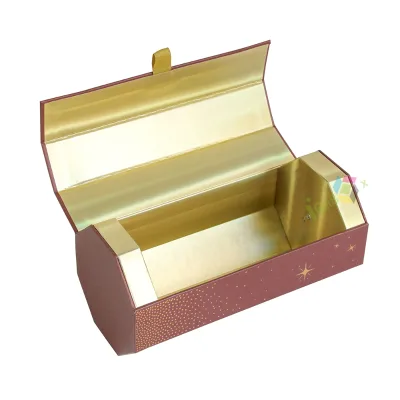


Design Luxury Perfume Packaging Paper Box for Eco Friendly Skin Care Package
$0.49 - $1.61
MOQ: 1000 Pieces


Wholesale Eco Friendly Customized Logo Packaging Box for Perfume Bottle
$0.23 - $1.15
MOQ: 1000 Pieces


Custom Logo Eco Friendly Paper Foldable Perfume Packaging Box for Cosmetics
$1.00 - $2.00
MOQ: 500 Pieces


Comprehensive Sourcing Guide
Sourcing Guide for Eco-Friendly Embossed Perfume Boxes
Understanding Product Specifications and Material Composition
When sourcing eco-friendly embossed perfume boxes, buyers must first establish a clear understanding of the technical specifications that define the product's physical and functional characteristics. The core material for these packaging solutions is predominantly paper-based, specifically utilizing paperboard or cardboard as the primary substrate. This material choice aligns with the requirement for environmental friendliness, as the supply data indicates that the material is recyclable and environmentally friendly. The structural integrity of the box is often defined by its hardness, which can range from partial hard to fully rigid, depending on the specific customization needs of the buyer.
The dimensions of the perfume box are a critical specification that varies significantly based on the product being packaged. While some listings indicate a standardized size of 18x15x4.5 cm, the general market trend supports fully customized sizing to accommodate various bottle shapes and volumes. The thickness of the paperboard is another vital parameter, with observed specifications ranging from 2 mm to 3 mm. This thickness directly influences the rigidity and the perceived luxury of the packaging. The shape of the box is typically rectangular, though customized shapes are available to meet unique branding requirements. The weight of the finished product is generally light, falling into categories of less than 0.5 kg or between 0.5 and 1 kg, which is advantageous for reducing shipping costs and carbon footprint during logistics.
The surface finish of the box is where the "embossed" aspect of the core keyword becomes most relevant. The surface handling processes observed in the market include offset printing, hot stamping, and various forms of varnishing. Buyers should verify that the embossing process is integrated with these surface treatments to ensure a cohesive aesthetic. The printing capabilities are extensive, supporting CMYK printing and Pantone color matching to ensure brand color accuracy. Additionally, the printing handling can be tailored to specific needs, including glossy lamination, matte lamination, and embossing techniques. The ability to customize the color to any specific shade is a standard feature, allowing for precise brand alignment.
Compliance, Certification, and Environmental Standards
For buyers prioritizing eco-friendly attributes, verifying compliance and certifications is a non-negotiable step in the procurement process. While the supply data lists certifications such as MSDS, GMP, and CE, these are often associated with the safety and manufacturing standards of the contents or the facility rather than the specific environmental impact of the packaging material itself. It is crucial for buyers to distinguish between general manufacturing certifications and specific environmental credentials. The supply context explicitly mentions that the material is recyclable and environmentally friendly, which serves as a foundational claim for the product's sustainability profile.
However, relying solely on general statements of environmental friendliness is insufficient for rigorous B2B procurement. Buyers should actively seek verification of specific forestry and recycling standards. Although the provided data includes a low-confidence reference to FSC (Forest Stewardship Council), this should not be assumed as a guaranteed attribute for every listed product. Instead, procurement teams must request current, valid FSC or equivalent chain-of-custody certificates from potential suppliers to confirm that the paperboard originates from responsibly managed forests. The absence of a specific certification in a product listing does not necessarily indicate non-compliance, but it does require the buyer to initiate a direct inquiry to the supplier to confirm the source of the raw materials.
Furthermore, the "eco-friendly" claim should be backed by the supplier's ability to demonstrate the recyclability of the entire package, including inks, adhesives, and laminations. While the material is noted as recyclable, the presence of certain surface treatments like UV varnishing or specific laminations can sometimes complicate the recycling process. Buyers must ask suppliers to clarify the compatibility of their chosen surface finishes with local recycling streams. The standard for the product is often customized, meaning that the environmental compliance must be defined within the specific contract or technical agreement rather than relying on a generic industry standard.
Cost Drivers and Pricing Dynamics
The pricing of eco-friendly embossed perfume boxes is influenced by a complex interplay of material costs, customization levels, and order volume. The observed price range in the market spans from $0.02 to $3.20 per unit, a significant variance that reflects the diversity in specifications and order quantities. Several key factors drive these costs. First, the material thickness plays a substantial role; boxes with a thickness of 3 mm will inherently cost more than those at 2 mm due to the increased volume of paperboard required. Similarly, the hardness of the box, whether partial or full, impacts the material density and cost.
Customization is another primary cost driver. While the base product may be standard, the demand for custom sizes, custom shapes, and specific embossing patterns adds to the production complexity and cost. The inclusion of advanced surface handling techniques, such as hot stamping or multi-layer lamination (glossy or matte), also increases the unit price. The color printing requirements, particularly if Pantone matching is requested instead of standard CMYK, can further influence the cost structure. Additionally, the complexity of the logo printing and the number of colors involved in the design will affect the final price.
Order volume is perhaps the most significant factor in determining the final cost per unit. The Minimum Order Quantity (MOQ) observed in the market ranges from 100 to 3,000 pieces, with some specific listings indicating an MOQ of 3,000 pieces. Buyers ordering at the lower end of the spectrum, such as 100 or 300 units, will likely face a higher unit price compared to those placing orders at the 3,000-piece threshold. The supply data suggests that the MOQ can be flexible, with some suppliers accepting custom orders, but the unit cost will generally decrease as the volume increases. Buyers should also consider the packaging of the goods themselves; whether the boxes are packed in individual boxes or standard export cartons can impact the overall logistics cost and, by extension, the effective price.
Typical Applications and Functional Versatility
Eco-friendly embossed perfume boxes are designed for a wide array of applications, extending beyond the obvious use for fragrance products. The versatility of these packaging solutions makes them suitable for various industries that require high-quality, sustainable, and aesthetically pleasing packaging. The primary application is for perfume and cosmetic products, where the embossed texture and premium feel enhance the brand's luxury image. The box shape and size are often customized to fit specific bottle dimensions, ensuring a snug and protective fit.
Beyond cosmetics, these boxes are widely used in the jewelry, garment, and shoe industries. The rectangular or customized shapes provide ample space for displaying small, high-value items while maintaining a professional appearance. The "single open" feature mentioned in the product attributes suggests a specific opening mechanism that can be tailored for easy access and a satisfying unboxing experience, which is crucial for gift packaging. The boxes are also suitable for greeting cards, letters, and general gifts, where the embossed design adds a touch of elegance and personalization.
The industrial use of these boxes extends to household products and electronic products, indicating their adaptability to different product categories. The ability to customize the color and printing handling allows brands in these sectors to maintain consistent branding across different product lines. The functional aspect of the boxes, such as the ability to fold to reduce storage space and transportation costs, is a significant advantage for supply chain efficiency. This feature is particularly relevant for brands that manage large inventories or require efficient warehousing solutions. The waterproof nature of the boxes is noted as "not waterproof," which is a critical limitation for buyers considering products that might be exposed to moisture. However, for dry storage and transport, the boxes offer excellent protection and presentation.
Supplier Evaluation and Quality Assurance
Evaluating suppliers for eco-friendly embossed perfume boxes requires a multi-faceted approach that goes beyond price comparisons. Buyers should prioritize suppliers who demonstrate a clear commitment to sustainability and quality control. The origin of the products is a key factor, with the majority of the supply data indicating production in China, specifically in regions like Hangzhou. While this geographic concentration can offer competitive advantages in terms of supply chain efficiency, buyers must verify the specific capabilities of the manufacturing facilities.
Quality control should be a central part of the supplier evaluation process. Buyers should request samples to assess the physical attributes of the boxes, including the precision of the embossing, the accuracy of the color printing, and the structural integrity of the cardboard. The sample time is typically 3-5 working days, which allows for a reasonable turnaround for quality assessment. During this phase, buyers should check for consistency in the thickness and hardness of the paperboard, as well as the adhesion of any laminations or varnishes. The presence of certifications like MSDS, GMP, and CE should be verified, but buyers must also look for evidence of internal quality control processes, such as ISO certifications or specific in-house testing protocols.
Supplier reliability is another critical consideration. The ability to meet the MOQ and lead time requirements is essential for maintaining inventory levels. While the observed MOQ ranges from 100 to 3,000 pieces, buyers should confirm the supplier's capacity to handle larger orders if their business scales. The lead time for production and delivery should be clearly defined in the contract to avoid disruptions. Additionally, the supplier's flexibility in handling custom orders, including custom sizes and shapes, is a valuable attribute. Buyers should assess the supplier's responsiveness to customization requests and their ability to provide technical support during the design and production phases.
Long-Term Procurement Considerations and Strategic Sourcing
Sourcing eco-friendly embossed perfume boxes is not just a transactional activity but a strategic decision that impacts long-term brand value and supply chain resilience. Buyers should consider the scalability of their supplier relationships. As the business grows, the ability to maintain consistent quality and pricing while increasing order volumes is crucial. The observed price range and MOQ flexibility suggest that there is room for negotiation and optimization as order volumes increase. Buyers should aim to build partnerships with suppliers who can offer volume discounts and prioritize their orders during peak production periods.
Sustainability is a long-term imperative that requires ongoing verification and improvement. While the current products are noted as recyclable and environmentally friendly, buyers should work with suppliers to continuously improve the environmental profile of the packaging. This could involve exploring new materials, reducing the use of non-recyclable inks or adhesives, or optimizing the design to use less material without compromising protection. The "customized" nature of the product standard allows for iterative improvements based on feedback and changing environmental regulations.
Finally, buyers should consider the total cost of ownership, which includes not just the unit price but also logistics, storage, and potential waste management costs. The ability of the boxes to fold for storage and transport, as mentioned in the product attributes, can significantly reduce these costs. By selecting suppliers who offer efficient packaging solutions and sustainable materials, buyers can align their procurement strategies with broader corporate sustainability goals. This approach not only enhances brand reputation but also prepares the business for future regulatory requirements and consumer expectations regarding environmental responsibility.
FAQs
What customization options are available for these boxes?
Customization is available for size, shape, and color printing. Buyers can request specific dimensions like 18x15x4.5 cm or fully customized sizes, along with Pantone or CMYK color matching and embossing techniques to meet unique branding needs.
How thick are the paperboard materials used?
The paperboard thickness typically ranges from 2 mm to 3 mm. This thickness variation directly influences the rigidity and perceived luxury of the packaging, allowing buyers to select the hardness level that best suits their product protection requirements.
Can I get these boxes with logo printing?
Yes, logo printing is available with options for offset printing, hot stamping, and embossing. The surface handling can be tailored to include glossy or matte lamination, ensuring the brand logo is printed accurately according to customer specifications.
What is the typical sample time for these orders?
The sample time is typically 3 to 5 working days. This allows buyers to quickly assess the quality, embossing precision, and color accuracy before committing to a larger production run or finalizing the custom design details.
Are these boxes suitable for electronic products?
Yes, these boxes are suitable for electronic products, jewelry, and cosmetics. The rectangular or customized shapes provide ample space for displaying small, high-value items while maintaining a professional appearance for various industrial uses beyond just perfume.
What certifications do the suppliers typically hold?
Suppliers often hold certifications such as MSDS, GMP, and CE. While these indicate manufacturing and safety standards, buyers should verify specific environmental credentials like FSC separately to ensure the paperboard originates from responsibly managed forests.
How does the minimum order quantity affect pricing?
The minimum order quantity ranges from 100 to 3000 pieces, with higher volumes generally lowering the unit price. Buyers ordering near the 3000-piece threshold will likely see more competitive pricing compared to those ordering smaller quantities like 100 units.