Source Forged Excavator Bucket Bushing for Heavy Machinery
Find and compare 30 listings for forged excavator bucket bushing components suitable for cranes and agricultural machinery. Options include CNC processed alloy parts with ISO9001 certification, available in customized sizes and various surface treatments like blackening or plating; compare the available evidence and request quotations based on your requirements.
Key considerations
Products List


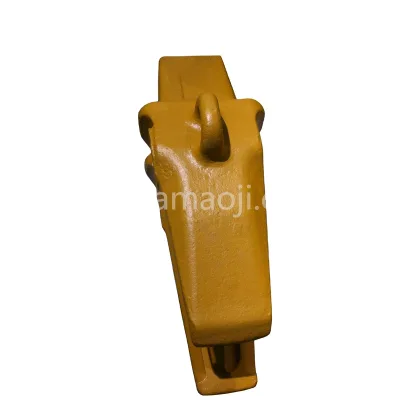


Comprehensive Sourcing Guide
Forged Excavator Bucket Bushing Sourcing Guide
Sourcing forged excavator bucket bushings requires a disciplined approach to verifying material integrity and dimensional precision, as these components are critical for maintaining the structural linkage between the bucket, boom, and arm. The supplied data indicates that these parts are primarily designed for heavy-duty applications, with specific models identified for machines such as the CAT336, SK210, and ZX330, as well as general 20-90 ton excavators. Buyers must recognize that while some listings offer universal compatibility, others are strictly customized for specific OEM specifications, necessitating careful cross-referencing of part numbers like 1U3352 or TCB602 before placing orders.
The procurement landscape for these components is characterized by a wide variance in manufacturing origins, predominantly centered in China, with notable hubs in Hangzhou and Jining, Shandong. Suppliers often provide both standard and customized options, with customization availability being a key differentiator in the market. It is essential for procurement teams to distinguish between generic aftermarket replacements and precision-engineered forged parts, ensuring that the selected bushings meet the rigorous stress requirements of continuous excavation cycles. This distinction directly impacts the longevity of the attachment and the overall operational efficiency of the heavy machinery.
Product Scope and Observed Listing Signals
The observed market signals reveal a diverse range of product attributes, including various certifications such as ISO9001, ISO, and CE, which serve as baseline indicators of manufacturing quality control. Listings frequently highlight the condition as "New" and emphasize customization capabilities, suggesting that buyers can request specific modifications to fit unique machine configurations. The presence of terms like "Universal: Yes" alongside specific model references indicates a hybrid market where some suppliers offer broad compatibility while others focus on niche, machine-specific solutions. Procurement specialists should carefully evaluate these signals to determine whether a one-size-fits-all approach is viable or if bespoke engineering is required for their fleet.
Packaging and logistics details provide additional insight into supplier professionalism, with options ranging from simple pallets to more robust wooden boxes, crates, and anti-rust paper treatments. These packaging methods are crucial for protecting the precision-machined surfaces of the bushings during transit, particularly given the potential for corrosion in humid environments. The observed standard weights, ranging from 0.1KGS to 100KGS, suggest a significant variation in size and material volume, which directly influences shipping costs and handling requirements. Buyers must align their logistics planning with these packaging specifications to ensure that the components arrive in optimal condition, ready for immediate installation without additional protective measures.
Technical Specifications to Verify
Technical verification must begin with the material composition, as the supplied facts specify the use of alloy materials for these bushings, which are essential for withstanding high shear forces and abrasive wear. Buyers should confirm the specific alloy grade and heat treatment processes, such as CNC processing, which ensures tight tolerances and consistent dimensional accuracy. The surface treatment options, including blackening, plating, and electrophoresis, play a critical role in corrosion resistance and friction reduction, particularly when paired with oil or grease lubrication systems. Understanding these technical details is vital for selecting bushings that can endure the harsh operating conditions typical of construction and mining sites.
Dimensional accuracy and model compatibility are equally critical, with listings specifying models like KBG, KBH, and sizes suitable for medium-sized excavators. The standard specifications often allow for customization, meaning that buyers must provide precise measurements or OEM part numbers to ensure a perfect fit. The observed MOQ of 50 pieces for some items and 1 piece for others suggests flexibility in order sizes, but buyers should verify if smaller orders incur higher unit costs or if customization fees apply. Additionally, the applicable industries, such as agricultural machinery and cranes, indicate the versatility of these components, but buyers must ensure that the specific load ratings and dimensions match their equipment's operational demands.
Compliance and Safety Documentation
Compliance documentation is a cornerstone of reliable procurement, with ISO9001:2015 and ISO9000 certifications appearing frequently in the supplied data. These certifications indicate that the supplier has implemented a quality management system that meets international standards for consistency and reliability. Buyers should request copies of these certificates to verify their validity and ensure they cover the specific manufacturing facilities producing the bushings. The presence of CE certification in some listings suggests adherence to European safety and health requirements, which may be relevant for buyers operating in or exporting to regulated markets.
Safety and performance guarantees are often communicated through warranty terms and after-sales support, such as online video assistance. While the supplied facts mention a warranty and guaranteed quality, buyers must clarify the scope of these guarantees, including coverage for defects in material or workmanship. The standard specifications, such as GBISO9100-2008, provide a framework for quality assurance, but buyers should verify if these standards are actively enforced during production. Engaging with suppliers who offer transparent compliance documentation and robust after-sales support can mitigate risks associated with premature failure or non-conformance in the field.
Cost Drivers and Commercial Terms
Cost drivers for forged excavator bucket bushings are influenced by material costs, manufacturing complexity, and order volume. The observed price range of 0.04 to 8000 USD reflects the vast difference between small, simple washers and large, complex forged assemblies. Buyers must analyze the unit price in the context of the MOQ, which ranges from 1 to 5000 pieces, to determine the most cost-effective ordering strategy. Larger orders typically benefit from economies of scale, but buyers should also consider the total landed cost, including shipping, insurance, and potential tariffs, which can significantly impact the final expense.
Commercial terms, including delivery times and payment conditions, vary among suppliers, with observed lead times ranging from 5-7 days to 15-20 days. These variations depend on the customization level, stock availability, and production capacity of the supplier. Buyers should negotiate clear delivery schedules and penalty clauses for delays to ensure that their operations are not disrupted. Additionally, understanding the payment terms, such as deposits or letters of credit, is crucial for managing cash flow and mitigating financial risk. Aligning commercial terms with operational needs ensures a smooth procurement process and minimizes unexpected costs or delays.
Supplier Qualification and Quality Control
Supplier qualification involves assessing the manufacturer's capability to produce high-quality forged bushings consistently. Buyers should verify the supplier's production processes, including CNC machining and surface treatment capabilities, to ensure they meet the required technical specifications. The presence of OEM acceptance and customization options indicates a flexible manufacturing environment, but buyers must ensure that the supplier has the expertise to handle custom orders without compromising quality. Requesting samples or conducting factory audits can provide valuable insights into the supplier's operational standards and quality control practices.
Quality control measures should be explicitly defined in the purchase agreement, including inspection protocols and acceptance criteria. Buyers should specify the required tolerances, material certifications, and surface finish standards to ensure that the delivered bushings meet their expectations. The observed packing methods, such as wooden cases and pallets, suggest that suppliers are aware of the need for protection during transit, but buyers should also consider third-party inspection services for large orders. Establishing a robust quality control framework helps prevent defects and ensures that the bushings perform reliably in the field, reducing downtime and maintenance costs.
Long-Term Procurement Checks
Long-term procurement success depends on establishing a strategic relationship with suppliers who can provide consistent quality and support. Buyers should monitor supplier performance over time, tracking metrics such as delivery reliability, defect rates, and responsiveness to issues. Regular communication and feedback loops can help identify areas for improvement and strengthen the partnership. Additionally, staying informed about industry trends and technological advancements in bushing design can help buyers make informed decisions about future purchases and upgrades.
Continuous evaluation of the supply chain is essential to mitigate risks and ensure cost-effectiveness. Buyers should periodically review their supplier base to identify alternative sources in case of disruptions or price increases. The observed diversity in origins, such as Hangzhou and Jining, provides options for diversification, but buyers must ensure that any new suppliers meet the same quality and compliance standards. By maintaining a proactive approach to supplier management and quality assurance, buyers can secure a reliable supply of forged excavator bucket bushings that support their operational goals and long-term success.
FAQs
What certifications do forged excavator bucket bushings have?
These bushings typically hold ISO9001 and ISO certifications to ensure quality standards. Some products also meet CE requirements and are verified as new condition items. Buyers can rely on these documented certifications for compliance and safety in heavy machinery applications.
Can I get custom specifications for excavator bucket bushings?
Yes, customization is available for these bushings to match specific machinery needs. Manufacturers offer tailored sizes and designs, including options for flange or washer types. This flexibility allows buyers to source parts that fit unique excavator models like CAT336 or SK210 effectively.
Which materials are used for forged excavator bucket bushings?
Alloy materials are commonly used to ensure durability and strength in these bushings. The products undergo CNC processing and surface treatments like blackening or plating for enhanced performance. This combination provides reliable operation in demanding agricultural and construction environments.
How long is the delivery time for these bushings?
Delivery times vary between 5 to 20 days depending on the specific order and supplier. Some standard items can be shipped within 5 to 7 days, while customized orders may require 15 to 20 days. Buyers should confirm lead times based on their specific quantity and customization needs.
What is the minimum order quantity for these bushings?
The minimum order quantity ranges from 1 piece to 50 pieces depending on the supplier. Some vendors accept single-piece orders for testing, while others require a batch of 50 pieces. Buyers should check specific supplier terms to find the most suitable MOQ for their project.
Where are these excavator bucket bushings manufactured?
These bushings are primarily manufactured in China, with specific origins in Hangzhou and Jining, Shandong. The products are packed in crates, wooden boxes, or pallets for safe transport. Buyers can source directly from these established manufacturing hubs for reliable supply chain access.
Do these bushings come with a warranty?
Yes, most suppliers provide a warranty for these forged bushings to guarantee quality. After-sales support often includes online video assistance for installation or troubleshooting. This warranty ensures buyers receive reliable products that meet the required performance standards for excavator applications.