Source Freestanding Outdoor Wood Fire Pit for Camping, Parties, and Weddings
Explore 30 listings for Freestanding Outdoor Wood Fire Pit options suitable for camping, parties, and weddings. Buyers can compare models made from cold rolled steel or stainless steel, featuring flame safety devices and various finishing styles to match their specific outdoor needs.
Key considerations
Products List


Outdoor Fire Pits Wood Burning Outdoor Fire Pit Weathering Steel Sheet Fire Pit
$88.00 - $108.00
MOQ: 1 Pieces

Outdoor Fire Pit Metal Firepit Round Table Garden Wood Burning Fire Pit
$88.00 - $108.00
MOQ: 1 Pieces


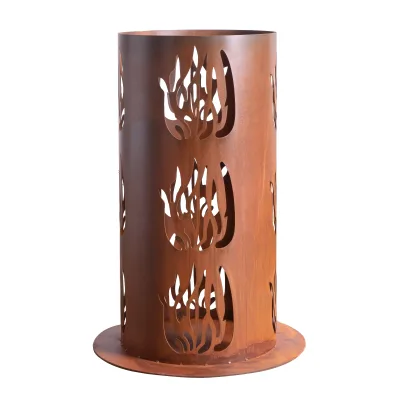


Large Outdoor Stainless Steel Fire Pit Portable Wood Burning Smokeless Fire Pit
$38.00 - $50.00
MOQ: 1 Pieces


Stainless Steel Portable 19inch Smokeless Fire Pit for Outdoor Wood Burning
$67.00 - $72.00
MOQ: 1 Pieces

Comprehensive Sourcing Guide
Freestanding Outdoor Wood Fire Pit Sourcing Guide
Sourcing freestanding outdoor wood fire pits requires a clear understanding of the diverse product landscape available from manufacturers, particularly those based in regions like Henan, China. The market offers a wide array of designs, ranging from classic and country styles to modern interpretations, allowing buyers to select units that align with specific aesthetic and functional requirements. These units are typically constructed from durable materials such as cold-rolled steel, stainless steel, or corten steel, each offering distinct benefits regarding weight, corrosion resistance, and visual appeal. Buyers must carefully evaluate the metal type against their intended environment, as outdoor exposure demands robust material properties to ensure longevity and structural integrity.
The procurement process involves navigating a variety of product models and customization options, with observed listings indicating a significant range in pricing and minimum order quantities. Manufacturers often provide customization services, enabling buyers to tailor dimensions, colors, and finishes to match their brand or project specifications. Common finishes include power coating or uncoated surfaces, which influence both the initial cost and the maintenance requirements of the final product. Understanding these variables is crucial for establishing realistic budget expectations and ensuring that the selected fire pits meet the specific operational needs of the end-user, whether for commercial hospitality venues or private residential use.
Product Scope and Observed Listing Signals
The current market for freestanding outdoor wood fire pits includes a variety of product types, such as charcoal grills, gas fire pits, and traditional wood-burning stoves, reflecting a broad scope of heating and cooking applications. Observed listings reveal that these units are designed for multiple occasions, including camping, parties, weddings, and general outdoor gatherings, indicating their versatility in both recreational and commercial settings. The presence of features like folding designs and easy-to-clean surfaces suggests a focus on user convenience and portability, which are critical factors for buyers who require flexible installation and maintenance solutions. These signals help buyers identify products that balance aesthetic appeal with practical functionality in diverse outdoor environments.
Pricing and order quantities vary significantly, with observed price ranges extending from low-cost entry-level units to premium models, and minimum order quantities spanning from single pieces to bulk orders of hundreds. This variability allows buyers to scale their procurement efforts according to their specific needs, whether sourcing a single unit for a boutique hotel or a large inventory for a retail chain. The availability of different packaging options, such as pallets, cartons, and wooden boxes, further supports efficient logistics and protection during transit. Buyers should carefully review these listing signals to determine the most cost-effective and logistically feasible sourcing strategy for their specific project requirements.
Technical Specifications to Verify
When evaluating technical specifications, buyers must prioritize the material composition and structural design of the fire pits to ensure durability and safety. Common materials include stainless steel and cold-rolled steel, with some models utilizing corten steel for a specific aesthetic and weather-resistant finish. It is essential to verify the thickness and quality of the metal, as these factors directly impact the unit's ability to withstand high temperatures and prolonged outdoor exposure. Additionally, buyers should confirm the presence of safety features such as flame safety devices and overheating protection mechanisms, which are critical for preventing accidents and ensuring compliance with safety standards in various markets.
Dimensional specifications and installation types are also key technical considerations that influence the suitability of the product for specific applications. Freestanding units are designed for easy placement without permanent installation, making them ideal for temporary or flexible outdoor spaces. Buyers should verify the exact dimensions, such as standard sizes like 100cm or specific measurements like 23x23x15.5 inches, to ensure the units fit within the designated area. Furthermore, the absence of remote controls and automatic thermostats in many models indicates a manual operation style, which buyers must account for in their operational planning and user training protocols.
Compliance and Safety Documentation
Compliance with regional safety standards is a critical aspect of sourcing fire pits, particularly when importing products from international suppliers. Buyers should request documentation that verifies adherence to relevant safety regulations, such as CE certification for products intended for the European market. This certification indicates that the product meets essential health, safety, and environmental protection requirements, providing a baseline level of assurance for end-users. However, buyers must also be aware that specific standards, such as EN 16647, may apply to certain types of outdoor heating appliances, and they should verify which standards are applicable to their target market to avoid regulatory issues.
In addition to formal certifications, buyers should inquire about the manufacturer's quality control processes and testing procedures to ensure consistent product safety. Documentation should include details on material safety, such as the use of non-toxic coatings and finishes, and information on the product's performance under normal operating conditions. Buyers should also verify that the products include clear instruction manuals and safety warnings, which are essential for proper use and maintenance. By prioritizing compliance and safety documentation, buyers can mitigate risks associated with product liability and ensure that their fire pits meet the legal and safety expectations of their customers.
Cost Drivers and Commercial Terms
The cost of freestanding outdoor wood fire pits is influenced by several key factors, including material selection, manufacturing complexity, and customization requirements. Stainless steel and corten steel models typically command higher prices due to their superior durability and aesthetic appeal, while cold-rolled steel options may offer a more budget-friendly alternative. Customization services, such as bespoke designs, specific color finishes, or tailored dimensions, also add to the overall cost, as they require additional labor and material resources. Buyers should carefully evaluate these cost drivers to determine the most appropriate product tier for their budget and project requirements.
Commercial terms, including minimum order quantities and packaging specifications, play a significant role in the total cost of ownership. Lower minimum order quantities may result in higher per-unit costs, while bulk orders can leverage economies of scale to reduce prices. Packaging options, such as wooden cases or pallets, impact shipping costs and protection during transit, so buyers should consider the logistics implications when negotiating terms. Additionally, buyers should clarify payment terms, delivery schedules, and warranty policies to ensure a smooth procurement process and protect their investment against potential defects or delays.
Supplier Qualification and Quality Control
Selecting a reliable supplier is paramount to ensuring the quality and consistency of freestanding outdoor wood fire pits. Buyers should conduct thorough due diligence to verify the supplier's manufacturing capabilities, production capacity, and quality management systems. This includes assessing their experience in producing similar products, their adherence to international standards, and their ability to provide necessary certifications and documentation. Suppliers with a proven track record of exporting to the buyer's target market are often more likely to understand and comply with local regulatory requirements, reducing the risk of compliance issues.
Quality control measures should be integrated into the procurement process to ensure that the delivered products meet the specified standards. Buyers should request samples for initial evaluation and consider implementing third-party inspections during production or before shipment. These inspections can verify critical aspects such as material thickness, weld quality, finish durability, and overall structural integrity. By establishing clear quality expectations and monitoring compliance throughout the production process, buyers can minimize the risk of receiving defective products and ensure that their fire pits meet the high standards expected by end-users.
Long-Term Procurement Checks
Long-term procurement success depends on establishing strong relationships with suppliers and implementing continuous improvement strategies. Buyers should regularly review supplier performance metrics, including on-time delivery rates, product quality consistency, and responsiveness to issues. Maintaining open communication channels and providing constructive feedback can help suppliers improve their processes and better align with the buyer's evolving needs. Additionally, buyers should stay informed about market trends and technological advancements in fire pit design and materials, allowing them to make informed decisions about future product selections and sourcing strategies.
Regular audits and re-evaluations of supplier qualifications are essential to maintaining high standards of quality and compliance over time. Buyers should periodically verify that suppliers continue to meet relevant safety and environmental standards, especially as regulations evolve. Furthermore, buyers should assess the supplier's ability to scale production and adapt to changes in demand, ensuring that they can meet future procurement needs without compromising quality or delivery timelines. By proactively managing supplier relationships and monitoring performance, buyers can secure a reliable supply of high-quality freestanding outdoor wood fire pits for their business.
FAQs
How is a Freestanding Outdoor Wood Fire Pit installed?
Installation is freestanding, so no built-in construction or chimney connection is required. You place the unit on a stable, non-flammable outdoor surface such as gravel, stone, or concrete, keeping clearances from structures and overhead cover. Some models fold for transport, so check assembly steps and hardware before first use.
What materials are commonly used for these fire pits?
Listed models use metal, with options in cold rolled steel and stainless steel. Some products are powder coated for corrosion resistance, while others are finished without coating, which suits corten steel designs that develop a protective patina. Coated steel suits general outdoor use, and stainless steel handles moisture and heat better over time.
Can a Freestanding Outdoor Wood Fire Pit be customized?
Yes, customization is available on listed products, including custom-made designs. Buyers can typically discuss dimensions, color, finish, and packaging preferences with the supplier before ordering. Custom requirements may affect minimum order quantity and production lead time, so confirm both in writing and request design drawings or samples before mass production.
What sizes are available for freestanding outdoor wood fire pits?
Observed specifications include diameters of 80cm and 100cm, plus a 23x23x15.5 inches model and a compact 345x345x320mm unit. Size selection depends on whether the fire pit serves camping, a garden, a park, or a commercial square. Confirm exact dimensions, weight, and folding features with the supplier before ordering.
How should the fire pit be packed for shipping?
Listed packing options include carton, pallet, wooden box, and wooden case, and packing can be arranged as required. Heavy steel models are usually shipped on pallets or in wooden cases for export protection, while smaller folding units ship in cartons. Confirm the packing method, carton quantity, and container loading plan with the supplier.
Can these fire pits be used for occasions beyond home gardens?
Yes, listed usage covers outdoor settings including camping, parties, gardens, squares, and parks, with occasions noted as camping, parties, graduations, and weddings. Freestanding designs make them portable for events, though larger corten steel models work best as semi-permanent installations in parks, squares, or commercial outdoor spaces. Always follow local open-fire regulations.