Source Freestanding Tiered Vegetable Display Rack for Shops
Find and compare 27 Freestanding Tiered Vegetable Display Rack options for supermarkets, convenience stores, and shops. Review materials like wood and steel, customization features, and supplier details to select the right produce stand for your retail needs.
Key considerations
Products List


Supermarket Fruit and Vegetable Display Shelves Use for Fruit Vegetable Display Rack
$215.00 - $230.00
MOQ: 10 Pieces


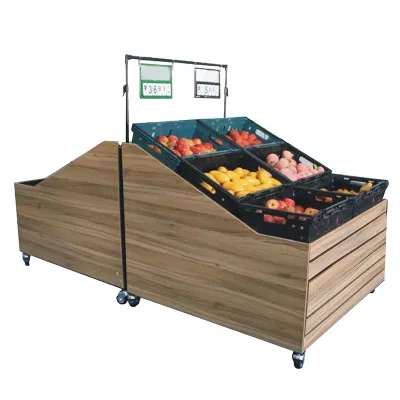
Wooden Fruit and Vegetable Rack Stands Display Rack for Supermarket Vegetable Rack
$250.00 - $350.00
MOQ: 10 Minimum


Comprehensive Sourcing Guide
Freestanding Tiered Vegetable Display Rack Sourcing Guide
Procuring a Freestanding Tiered Vegetable Display Rack requires a clear understanding of the specific operational environment, as these units serve critical roles in supermarkets, convenience stores, and general retail shops. The observed market data indicates that these racks are designed for high-traffic areas where durability and visibility are paramount, often featuring double-sided configurations to maximize floor space efficiency. Buyers must recognize that while some units are optimized for heavy-duty vegetable stands, others are tailored for lighter fruit displays, necessitating a precise match between the product's weight capacity and the intended inventory load.
The customization landscape for these racks is extensive, with suppliers offering flexible options regarding size, color, and structural style to align with specific store branding and layout requirements. Whether a buyer requires a fixed rotary mechanism or a standard hanging style, the ability to request custom dimensions and finishes is a standard industry feature. This flexibility allows retailers to create a cohesive visual identity while ensuring the display units meet the functional demands of their specific product mix, from fresh produce to packaged goods.
Product Scope and Observed Listing Signals
The product scope for freestanding tiered vegetable display racks spans a wide range of materials, including wood, steel, and composite structures combining wood and metal. Listings frequently highlight the condition as new, with a focus on features such as durability and heavy-duty capacity, though some variants are classified as middle or light weight depending on the intended application. The observed market signals suggest that these units are often marketed with specific style descriptors like "Back Net Style" or "Hanging Style," which directly influence their suitability for different store layouts and product types.
Commercial signals in the listings reveal significant variability in minimum order quantities (MOQ), ranging from as low as 5 pieces to 500 pieces, which impacts the feasibility of sourcing for small retailers versus large chains. Pricing structures are equally diverse, with observed ranges extending from $2 to $1500, reflecting differences in material quality, customization levels, and structural complexity. Buyers should note that while some products are listed with specific model numbers like HBE-J-FD or HBE-VR, the core functionality remains consistent across the category, focusing on efficient fruit and vegetable display in retail environments.
Technical Specifications to Verify
When evaluating technical specifications, the primary focus must be on the structural integrity and material composition of the rack. Buyers should verify whether the unit is constructed from steel, wood, or a combination of both, as this determines the load-bearing capacity and resistance to wear in a high-traffic retail setting. The weight classification, whether heavy, middle, or light, is a critical indicator of the rack's intended use, with heavy-duty models being essential for dense vegetable displays and lighter models suitable for delicate fruits or promotional items.
The physical dimensions and configuration of the rack are equally vital, with many suppliers offering fully customized sizes to fit specific store aisles or shelving units. Key technical attributes to confirm include the number of sides, which can be single or double, and the layer count, with some models featuring two distinct levels for optimized product separation. Additionally, the rotary mechanism, if applicable, should be verified as either fixed or rotary to ensure it aligns with the store's traffic flow and customer interaction patterns, while the overall style, such as back net or hanging, must complement the existing store aesthetic.
Compliance and Safety Documentation
Compliance and safety documentation for these display racks often reference international standards such as SGS and CE, which serve as indicators of quality assurance and structural safety. While specific certification statuses may vary by supplier, the presence of these standards in product listings suggests a commitment to meeting recognized safety benchmarks for retail equipment. Buyers should request current test reports or certification documents to verify that the materials and construction methods used in the racks adhere to these standards, ensuring the units are safe for public use in commercial environments.
In addition to material safety, the packaging and shipping standards play a crucial role in maintaining the integrity of the product during transit. Listings frequently mention "Export Carton" or "Standard Package" as the primary packing method, with some suppliers specifying that parts are shipped in different cartons to prevent damage. It is essential for buyers to confirm that the packaging is robust enough to protect the rack's finish and structural components, especially given the potential for heavy weight and complex assembly requirements upon arrival at the destination.
Cost Drivers and Commercial Terms
The cost of a Freestanding Tiered Vegetable Display Rack is driven by several key factors, including the raw materials used, the level of customization required, and the complexity of the manufacturing process. Steel and wood composites generally command higher prices than single-material options, while custom sizes and colors add to the overall cost due to the additional labor and tooling involved. Buyers should anticipate that the price range observed in the market, from $2 to $1500, reflects these variables, with higher-end models offering superior durability and tailored designs.
Commercial terms such as lead time and minimum order quantity are significant considerations that affect the total cost of ownership and project timeline. The observed lead time of 30 days is a common benchmark, but this can vary based on the order volume and the extent of customization requested. MOQs ranging from 5 to 500 pieces mean that small retailers may need to negotiate flexible terms or consolidate orders to meet supplier thresholds, while larger chains can leverage volume to secure more favorable pricing and delivery schedules.
Supplier Qualification and Quality Control
Supplier qualification for these display racks should prioritize manufacturers with a proven track record in the Jiangsu Suzhou region, a hub known for its manufacturing capabilities in retail fixtures. The presence of specific model numbers and standardized packaging in listings suggests a level of operational maturity, but buyers must still verify the supplier's ability to maintain consistent quality across large production runs. Quality control processes should be scrutinized to ensure that every unit meets the specified weight capacity, material standards, and finish requirements before shipment.
Quality control extends beyond the manufacturing floor to include rigorous inspection of the final product's assembly and finish. Buyers should request evidence of the supplier's internal quality checks, such as load testing or visual inspections, to confirm that the racks are free from defects and ready for immediate installation. The warranty period, often cited as one year, provides a baseline for post-purchase support, but it is crucial to understand the specific terms and conditions of this warranty to ensure adequate protection against manufacturing defects or premature wear.
Long-Term Procurement Checks
Long-term procurement success depends on establishing a reliable supply chain that can consistently deliver high-quality display racks over time. Buyers should conduct periodic audits of their suppliers to ensure that the materials, workmanship, and compliance standards remain consistent with the initial order. This proactive approach helps mitigate the risk of quality degradation or supply disruptions, which can be particularly damaging in the retail sector where display integrity directly impacts sales and customer experience.
Regular performance reviews of the installed racks are also essential to identify any issues related to wear and tear or design flaws that may require adjustments in future orders. By monitoring the lifespan and functionality of the racks in real-world conditions, buyers can gather valuable data to inform future procurement decisions, such as selecting more durable materials or adjusting the design for better stability. This continuous feedback loop ensures that the procurement strategy evolves in response to actual usage patterns, optimizing both cost and performance over the long term.
FAQs
Can I customize the size and color of the rack?
Yes, the size and color can be customized to your specific request. The product features a customizable design with options for double-sided or single-sided configurations, allowing you to tailor the display to your shop or supermarket needs.
What is the lead time for manufacturing these racks?
The standard lead time for production is 30 days. This duration applies to orders meeting the minimum quantity requirements, ensuring that the wooden or steel structures are built to your specifications before export packaging.
Which certifications do the vegetable display racks hold?
The products comply with SGS and CE standards. These certifications ensure that the materials and construction meet safety and quality requirements for use in supermarkets, convenience stores, and drug stores across various regions.
What is the minimum order quantity for these racks?
The minimum order quantity varies between 5 and 50 pieces depending on the specific model. Some lightweight hanging styles require only 5 pieces, while heavier duty or customized units may require a minimum of 50 pieces.
Where are these vegetable display racks manufactured?
These racks are manufactured in Jiangsu, China, specifically in Suzhou. The origin location ensures access to established supply chains for wood and metal materials used in constructing durable and heavy-duty display units.
How is the product packed for export?
The products are packed in export cartons or standard packages to ensure safe transit. Each unit is secured within these cartons, which may contain parts in different sections, to prevent damage during shipping to international destinations.