Source Fully Equipped Oriental Food Trailer for Street Vending, Events, and Markets
Explore 30 listings of Fully Equipped Oriental Food Trailer units designed for diverse commercial needs. Buyers can compare specifications, dimensions, and certifications like CE and ISO to find the right mobile snack solution for street vending, outdoor events, or permanent market setups.
Key considerations
Products List


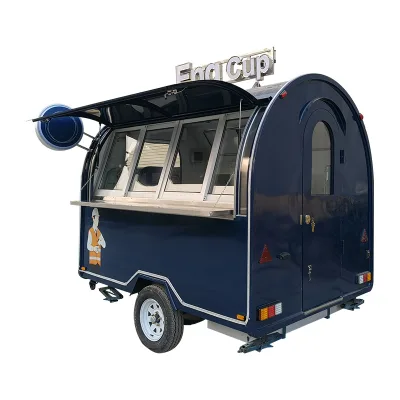


Food Trailer Rental Use Concession Trailer
$4000.00 - $6000.00
MOQ: 1 Pieces
Hummingbird Intelligent Manufacturing (Weifang) Intelligent Technology Co., Ltd.


Comprehensive Sourcing Guide
Strategic Sourcing Guide for Fully Equipped Oriental Food Trailers
The global demand for mobile dining solutions has surged, with buyers increasingly seeking specialized units capable of serving authentic oriental cuisine. A Fully Equipped Oriental Food Trailer represents a complex intersection of culinary engineering, regulatory compliance, and logistical mobility. For procurement professionals, the task involves navigating a market where product attributes vary significantly between suppliers. This guide provides a disciplined framework for sourcing these assets, focusing on verified specifications, material integrity, and operational suitability without relying on unverified marketing claims. The objective is to equip buyers with the analytical tools necessary to evaluate suppliers and select units that meet rigorous operational standards.
Technical Architecture and Material Composition
The structural integrity of a food trailer is paramount, particularly when the unit is designed to withstand the rigors of outdoor street vending and frequent transportation. Based on observed industry data, the internal worktables are frequently constructed from stainless steel, a material chosen for its resistance to corrosion and ease of sanitation. This is a critical attribute for oriental food preparation, which often involves high-heat cooking, oily stir-fries, and acidic marinades. The exterior shell of these units typically utilizes galvanized sheet metal or a composite of galvanized steel and stainless steel. This combination provides a robust barrier against rust and weathering, ensuring longevity in diverse climates.
The flooring within these trailers often features an anti-slip aluminum patterned plate. This specification is essential for safety, preventing slips in environments where water, oil, or grease may accumulate on the floor. The outer walls and end caps may be fabricated from fibreglass moulds, offering a lightweight yet durable alternative to traditional metal skins. Buyers must verify that the specific model they are considering includes these material specifications, as not all units in the market adhere to this standard. The internal equipment is often customizable, allowing operators to tailor the layout to specific oriental cooking requirements, such as wok stations, steamers, or deep fryers.
Operational Dimensions and Mobility Specifications
The physical footprint of a food trailer dictates its mobility and the range of locations where it can operate. Observed models in the current market display a wide variance in dimensions. For instance, specific units have been documented with standard dimensions of 2200mm by 1620mm by 2000mm, while others measure 3800mm by 2000mm by 2350mm. A smaller towable model might be recorded at 220mm by 160mm by 210mm, though these figures require careful verification against the specific towing vehicle's capacity. The weight of these units is another critical factor; documented models range from 900kg for lighter configurations to significantly heavier units depending on the equipment load.
When evaluating mobility, the distinction between a "Food Cart," a "Towable Food Trailer," and a "Mobile Food Caravan" is significant. Some units are designed as motorcycle food carts, offering high maneuverability in dense urban areas, while others are large towable trailers intended for stationary vending in high-traffic zones. The "Fully Equipped" designation implies that the unit includes not just the shell, but the necessary utilities for cooking. Buyers should confirm the specific model number, such as FL-F350, FL-Nicole, or GL-FT380, as these identifiers often correlate with specific dimension sets and capacity ratings. The packing method, often a wooden box or wooden case, is also a logistical consideration for shipping, ensuring the unit arrives without damage.
Compliance, Certification, and Regulatory Standards
Navigating the regulatory landscape is a primary challenge in sourcing food trailers. Compliance ensures that the unit can legally operate in various jurisdictions and meets safety standards for both the operator and the public. The most frequently observed certification for these units is the CE mark, indicating conformity with health, safety, and environmental protection standards for products sold within the European Economic Area. However, compliance requirements extend beyond this single mark. Some suppliers list additional certifications including DOT (Department of Transportation), CCC (China Compulsory Certification), and ISO standards such as ISO9001:2015 or ISO/Ts16949.
It is imperative for buyers to treat these certifications as observations of specific listings rather than universal guarantees for all products in a category. A unit marketed as "Fully Equipped" must be verified against local regulations regarding fire safety, gas lines, and electrical systems. The "Customization" attribute suggests that buyers can request modifications to meet specific local codes, but this must be explicitly confirmed with the supplier. The presence of certifications like CE, DOT, and CCC indicates a higher level of scrutiny in the manufacturing process, but the buyer must request valid certificates for the specific batch or model being purchased. Relying on general claims without documentation can lead to significant legal and operational risks.
Cost Drivers and Pricing Dynamics
The pricing of fully equipped oriental food trailers is influenced by a complex array of factors, including size, material quality, and the extent of the internal equipment. The observed price range in the market spans from approximately $2,000 to $15,980 USD. This wide disparity reflects the difference between basic, semi-automatic units and fully automated, high-end configurations. The "Semi-Automatic" grade noted in some product attributes suggests a middle ground between manual operation and full automation, impacting both the initial cost and the long-term labor requirements.
Several variables drive the cost within this range. The choice of materials, such as the thickness of the galvanized steel or the grade of stainless steel used for the worktables, directly affects the price. The inclusion of specialized oriental cooking equipment, such as commercial-grade woks or steamers, adds to the cost. Furthermore, the "Customized" nature of many units means that bespoke designs will command a premium over standard models. The packaging method, whether a simple wooden box or a reinforced wooden case, also contributes to the final price. Buyers should be aware that the Minimum Order Quantity (MOQ) for these units is typically 1, allowing for single-unit procurement, but this may vary based on the level of customization required.
Typical Applications and Functional Versatility
The versatility of a Fully Equipped Oriental Food Trailer allows it to serve a broad spectrum of applications. These units are designed for "Outdoor Street Vending" and are suitable for "Leisure Fast Food Equipment" scenarios. The observed application fields include Snack Food, Beverage Shops, and general Commercial Food Carts. The functional capabilities often extend to marketing, with the trailer itself serving as a mobile billboard for the brand. The "Multifunctional Vending Snack" attribute highlights the ability to prepare and serve a variety of items, from popcorn and chocolate to candy, donuts, biscuits, and ice cream, in addition to traditional oriental dishes.
The "Facility" attribute, described as "Individuation," suggests that the interior layout can be tailored to specific culinary workflows. This is crucial for oriental cuisine, which often requires specific ventilation and cooking zones. The "Modern Towable Carting Trailer" style indicates a design that appeals to contemporary urban aesthetics, making these units suitable for festivals, markets, and high-traffic commercial districts. The "Food Type" is generally categorized as "Outdoor Snack," but the equipment allows for more substantial meal preparation. Buyers should assess whether the unit's application aligns with their specific business model, whether it is a quick-service kiosk or a full-service mobile restaurant.
Supplier Evaluation and Quality Assurance Protocols
Selecting a reliable supplier requires a rigorous evaluation process that goes beyond surface-level marketing. The origin of these units is predominantly China, a major hub for food equipment manufacturing. Buyers must verify the supplier's ability to provide consistent quality, as the "Customized" nature of the products means that each unit may have unique specifications. The "Product Name" and "Item" descriptions, such as "Commercial Food Carts" or "Mobile Food Trailer Truck," should be cross-referenced with the actual physical product to ensure accuracy.
Quality control should focus on the integrity of the materials and the functionality of the equipment. The "Inside Equipment" being "Customized" means that the buyer must provide detailed specifications or verify the supplier's standard configurations. The "Weight" of the unit, observed at 900kg for some models, must be accurate to ensure safe towing. Buyers should request test results or performance data for critical components, such as the electrical systems and gas lines, although specific test data is not universally provided in all listings. The "Standard" dimensions, such as 3.0m by 2.1m by 2.1m or 2200mm by 1620mm by 2000mm, must be verified against the actual delivered product to avoid logistical issues upon arrival.
Long-Term Procurement and Lifecycle Management
The procurement of a food trailer is a long-term investment that requires consideration of maintenance, scalability, and adaptability. The "Wooden Box" or "Wooden Case" packing indicates that the unit is designed for shipping, but the long-term durability depends on the quality of the materials used. The "Anti-Slip Aluminum Patterned Plate" floor and "Stainless Steel" worktables are chosen for their durability, but they require regular cleaning and maintenance to prevent degradation. The "Customization" feature offers a path for future upgrades, allowing the operator to modify the unit as their business grows or changes.
Buyers should also consider the "Lead Time" and "Location" of the supplier, as these factors impact the overall timeline of the project. While specific lead times are not universally disclosed, the "Semi-Automatic" nature of some units suggests a manufacturing process that may vary in duration. The "Certification" status, including CE and ISO standards, provides a baseline for quality, but ongoing compliance with local regulations is the responsibility of the operator. By understanding the technical specifications, material composition, and regulatory requirements, buyers can make informed decisions that ensure the long-term success of their mobile food venture. The ability to adapt the unit to different "Application Fields" and "Applicable Industries" ensures that the investment remains relevant in a dynamic market.
FAQs
What certifications are available for fully equipped oriental food trailers?
Common certifications include CE, DOT, CCC, and ISO standards like ISO/Ts16949. Buyers must verify specific certificates for the batch, as not all units carry every mark, and local regulations may require additional compliance beyond these listed options.
Which materials are used for the interior worktables of these trailers?
The interior worktables are typically constructed from stainless steel to ensure corrosion resistance and easy sanitation. This material is essential for handling high-heat cooking and oily foods, though buyers should confirm this specification for their chosen model.
Can the interior equipment be customized for specific cooking needs?
Yes, the interior equipment is often customizable to suit specific culinary workflows like wok stations or steamers. Buyers must provide detailed specifications or verify the supplier's standard configurations to ensure the layout meets their operational requirements.
How much does a Fully Equipped Oriental Food Trailer typically cost?
Prices in the observed market range from approximately 2000 to 15980 USD. The final cost depends on factors like size, material quality, and the extent of internal equipment, with semi-automatic units generally costing less than fully automated ones.
What is the typical minimum order quantity for these food trailers?
The minimum order quantity is typically 1 unit, allowing for single-unit procurement. However, this may vary based on the level of customization required, so buyers should confirm the specific MOQ with the supplier before placing an order.
Where are these fully equipped oriental food trailers manufactured?
The origin of these units is predominantly China, a major hub for food equipment manufacturing. Buyers should verify the specific supplier location and lead times, as shipping and logistics will depend on the factory's proximity to the destination port.
What are the standard dimensions for a towable food trailer model?
Standard dimensions vary by model, with common sizes including 2200mm by 1620mm by 2000mm or 3800mm by 2000mm by 2350mm. Buyers must verify the exact dimensions against the specific model number to ensure compatibility with their towing vehicle.