Source Fully Hydraulic Mini Dump Truck for Construction, Mining, and Industrial Sites
Compare 30 Fully Hydraulic Mini Dump Truck options featuring hydraulic transmission, front lifting styles, and customizable specifications. These units are designed for tools and industrial applications with capacities up to 500kg and various engine types including gasoline and diesel.
Key considerations
Products List


Fast Delivery Wheel Dumper Hydraulic Mini Dumper Truck Tipper Dump Truck for Sale
$2500.00 - $8000.00
MOQ: 1 Sets


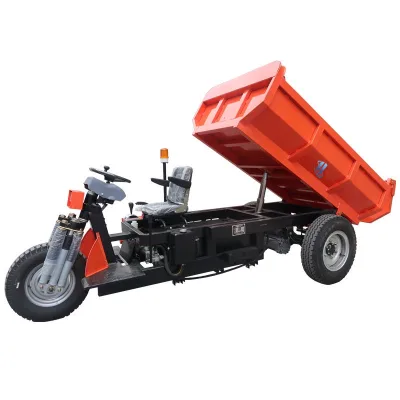


Dump Truck Mining Mini Dump Truck Euro 2 Emission Standard Dump Truck
$33000.00 - $35000.00
MOQ: 1 Pieces


Comprehensive Sourcing Guide
Strategic Sourcing Guide for Fully Hydraulic Mini Dump Trucks
Understanding Technical Specifications and Operational Capabilities
When sourcing a Fully Hydraulic Mini Dump Truck, the primary objective is to align the machine's technical architecture with specific site requirements. The market offers a diverse range of configurations, and buyers must scrutinize the core mechanical attributes before committing to a procurement order. Based on available market data, the propulsion systems for these units vary significantly, with gasoline engines ranging from 9HP to 270cc appearing in specific models, while other variants utilize diesel engines or battery groups. This variation dictates the operational environment; for instance, electric or battery-powered units are often identified by "Zero Emission" standards, making them suitable for indoor or enclosed mining applications, whereas gasoline and diesel variants are typically deployed in open industrial zones.
The transmission system is another critical technical differentiator. The observed market data highlights a prevalence of hydraulic transmission systems, which are essential for the smooth torque delivery required in heavy-duty dumping operations. Some models specify a "Hydraulic" transmission type, while others may list "Automatic" or "Gear" steering options. The walking mode is equally important; while standard wheeled units are common, specific models are designed with a "Crawler" walking mode, providing superior traction on uneven, muddy, or steep terrain often found in construction and mining sites. The load capacity is a defining metric, with observed units capable of handling up to 500kg. However, buyers must verify the specific load capacity for each model, as some specifications list a "Max Loading Capacity" of 500kg while others may have different thresholds depending on the chassis design.
The physical dimensions and body type are vital for logistics and site fitment. The standard dimensions observed in the market include compact footprints such as 1000700450mm for smaller units, while larger crawler models can reach dimensions of 27178681250mm or 24429801360mm. The body type is predominantly "Open," designed for maximum material visibility and ease of loading. The dumping mechanism is typically a "Front Lifting Style," which allows for efficient unloading in confined spaces. Buyers should also note the tire specifications, with options ranging from standard tires to specialized "Chaoyang Mining Tyres" designed for durability in harsh environments. The width of these machines can vary significantly, from 950mm to 2400mm, requiring careful planning for narrow access points or standard gate clearances.
Compliance, Certification, and Regulatory Standards
Navigating the regulatory landscape is a non-negotiable aspect of B2B procurement for industrial machinery. The safety and compliance of a mini dump truck are often validated through internationally recognized certifications. The supply chain data indicates that many units carry certifications such as ISO, CE, GS, and TUV. These certifications suggest adherence to specific quality management systems and safety standards, though the exact scope of compliance must be verified against the buyer's local regulations. For instance, the CE mark is a prerequisite for market access in Europe, while ISO certification indicates a commitment to standardized manufacturing processes.
Emission standards are a growing concern in global procurement. The market presents a dichotomy in this area; some units are explicitly marketed with "Zero Emission" capabilities, likely due to their battery or electric power sources, while others operate on gasoline engines adhering to "Euro Power" standards. Buyers targeting environmentally sensitive zones or regions with strict air quality laws must prioritize units with verified emission ratings. Additionally, tire certifications are crucial for road legality and safety. Data points to certifications such as ECE, GCC, ISO, and DOT, which are essential for ensuring the tires meet specific regional safety requirements.
The structural integrity of the machine is often supported by surface treatment processes. A common observation is "Zinc Plated" surface handling, which provides a baseline level of corrosion resistance. For more aggressive environments, such as mining or coastal areas, buyers should verify if the unit includes "Anti-Rust Painting" as an additional feature. The warranty terms, typically observed as a "1 Year" coverage, serve as a manufacturer's confidence indicator but should be reviewed alongside the "Three Guarantees" after-sales service policy to understand the full scope of support.
Cost Drivers and Financial Considerations
The pricing structure for fully hydraulic mini dump trucks is influenced by a complex interplay of factors, including power source, material composition, and customization levels. The observed price range in the market spans from $999 to $35,000, a wide variance that reflects the difference between basic manual or small electric models and heavy-duty, fully automated hydraulic units. The material composition, specifically the use of "Steel" for the chassis and body, is a primary cost driver, as the thickness and grade of the steel directly impact durability and weight.
Customization is a significant variable in the final cost. The availability of "Customizable" options, such as specific colors, dimensions, or specialized attachments, often incurs additional charges. The packing method also affects the landed cost; options range from "Case" packing for smaller units to "Nude Package" or "Sea Transportaiton" configurations for larger units, which may require specialized handling and crating. The origin of the product, frequently listed as "Qingdao, China" or generally "China," influences shipping costs and import duties, which must be factored into the total cost of ownership.
Buyers should also consider the long-term financial implications of the power source. While diesel or gasoline engines may have a lower upfront cost, the ongoing fuel expenses and maintenance requirements can be higher compared to battery-operated units. The battery supplier, such as "Chaowei" or "Tianneng," can also impact the replacement cost and lifespan of the power system. Furthermore, the "After-sales Service" structure, including the "Three Guarantees," plays a role in the total cost of ownership by reducing the risk of unexpected downtime and repair expenses.
Typical Applications and Industry Use Cases
The versatility of fully hydraulic mini dump trucks makes them suitable for a wide array of industrial applications. The primary usage categories identified include "Tools" and "Industrial" sectors, but the specific deployment scenarios are more granular. In the mining industry, these machines are often referred to by their Spanish names, such as "Volquete Subterranea" or "Volquete De Mina," indicating their specific role in underground or open-pit mining operations. The "Crawler" walking mode and specialized mining tires make them ideal for the rough, uneven terrain found in these environments.
Construction sites also represent a major application area. The compact dimensions and hydraulic lifting capabilities allow these trucks to navigate narrow pathways and tight corners where larger vehicles cannot operate. The "Front Lifting Style" dumping mechanism is particularly advantageous in construction zones where space is limited, allowing for precise material placement. The "Unfolding" style mentioned in some specifications suggests designs that can be collapsed for transport, enhancing their utility for contractors who need to move equipment between different job sites frequently.
The market data also points to specific regional applications, with cases noted in countries such as Malaysia, Gongo, Ecuador, Bolivia, Peru, and Chile. This suggests a strong presence in Latin American mining and construction sectors, as well as Southeast Asian industrial zones. The "Left/Right Drive" options indicate that these machines can be adapted to different traffic regulations and site layouts, further expanding their applicability across global markets. Whether for transporting soil, gravel, or debris, the ability to handle up to 500kg of load makes these units a staple in small-scale material handling operations.
Supplier Evaluation and Quality Assurance Protocols
Selecting a reliable supplier requires a rigorous evaluation process that goes beyond simple price comparisons. Buyers should prioritize suppliers who can provide clear documentation regarding the "Condition" of the product, which is typically listed as "New," and verify the authenticity of the certifications provided. The "prod_model" numbers, such as JEF-0610S, MMT60, or MMT100, serve as unique identifiers that buyers can use to cross-reference technical specifications and request detailed test reports.
Quality control should be a central component of the procurement strategy. Buyers must verify the "Surface Handling" processes, ensuring that the "Zinc Plated" or "Anti-Rust Painting" treatments are applied consistently to prevent premature corrosion. The "Brake" systems, which may be "Oil O Pneumatic," require thorough testing to ensure reliable stopping power under load. The "Seats" and "Steering Wheel" configurations, including "Hydraulic/ Gear" options, should be inspected for ergonomic design and durability, as these components directly impact operator safety and efficiency.
The "prod_packing" method is another indicator of supplier professionalism. Whether the unit is shipped in a "Case," "Nude Package," or via "Sea Transportaiton," the packaging must be robust enough to prevent damage during transit. Buyers should also inquire about the "Lead Time" and "MOQ" (Minimum Order Quantity), although specific values should be confirmed directly with the supplier. The "Warranty" period, typically one year, and the "After-sales Service" commitments, such as the "Three Guarantees," are critical for mitigating post-purchase risks. A supplier that offers comprehensive training and readily available spare parts is preferable to one that offers a limited support structure.
Long-Term Procurement and Maintenance Strategy
Sourcing a Fully Hydraulic Mini Dump Truck is not merely a transactional event but the beginning of a long-term operational relationship. Buyers should develop a maintenance strategy that accounts for the specific wear and tear associated with the machine's intended usage. The "Dumping Type," specifically the "Front Lifting Style," involves significant hydraulic stress, and regular inspection of the hydraulic cylinders and hoses is essential to prevent leaks and failures. The "Transmission" system, whether hydraulic or automatic, requires periodic fluid checks and filter replacements to maintain optimal performance.
The "Battery Supplier" and "Power Source" type dictate the maintenance schedule for electric or hybrid units. Buyers should establish a protocol for monitoring battery health and planning for eventual replacement, considering the specific brands like "Chaowei" or "Tianneng" identified in the market. For diesel or gasoline models, fuel system maintenance and engine tune-ups are critical. The "Condition" of the machine, even when new, will degrade over time, and a proactive maintenance plan can extend the operational life of the asset.
Finally, buyers should consider the scalability of their procurement strategy. If the initial order is successful, establishing a relationship with a supplier who can provide consistent "Customization" options and reliable "After-sales Service" will be beneficial for future expansions. The "Case" studies from regions like Chile, Peru, and Bolivia can serve as references for the machine's performance in similar environments, helping buyers make informed decisions about long-term deployment. By focusing on technical compatibility, regulatory compliance, and supplier reliability, buyers can ensure a successful and sustainable procurement of fully hydraulic mini dump trucks.
FAQs
What is the maximum load capacity of these trucks?
The maximum load capacity is 500kg for the observed models. This limit applies to the specific units listed with steel construction and hydraulic transmission systems designed for industrial and mining applications.
Which engine types are available for these machines?
Available power sources include 9HP gasoline engines, diesel engines, and battery groups. Some models feature zero emission standards, while others adhere to Euro Power standards depending on the specific configuration and intended usage environment.
Can the truck dimensions be customized for specific sites?
Yes, customization is available for dimensions, colors, and specific attachments. Standard widths range from 950mm to 2400mm, allowing buyers to select units that fit narrow access points or standard gate clearances for their operations.
What certifications do these mini dump trucks hold?
Many units carry ISO, CE, GS, and TUV certifications to ensure safety and quality compliance. Tire certifications may also include ECE, GCC, and DOT, which are essential for meeting regional safety requirements and road legality.
How is the transmission system configured in these trucks?
The transmission system is typically hydraulic to ensure smooth torque delivery during heavy-duty dumping. Some models may also feature automatic transmission types or gear steering options to suit different operational needs and terrain conditions.
What is the warranty period for these industrial vehicles?
The standard warranty period is one year for the observed models. This coverage is often accompanied by a three-guarantees after-sales service policy to mitigate risks and ensure support for unexpected downtime or repair expenses.
Which walking modes are supported by these dump trucks?
The trucks support both wheeled and crawler walking modes. Crawler modes provide superior traction on uneven, muddy, or steep terrain often found in construction and mining sites, while wheeled units are common for standard industrial zones.