Source Fully Threaded Rod for Metal Building, Oil & Gas, and Wind Energy
Compare 30 listings for Fully Threaded Rod suitable for metal building, oil & gas, and wind energy applications. Options include ASTM A193 and DIN 975 standards with ISO certification and cold or hot forging processes. Specifications range from M3 to M125 with customizable lengths and full thread designs.
Key considerations
Products List




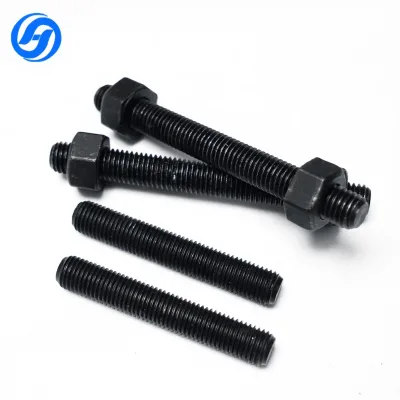


Comprehensive Sourcing Guide
Fully Threaded Rod Sourcing Guide
Procuring fully threaded rods requires a clear understanding of the diverse industrial sectors these fasteners serve, ranging from metal building frameworks to oil and gas infrastructure. Buyers must recognize that these components are critical for structural integrity in tower and pole applications, as well as in wind energy projects where vibration resistance is paramount. The supply chain often features manufacturers with two decades of experience, ensuring that the core product meets the rigorous demands of heavy-duty construction and general industry needs.
When initiating a search, buyers should expect a wide variance in product attributes, including specific thread sizes from M3 to M125 and lengths extending up to six meters. It is essential to distinguish between standard offerings and custom solutions, as many suppliers provide customization services for unique engineering drawings. The market data indicates that while some vendors offer samples, others may require significant minimum order quantities, necessitating a careful review of each supplier's specific commercial terms before committing to a purchase.
Product Scope and Observed Listing Signals
The observed market listings reveal a broad spectrum of product models, including DIN975, A193, and B7 variants, which cater to different structural requirements. Buyers will encounter specifications ranging from 1/2-inch to 4 inches in diameter, with some suppliers offering extended ranges up to 5 inches or M125. These variations suggest that the product scope is not limited to a single standard but encompasses a wide array of threaded rods designed for specific tensile and yield strength applications in various environments.
Listing signals also highlight significant differences in packaging and delivery expectations, with options ranging from simple plastic bags to complex palletized systems weighing up to 900 kilograms. Some suppliers indicate a delivery time of 10 to 15 days, while others may require up to 25 days for production and shipment. This variability underscores the importance of verifying the specific lead time and packaging requirements for each order, as these factors directly impact project timelines and logistics planning for large-scale industrial deployments.
Technical Specifications to Verify
Buyers must rigorously verify the mechanical properties of the rods, specifically looking for tensile strength values of at least 520 MPa and yield strength of 205 MPa to ensure structural safety. The manufacturing process, whether cold or hot forging, significantly influences the grain structure and overall durability of the component, making it a critical factor in the selection process. It is advisable to request detailed material test reports that confirm these strength metrics, as they are fundamental to the rod's ability to withstand the high loads typical in metal building and wind energy applications.
Dimensional accuracy is another vital technical parameter, with observed specifications covering lengths from 10 millimeters to 3000 millimeters and thread standards like ASTM, DIN, ISO, and ANSI. The thread type is often full thread, but buyers should confirm the exact thread pitch and diameter to ensure compatibility with existing hardware and structural designs. Additionally, the head style, such as round heads, and the connection type, typically common bolts, must align with the specific assembly requirements of the intended application to prevent installation failures.
Compliance and Safety Documentation
Ensuring compliance with international standards is a non-negotiable aspect of sourcing fully threaded rods, particularly for projects in regulated industries like oil and gas or wind energy. The supply chain frequently features products certified under ISO 9001, which validates the manufacturer's quality management systems, alongside specific product certifications like ISO, GS, RoHS, and CE. Buyers should demand valid certificates for every batch to confirm that the materials and manufacturing processes adhere to these stringent safety and environmental regulations.
Beyond general certifications, specific documentation regarding the product standard, such as DIN 975 or ASTM A193, must be provided to verify that the rods meet the required performance benchmarks. These documents serve as proof that the product has undergone the necessary testing and inspection protocols to ensure reliability under stress. It is crucial for procurement teams to cross-reference these certificates with the project's technical specifications to avoid any discrepancies that could lead to compliance violations or safety hazards during the construction phase.
Cost Drivers and Commercial Terms
The cost of fully threaded rods is heavily influenced by the minimum order quantity (MOQ), which can range from a single piece to one million pieces depending on the supplier. Buyers must navigate this wide range carefully, as smaller orders may incur higher unit costs, while larger volumes often benefit from economies of scale. Understanding the specific MOQ requirements, whether stated in pieces or kilograms, is essential for budgeting and ensuring that the order volume aligns with the project's financial constraints and inventory needs.
Lead times and customization options also play a significant role in the overall commercial terms, with delivery periods varying from 10 to 25 days. Customization services, such as accepting specific drawings or producing unique thread sizes, may extend the production timeline and increase costs. Additionally, the availability of free samples can help mitigate risk, but buyers should be aware that sample availability does not always guarantee immediate bulk delivery, making it necessary to clarify all delivery schedules and potential surcharges before finalizing the purchase agreement.
Supplier Qualification and Quality Control
Supplier qualification should prioritize manufacturers with a proven track record, such as those boasting twenty years of industry experience and a commitment to 100% quality control testing. The presence of rigorous inspection protocols, including 100% QC tests and 100% inspections, indicates a supplier's dedication to minimizing defects and ensuring that every rod meets the specified mechanical and dimensional standards. Buyers should verify these quality control measures through on-site audits or third-party inspection reports to confirm the consistency of the manufacturing process.
Geographic location and origin, such as Shanghai or Ningbo in China, can impact logistics costs and lead times, making it important to evaluate the supplier's proximity to the project site. Furthermore, the supplier's ability to handle complex packaging requirements, such as 25kg cartons on 900kg pallets, demonstrates their logistical capability and attention to detail. A qualified supplier will also offer competitive advantages like OEM services, allowing for tailored solutions that meet the unique demands of the buyer's specific industrial applications.
Long-Term Procurement Checks
Establishing a long-term procurement strategy requires regular audits of supplier performance, focusing on consistency in delivery times and adherence to quality standards. Buyers should implement a system for tracking defect rates and response times to any quality issues, ensuring that the supplier maintains the high standards required for critical infrastructure projects. Continuous monitoring helps identify potential supply chain disruptions early, allowing for proactive adjustments to the procurement plan and maintaining the integrity of the project schedule.
It is also vital to review the supplier's ability to adapt to changing market conditions, such as fluctuations in raw material costs or shifts in regulatory requirements. A reliable partner will demonstrate flexibility in handling custom orders and maintaining stock levels for standard items, ensuring a steady supply of fully threaded rods for ongoing maintenance and expansion projects. By fostering a collaborative relationship with a qualified supplier, buyers can secure a stable supply chain that supports the long-term success and safety of their industrial operations.
FAQs
What certifications are available for Fully Threaded Rod?
Fully threaded rods are available with ISO, GS, RoHS, and CE certifications. ISO9001 is also commonly provided to ensure quality management standards. These certifications verify that the manufacturing process meets international requirements for safety and reliability in industrial applications.
What is the minimum order quantity for Fully Threaded Rod?
The minimum order quantity varies by supplier, typically ranging from 1000 pieces to 800 kilograms. Some vendors require up to 10,000 pieces for standard orders. Buyers should confirm specific MOQs based on their required specifications and packaging preferences to ensure smooth procurement.
How long is the delivery time for Fully Threaded Rod?
Delivery times generally range from 10 to 15 days or up to 25 days depending on order volume. Standard production cycles allow for relatively quick turnaround. Buyers requiring urgent shipments should verify lead times with suppliers early in the sourcing process to align with project schedules.
Can Fully Threaded Rod be customized for specific projects?
Yes, Fully Threaded Rod customization is available for various industrial needs. Suppliers accept drawings and offer OEM services to meet specific requirements. This flexibility allows buyers to obtain rods tailored to exact dimensions, thread types, and material specifications for specialized construction or mechanical applications.
What standards apply to Fully Threaded Rod manufacturing?
Fully threaded rods are manufactured according to ASTM, DIN, ISO, and ANSI standards. Common models include DIN975, A193, and B7. These standards ensure consistent quality and compatibility across different industries, allowing buyers to select products that meet specific regulatory or engineering requirements for their projects.
What is the tensile strength of Fully Threaded Rod?
Fully threaded rods typically exhibit a tensile strength of at least 520 MPa. Yield strength is generally 205 MPa or higher. These mechanical properties ensure durability and reliability in structural applications. Buyers should verify specific strength ratings with suppliers to match the load requirements of their intended industrial use cases.