Source Fully Refined White Paraffin Wax for Candle, PVC, and Packaging
Compare 30 listings of Fully Refined White Paraffin Wax from verified Chinese suppliers. Buyers can evaluate melting points, oil content, and packaging options for candle manufacturing, PVC processing, and food packaging applications.
Key considerations
Products List

$1180.00 - $1220.00
MOQ: 1 Tons




Comprehensive Sourcing Guide
Strategic Sourcing Guide for Fully Refined White Paraffin Wax
Understanding Product Classification and Core Attributes
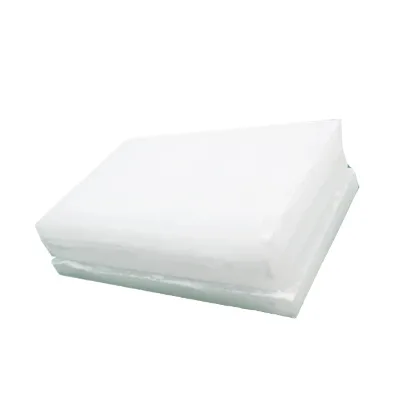
The procurement of Fully Refined White Paraffin Wax requires a precise understanding of its chemical identity and physical state. Based on available industry data, this material is fundamentally classified as a paraffin wax, distinguished by its high degree of refinement and purity. The product is observed in a solid form, typically presenting as white lumps, granules, or slabs. The visual characteristic of "white" is a critical differentiator, often associated with the "fully refined" designation, which implies the removal of impurities and colorants found in less processed variants.
The chemical composition is rooted in low molecular weight polyethylene and wax as the chief constituent. The raw material source is frequently traced to petroleum derivatives, such as Kunlun Oil, processed through specific refining techniques. A key technical observation for buyers is the CAS number 9002-88-4, which serves as a universal identifier for this specific chemical family. The physical state is consistent across listings, appearing as a solid with a density ranging between 0.92 and 0.95 g/cm³. This density range is vital for logistics planning, as it influences volumetric calculations for shipping containers. The product is available in various forms, including granular and slab shapes, which may dictate suitability for specific manufacturing processes like molding or extrusion.
Technical Specifications and Performance Metrics
When evaluating Fully Refined White Paraffin Wax, buyers must scrutinize a specific set of technical parameters that define performance. The melting point is a primary specification, with observed data indicating ranges such as 60°C, 58/60°C, 54/56°C, and 60-62°C. These variations suggest that different models, such as W-105 or specific grade designations like 60/62, cater to distinct thermal requirements. The softening point is another critical metric, with observed values falling between 100-105°C, indicating the temperature at which the material begins to deform under load.
Viscosity is a less commonly cited but essential property for processing applications, with observed ranges of 5-10. For applications requiring flow control, this metric determines how the wax behaves when molten. The oil content is a strict quality indicator; high-quality fully refined variants typically exhibit an oil content of 0.5% or less, with some specifications capping this at 0.5% maximum. This low oil content is a hallmark of the "fully refined" status, ensuring stability and reduced susceptibility to bleeding or exudation in finished products.
Color stability is also monitored through the Saybolt color test, where a value of +30 or higher indicates a bright, white appearance. Light stability is measured on a scale where a value of 4 or lower suggests good resistance to degradation under light exposure. Needle penetration, a measure of hardness, is observed in the range of 17-23 (1/10mm at 25°C), with some specifications setting a maximum of 19. This hardness metric is crucial for applications like candle manufacturing, where the structural integrity of the wax column is paramount. The scale of deoiling is noted as 100% in certain contexts, reinforcing the purity of the final product.
Compliance, Standards, and Certification Verification
Navigating the compliance landscape for paraffin wax involves verifying adherence to both industrial and safety standards. While specific certification bodies are not universally mandated for all transactions, the product is frequently categorized under "Industrial Grade." Buyers must verify if the supplier adheres to specific national or international standards, such as those implied by the "25Bag/50KG Carton" packaging standard or specific oil content limits like "0.5MAX."
The refinement process is a critical compliance point. The term "Fully Refined" implies a rigorous purification process, often involving dewaxing and deoiling steps. Buyers should request documentation confirming the "Scale of Deoiling" and the "Refinement" status to ensure the material meets the "fully refined" claim. In some contexts, the production method is described as "Transfer Legal," which may refer to specific regulatory compliance in the region of origin, though the exact legal framework requires local verification.
Certification checks should extend to the origin of the raw material. Data points to sources such as Petrochina Fushun, indicating a specific supply chain lineage. For international buyers, verifying the "Place of Origin" (e.g., China, Liaoning) is essential for customs classification and potential trade barrier assessments. While specific safety certifications like REACH or FDA are not explicitly listed in the provided data, the "Fully Refined" status often correlates with compliance for food packaging and candle manufacturing applications. Buyers must explicitly request Material Safety Data Sheets (MSDS) and certificates of analysis (CoA) to confirm that the oil content, color, and melting point match the claimed specifications before finalizing a purchase.
Cost Drivers and Pricing Dynamics
The pricing of Fully Refined White Paraffin Wax is influenced by a complex interplay of factors, including raw material costs, refining intensity, and logistics. The observed price range in the market spans from 1 to 1250 USD, a wide variance that reflects differences in grade, quantity, and packaging. This broad spectrum suggests that unit pricing is highly dependent on the specific model (e.g., W-105 vs. 60/62) and the volume ordered.
Minimum Order Quantity (MOQ) is a significant cost driver, with observed ranges from 1 to 500 units. Smaller orders may incur higher per-unit costs due to fixed handling and shipping expenses, whereas bulk purchases often benefit from economies of scale. The packaging format also impacts cost; options include 25kg bags, 50kg woven bags, 50kg cartons, and container loads. The choice between "25kgs/Bags" and "One Block Weigh 5kg" affects the labor cost of unpacking and handling at the destination.
Logistics and origin play a substantial role in the final landed cost. Products originating from Liaoning, China (Mainland), or Fushun may have different freight rates compared to other regions. The "Container" packaging option suggests that large-scale buyers can optimize shipping costs by utilizing full container loads, significantly reducing the per-ton freight expense. Buyers should also consider the "High Temperature Resistance" feature as a value-add; waxes with superior thermal stability may command a premium price but reduce waste and processing failures in high-heat applications.
Typical Applications and Usage Scenarios
Fully Refined White Paraffin Wax is a versatile material utilized across a diverse array of industries. The primary applications include candle manufacturing, where the white color and specific melting point are essential for aesthetic and functional performance. The wax is also a critical component in PVC processing, acting as a lubricant or processing aid to improve the flow and surface finish of polyvinyl chloride products.
In the food industry, the wax is used for food packaging, providing a barrier against moisture and oxygen. The "Low Molecular Weight Polyethylene" content and high refinement level make it suitable for direct or indirect contact with food, provided it meets specific regulatory standards. Another significant application is in poultry depilation, where the wax is used to remove feathers from processed birds. The specific melting and softening points allow the wax to be applied and removed efficiently without damaging the skin.
Additional uses include casting wax, impression wax, and modeling wax, where the precise needle penetration and hardness are required to capture fine details. The material also serves as a raw material in the rubber tire industry, potentially acting as a plasticizer or processing aid. In the wrapper industries, it provides a protective coating for various goods. The versatility of the product is further evidenced by its use as a fuel or raw material in broader chemical processing, highlighting its importance as a foundational industrial chemical.
Supplier Evaluation and Quality Control Protocols
Selecting a reliable supplier for Fully Refined White Paraffin Wax requires a rigorous evaluation of their production capabilities and quality control systems. Buyers should prioritize suppliers who can demonstrate a consistent "Scale of Deoiling" of 100% and a clear traceability of their raw materials, such as Kunlun Oil or Petrochina Fushun sources. The "Production Methods" should be transparent, with a focus on "Transfer Legal" processes that ensure regulatory compliance.
Quality control protocols must be established to verify the technical specifications mentioned earlier. Buyers should mandate regular testing for oil content (targeting 0.5% or less), melting point (verifying the specific grade, e.g., 60°C), and needle penetration (17-23 range). The color stability, measured via the Saybolt test (+30), and light stability (4 Max) should be verified through batch testing. Packaging integrity is also a quality control point; the "25kgbox/50kg Bags" or "Container" specifications must be met to prevent contamination or moisture ingress during transit.
Suppliers should provide detailed technical data sheets that align with the observed attributes, including density (0.92-0.95 g/cm³) and viscosity (5-10). The ability to customize the product, as noted in the "Customization: Available" attribute, is a valuable indicator of a supplier's flexibility. Buyers should assess the supplier's capacity to meet varying MOQs and their ability to provide samples for pre-shipment testing. The "High Temperature Resistance" feature should be validated through independent testing to ensure it meets the specific demands of the buyer's application.
Long-Term Procurement and Supply Chain Considerations
Sourcing Fully Refined White Paraffin Wax is not merely a transactional activity but a strategic long-term partnership. Buyers must consider the stability of the supply chain, particularly given the reliance on specific raw materials like Kunlun Oil. Geopolitical factors and the location of the "Place of Origin" (China, Liaoning) can impact supply continuity. Establishing a relationship with suppliers who have a proven track record in "Industrial Grade" production ensures a steady flow of materials.
The "Customization" capability of suppliers allows for long-term adaptation to changing market needs. As applications evolve, the ability to adjust the melting point, oil content, or packaging format becomes crucial. Buyers should also monitor the "Key Features" such as high temperature resistance, as these attributes may become more critical in future applications or regulatory environments.
Sustainability and environmental compliance are increasingly important in long-term procurement. While specific environmental certifications are not detailed in the provided data, the "Fully Refined" status often implies a cleaner production process. Buyers should inquire about the environmental impact of the refining process and the disposal of by-products. Finally, the "Standard" of "25Bag/50KG Carton" or "oil content: 0.5MAX" should be maintained as a baseline for all future orders to ensure consistency in product performance and cost predictability. By focusing on these long-term factors, buyers can secure a reliable supply of high-quality Fully Refined White Paraffin Wax.
FAQs
What is the melting point of Fully Refined White Paraffin Wax?
The melting point typically ranges from 54°C to 62°C depending on the specific model grade. Common specifications include 60°C, 58/60°C, and 60-62°C, which determine suitability for candle manufacturing or PVC processing applications.
How is the oil content controlled in Fully Refined White Paraffin Wax?
High-quality fully refined variants maintain an oil content of 0.5% or less, with some specifications capping it at 0.5% maximum. This low oil content ensures stability and reduces the risk of bleeding in finished products like food packaging or candles.
Which packaging formats are available for Fully Refined White Paraffin Wax?
Available packaging includes 25kg bags, 50kg woven bags, 50kg cartons, and container loads. Specific options also feature 5kg blocks or 25kg boxes, allowing buyers to select formats that match their handling and logistics requirements.
Can Fully Refined White Paraffin Wax be customized for specific needs?
Yes, customization is available to meet specific industrial requirements. Buyers can request adjustments to parameters such as melting point, oil content, or packaging format, ensuring the material aligns with precise application needs like poultry depilation or rubber tire processing.
What is the density of Fully Refined White Paraffin Wax?
The density of this material ranges between 0.92 and 0.95 g/cm³. This physical property is critical for logistics planning, as it influences volumetric calculations for shipping containers and helps determine the weight-to-volume ratio for transport.
Where is Fully Refined White Paraffin Wax typically sourced from?
The product originates from China, specifically from regions like Liaoning and Fushun. Raw materials are often traced to sources such as Kunlun Oil, processed through refining techniques to achieve the fully refined industrial grade status.