Source Galvanized Single Layer Tomato Hook for Flowers, Vegetables, Seedlings
Find 30 listings for the Galvanized Single Layer Tomato Hook designed for flower, vegetable, and seedling cultivation. Compare specifications including wire diameter, length, and load capacity to identify suitable options for production greenhouses.
Key considerations
Products List






Comprehensive Sourcing Guide
Strategic Sourcing Guide for Galvanized Single Layer Tomato Hooks
The agricultural sector relies heavily on specialized hardware to maximize crop yield and ensure structural integrity within greenhouse environments. For buyers specifically targeting the Galvanized Single Layer Tomato Hook, the procurement process requires a nuanced understanding of material composition, dimensional specifications, and supplier verification protocols. This guide synthesizes available market data to provide a disciplined framework for sourcing these critical agricultural components, ensuring that purchasing decisions are grounded in observable facts rather than unverified marketing claims.
Technical Specifications and Material Composition
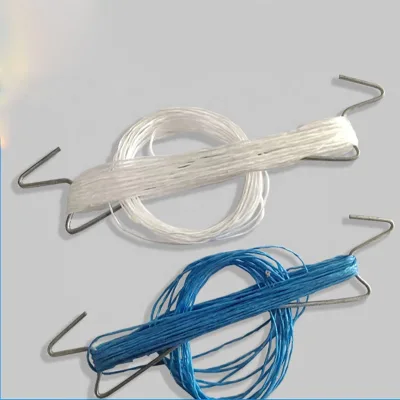
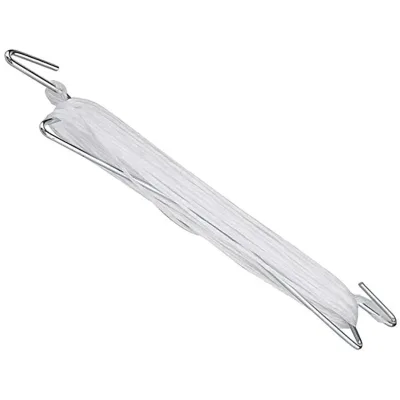
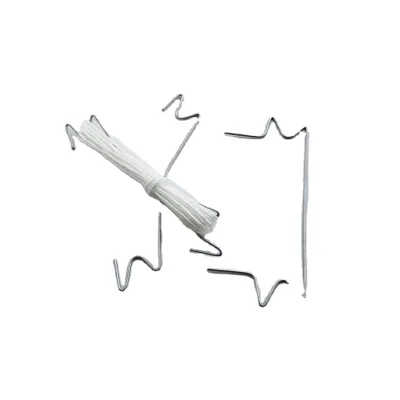
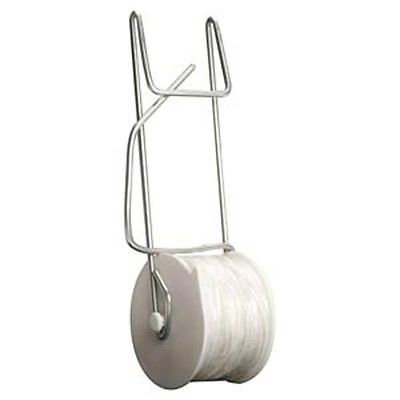
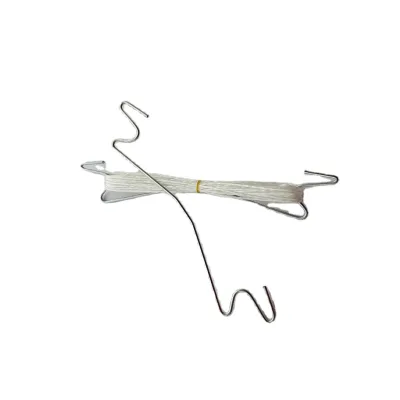
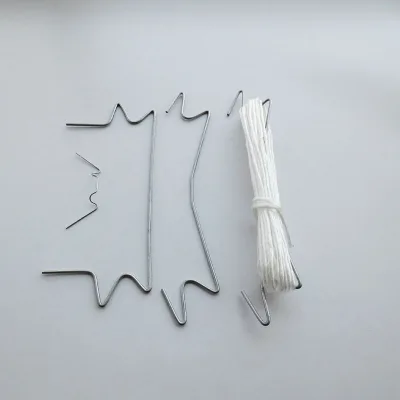
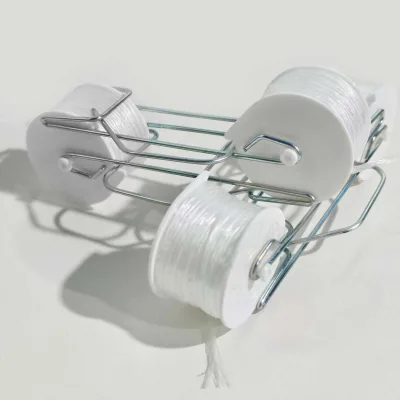
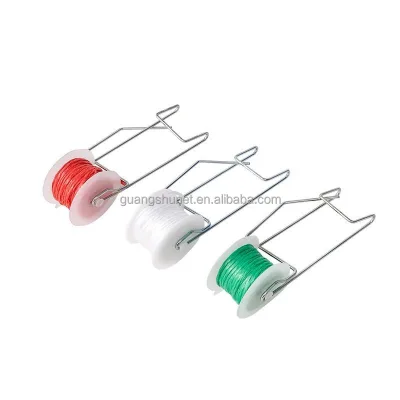
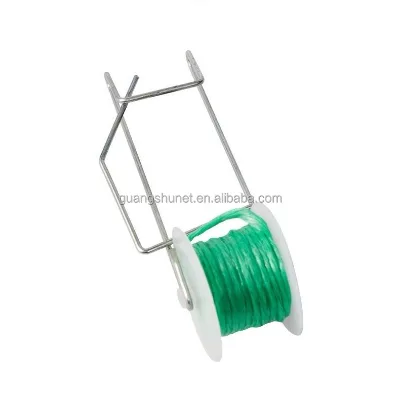
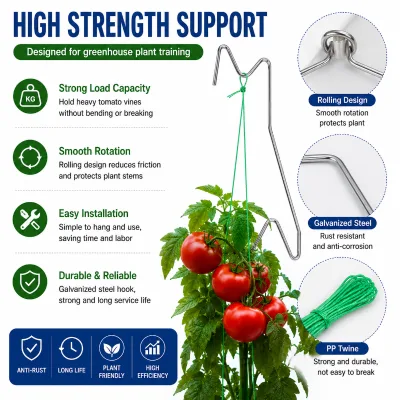
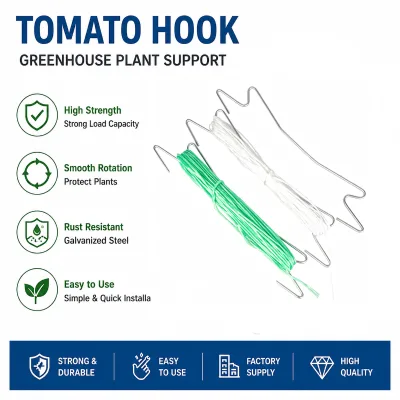
The core identity of a Galvanized Single Layer Tomato Hook is defined by its dual-material construction and precise dimensional tolerances. Based on observed product attributes, the most robust units combine galvanized steel wire with PE (polyethylene) components. The steel wire serves as the primary load-bearing element, typically featuring a wire diameter of 3mm, which provides the necessary tensile strength to support the weight of developing tomato clusters without sagging or breaking. The galvanized coating is essential for corrosion resistance, particularly in the humid, high-temperature environments typical of production greenhouses.
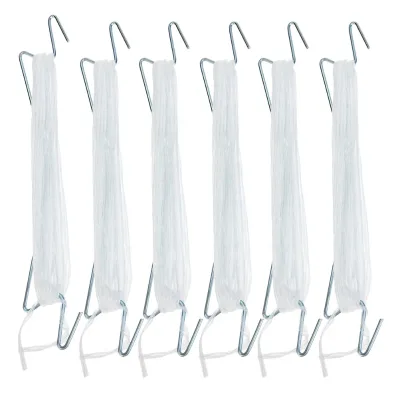
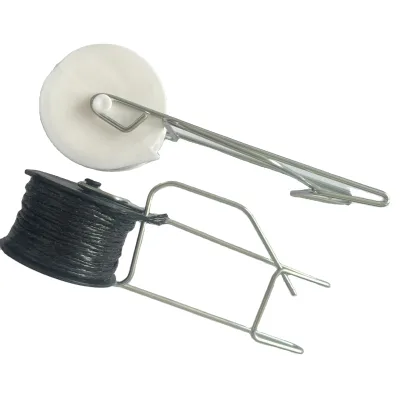
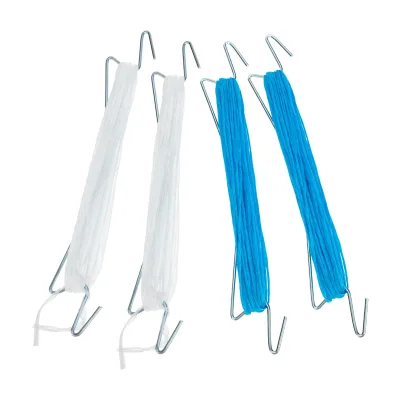
In addition to the metal wire, the product often integrates a PVC roller or a PE component to facilitate the smooth movement of the twine. The color of these hooks is predominantly white or galvanized, depending on the specific finish applied to the metal. Dimensional consistency is critical for installation; observed specifications indicate a standard length of 22cm, though variations exist. The twine length associated with these hooks varies significantly, with common offerings ranging from 5m to 15m, and some suppliers listing options up to 12m or 15m. Buyers must verify the exact twine length required for their specific greenhouse row spacing, as the Single package size can vary from XX cm to larger dimensions like 43x36x29 cm for bulk packaging.
The product model designations found in the market include identifiers such as sandard or YC-S005-16, which often correspond to specific configurations of the hook and twine assembly. The weight of individual units is relatively low, with some listings indicating a single gross weight of 0.024kg for the hook itself, while bulk packages may weigh up to 28.500 kg. Understanding these physical attributes is the first step in ensuring compatibility with existing greenhouse infrastructure.
Compliance, Certification, and Quality Standards
When evaluating suppliers for galvanized tomato hooks, verification of quality standards is paramount. While some product listings explicitly mention adherence to ISO standards, buyers should not assume that all listed products automatically meet this certification without requesting current documentation. The presence of an ISO reference in a product description suggests a commitment to international quality management, but it must be validated against the specific batch being purchased.
Furthermore, the Product Grade is frequently described as High, indicating a focus on durability and performance. However, "High Grade" is a qualitative descriptor rather than a quantifiable metric. Buyers should look for evidence of Material quality, such as the use of Stainless Steel in specific high-corrosion applications or the specific grade of galvanized steel used. The Cover Material for the twine or roller is often listed as Film or PVC, and the integrity of these materials is crucial for preventing degradation under UV exposure.
Suppliers may also offer OEM (Original Equipment Manufacturer) services, allowing for customization of the hook design or branding. This is particularly relevant for large-scale greenhouse operators who require uniformity across their facilities. The Customization attribute is widely available, suggesting that buyers can request specific wire diameters, lengths, or coating thicknesses to match their unique operational needs. However, any deviation from standard specifications should be confirmed through a formal request for quotation (RFQ) and sample testing.
Cost Drivers and Pricing Dynamics
The pricing of galvanized single layer tomato hooks is influenced by several key factors, primarily the cost of raw materials and the scale of production. The observed price range in the market is approximately 0.04 to 1.00 USD per unit. This wide variance reflects differences in wire diameter, twine length, material quality, and packaging efficiency. A unit priced at the lower end of the spectrum may utilize a thinner wire or shorter twine, while a unit at the higher end likely offers enhanced durability, longer twine, or superior galvanization.
MOQ (Minimum Order Quantity) is another significant cost driver. The observed MOQ range spans from 100 to 10,000 units. For small-scale operations or initial trials, suppliers with lower MOQs (e.g., 100 units) are essential, though the unit price may be higher due to setup costs. Conversely, large-scale procurement allows buyers to leverage economies of scale, potentially securing lower unit prices by ordering closer to the 10,000-unit threshold. The Selling Units are typically listed as Single item, but bulk transactions are often packaged in 240pcs/ctn or similar configurations to optimize shipping and handling.
Additional cost considerations include Shipping methods, which can be arranged By Sea, By Air, or By Land. Sea freight is generally the most cost-effective for large volumes, while air freight may be necessary for urgent, smaller orders. The Single package size and Single gross weight directly impact freight costs, as larger and heavier packages incur higher shipping fees. Buyers should calculate the total landed cost, including freight and potential duties, rather than focusing solely on the unit price.
Typical Applications and Operational Suitability
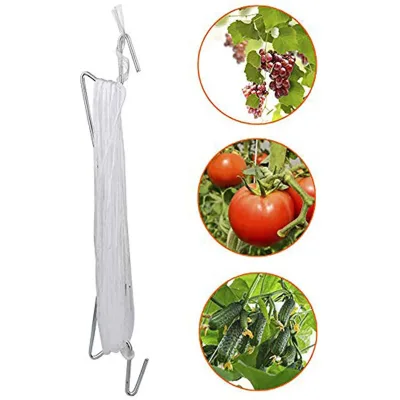
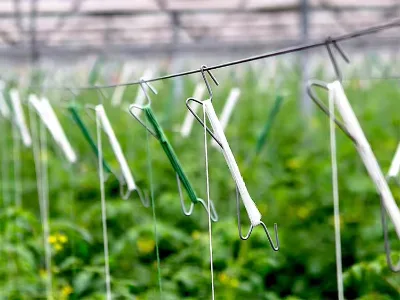
Galvanized single layer tomato hooks are designed for specific agricultural environments, primarily Production Greenhouses and Plastic Greenhouses. Their primary function is to support the growth of Tomatoes, but they are also suitable for Flowers, Vegetables, and Seedling Cultivation. The Usage is explicitly defined as Grow Tomatoes, tomato hook, and tomato clips, highlighting their specialized role in vertical farming systems.
The Span of the greenhouse infrastructure is another critical factor. These hooks are compatible with Multi-Span Agricultural Greenhouses, where the structural layout requires uniform support systems across multiple bays. The Instruction for use typically involves hanging the hook from the greenhouse structure and attaching the twine to the tomato plant, allowing for vertical growth and easy adjustment as the plant matures. The high strength clips feature ensures that the connection between the hook and the twine remains secure, preventing accidental detachment that could damage the crop.
The Style of the hook, often described as a Coil, allows for flexibility in installation and adjustment. This design is particularly useful in Industrial settings where high-volume planting requires rapid deployment and consistent support. The Department classification of Plastic Greenhouse further emphasizes the material context in which these hooks operate, suggesting they are optimized for use with plastic film covers and associated structural elements.
Supplier Evaluation and Geographic Considerations
When sourcing these products, the Place of Origin is a significant indicator of supply chain dynamics. The majority of observed products originate from Jiangsu or Hebei, China. These regions are known for their robust manufacturing capabilities in agricultural hardware. Jiangsu is often associated with advanced manufacturing and export-oriented production, while Hebei is a major hub for steel and wire products. Buyers should verify the specific factory location to ensure alignment with their logistical preferences and quality expectations.
Supplier evaluation should extend beyond product specifications to include Payment terms and Sample availability. Standard payment methods include T/T (Telegraphic Transfer), L/C (Letter of Credit), and West Union. The availability of Samples is a critical step in the evaluation process, allowing buyers to physically inspect the wire diameter, galvanization quality, and twine strength before committing to a large order. The Brand Name of the supplier, such as guiyuanhe or YongChuang, can provide insight into their market reputation, though buyers should conduct independent due diligence rather than relying solely on brand recognition.
Quality Control and Long-Term Procurement Strategy
Ensuring long-term success in procurement requires a rigorous quality control (QC) strategy. Buyers should verify the Load Capacity of the hooks, with some listings indicating a capacity of 10 lb. This figure serves as a baseline, but actual performance may vary based on the specific Material grade and Galvanization thickness. Regular inspections of the Color (white or galvanized) and Material (PE, galvanized steel, stainless steel) are necessary to detect signs of degradation or non-compliance with specifications.
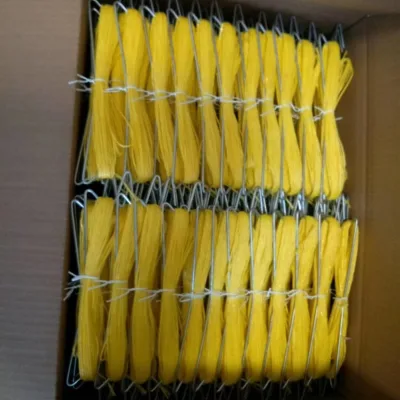
The Packing method, often PE Bag+carton Box, plays a vital role in protecting the hooks during transit. Buyers should ensure that the packaging is robust enough to prevent damage, especially given the Single gross weight of bulk shipments. For long-term procurement, establishing a relationship with suppliers who offer OEM services and Customization can provide a competitive advantage. This allows for the development of proprietary designs that may offer better performance or cost efficiency over time.
In conclusion, sourcing galvanized single layer tomato hooks requires a balanced approach that considers technical specifications, cost dynamics, and supplier reliability. By focusing on verified attributes such as wire diameter, material composition, and origin, buyers can mitigate risks and ensure a steady supply of high-quality agricultural hardware. The market offers a range of options, from small-batch trials to large-scale industrial orders, providing flexibility for growers of all sizes. Continuous monitoring of product performance and supplier compliance will be essential for maintaining operational efficiency in greenhouse environments.
| Feature | Observed Specification | Verification Requirement |
|---|---|---|
| Material | PE, Galvanized Steel Wire, Stainless Steel | Request material test reports for steel grade and coating thickness. |
| Wire Diameter | 3mm | Measure sample to confirm tolerance and tensile strength. |
| Length | 22cm (Hook), 5m-15m (Twine) | Verify exact dimensions against project requirements. |
| Load Capacity | 10 lb (observed) | Conduct load testing on a sample batch before full order. |
| Origin | Jiangsu, Hebei, China | Confirm factory location and audit capabilities. |
| Packaging | 240pcs/ctn, PE Bag+Carton | Inspect packaging integrity for shipping durability. |
| Certification | ISO (mentioned) | Request valid ISO certificate for the specific product line. |
FAQs
What materials are used for galvanized single layer tomato hooks?
These hooks are constructed from galvanized steel wire and PE components. The wire typically has a 3mm diameter for strength, while the roller or twine may use PVC or film materials to ensure durability in humid greenhouse environments.
How long is the twine included with the tomato hook?
Twine lengths vary significantly between 5m and 15m depending on the specific model. Buyers should verify the exact length required for their greenhouse row spacing, as options include 5m, 6m, 10m, 12m, and 15m configurations.
Which suppliers offer customization for these agricultural hooks?
Customization is widely available for these products to match specific operational needs. Buyers can request adjustments to wire diameters, lengths, or coating thicknesses, though any deviation from standard specifications requires a formal request for quotation.
Can I find hooks with a 10 lb load capacity?
Yes, some listings indicate a load capacity of 10 lb for these hooks. However, actual performance depends on the specific material grade and galvanization thickness, so verifying the load capacity against the batch documentation is essential.
What is the typical price range for these tomato hooks?
The observed price range is approximately 0.04 to 1.00 USD per unit. This variance reflects differences in wire diameter, twine length, material quality, and packaging efficiency, with lower prices often corresponding to thinner wire or shorter twine.
Where are these hooks typically manufactured?
Most observed products originate from Jiangsu or Hebei, China. These regions are known for robust manufacturing capabilities in agricultural hardware, with Jiangsu often associated with advanced export production and Hebei serving as a major hub for steel products.