Source Galvanized Self Tapping Drywall Screw for Construction
Find and compare 30 listings for Galvanized Self Tapping Drywall Screw options suitable for construction projects. Evaluate specifications such as head style, thread type, and material grades to identify the right fasteners for your needs.
Key considerations
Products List


Dry Wall Screw Self Tapping Black Galvanized Wall Board Dry Wall Nails
$1050.00 - $1100.00
MOQ: 1 Tons


Perfect Quality Drywall Screws Galvanized Self Tapping Screws Bugle Head
$0.01 - $0.01
MOQ: 100000 Pieces


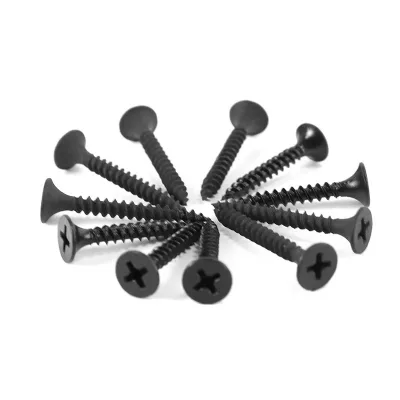


Stainless Steel Wholesale Self Drywall Wood Screw Tapping Drilling Screw
$0.05 - $0.20
MOQ: 100000 Pieces


Comprehensive Sourcing Guide
Galvanized Self Tapping Drywall Screw Sourcing Guide
Sourcing galvanized self-tapping drywall screws requires a disciplined approach to distinguishing between general-purpose fasteners and specialized construction hardware. The market listing signals indicate a diverse range of products, from standard expansion bolts to specific drywall screws, often originating from manufacturing hubs in China. Buyers must navigate this variety by focusing on precise material grades, surface treatments, and head styles that align with their specific installation requirements. The presence of ISO certifications and GB standards in observed listings provides a baseline for quality assurance, but it is critical to verify that these certifications apply to the specific product variant being purchased rather than the supplier’s general portfolio.
The procurement process for these fasteners involves balancing technical specifications with commercial terms such as minimum order quantities (MOQ) and packaging methods. Observed data suggests a wide price range and varying MOQs, reflecting the heterogeneity of the supply base. Effective sourcing begins with a clear definition of the screw’s intended use, whether for securing gypsum board to wood or metal studs, and ensuring that the selected fastener meets the necessary shear and tensile strength requirements. By prioritizing verified technical attributes over generic marketing claims, buyers can mitigate the risk of receiving substandard materials that may fail under structural load or environmental stress.
Product Scope and Observed Listing Signals
The observed product landscape includes a mix of fastener types, with a notable presence of items explicitly labeled as drywall screws and others categorized broadly as expansion bolts or self-drilling screws. Listings indicate materials ranging from nylon and plastic to carbon steel, highlighting the importance of verifying the core material for structural applications where metal strength is non-negotiable. For drywall installation, carbon steel is the predominant material due to its durability and compatibility with galvanization processes. Buyers should scrutinize product titles and descriptions to ensure the item is indeed a self-tapping screw designed for drywall, as some listings may use similar terminology for unrelated hardware like anchor bolts or generic connection bolts.
Surface treatment and color are key identifiers in the current market, with observations noting "Galvanized," "Bright," and "White" finishes. The term "White Drywall Screws" appears in the data, which may refer to phosphate-coated or painted screws designed to be less visible or resistant to specific corrosion types, distinct from the traditional zinc galvanized finish. Additionally, head styles vary, with "Round Head" and "Hexagonal" heads observed, each serving different installation needs. Round heads are often used for countersinking in drywall, while hex heads facilitate higher torque application with impact drivers. Understanding these visual and functional distinctions is essential for selecting the correct fastener for a given project specification.
Technical Specifications to Verify
Dimensional accuracy is a critical verification step, with observed specifications including sizes such as 1642, 1340, and 13*42mm. Buyers must confirm that the screw length and diameter are appropriate for the thickness of the drywall and the depth of the stud material to ensure secure attachment without protrusion or insufficient grip. The thread type is another vital attribute, with "Fine" threads observed, which are often preferred for metal stud applications to provide better holding power and reduce the risk of stripping. For wood stud applications, coarser threads may be more common, so verifying the thread pitch and profile against the installation manual is necessary to prevent installation failures.
The groove style and point design also play significant roles in performance. Observations note "Cross" grooves, which are compatible with standard Phillips drivers, and "Sharp Point" designs that facilitate easier penetration into the substrate. Some listings mention "Self Drilling" capabilities, which are essential for metal stud applications where pre-drilling is not feasible. Buyers should verify that the screw’s point geometry and flute design are optimized for the specific material being fastened. Additionally, the connection type, whether "Common Bolt" or "Hinged Bolts," should be clarified, as drywall screws typically function as direct fasteners rather than hinged connections, making this a key differentiator in product selection.
Compliance and Safety Documentation
Certification verification is a primary step in ensuring product reliability, with ISO and ISO9001 certifications observed in the supplier listings. These certifications indicate that the manufacturer has established quality management systems, but buyers should request specific certificates for the drywall screw product line to ensure compliance with relevant standards. The presence of GB standards in the data suggests adherence to Chinese national standards, which may be sufficient for domestic projects but might require translation or equivalence mapping for international markets. Buyers should confirm if the supplier also complies with international standards such as ASTM or DIN, particularly if the project specifications mandate specific testing protocols or material grades.
Safety and performance documentation should include test reports for tensile strength, hardness, and corrosion resistance. While specific test results are not provided in the observed data, buyers should request these documents to verify that the screws meet the required load-bearing capacities for drywall installations. The surface finishing, whether "Bright" or "Galvanized," should be accompanied by documentation confirming the thickness of the zinc coating, which directly impacts corrosion resistance. Ensuring that the product documentation is complete and verifiable helps in maintaining project compliance and avoiding liability issues related to fastener failure.
Cost Drivers and Commercial Terms
Pricing in the observed market ranges significantly, from low-cost items to higher-priced specialized screws, reflecting variations in material quality, surface treatment, and order volume. The minimum order quantity (MOQ) also varies widely, with some listings requiring as little as 1 unit and others demanding up to 100,000 units or 2 tons. Buyers should align their order volume with their project needs to avoid excessive inventory costs or stockouts. Understanding the cost structure, including raw material fluctuations and manufacturing processes, can help in negotiating better terms and ensuring that the price reflects the quality of the product.
Packaging and logistics are additional cost factors, with observed packing methods including cartons, pallets, and polybags. Efficient packaging reduces the risk of damage during transit and optimizes storage space, which can lower overall logistics costs. Buyers should inquire about the packaging details to ensure that the screws are protected from moisture and physical damage, which could compromise their integrity. Additionally, lead times and shipping terms should be clarified to ensure timely delivery, especially for large-scale construction projects where delays can impact the entire schedule.
Supplier Qualification and Quality Control
Supplier qualification involves verifying the manufacturer’s production capabilities and quality control processes. Buyers should assess the supplier’s ability to produce consistent quality across batches, particularly for critical attributes like thread pitch, head style, and surface treatment. The observation of "Customization" availability suggests that some suppliers can tailor products to specific requirements, which can be beneficial for unique project needs. However, customization may introduce additional costs and lead times, so buyers should weigh these factors against the benefits of a tailored solution.
Quality control measures should include in-process inspections and final product testing to ensure that the screws meet the specified standards. Buyers should request information on the supplier’s quality assurance protocols, including how they handle defects and non-conforming products. Establishing a clear communication channel with the supplier for addressing quality issues is essential for maintaining project standards. Additionally, considering the supplier’s location, such as Tianjin, China, can provide insights into their logistical advantages and potential supply chain risks.
Long-Term Procurement Checks
Long-term procurement success depends on establishing a reliable supply chain that can meet ongoing project demands. Buyers should monitor supplier performance over time, tracking metrics such as delivery reliability, product consistency, and responsiveness to issues. Regular audits or site visits, if feasible, can provide deeper insights into the supplier’s operations and help identify potential risks early. Building a relationship with a qualified supplier can lead to better pricing, priority service, and access to new product developments.
Continuous evaluation of market trends and technological advancements in fastener technology is also important. As construction methods evolve, the requirements for drywall screws may change, necessitating updates to sourcing strategies. Buyers should stay informed about new materials, coatings, and designs that may offer improved performance or cost savings. By maintaining a proactive approach to supplier management and market analysis, buyers can ensure that their procurement strategy remains effective and aligned with project goals.
FAQs
What materials are used for galvanized self tapping drywall screws?
These screws are commonly made from carbon steel or plastic materials. Some products feature a galvanized surface finish to enhance corrosion resistance. The specific material depends on the manufacturer's grade and intended application for construction use.
Which certifications do these screws typically hold?
Many products carry ISO or ISO9001 certifications to ensure quality management standards. Some listings also reference GB, DIN, or ANSI standards. Buyers should verify specific certificates with the supplier to confirm compliance with regional requirements.
How are these screws packaged for shipment?
Packaging options include cartons, polybags, or combinations with pallets. Specific configurations vary, such as 50kg per polybag or 1000 pieces per box. Customized packing arrangements are often available to meet specific logistical needs.
Can I get free samples of these screws?
Free samples are available for many suppliers to allow product evaluation. This option helps buyers verify quality before placing larger orders. Buyers should confirm sample availability and shipping terms directly with the vendor.
What is the minimum order quantity for these screws?
Minimum order quantities vary significantly, ranging from single pieces to 100,000 units. Some suppliers set thresholds like 2 tons for bulk orders. The specific MOQ depends on the supplier's capacity and the product model selected.
Where are these screws manufactured?
Products originate primarily from China, with specific manufacturing hubs like Tianjin. This location influences shipping times and logistics costs. Buyers should check the specific origin listed for each supplier to plan their supply chain effectively.
What head styles are available for these screws?
Available head styles include round heads and hexagonal heads. The groove type may be cross or hexagon depending on the design. Selection depends on the driving tool compatibility and the specific application requirements.
Are custom specifications available for these screws?
Customization is available for various product attributes like size and model. Buyers can request specific dimensions such as 13*40mm or 16*42mm. Custom orders allow for tailored solutions to meet unique project specifications.