Source Galvanized Steel Shoring Prop Jack for Construction
Compare 30 listings for Galvanized Steel Shoring Prop Jack from verified suppliers. Buyers can evaluate adjustable lengths, thickness options, and customization features for internal scaffolding and shoring applications to find suitable mobile or suspended support systems; compare the available evidence and request quotations based on your requirements.
Key considerations
Products List


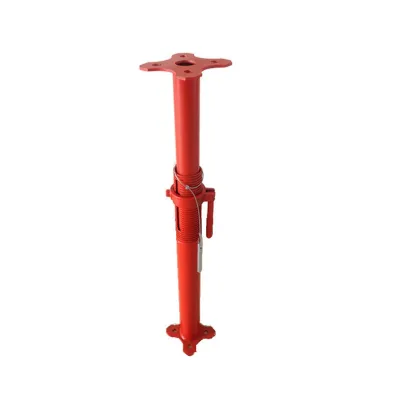
Chinese Credible Supplier Durable Steel Shoring Prop Jacks for Construction
$7.14 - $8.15
MOQ: 1000 pieces


Adjustable Steel Shoring Prop/Post Shore Jack Formwork Scaffolding Steel Shoring Jack
$15.00 - $35.00
MOQ: 1000 Pieces

Light Weight and Durable Aluminium Post Shore / Aluminium Shoring Systems
$50.00 - $100.00
MOQ: 1000 Pieces


Scaffold Shoring Prop Adjustable Props Jack Scaffolding Steel Shoring Prop
$8.00 - $12.00
MOQ: 1000 Pieces


Comprehensive Sourcing Guide
Galvanized Steel Shoring Prop Jack Sourcing Guide
Buyers must first distinguish between mobile scaffolding systems and static shoring props, as the observed listings reveal a mix of suspended, projecting, and internal scaffolding configurations. The product data indicates that while some units function as mobile horizontal scaffolding, others are specifically designed as adjustable steel props for building shoring. This distinction is critical because the load-bearing requirements and erection positions vary significantly between a temporary working platform and a structural support post. Procurement teams should verify the specific supporting mode required for their project, whether it involves single-row lapping forms or full scaffolding frameworks, to ensure the selected component matches the intended structural application.
The observed market signals show a wide range of customization options, including adjustable lengths from 1.2m to 3.6m and customizable diameters, which suggests flexibility in sourcing but requires precise specification. Suppliers offer various surface treatments such as pre-galvanized, hot-dip galvanized, or painted finishes, alongside different thicknesses ranging from 1.5mm to 4.0mm. Buyers should not assume all listed products meet a single standard; instead, they must cross-reference the specific model numbers like F04 or generic steel shoring jacks against their engineering drawings. Confirming the exact material grade, such as Q235 steel, and the specific lapping form is essential before placing an order to avoid compatibility issues during installation.
Product Scope and Observed Listing Signals
The product scope encompasses a diverse array of steel props and scaffolding parts, ranging from simple adjustable jacks to complex combined scaffolding frameworks. Listings frequently mention keywords like Acrow prop and shoring post, indicating that the market includes both generic steel props and specialized branded equivalents. The observed data highlights that these components are primarily used for internal scaffolding and building construction, with some units designed for projecting scaffolding modes. Buyers should carefully review the product name and structural style to ensure the item is a multi-pole scaffolding unit or a single prop, as the functional difference impacts the stability and load distribution of the temporary structure.
Commercial signals in the listings reveal significant variability in packaging and delivery terms, which can affect logistics planning and on-site storage. Some suppliers offer tray and bandage packing, while others provide bundle packaging or custom steel pallet solutions, with quantities often standardized at 100 pieces per pallet. The delivery time ranges from 7 to 20 working days, and minimum order quantities (MOQ) can vary from 200 units up to 2000 units depending on the specific configuration. Procurement managers must align their order volume with these MOQ thresholds and account for the lead time differences between standard models and those requiring custom color or dimension adjustments.
Technical Specifications to Verify
Verification of the physical dimensions and material thickness is the primary technical step, as the observed data lists thicknesses ranging from 1.5mm to 4.0mm and lengths from 1.2m to 3.6m. Buyers must confirm that the selected prop's wall thickness matches the load-bearing calculations for their specific project, as thinner gauges may not support heavy concrete loads. The diameter is often customizable, but standard sizes like 48mm or 60mm are common in the listings. It is imperative to request mill test reports or specific dimension certificates to validate that the actual product thickness and diameter align with the advertised specifications, ensuring the structural integrity of the shoring system.
Surface treatment and standard compliance are equally critical technical factors that influence the longevity and safety of the shoring props. The market offers pre-galvanized, galvanized, and painted finishes, with some products adhering to European and American standards. Buyers should verify the specific standard code, such as EN 1065 or other regional equivalents, to ensure the product meets the regulatory requirements of their construction site. Additionally, the structural style, whether it is a single-row or multi-pole configuration, must be confirmed against the project's scaffolding plan. Ensuring the surface treatment is appropriate for the environmental conditions of the site will prevent premature corrosion and maintain the prop's load capacity over time.
Compliance and Safety Documentation
Safety documentation is a non-negotiable requirement for sourcing steel shoring props, as these components are critical for preventing structural collapse during construction. The observed listings indicate that many suppliers provide certifications such as CE, ISO, and RoHS, which serve as evidence of compliance with international safety and environmental standards. Buyers must request valid, up-to-date certification documents for every batch of products purchased, rather than relying on general supplier claims. Verifying that the specific model number and batch correspond to the issued certificates ensures that the products have undergone the necessary quality control checks and testing procedures required for safe use in high-risk environments.
Beyond general certifications, specific test results and load capacity ratings must be reviewed to validate the safety of the shoring props. While the provided data mentions CE and ISO certifications, it does not explicitly list specific load test results or proof of compliance with local building codes. Procurement teams should demand detailed test reports that demonstrate the prop's performance under maximum load conditions, including any relevant third-party inspection reports. Ensuring that the product meets the specific safety standards of the project location is essential, as relying solely on general certifications without specific load data can lead to significant safety liabilities and potential project delays.
Cost Drivers and Commercial Terms
The cost of galvanized steel shoring props is heavily influenced by the raw material price of Q235 steel and the complexity of the surface treatment process. Buyers should anticipate that products with thicker walls, such as 3.0mm or 4.0mm, or those with specialized galvanization will command higher prices than standard thin-gauge options. The observed price range of 3 to 1000 USD reflects this variability, with the final cost depending on the specific customization, such as custom colors or unique dimensions. Understanding these cost drivers allows procurement teams to negotiate more effectively and budget accurately for the total project cost, including any premiums for expedited manufacturing or specialized finishes.
Commercial terms regarding minimum order quantities and delivery timelines are significant factors that impact the overall procurement strategy and cash flow. The data indicates MOQs ranging from 200 to 2000 units, with production times varying from 7 to 20 working days. Buyers must plan their orders well in advance to accommodate these lead times, especially if custom packaging or specific dimensions are required. Negotiating favorable payment terms and clarifying the Incoterms for shipping is essential, as the origin is listed as China, which may involve international logistics costs. Aligning the order schedule with the project timeline ensures that the materials arrive on-site when needed, avoiding costly delays in the construction schedule.
Supplier Qualification and Quality Control
Supplier qualification should focus on verifying the manufacturer's ability to consistently produce steel props that meet the specified technical and safety standards. Buyers must assess the supplier's production capacity, particularly their ability to handle the observed MOQs and deliver within the 10-20 day window. It is crucial to confirm that the supplier has a robust quality control system in place to manage the variability in thickness and surface treatment, ensuring that every batch meets the agreed-upon specifications. Requesting references from previous clients or visiting the manufacturing facility can provide valuable insights into the supplier's reliability and their commitment to maintaining high-quality standards.
Quality control measures must extend beyond the initial inspection to include ongoing monitoring of the production process and final product testing. Buyers should implement a rigorous inspection protocol that includes checking the dimensions, surface finish, and structural integrity of the shoring props upon receipt. The observed data suggests that some suppliers offer custom packaging, which can be a point of failure if not properly managed. Ensuring that the packaging protects the props from damage during transit and that the labeling clearly identifies the product specifications is vital. Regular audits and third-party inspections can help maintain the quality of the supply chain and ensure that the shoring props remain safe and reliable throughout the project lifecycle.
Long-Term Procurement Checks
Long-term procurement checks should prioritize the consistency of product quality and the reliability of the supplier's supply chain over the duration of the project. Buyers must establish a system for tracking the performance of the shoring props in the field, noting any issues related to corrosion, structural failure, or dimensional inaccuracies. This feedback loop is essential for identifying potential problems early and addressing them with the supplier before they escalate into safety hazards or project delays. Maintaining open communication with the supplier and conducting periodic reviews of the product performance ensures that the procurement strategy remains aligned with the project's evolving needs.
Sustainability and environmental compliance are increasingly important factors in long-term procurement decisions, particularly given the RoHS certification observed in the listings. Buyers should verify that the supplier adheres to environmental standards throughout the manufacturing process, including the disposal of waste and the use of eco-friendly materials. Ensuring that the supplier can provide documentation on their environmental practices and compliance with relevant regulations is crucial for maintaining a sustainable supply chain. By prioritizing suppliers who demonstrate a commitment to environmental responsibility, buyers can mitigate risks associated with regulatory changes and enhance the overall reputation of their construction projects.
FAQs
What customization options are available for the steel prop?
Customization is available for color, height, and specific dimensions to meet project needs. The product supports customer requirements for color and can be customized accordingly for height. This flexibility allows buyers to tailor the steel prop to their exact structural specifications without compromising on the standard European American quality.
Which certifications do the galvanized steel shoring props hold?
The products hold CE, ISO, and RoHS certifications to ensure safety and compliance. Some listings also mention SGS certification alongside CE standards. These certifications verify that the steel props meet international quality and safety requirements for construction applications in various global markets.
How long is the delivery time for these scaffolding props?
The standard delivery time ranges from 10 to 20 days after order confirmation. Some production schedules indicate a lead time of 7 working days for specific orders. Buyers should confirm exact timelines based on their specific order volume and customization requirements before finalizing procurement.
What is the minimum order quantity for steel shoring jacks?
The minimum order quantity varies between 10 and 2000 units depending on the supplier. One specific listing states a minimum order of 200 pieces. Buyers should verify the exact MOQ with the manufacturer as it may differ based on the specific model and packaging requirements.
Can the surface treatment be customized for the steel prop?
Yes, surface treatment options include galvanized, pre-galvanized, and painted finishes. The standard process involves galvanizing and printing, but colors can be customized according to customer requirements. This ensures durability and aesthetic alignment with specific construction site standards.
What specifications are available for the adjustable length props?
Adjustable lengths range from 1.2 meters to 3.6 meters for standard models. Thickness options vary from 1.5mm to 4.0mm to support different load requirements. The diameter is also customizable, allowing for precise engineering solutions tailored to specific building scaffold applications.
How are the steel props packed for shipping?
Packing methods include tray and bandage packing, bundle packaging, or steel tape brackets. Some suppliers offer 100 pieces per steel pallet for efficient transport. Custom packaging is also available to meet specific logistical needs and ensure the products arrive safely at the construction site.