Source Garage Door for Villa, Home, and Industrial Use
Source 30 Garage Door options including sectional, sliding, and flip models with aluminum alloy panels and electromechanical drives. Buyers can compare specifications, security ratings, and customization features for residential and industrial applications.
Key considerations
Products List


Durable Aluminium Alloy Flip Garage Door
$63.00 - $99.00
MOQ: 7 Square Meters
Hunan Lianxin Chi Tai Intelligent Doors And Windows Co., Ltd.

Sectional / Automatic / Overhead Garage Door
$110.00 - $160.00
MOQ: 9 Square Meters
Hunan Lianxin Chi Tai Intelligent Doors And Windows Co., Ltd.

Garage Door Quality Assurance and Sales Guarantee
$60.00 - $100.00
MOQ: 7 Square Meters
Hunan Lianxin Chi Tai Intelligent Doors And Windows Co., Ltd.


Doorsautomatic Garage Doormetal Doorsturkish Doorglass Doorinterior Doorgarage Door
$44.00 - $50.00
MOQ: 100 Pieces

Front Doors for Homesinterior Doorinterior Doorsinterior Exterior Doors
$44.00 - $50.00
MOQ: 100 Pieces


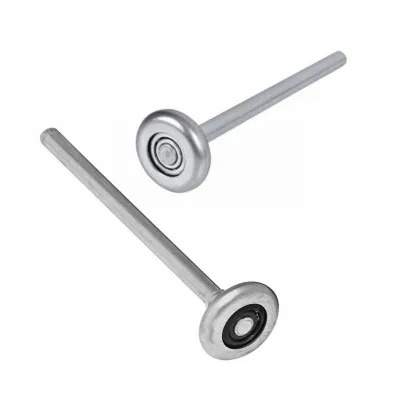

Negotiable
MOQ: 10 Pieces
Comprehensive Sourcing Guide
Strategic Sourcing Guide for Garage Door Systems
Understanding Product Categories and Operational Mechanics
The global market for Garage Door systems presents a diverse array of configurations, driven by specific architectural needs and functional requirements. When initiating a procurement strategy, buyers must first distinguish between the primary mechanical types available. The observed product landscape includes Sectional doors, which operate via a track system allowing panels to fold upward, and Sliding doors, which traverse horizontally. Additionally, specific listings identify Flip Garage Door models, which utilize a distinct pivoting mechanism. These variations are not merely aesthetic; they dictate the spatial requirements for installation and the complexity of the driving system.
The driving type is a critical differentiator in this sector. Modern systems predominantly utilize Electromechanical driving types, often powered by DC electric current. This shift from manual to automated operation is standard for residential and commercial applications. The automation is frequently enabled by an Opener Motor with varying tension capabilities, such as 600N, 800N, 1000N, or 1200N, selected based on the specific weight and dimensions of the door panel. The transmission of power to the door is managed through either a Chain or Belt rail system. Belt drives are generally preferred for residential settings due to their quieter operation, while chain drives are often favored in industrial contexts for their durability under heavy loads.
Technical Specifications and Material Composition
When evaluating the physical attributes of a Garage Door, the material composition serves as the primary indicator of durability and insulation performance. The dominant material observed in high-performance units is Aluminum Alloy. This material is often engineered as a Sandwich Panel, incorporating Aluminum skins with Insulation Foam filling the core. This construction method is essential for thermal regulation and structural rigidity. The thickness of these panels is a key specification, with observed ranges indicating a standard thickness of 40mm, though some specifications list a range of 40-50mm. This dimension directly correlates with the door's ability to withstand wind loads and provide sound insulation.
Surface finishing and treatment are equally critical for longevity, particularly in environments exposed to moisture or varying temperatures. The Surface Treatment process often involves Zinc Plating to prevent corrosion, while the overall Surface Finishing is described as Finished, ensuring a smooth, aesthetically pleasing exterior. For specific components like seals, the Rubber Seal material is utilized to create an Effect of a Hole with Seal, ensuring tight closure. The Sound Insulation capabilities of these systems are often categorized by style, such as European style, which implies specific acoustic dampening characteristics.
The following table summarizes the key technical attributes observed in the current market data:
| Attribute Category | Specific Observation | Relevance to Procurement |
|---|---|---|
| Product Model | Sectional, Garage Door, CH-M01, DH, ckm | Determines compatibility with existing tracks and motors. |
| Material | Aluminum Alloy, Insulation Foam Filled | Dictates thermal efficiency, weight, and corrosion resistance. |
| Panel Thickness | 40mm, 40-50mm | Critical for structural integrity and insulation R-value. |
| Driving Type | Electromechanical, DC Current | Defines power requirements and automation level. |
| Security Rating | A | Indicates the baseline resistance to forced entry. |
| Safety Features | Obstacle Stop Protection, Infrared Sensor | Essential for preventing injury and damage during operation. |
Compliance, Certification, and Standard Verification
Navigating the regulatory landscape is a fundamental step in B2B procurement. Buyers must verify that products adhere to relevant international and regional standards. The market data indicates the presence of CE Standard compliance, which is a mandatory requirement for products entering the European Economic Area. However, the presence of a standard does not guarantee universal applicability; some listings note standards as Optional or As the photo, suggesting that compliance may be model-specific or subject to customization.
It is imperative for buyers to treat "Automatic" as a functional attribute rather than a standalone certification. While the prod_standard field may list "Automatic," this refers to the operational mode rather than a safety certification. True safety certification involves rigorous testing of the Safety Protection mechanisms, such as the Obstacle Stop Protection Device and Infrared Sensor. These systems are designed to halt the door's movement immediately upon detecting an obstruction, a critical feature for Household Appliance and Machinery applications where human safety is paramount.
Furthermore, the prod_packing standards vary significantly, ranging from Standard Export Carton to Unfumigated Wooden Crates fixed with Steel Straps. The choice of packaging is not merely logistical; it can impact the product's condition upon arrival and may be subject to phytosanitary regulations in certain import markets. Buyers should explicitly verify if the Unfumigated Wooden Crates meet the specific import requirements of their destination country, as non-compliance can lead to customs delays or rejection of the shipment.
Cost Drivers and Pricing Dynamics
The pricing structure for Garage Door systems is influenced by a complex interplay of factors, including material costs, automation levels, and customization requirements. The observed price range in the market spans from 0.7 to 1500 USD, a variance that reflects the difference between individual components, such as Garage Door Seals, and complete systems, including the door panels and the Opener Motor.
Several specific cost drivers emerge from the product specifications. First, the Power consumption, listed as 60W for certain models, influences the long-term operational cost but is less significant in the initial procurement price. Second, the Output Torque of the motor, ranging from 600N to 1200N, is a direct cost driver. Higher torque motors are required for larger or heavier doors and command a premium price. Third, the Customization availability allows buyers to tailor the Design Style to Modern aesthetics or specific functional needs, which invariably increases the unit cost compared to standard off-the-shelf models.
The MOQ (Minimum Order Quantity) also plays a pivotal role in the total cost of ownership. The observed MOQ range is 1 to 2000 sets. For small-scale projects or prototype testing, the ability to order a single Set is a significant advantage, though the per-unit cost may be higher. Conversely, large-scale industrial projects can leverage bulk ordering to reduce unit costs, provided the buyer can manage the logistics of storing and transporting large quantities of Aluminum Alloy panels and mechanical components.
Supplier Evaluation and Geographic Considerations
When evaluating potential suppliers, geographic origin and logistical capabilities are primary considerations. The data indicates that a significant portion of the supply originates from China, with specific hubs in Shanghai and Jieyang. These regions are known for their manufacturing clusters in the metalworking and machinery sectors. However, the presence of a location does not equate to quality assurance. Buyers must verify the supplier's capacity to meet the Standard Export Carton or Unfumigated Wooden Crates requirements without compromising the integrity of the Finished surface.
The Brand "Hengjie Door" is mentioned in the context of specific product attributes, but buyers should not rely on brand recognition alone. Instead, the evaluation should focus on the supplier's ability to provide Customization and adhere to the CE Standard. The Application of these doors varies from Household Appliance use in Villa Residence garages to Industrial Component usage in Machinery settings. A supplier capable of serving both sectors must demonstrate versatility in their manufacturing processes and quality control protocols.
Buyers should also scrutinize the Uom (Unit of Measure), which is listed as Each / Set. This distinction is crucial for accurate budgeting. A "Set" may include the door panels, the motor, the rail system, and the control unit, whereas "Each" might refer to a single component like a seal or a motor alone. Misunderstanding the UOM can lead to significant budget overruns if the buyer assumes a single price covers a complete system when it only covers a component.
Quality Control and Long-Term Procurement Strategy
Ensuring consistent quality requires a robust inspection regime that goes beyond the initial purchase. The Security Rating of A suggests a baseline level of performance, but buyers must verify this through independent testing or third-party certification. The Surface Treatment of Zinc Plating must be inspected for uniformity and thickness to ensure long-term corrosion resistance, especially in coastal or high-humidity environments.
Long-term procurement considerations include the availability of spare parts and the ease of maintenance. The Opener Motor with its specific tension ratings (600n/800n/1000n/1200n) implies that replacement parts may need to be matched to the exact model. Buyers should establish a relationship with suppliers who can provide a steady supply of Rubber Seal materials and other wear-and-tear components. The Effect of the Hole with Seal must be maintained over time to ensure the door continues to provide Sound Insulation and thermal efficiency.
Furthermore, the Application of the door in Electronic Product or Machinery contexts suggests that the Garage Door system may need to integrate with broader building automation systems. The Electric Current Type being DC is a favorable attribute for integration with modern smart home ecosystems, but buyers must verify the voltage compatibility and communication protocols with their existing infrastructure.
Conclusion
Sourcing Garage Door systems requires a meticulous approach that balances technical specifications, compliance requirements, and cost considerations. The market offers a wide range of options, from Sectional to Sliding doors, with varying levels of automation and material quality. By focusing on the Aluminum Alloy construction, verifying CE Standard compliance, and understanding the nuances of MOQ and Packaging, buyers can make informed decisions that align with their specific project needs. The diversity of the product landscape, from Villa Residence applications to Industrial Component usage, underscores the importance of a tailored procurement strategy that prioritizes quality, safety, and long-term reliability over initial price alone.
FAQs
What materials are used for Garage Door panels?
Garage Door panels are primarily constructed from Aluminum Alloy. These panels often feature a sandwich design with insulation foam filling the core to enhance thermal efficiency and structural rigidity for residential or industrial use.
How is the Garage Door driven and powered?
The system utilizes an electromechanical driving type powered by DC electric current. An opener motor provides the necessary tension, ranging from 600N to 1200N, to operate the door via a chain or belt rail system.
Which security features are included in the opener?
The opener includes obstacle stop protection devices and infrared sensors for safety. These features ensure the door halts immediately upon detecting an obstruction, providing a security rating of A for residential villa applications.
Can the Garage Door be customized for specific needs?
Customization is available for various design styles and functional requirements. Buyers can select from different models like Sectional or Sliding doors, with options for specific panel thicknesses and surface treatments to meet unique project specifications.
What is the minimum order quantity for these doors?
The minimum order quantity can be as low as 1 set for testing or small projects. However, bulk orders may range up to 2000 sets, allowing flexibility for both small-scale residential installations and large industrial component procurement.
How are the products packed for export?
Products are packed in standard export cartons or unfumigated wooden crates fixed with steel straps. The specific packaging depends on the order requirements, ensuring the finished surface remains protected during transit from the manufacturing origin.