Source Garden Gate Ornament for Outdoor Decor, Yard, and Gate
Find and compare 30 Garden Gate Ornament options for outdoor decor, yard landscaping, and gate embellishment. Explore iron and metal designs with customization, various sizes, and eco-friendly materials to suit residential and park applications.
Key considerations
Products List


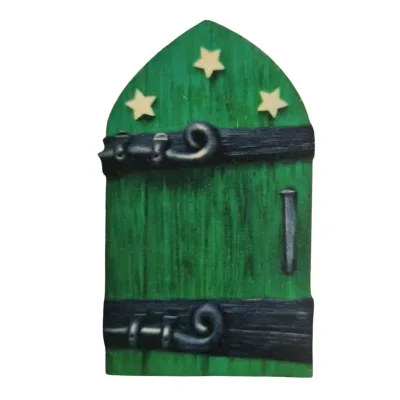
Vintage Colored fairy Door Garden Decoration Outdoor Decoration Landscaping Garden
$0.39 - $0.41
MOQ: 100 pieces


Ornamental Aluminum Garden Gate Decorative Aluminum Art Gate Private Courtyard Entrance
$800.00 - $1200.00
MOQ: 100 Square Meters


Comprehensive Sourcing Guide
Garden Gate Ornament Sourcing Guide
The Garden Gate Ornament market presents a diverse array of products ranging from heavy-duty iron structures to lightweight, eco-friendly decorative pieces. Buyers must navigate a landscape where materials vary significantly, with observed listings featuring both iron and metal constructions, alongside options utilizing polyethylene (PE) and Scotch Pine Scots wood. This variation dictates that procurement strategies cannot be one-size-fits-all; instead, sourcing decisions must align with the specific aesthetic and functional requirements of the intended installation site, whether it be a residential entrance, a factory perimeter, or a public park.
Understanding the customization capabilities of suppliers is critical for securing products that meet unique design specifications. The available data indicates that customization is a standard offering, with many manufacturers providing options for custom dimensions, logos, and color finishes. Buyers should leverage these capabilities to ensure the ornament fits the specific dimensions of their gate, such as verifying height and width tolerances, while also considering the stylistic theme, which ranges from creative and natural designs to those intended for specific occasions like gate installations.
Product Scope and Observed Listing Signals
Product listings for garden gate ornaments reveal a wide spectrum of applications, extending beyond simple decoration to include functional roles as collectibles and specific gate decorations. The observed scope includes items suitable for outdoor environments, with placements explicitly noted for gardens, yards, and residential areas. This broad applicability suggests that buyers should carefully evaluate the intended usage context, as some products are designed for high-traffic public spaces like parks and green grounds, while others are tailored for private home decor, requiring different durability and aesthetic considerations.
The visual and material signals in the market are equally varied, with colors ranging from standard silver and multicolor options to custom finishes that match specific design palettes. Buyers will encounter products with distinct processing methods, including machinery-based production for structural elements and hand-made techniques for intricate details. It is essential to distinguish between these manufacturing approaches, as machinery processing often implies uniformity and scalability, whereas hand-made items may offer unique artistic value but require closer inspection for consistency in the final assembly.
Technical Specifications to Verify
Dimensional accuracy is a primary technical requirement, as observed listings show significant variability in size specifications. Some products offer standardized dimensions, while others provide highly flexible ranges, such as widths from 1200 to 6000 millimeters and heights from 400 to 2400 millimeters, often with custom options available. Buyers must verify these measurements against their physical gate openings to ensure a proper fit, paying particular attention to the distance between pickets, which can be specified as 80 or 95 millimeters or customized to meet specific security or aesthetic needs.
Material composition and surface treatment are equally critical for ensuring longevity in outdoor conditions. The market features products constructed from iron, metal, and treated timber, with surface treatments including aluminum or steel powder coating and painting. Buyers should verify that the selected material, whether it is pressure-treated timber or metal, is compatible with the local climate to prevent rot or corrosion. Additionally, the presence of features like waterproofing and rot-proofing in wooden products, or powder coating on metal, should be confirmed to ensure the ornament can withstand exposure to the elements without degradation.
Compliance and Safety Documentation
Safety and environmental compliance are paramount when selecting garden gate ornaments, particularly for projects involving public spaces or residential areas. Many suppliers offer products that are certified as eco-friendly, utilizing renewable sources and pressure-treated timbers that are safe for the environment. Buyers should request documentation confirming that the materials used, such as the Scotch Pine Scots or specific metal alloys, meet relevant safety standards and that the manufacturing processes adhere to eco-friendly practices, ensuring the product does not introduce harmful substances into the garden ecosystem.
Certification verification is another essential step in the procurement process, as the market includes products backed by recognized standards such as SGS, CE, and Sct. These certifications serve as evidence that the product has undergone rigorous testing for quality and safety. Buyers must ensure that the specific model they intend to purchase carries the appropriate certifications for their region, as this documentation validates the product's compliance with international safety regulations and provides assurance regarding the structural integrity and material safety of the ornament.
Cost Drivers and Commercial Terms
Pricing in the Garden Gate Ornament sector is influenced by a complex mix of material costs, customization levels, and production methods. The observed price range is extensive, spanning from low-cost items to high-value pieces, reflecting the diversity in materials from simple metal components to complex, hand-made designs. Buyers should anticipate that costs will increase with the level of customization, such as adding logos, selecting specific colors, or requesting non-standard dimensions, and they must balance these desires against their budget constraints to achieve the best value.
Commercial terms, including minimum order quantities (MOQ) and packaging requirements, vary significantly across suppliers and product types. MOQs can range from single units to several hundred, allowing flexibility for both small-scale residential projects and large commercial installations. Packaging is another cost driver, with options ranging from simple OPP bags to robust crate or steel pallet packaging, which is essential for protecting the product during transit. Buyers should negotiate these terms carefully, ensuring that the packaging method is sufficient to prevent damage while keeping shipping costs reasonable.
Supplier Qualification and Quality Control
Supplier qualification requires a thorough assessment of their production capabilities and origin, as the market includes manufacturers from various regions, including specific provinces in China. Buyers should verify the supplier's location, such as Shandong, and confirm their ability to handle the specific processing methods required, whether it be machinery-based production or hand-made assembly. Understanding the supplier's origin and production capacity helps in assessing their reliability and their ability to meet delivery schedules, especially for customized orders that may require longer lead times.
Quality control measures must be integrated into the procurement process to ensure that the final product meets the agreed-upon specifications. Buyers should implement checks on the surface treatment, such as verifying the quality of powder coating or paint application, and inspect the structural integrity of the materials used. It is also advisable to request samples or pre-shipment inspections to confirm that the product matches the provided images and specifications, particularly regarding color accuracy and the ease of assembly, which are key features highlighted in many product listings.
Long-Term Procurement Checks
Establishing a long-term relationship with suppliers involves regular performance reviews and quality audits to ensure consistent product delivery. Buyers should monitor the supplier's ability to maintain the quality of their eco-friendly and durable products over time, checking for any deviations in material standards or surface treatments. Regular communication regarding any changes in product specifications or certifications is essential to maintain compliance and ensure that the garden gate ornaments continue to meet the evolving needs of the project.
Future-proofing the procurement strategy requires staying informed about industry trends and technological advancements in material science and manufacturing. As the market evolves, new materials and processing techniques may emerge that offer improved durability or aesthetic appeal. Buyers should remain flexible and open to adopting these innovations, while maintaining a focus on the core requirements of customization, safety, and environmental responsibility. This proactive approach ensures that the sourcing strategy remains robust and capable of delivering high-quality garden gate ornaments for years to come.
FAQs
What materials are used for garden gate ornaments?
Garden gate ornaments are primarily crafted from iron and metal. Some products utilize PE plastic, Scotch Pine Scots wood, or aluminum and steel with powder coating. These materials ensure durability for outdoor placement in gardens and yards while providing a sturdy structure for decorative purposes.
Can garden gate ornaments be customized?
Yes, customization is available for garden gate ornaments. Buyers can request specific models like DB03 or DU-722, adjust dimensions such as width from 1200-6000mm, and choose colors including silver or multicolor. Custom logos and packaging options like crates or steel pallets are also supported.
What certifications do garden gate ornaments have?
Garden gate ornaments often carry certifications such as SGS, CE, and Sct. These credentials verify that the products meet specific safety and quality standards. The items are also described as eco-friendly, rot-proof, and water-resistant, ensuring they are suitable for residential and park environments.
How are garden gate ornaments packaged?
Packaging methods vary by product type. Some items are packed in crates, while others use steel pallets, OPP bags, or PP bags with polyfoam boxes. The standard packing dimensions may be 25*25*25cm, and customized packaging solutions are available to protect the ornaments during transit.
Where are garden gate ornaments manufactured?
These ornaments are manufactured in China, with specific origins noted in Shandong. The production processes include machinery processing and hand-made techniques. Products are designed for outdoor use, featuring creative styles and themes suitable for garden gates, yards, and green grounds.
What are the typical dimensions of garden gate ornaments?
Dimensions vary significantly based on the model. Widths can range from 1200-6000mm or be customized, while heights typically range from 400-2400mm. Specific small ornaments may measure 11*8.5*10cm. The distance between pickets can be 80mm, 95mm, or customized to fit specific gate designs.