Source Garden Lanterns for Home, Outdoor, and Holiday Decor
Explore 30 Garden Lantern options crafted from iron with hand-made details. Compare European, antique, and natural styles suitable for home decoration, outdoor use, and holiday gifts. Customization and various certifications are available for bulk sourcing; compare the available evidence and request quotations based on your requirements.
Key considerations
Products List


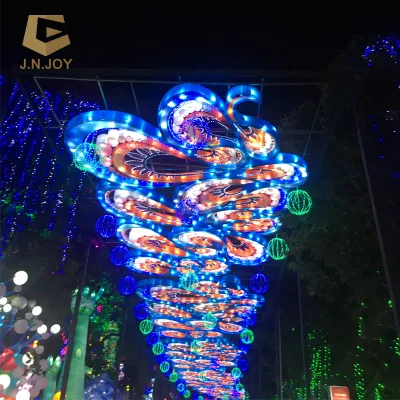
Beautiful Led String Light Top Decoration Festival Silk Lantern for Garden
$2937.32 - $3028.79
MOQ: 1 sets


Comprehensive Sourcing Guide
Garden Lantern Sourcing Guide
The global market for garden lanterns presents a diverse range of options, primarily centered on decorative iron structures designed for both indoor and outdoor environments. Buyers will observe products categorized as decorative lanterns or sculptures, often featuring European, American, or antique styles to suit varied aesthetic preferences. These items are frequently hand-made, emphasizing craftsmanship in their construction, and are suitable for daily use as well as specific holiday gifting or art collection purposes.
When evaluating listings, procurement teams must note significant variations in minimum order quantities, which can range from as low as one unit to as high as three thousand pieces depending on the specific model and supplier. While some suppliers offer free samples to facilitate product evaluation, the standard lead time for production typically spans between 45 and 60 days. Understanding these commercial baselines is essential for aligning inventory planning with realistic delivery expectations and managing cash flow effectively.
Product Scope and Observed Listing Signals
Buyers should verify that the product type aligns with the intended application, as listings often distinguish between general home decorations and specific outdoor usage requirements. The observed catalog includes models with distinct surface treatments such as powder coating or painted finishes, which directly impact durability in exterior settings. It is critical to confirm whether a specific listing explicitly states suitability for outdoor conditions, as this determines the necessary material resilience against weather elements.
The customization landscape for these items is broad, with many suppliers accepting OEM requests and offering customized colors to match specific design themes. However, the physical attributes vary significantly across models, with some defined by specific dimensions like 40cm height or compact sizes around 14x14x21cm. Procurement teams must carefully cross-reference the listed model numbers, such as HGA0135 or LD502824, with the required packaging standards, which may range from simple brown boxes to bubble-wrapped inner boxes for fragile items.
Technical Specifications to Verify
Material composition is a primary technical factor, with iron being the dominant substrate for the observed garden lanterns. Buyers must verify the specific processing methods, as hand-made construction often implies unique variations in weight and structural integrity compared to mass-produced alternatives. The surface treatment process, whether powder coating or painting, serves as the primary defense against corrosion and must be validated against the intended exposure environment to ensure longevity.
Dimensional accuracy is another critical verification point, as specifications vary from standard heights to complex multi-part dimensions. Sourcing teams should request detailed technical drawings or physical samples to confirm that the listed standard dimensions, such as 16x11x38.2cm, match the actual product received. Additionally, the presence of specific design characters, such as lantern designs or sculpture forms, must be confirmed to ensure the final product meets the visual and functional requirements of the target market.
Compliance and Safety Documentation
Regulatory compliance is a non-negotiable aspect of sourcing, particularly for products intended for use in regions with strict safety standards. The observed listings reference certifications such as BSCI, which addresses social compliance in the supply chain, alongside product safety standards like CE, RoHS, and ASTM. Buyers must explicitly request valid test reports for these certifications to ensure the products meet the legal requirements of their destination markets before finalizing any purchase orders.
For products marketed as toys or items for children, specific safety standards like EN71-3 are often required to verify the absence of harmful substances in paints and coatings. Procurement teams should not assume that a general "Certification" label covers all necessary regulatory needs; instead, they must demand specific documentation for each applicable standard. Verifying that the supplier holds current certificates for the specific models being ordered is essential to mitigate the risk of customs delays or product recalls.
Cost Drivers and Commercial Terms
The pricing structure for garden lanterns is influenced heavily by the complexity of the hand-made process and the specific surface treatment applied. While observed price ranges are broad, the cost per unit often correlates with the level of customization and the material thickness required for outdoor durability. Buyers should analyze the trade-off between lower MOQs and higher unit costs, as smaller orders may incur premium pricing due to the setup costs associated with custom production runs.
Commercial terms regarding shipping and payment are equally critical, with the Fob Port of Ningbo being a common origin point for these goods. Lead times of 45 to 60 days must be factored into the total landed cost calculation, as delays can impact inventory availability and sales cycles. Additionally, the sample charge policy, which is often free, should be confirmed in writing, and the final packaging method must be agreed upon to prevent damage during transit and ensure cost-effective logistics.
Supplier Qualification and Quality Control
Supplier qualification extends beyond basic certification checks to include an assessment of their production capacity and quality control protocols. Given that many items are hand-made, consistency in finish and assembly can vary, making it vital to audit the supplier's ability to maintain uniform quality across large batches. Buyers should verify the supplier's location, such as Quanzhou City or general China origins, to understand the logistical context and potential regional expertise in ironworking.
Quality control measures must be established before production begins, focusing on the verification of surface treatments and structural integrity. Since customization is available, a pre-production sample approval process is essential to ensure that the customized colors and designs meet the buyer's specifications. Implementing a third-party inspection during the production phase can help identify defects early, ensuring that the final shipment adheres to the agreed-upon standards for packing and product finish.
Long-Term Procurement Checks
Establishing a long-term partnership requires regular performance reviews against key metrics such as lead time adherence and defect rates. Buyers should track whether the supplier consistently meets the 45 to 60-day production window and maintains the quality of hand-made items over multiple orders. Continuous monitoring of the supplier's ability to handle customization requests without compromising on safety certifications is crucial for maintaining brand reputation and operational efficiency.
Future procurement strategies should also account for potential changes in material costs and regulatory landscapes. As standards evolve, suppliers must demonstrate their ability to adapt their production processes to meet new compliance requirements without significant disruption. Building a relationship with a supplier who offers flexible MOQs and responsive communication will provide the agility needed to navigate market fluctuations and ensure a steady supply of high-quality garden lanterns.
FAQs
What materials and styles are available for garden lanterns?
Garden lanterns are typically crafted from iron with hand-made processes and powder coating or painted surface treatments. Styles include European and American, antique, and natural designs. These decorative pieces are suitable for both indoor home decoration and outdoor daily use, offering versatile aesthetic options for various settings.
Can I customize the color and design of garden lanterns?
Yes, customization is available for garden lanterns, including customized colors and OEM acceptance. Buyers can request specific designs to match their preferences. This flexibility allows for unique decorative solutions, ensuring the final product aligns with specific branding or interior design requirements for both residential and commercial applications.
What certifications do these garden lanterns hold?
These garden lanterns hold BSCI certification for social compliance. Additionally, specific models carry CE, EN71-3, RoHS, and ASTM certificates, ensuring safety and quality standards. These certifications verify that the products meet international regulatory requirements, providing assurance for buyers regarding material safety and ethical manufacturing practices in the supply chain.
What is the typical lead time for ordering garden lanterns?
The typical lead time for ordering garden lanterns ranges from 45 to 60 days. This duration accounts for the hand-made production process and quality checks. Buyers should plan their procurement schedules accordingly to ensure timely delivery, especially for large orders or customized designs that require additional processing time.
What are the MOQ and packaging options for garden lanterns?
The MOQ varies by model, with options at 600, 800, or 2000 pieces. Packaging includes brown boxes, cartons, or bubble bags with inner boxes. These flexible MOQs and packaging choices accommodate different order sizes and shipping requirements, ensuring product protection during transit while meeting diverse buyer volume needs.
Where are these garden lanterns manufactured and shipped from?
These garden lanterns are manufactured in China, specifically originating from Quanzhou City. The FOB port for shipping is Ningbo. This location information helps buyers calculate logistics costs and plan supply chain routes efficiently, ensuring transparent sourcing from verified production centers in the region.