Source Green Tire Venting Machine for Tire Repair, Recycling, and Manufacturing
Explore 30 verified listings for the Green Tire Venting Machine to compare specifications like cycle frequency, puncture depth, and automation levels. Buyers can evaluate options ranging from vertical to horizontal structures with customizable features for efficient tire processing.
Key considerations
Products List


Eco-Friendly BTU Tire Bladder Machine for Sustainable Tire Building
$50000.00 - $100000.00
MOQ: 1 Pieces


Green Tyre Expanding Machine-Pre Forming Tire Machine-Green Tire Forming
$1500.00 - $1850.00
MOQ: 1 Sets


Rubber Tire Batch off Machine with Ventilating System for Processing Rubber
$10000.00 - $20000.00
MOQ: 1 Sets
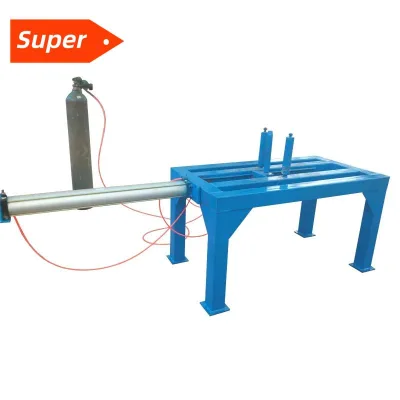
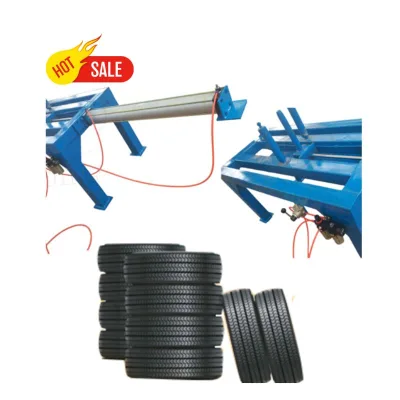
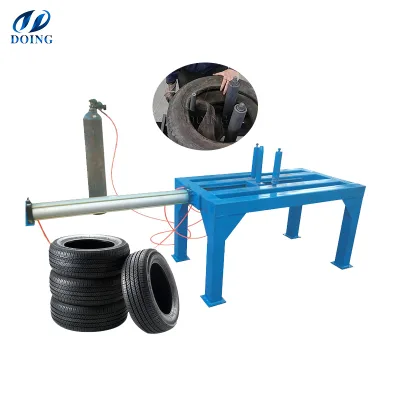
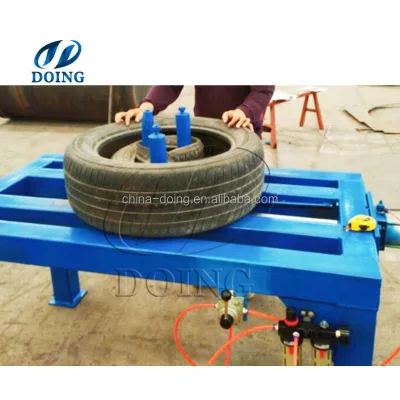
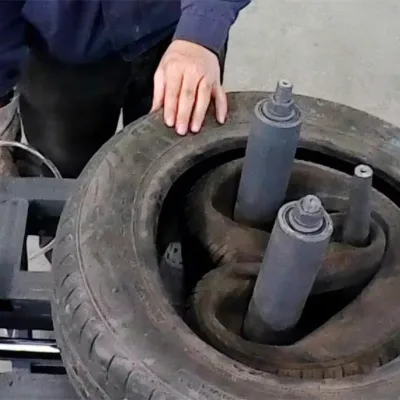
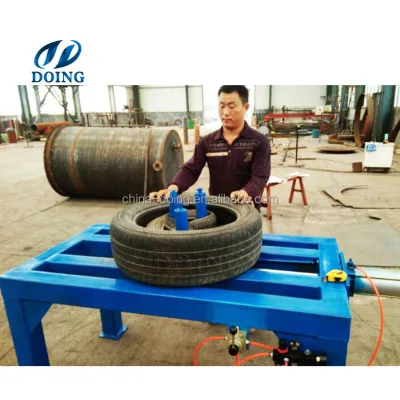


Tire Tread Vulcanizing Machine/Pre-Cured Tire Retreading Vulcanizing Press
$2999.00 - $12999.00
MOQ: 1 Pieces


Comprehensive Sourcing Guide
Strategic Sourcing Guide for Green Tire Venting Machines
The procurement of green tire venting machines represents a critical decision point for tire manufacturing facilities aiming to optimize the curing process. These specialized pieces of equipment are designed to puncture the uncured tire tread to release trapped air and volatiles, ensuring uniform curing and preventing defects such as blisters or voids. Sourcing this machinery requires a disciplined approach that balances technical specifications, regulatory compliance, and total cost of ownership. Buyers must navigate a complex landscape of variable configurations, from vertical to horizontal structures, and understand the specific parameters that define machine performance. This guide provides a structured framework for evaluating potential suppliers and selecting equipment that aligns with operational goals without relying on unverified claims.
Technical Configuration and Structural Variations
The fundamental architecture of a Green Tire Venting Machine varies significantly based on the specific manufacturing line requirements. The observed market data indicates that these machines are available in distinct structural configurations, primarily categorized as vertical or horizontal. The choice between a vertical structure and a horizontal structure often depends on the available floor space, the orientation of the conveyor system, and the specific workflow of the tire plant. Vertical models may offer a compact footprint suitable for facilities with limited horizontal clearance, while horizontal units might integrate more seamlessly with existing linear production lines.
Beyond the physical orientation, the automation level is a primary technical differentiator. While some units are classified as automatic, others are noted as semiautomatic. The distinction impacts labor requirements and throughput consistency. Automatic grade machines typically feature integrated control systems that manage the puncturing cycle with minimal human intervention, whereas semiautomatic variants may require operator input for specific stages of the process. Buyers must verify the exact automation grade of the unit they are considering, as this directly influences the machine's integration with upstream and downstream equipment.
The mechanical specifications for the puncturing mechanism are equally critical. The needle diameter is a precise parameter, with observed data pointing to a standard of 4 mm. This dimension must be compatible with the tire tread thickness to ensure effective venting without compromising the structural integrity of the green tire. Furthermore, the effective puncture depth is a vital metric, typically ranging between 15 and 25 mm. The tolerance for this depth is stringent, often specified as less than ±0.3 mm, to maintain consistency across the tire circumference. The cycle frequency, which dictates the production speed, can vary from 60 to 100 cycles per minute. Understanding these numerical ranges is essential for calculating the theoretical maximum output of the machine and ensuring it matches the plant's production targets.
Compliance, Certification, and Operational Standards
In the global tire manufacturing sector, compliance with international standards is non-negotiable. When sourcing green tire venting machines, buyers should prioritize suppliers who can demonstrate adherence to recognized quality management and safety certifications. The available market data highlights ISO and CE certifications as common attributes for these machines. The ISO certification generally indicates that the manufacturer follows international standards for quality management systems, while the CE mark signifies compliance with health, safety, and environmental protection standards for products sold within the European Economic Area.
However, buyers must treat these certifications as observations of specific listings rather than universal guarantees for every product in the category. It is imperative to request valid certification documents for the specific model under consideration. The machine's construction standards also play a role in compliance. Some units are described as having a "steel" standard, which refers to the material quality and durability of the structural components. This is a qualitative observation that should be verified against the specific alloy grades and manufacturing processes used by the supplier.
Additionally, the operational parameters must align with local safety regulations. The working pressure of the pneumatic systems, observed in the range of 0.6 to 0.8 MPa, must be managed safely. The tire expanding air pressure, typically between 0.4 and 0.7 MPa, is another critical safety parameter that requires precise control to prevent equipment failure or tire damage. Buyers should ensure that the machine's control systems include necessary safety interlocks and pressure relief valves that meet the regulatory requirements of the country where the machine will be installed.
Cost Drivers and Financial Parameters
The financial landscape for green tire venting machines is characterized by a wide variance in pricing, influenced heavily by customization, automation, and structural complexity. The observed price range in the market spans from approximately 785 USD to 160,000 USD. This significant spread reflects the difference between basic, potentially semiautomatic units and highly customized, fully automatic systems with advanced features. The lower end of the spectrum likely corresponds to simpler configurations or standard models with minimal customization, while the upper end encompasses machines with bespoke engineering, specialized materials, and integrated automation.
Minimum Order Quantity (MOQ) is another financial factor to consider. The data indicates an MOQ range of 1 to 5 units. For most tire manufacturers, an MOQ of 1 is sufficient for initial procurement or pilot testing, but higher quantities may unlock volume discounts or more favorable payment terms. The trade terms available, including FOB, CIF, CFR, EXW, and FCA, significantly impact the final landed cost. Buyers must calculate the total cost of ownership, including shipping, insurance, and import duties, based on the chosen Incoterm. For instance, an EXW (Ex Works) price might appear lower but requires the buyer to manage all logistics from the factory gate, whereas a CIF (Cost, Insurance, and Freight) price includes delivery to the port of destination.
Payment terms also vary, with options such as T/T (Telegraphic Transfer), D/P (Documents against Payment), D/A (Documents against Acceptance), and C/L (Letter of Credit) being common. These terms affect cash flow and risk exposure. Buyers should negotiate terms that balance the supplier's need for security with their own financial planning, especially given the high value of some units.
Typical Applications and Production Integration
Green tire venting machines are integral to the tire curing process, specifically designed to address the challenges of venting air trapped in the tread pattern of uncured tires. The primary application is in the manufacturing of radial and bias-ply tires, where the release of volatiles is crucial for achieving a defect-free product. The machine's ability to handle different tire sizes is a key consideration. Specifications indicate that the bead ring diameter can accommodate tires ranging from 150 to 500 mm, and the tire-support roller width covers 100 to 400 mm.
The versatility of these machines extends to their compatibility with various rim sizes. Some models are designed to be applicable to rim diameters of 4", 5", 6", and 8", making them suitable for a wide range of tire types, from passenger car tires to light truck tires. The effective penetration length of 15-25 mm ensures that the venting process is effective without damaging the tire carcass. In applications where high precision is required, the machine's cycle frequency of 60-100 cycles per minute allows for high-volume production, making it suitable for large-scale manufacturing facilities.
Furthermore, the machine's integration with other curing equipment is vital. The daylight opening, which can range from 300 to 600 mm, and the hot plate diameter, adjustable between 500 and 600 mm, suggest that these machines are often part of a larger curing press system. The plunger diameter of 200 mm and center rod diameter of 25-35 mm are specific design elements that must align with the curing press specifications to ensure seamless operation. Buyers should verify that the machine's dimensions and mechanical interfaces are compatible with their existing curing infrastructure.
Supplier Evaluation and Verification Protocols
Evaluating a supplier for green tire venting machines requires a rigorous due diligence process. The origin of the machines is predominantly noted as Qingdao, China, a major hub for industrial machinery. While this location suggests a concentration of manufacturing expertise, buyers should not assume uniform quality across all suppliers from this region. It is essential to verify the supplier's production capabilities, quality control processes, and after-sales support structure. The attribute "After Sales: Always" suggests a commitment to ongoing support, but buyers must clarify the scope of this support, including the availability of spare parts, technical training, and response times for repairs.
Customization is a key factor in supplier selection. The market data indicates that customization is available, allowing buyers to tailor the machine to specific needs. However, some listings also mention "Non-Customized" options. Buyers must clearly define their requirements and confirm whether the supplier can deliver a customized solution or if they must adapt to a standard model. The standard of the machine, whether "Customized" or "steel," should be explicitly agreed upon in the contract.
When evaluating suppliers, buyers should request detailed technical drawings, process flow diagrams, and case studies of previous installations. Verifying the supplier's track record in the tire industry is crucial. Inquiries should focus on the reliability of the machines in long-term operation, the frequency of maintenance required, and the availability of technical documentation. The packing method, ranging from "No Packaging" to "Export Standard Wooden Package," also reflects the supplier's attention to detail and commitment to protecting the equipment during transit.
Quality Control and Long-Term Procurement Strategy
Ensuring the quality of the Green Tire Venting Machine is paramount to maintaining production efficiency. Buyers should implement a robust quality control strategy that includes pre-shipment inspections and post-installation validation. The precision of the puncturing mechanism, with its specific needle diameter and depth tolerance, must be verified against the agreed specifications. Testing the machine's cycle frequency and pressure parameters under load conditions is essential to confirm that it meets the performance claims.
Long-term procurement considerations involve planning for the machine's lifecycle. This includes securing a supply chain for spare parts, such as needles and seals, which are subject to wear and tear. The "Customized" nature of some machines may complicate spare parts procurement if the design is proprietary. Buyers should negotiate a long-term agreement for parts supply and maintenance services with the supplier. Additionally, the training of plant personnel on the operation and maintenance of the machine is critical for maximizing its lifespan and minimizing downtime.
The choice of packing, whether "Carton Packaging," "Wooden Packaging," or "Container," should be evaluated based on the shipping distance and handling conditions. Proper packaging ensures that the machine arrives in pristine condition, reducing the risk of damage during transit. Finally, buyers should maintain a clear record of all technical specifications, certifications, and contractual agreements to facilitate future troubleshooting and potential upgrades. By adhering to these disciplined procurement practices, tire manufacturers can secure reliable green tire venting machines that enhance their production capabilities and product quality.
FAQs
What certifications are available for green tire venting machines?
ISO and CE certifications are available for these machines. Buyers should verify specific documents for the model they select, as these are observations from listings rather than universal guarantees for every unit in the category.
Can I customize the structure of the Green Tire Venting Machine?
Yes, customization is available for both vertical and horizontal structures. The choice depends on your floor space and conveyor orientation, allowing you to select the configuration that best fits your specific manufacturing workflow.
How is the needle diameter specified for the puncturing mechanism?
The needle diameter is specified as 4 mm in the observed data. This dimension is critical for effective venting without compromising the green tire's structural integrity, ensuring compatibility with standard tread thicknesses.
What is the effective puncture depth range for these machines?
The effective puncture depth ranges between 15 and 25 mm. This metric is vital for the process, with a strict tolerance of less than ±0.3 mm to maintain consistency across the tire circumference during operation.
Which payment terms are accepted for purchasing this equipment?
Accepted payment terms include T/T, D/P, D/A, and C/L. These options affect cash flow and risk exposure, so buyers should negotiate terms that balance supplier security with their own financial planning needs.
What is the minimum order quantity for green tire venting machines?
The minimum order quantity ranges from 1 to 5 units. An MOQ of 1 is sufficient for pilot testing, while higher quantities may unlock volume discounts or more favorable payment terms depending on the supplier.
How does the cycle frequency impact production speed?
The cycle frequency varies from 60 to 100 cycles per minute. This parameter dictates the theoretical maximum output, allowing buyers to calculate if the machine matches their plant's production targets for high-volume manufacturing.
Where are these machines typically manufactured and shipped from?
Machines are typically manufactured and shipped from Qingdao, China. Buyers should verify the specific origin and after-sales support structure, as this location is a major hub for industrial machinery with varying supplier capabilities.