Source Ground Rod for Grounding Systems and Mining
Compare 30 Ground Rod options from verified Chinese manufacturers. Buyers can evaluate materials like low carbon steel and copper, surface treatments, and customization services for power transmission and mining applications; compare the available evidence and request quotations based on your requirements.
Key considerations
Products List
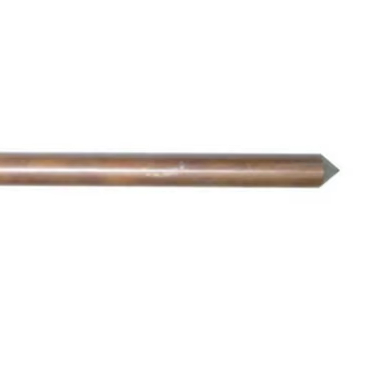




Comprehensive Sourcing Guide
Ground Rod Sourcing Guide
Procuring ground rods requires a disciplined approach to material selection and electrical performance verification. These components serve as the critical interface between electrical systems and the earth, ensuring safety during fault conditions and protecting sensitive infrastructure from lightning strikes. Buyers must prioritize conductivity, corrosion resistance, and mechanical integrity to maintain system reliability over decades of service.
The sourcing landscape includes various configurations, from simple steel rods to complex copper-clad or exothermic welding kits. Understanding the specific application, whether for high-voltage transmission lines or substation grounding, dictates the necessary technical specifications. This guide outlines the essential verification steps for material composition, connection types, and compliance standards to help buyers make informed procurement decisions.
Product Scope and Observed Listing Signals
Market listings for grounding solutions reveal a diverse range of product types, including protection fittings, line fittings, and specialized studs. Observed attributes indicate that materials frequently cited include low carbon steel, carbon steel, and combinations of steel and copper. Surface treatments such as galvanization are common, aimed at enhancing durability in harsh environmental conditions. Buyers should note that customization is widely available, allowing for tailored solutions to specific project requirements.
Listing signals also highlight various connection methods, with threaded connections and forged processing techniques being prominent. Models such as CEER, HEER-1215, and RC-HQ-3000 appear in the market, suggesting a variety of standardized and custom designs. Packaging varies from pallets to wooden cartons and iron packing, reflecting different logistical needs. Understanding these signals helps buyers identify suppliers who can meet specific technical and logistical demands.
Technical Specifications to Verify
Verifying material composition is paramount, as it directly impacts conductivity and lifespan. Buyers should confirm whether the product is made from low carbon steel, carbon steel, or a composite of steel and copper. For copper-clad options, the copper thickness is a critical metric, with observed values around 254μS. Ensuring the core material meets the required conductivity standards is essential for effective grounding performance in power and telecom projects.
Dimensional accuracy and connection integrity must also be rigorously checked. Specifications such as M20X2100 or M16x1500 indicate specific thread sizes and lengths that must match the installation requirements. Buyers should verify if the rods feature threads or are designed for other connection types, such as electro bonding. Additionally, confirming the standard compliance, such as AISI or specific OD/ID measurements, ensures compatibility with existing infrastructure and prevents installation failures.
Compliance and Safety Documentation
Safety and regulatory compliance are non-negotiable aspects of grounding system procurement. Buyers must ensure that products meet general industry grounding standards and specific regional regulations. Documentation should verify that the grounding method, such as direct earthing, aligns with the intended application, whether for working earthing, lightning protection, or protection earth. Certifications like ISO provide assurance of quality management systems, though specific electrical safety certifications should be explicitly requested.
The working voltage rating is another critical compliance factor, especially for high-voltage transmission lines. Products labeled for high-voltage applications must demonstrate robust insulation and dielectric strength. Buyers should request test reports or compliance certificates that validate the product’s ability to handle specified voltage levels without failure. This documentation is crucial for liability protection and ensuring the safety of personnel and equipment in high-risk environments.
Cost Drivers and Commercial Terms
Several factors influence the total cost of ownership for ground rods, including material costs, processing techniques, and packaging. The use of copper-clad steel or specialized alloys increases material expenses compared to standard carbon steel. Forged processing and galvanization add to the manufacturing cost but enhance durability and performance. Buyers should evaluate these trade-offs to balance initial investment with long-term reliability and maintenance costs.
Commercial terms such as MOQ, lead times, and packaging options also impact procurement strategy. Observed MOQ ranges from 1 to 1000 units, offering flexibility for both small and large projects. Packaging methods, from standard export packages to custom wooden cartons, affect shipping costs and product protection. Negotiating clear terms regarding customization services, such as OEM/ODM, can provide additional value and ensure the product meets exact project specifications.
Supplier Qualification and Quality Control
Supplier qualification begins with verifying their manufacturing capabilities and quality control processes. Buyers should assess whether the supplier offers customization services and has experience in producing grounding fittings for diverse applications. Checking their origin, such as Zhejiang, China, can provide insights into their industrial ecosystem and supply chain reliability. Suppliers with established production lines for forged and galvanized products are often better equipped to maintain consistent quality.
Quality control measures should include rigorous testing of material composition, dimensional accuracy, and surface treatment quality. Buyers should request samples for independent verification before placing large orders. Implementing a quality assurance protocol that includes random inspections and performance testing ensures that the delivered products meet the specified standards. This proactive approach minimizes the risk of receiving substandard materials that could compromise the grounding system’s effectiveness.
Long-Term Procurement Checks
Long-term procurement success depends on continuous monitoring of supplier performance and product reliability. Buyers should establish a feedback loop to track any issues related to corrosion, conductivity loss, or mechanical failure in the field. Regular audits of supplier quality control processes help maintain high standards and identify potential improvements. Building a relationship with suppliers who prioritize quality and compliance ensures a stable supply of reliable grounding components.
Additionally, staying updated on industry standards and technological advancements is crucial for future procurement decisions. As grounding technologies evolve, buyers should be prepared to adapt their specifications to incorporate new materials or methods that offer enhanced performance. Engaging with suppliers who invest in R&D can provide access to innovative solutions that improve system efficiency and longevity. This forward-thinking approach ensures that the procurement strategy remains aligned with evolving industry requirements.
FAQs
What materials are used for ground rods?
Ground rods are typically made from low carbon steel or carbon steel. Some specialized variants combine steel and copper to enhance conductivity. These materials ensure durability and effective performance in various grounding applications.
Can ground rods be customized for specific projects?
Yes, customization is available for ground rods to meet unique project requirements. Buyers can request specific lengths, thread types, or surface treatments like galvanization. OEM and ODM services are offered to tailor products precisely.
Which standards do Ground Rod products comply with?
Products comply with standards such as AISI and general industry grounding standards. Specific models may adhere to high voltage requirements or custom length specifications. Always verify the standard against your specific project needs before ordering.
How are ground rods packed for shipping?
Packaging options include pallets, wooden cartons, iron packing, or inner boxes with cartons. The specific method depends on the product size and model. Standard export packages are also available to ensure safe delivery to international destinations.
What is the origin of these Ground Rod products?
Most ground rods originate from Zhejiang, China, with some from Wenzhou. Other listings indicate origins in China or the PRC. These regions are known for manufacturing high-quality steel and copper grounding components for global markets.
What are the typical lengths available for ground rods?
Available lengths include 1 meter, 1.5 meters, 2 meters, and customized options. Specific models offer lengths like 1.2, 1.5, 1.8, and 2.1 meters. Buyers can select standard sizes or request custom dimensions to fit their installation requirements.
Can ground rods be used for high voltage transmission lines?
Yes, certain ground rods are designed for high voltage transmission lines and substations. They provide essential protection for earthing systems and lightning protection. These products ensure stable conductivity and corrosion resistance in demanding electrical environments.