Source H Beam for Construction, Bridges, and Industrial Frames
Compare 30 verified H Beam products from China suppliers offering customization, various grades like Q235 and Q355, and standards including ASTM and DIN. Buyers can review specifications, pricing, and delivery terms for steel beams used in structural applications.
Key considerations
Products List


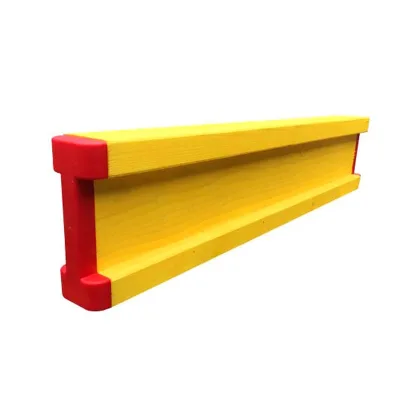


$69600.00 - $78600.00
MOQ: 1 Sets


Comprehensive Sourcing Guide
Strategic Sourcing Guide for H Beam Procurement
Understanding Technical Specifications and Product Variants
When initiating a procurement strategy for H beams, buyers must first establish a precise understanding of the technical parameters that define the product. The core keyword "H Beam" refers to structural steel members characterized by an H-shaped cross-section, designed primarily to bear heavy loads in construction and industrial frameworks. Based on observed market data, these products are available in a wide range of dimensions, with specific model specifications ranging from 100684.5mm up to 45015213.5mm. This dimensional variability allows for customization to meet the exact load-bearing requirements of different structural projects.
The physical attributes of the H Beam are critical for engineering calculations. Buyers should verify the edge type, as the market offers both Mill Edge and Slit Edge variants. The choice between these affects the surface finish and subsequent machining requirements. Furthermore, the surface treatment is a significant differentiator; available finishes include Black, Galvanized, Painted, and Powdercoated options. For environments requiring high corrosion resistance, the Zinc Content is a vital metric, with observed ranges between 20-375G/M2 for galvanized variants. The thickness of the material is another key specification, with some listings indicating a range of 1.0-3.0mm, though structural beams often require thicker gauges depending on the specific application.
The processing capabilities of the supplier are equally important. A robust supplier should offer a comprehensive suite of processing services, including Bending, Welding, Decoiling, Punching, and Cutting. These services allow the raw H Beam to be transformed into the final structural component required for a project. The connection form is typically specified as Welded Connection, and the joint form can be either Welded or Hot Rolled. Understanding these processing options ensures that the supplier can deliver a product that fits seamlessly into the existing fabrication workflow, reducing the need for secondary operations at the construction site.
Compliance, Certification, and International Standards
Navigating the complex landscape of international standards and certifications is a non-negotiable aspect of sourcing H beams. The structural integrity of these beams relies heavily on adherence to recognized global standards. The observed market data indicates a strong alignment with major international standards, including GB, BS, DIN, ASTM, JIS, and AISI. Buyers must verify that the specific batch of H beams being procured conforms to the standard required by the local building codes of the destination country. For instance, projects in the United States will likely require ASTM compliance, while European projects may demand DIN or BS standards.
Certification serves as the primary evidence of a supplier's commitment to quality and safety. The supply chain for H beams is populated with products carrying various certifications, such as ABS, RoHS, and ISO. Additionally, specific grade certifications like IS Grade Q and SS355JR are frequently observed. These grades indicate the material's yield strength and chemical composition, which are critical for ensuring the beam can withstand the intended structural loads. It is imperative for buyers to cross-reference the supplier's provided certification documents with the specific project requirements. A mismatch in certification standards can lead to rejection of materials during site inspections or, in worst-case scenarios, structural failure.
The standardization of the product is further reinforced by the presence of specific product standards such as HP12X74 and 150UC. These designations often refer to specific dimensions and weight classes defined by industry bodies. When evaluating a supplier, buyers should request documentation that explicitly links the ordered product to these standards. The presence of SGS standards in the supply chain also suggests a third-party verification process, adding a layer of confidence regarding the material's quality. However, buyers must remain vigilant, as the mere mention of a standard does not guarantee that every unit in a shipment meets that standard without proper verification.
Cost Drivers and Pricing Dynamics
The pricing of H beams is influenced by a multitude of factors, resulting in a significant variance in the observed market range of 5 to 78,600 USD. This wide disparity is not indicative of quality differences alone but reflects the complexity of the order, the specific dimensions, the surface treatment, and the volume purchased. The Minimum Order Quantity (MOQ) is a primary driver of unit cost, with observed ranges spanning from 1 to 500 units. Buyers purchasing smaller quantities may face higher per-unit costs, while bulk orders often benefit from economies of scale.
Material costs constitute the largest portion of the price. The grade of the steel, such as Q or SS355JR, directly impacts the base price. Higher grades with superior mechanical properties command a premium. Additionally, the surface treatment adds significant cost; galvanized beams, which require zinc coating with content ranging from 20-375G/M2, are more expensive than black or painted beams. The thickness of the beam also plays a crucial role, as thicker sections require more raw material and energy to produce.
Logistics and packaging are secondary but significant cost drivers. The observed packing methods include bundling with steel wire, iron sheet packing, or waterproof paper packing. The choice of packing affects the durability of the shipment and the handling costs at the destination. Furthermore, the origin of the product, primarily noted as China with specific hubs in Shandong and Qingdao, influences freight costs. Buyers must account for the "Freight Time" of approximately one month, which can impact the overall project timeline and associated carrying costs. Understanding these variables allows buyers to negotiate more effectively and budget accurately for the total cost of ownership, rather than focusing solely on the sticker price.
Typical Applications and Performance Features
H beams are ubiquitous in the construction industry due to their high strength-to-weight ratio and versatility. The primary applications include the construction of high-rise buildings, industrial warehouses, bridges, and heavy machinery supports. The observed features of these beams, such as High Intensity, Earthquake Resistance, and Anti-Corrosion capabilities, make them particularly suitable for seismic zones and harsh environmental conditions. The Recyclable nature of steel H beams also aligns with modern sustainability goals, allowing for the reuse of materials at the end of a structure's lifecycle.
The ease of installation is another critical feature that drives their adoption. With processing services like cutting and bending available from the supplier, H beams can be pre-fabricated to exact specifications, reducing on-site labor time. The connection forms, typically welded, provide a secure and rigid joint, essential for maintaining the structural integrity of the framework. The Item Type "Beams and Columns" indicates that these products are often used in conjunction to create the skeleton of a building, distributing loads efficiently from the roof down to the foundation.
In industrial settings, the H Beam's ability to support heavy loads makes it ideal for crane runways and storage racks. The specific dimensions, such as the 100-600MM range, allow engineers to select the optimal beam size for the specific load requirements, ensuring safety without over-engineering. The "Stock" availability mentioned in some listings suggests that for standard sizes, buyers can access immediate inventory, which is crucial for projects with tight deadlines. However, for custom specifications, the lead time of 15-20 days must be factored into the project schedule.
Supplier Evaluation and Sourcing Strategy
Evaluating a supplier for H Beam procurement requires a multi-faceted approach that goes beyond price comparison. The first step is to verify the supplier's origin and location. The data indicates a concentration of suppliers in Shandong and Qingdao, China. While this region is a major hub for steel production, buyers should confirm the specific factory location to assess logistics capabilities and potential risks associated with the supply chain. A supplier located in a port city like Qingdao may offer more efficient shipping options compared to an inland facility.
The customization capability is a key differentiator among suppliers. The observed attribute "Customization: Available" and "Customized Request" suggests that many suppliers can tailor the H beams to specific client drawings. Buyers should assess the supplier's engineering capabilities to ensure they can interpret complex drawings and deliver the exact dimensions and tolerances required. The ability to provide "As client's request or drawings" indicates a flexible production line, which is essential for specialized projects.
Quality assurance processes should be a central part of the supplier evaluation. Buyers should request evidence of the supplier's adherence to the mentioned standards (GB, BS, DIN, ASTM, etc.) and certifications (ABS, RoHS, ISO). It is also important to inquire about their internal quality control measures, such as how they verify the Zinc Content for galvanized beams or the thickness of the steel. A supplier that proactively provides test results and certification documents demonstrates a commitment to transparency and quality.
Quality Control and Long-Term Procurement Considerations
Ensuring the quality of H beams upon delivery is critical for the safety and longevity of the structure. Buyers should implement a rigorous quality control protocol that includes visual inspections for surface defects, verification of dimensions against the ordered specifications, and testing of material properties. The observed surface treatments, such as Galvanized or Painted, should be inspected for uniformity and adhesion. For galvanized beams, checking the Zinc Content against the specified range of 20-375G/M2 is essential to ensure adequate corrosion protection.
Long-term procurement considerations involve building a sustainable relationship with the supplier. The lead time of 15-20 days and the freight time of one month highlight the importance of accurate forecasting. Buyers should maintain a buffer in their project schedules to account for potential delays. Additionally, the "Stock" availability mentioned in the market suggests that for recurring needs, maintaining a relationship with a supplier who holds inventory can reduce lead times and ensure supply continuity.
The environmental impact of the procurement process is also a growing consideration. The "Recyclable" feature of H beams is a significant advantage, but buyers should also consider the carbon footprint of the transportation. Sourcing from suppliers with efficient logistics and those who utilize sustainable manufacturing practices can contribute to a greener supply chain. Finally, the "Earthquake Resistance" and "Anti-Corrosion" features underscore the need for high-quality materials that will perform reliably over decades. Investing in quality upfront can prevent costly repairs and maintenance issues in the future, making the total cost of ownership a more accurate metric for decision-making than the initial purchase price.
Summary of Key Procurement Parameters
To facilitate a structured comparison during the sourcing process, the following table summarizes the critical parameters observed in the H Beam market. This reference guide helps buyers quickly identify the essential attributes to verify during supplier negotiations.
| Parameter Category | Observed Attributes & Standards | Verification Requirement |
|---|---|---|
| Dimensions | 100684.5mm to 45015213.5mm; 100-600MM range | Confirm exact dimensions against project drawings. |
| Standards | GB, BS, DIN, ASTM, JIS, AISI | Match local building codes and project specifications. |
| Certifications | ABS, RoHS, ISO, SGS, IS Grade Q, SS355JR | Request valid certificates for the specific batch. |
| Surface Finish | Black, Galvanized, Painted, Powdercoated | Verify Zinc Content (20-375G/M2) for galvanized items. |
| Processing | Bending, Welding, Decoiling, Punching, Cutting | Confirm capability to handle required custom cuts. |
| Packaging | Bundles, Steel Wire, Iron Sheet, Waterproof Paper | Ensure packaging protects against transit damage. |
| Origin | China (Shandong, Qingdao) | Verify factory location and logistics capabilities. |
| Lead Time | 15-20 days production; ~1 month freight | Align with project schedule and inventory needs. |
By adhering to these guidelines and maintaining a disciplined approach to verification, buyers can secure high-quality H beams that meet the rigorous demands of modern construction and industrial applications. The focus on evidence-based selection, rather than assumptions, ensures that the final procurement delivers the necessary structural integrity and performance.
FAQs
What certifications are available for H beams?
H beams typically carry ABS, RoHS, and ISO certifications. Specific grades like Q and SS355JR are also common. Buyers must verify that the batch conforms to the required standard for their local building codes.
Which international standards do H beams meet?
These beams meet GB, BS, DIN, ASTM, JIS, and AISI standards. Some listings also reference SGS standards. It is essential to confirm the specific standard matches the project requirements before ordering.
Can H beams be customized to specific requests?
Yes, customization is available for H beams based on client drawings. Suppliers can adjust dimensions and specifications as requested. This flexibility allows for tailored solutions for unique structural projects.
What is the typical lead time for delivery?
The standard delivery lead time is 15 to 20 days. Freight time generally takes about one month. Buyers should factor this duration into their project scheduling to avoid delays.
How are H beams packaged for shipping?
H beams are usually bundled with steel wire or iron sheets. Waterproof paper packing is also an option. Custom packaging requests can often be accommodated to ensure safe transport.
What surface treatments are offered for H beams?
Available finishes include Black, Galvanized, Painted, and Powdercoated options. Galvanized beams may have zinc content ranging from 20 to 375 grams per square meter. The choice depends on corrosion resistance needs.
Where are H beams manufactured?
H beams are primarily made in China, with hubs in Shandong and Qingdao. This region is a major production center for structural steel. Buyers should verify the specific factory location for logistics planning.