Source Gypsum Roof Board for Office, Hotel, and Household Use
Find 30 verified Gypsum Roof Board options from China. Compare thicknesses from 9mm to 15mm, certifications like ISO and CE, and applications for offices, hotels, and households. View specs for fireproof, waterproof, and soundproof ceiling tiles; compare the available evidence and request quotations based on your requirements.
Updated
Key considerations
Products List


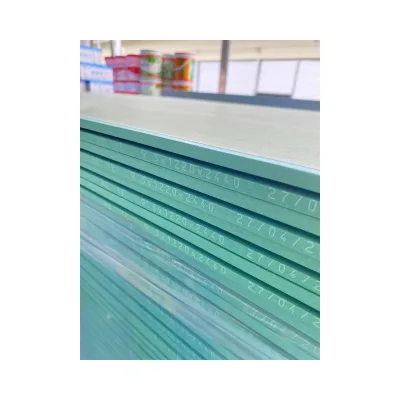
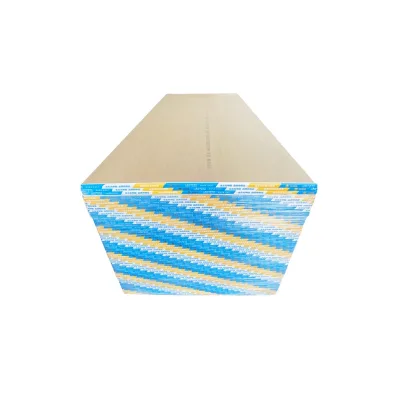


High Density Smoothness Gypsum Board for Residential Ceiling/Roof Ceiling
$0.50 - $1.80
MOQ: 500 Square Meters
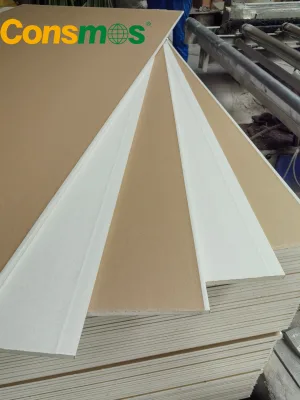
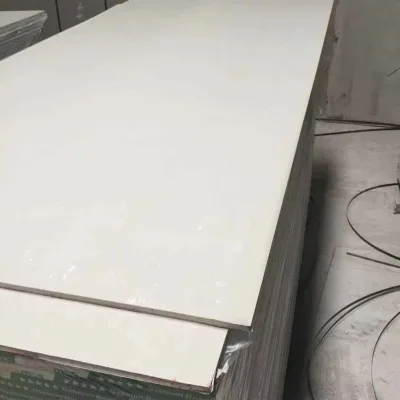
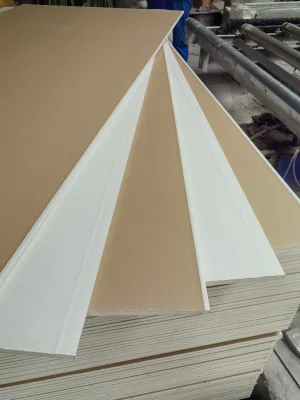
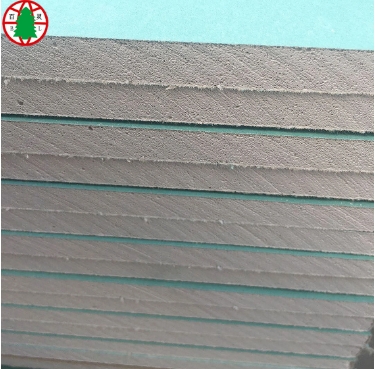
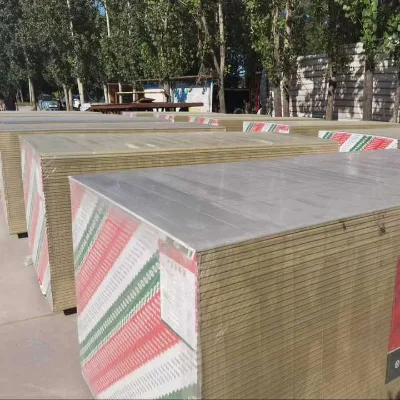
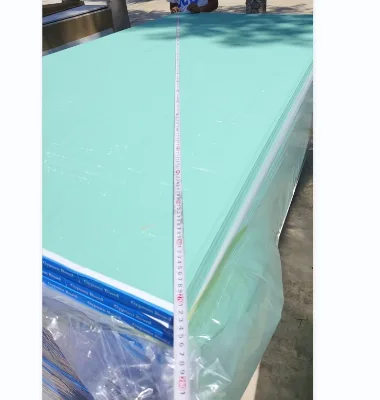
Factory Direct Supply Plasterboard Gypsum Board 9mm Thickness Suspended Ceiling Installation
$1.9431 - $4.6018
MOQ: 1 Minimum
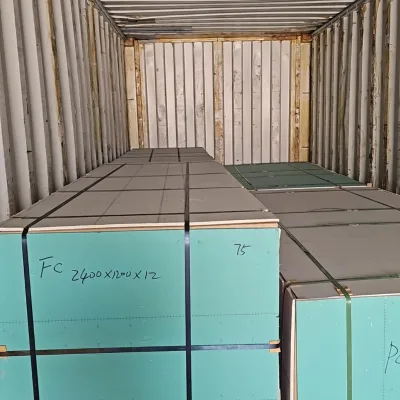
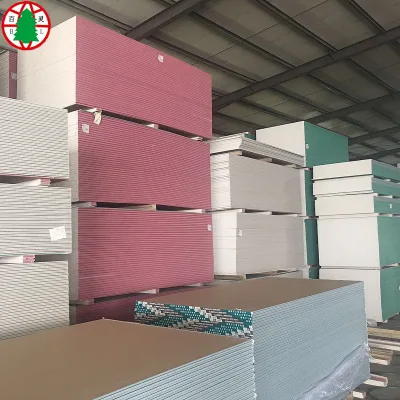
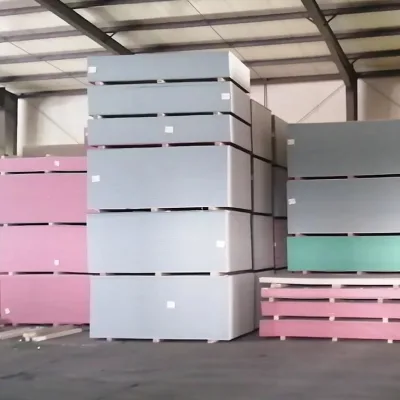
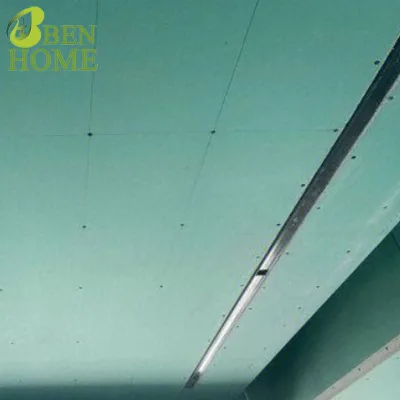
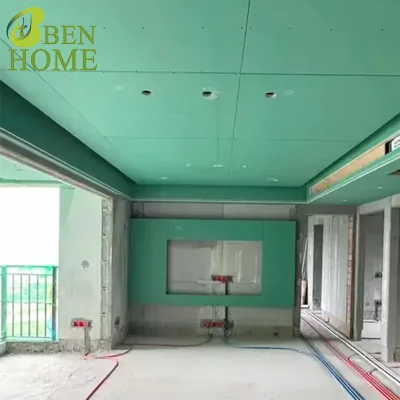
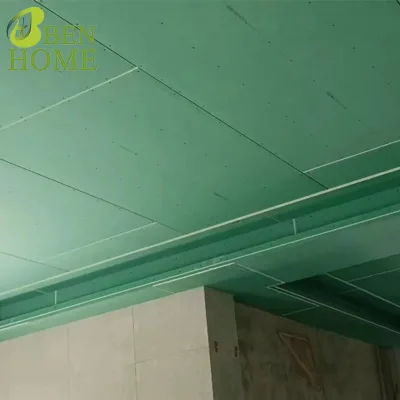
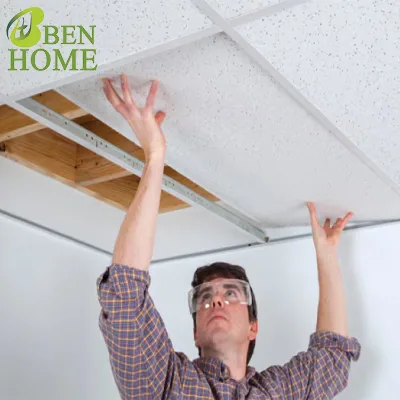
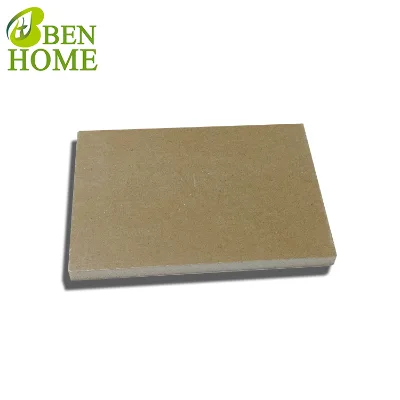
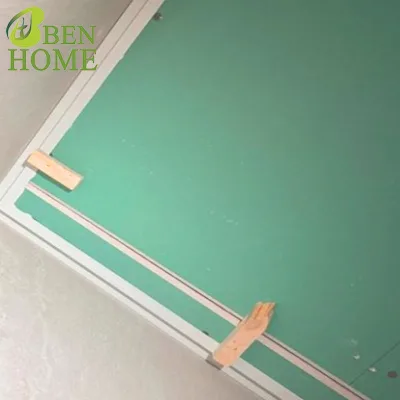

Durable Fireproof Gypsum Board for Contemporary Ceiling Applications
$1.80 - $2.10
MOQ: 2880 Square Meters


Fireproof Gypsum Board for Contemporary Moisture Resistant Designs
$1.80 - $2.10
MOQ: 10 Square Meters
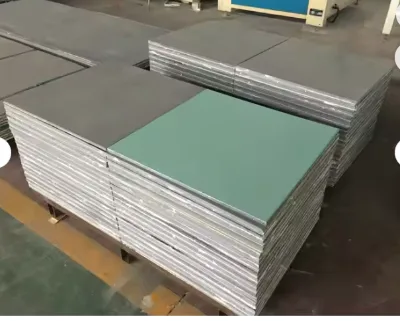


Comprehensive Sourcing Guide
Gypsum Roof Board Sourcing Guide
Procuring gypsum-based ceiling and roofing panels requires careful alignment of material properties with structural and environmental demands. Buyers must distinguish between standard decorative boards and specialized variants designed for moisture or fire resistance. The market offers products with varying core compositions, including glassfiber gypsum and wood veneer options, each serving distinct installation scenarios. Understanding these material differences is critical for ensuring long-term performance in both commercial and residential projects.
Sourcing decisions should also account for the specific functional requirements of the target application, such as soundproofing, heat insulation, or mold prevention. Suppliers often provide customized dimensions and edge profiles, including tapered or square edges, to facilitate seamless installation. Buyers need to verify whether the supplied panels meet the specific load-bearing or aesthetic needs of their project, ensuring that the chosen product type aligns with the architectural specifications and local building codes.
Product Scope and Observed Listing Signals
The observed product range includes regular gypsum boards alongside specialized variants that are fire, moisture, or water resistant. These panels are primarily intended for indoor applications, serving as ceilings in offices, hotels, households, and public spaces. The listings indicate a strong focus on functional versatility, with products marketed for their ability to provide fireproof, waterproof, and moisture-proof protection. This diversity allows buyers to select boards that match the specific environmental conditions of their construction sites.
Surface finishes and structural features vary significantly across the available inventory. Some products feature a fiber glass surface or double-sided decoration with green film veneer, while others are designed for easy rendering and painting. The ceiling tile shapes are predominantly rectangular or square, with options for artistic, honeycomb, perforated, or integrated ceiling designs. Buyers should carefully review the product model numbers and surface treatments to ensure compatibility with their desired aesthetic and functional outcomes.
Technical Specifications to Verify
Thickness is a critical parameter, with observed options ranging from 9mm to 16mm, including specific measurements like 9.5mm, 12.5mm, and 12.7mm. Tolerance levels are typically specified as ±0.5mm, ensuring consistency in panel dimensions for precise installation. Standard sizes often include 1200x2400mm or 1220x2440mm formats, though custom dimensions can be manufactured upon request. Buyers must confirm the exact thickness and size requirements for their project to avoid structural mismatches or installation delays.
Edge profiles and material composition also require verification. Products may feature tapered or square edges, which influence joint finishing techniques. The main materials cited include eucalyptus, pine, and glassfiber gypsum, each offering different strength and weight characteristics. Additionally, some listings mention metal framing provisions, which can simplify installation processes. Buyers should request detailed technical data sheets to confirm the specific material grade and structural integrity of the panels.
Compliance and Safety Documentation
Certification status is a key indicator of product quality and regulatory compliance. Observed listings include ISO, CE, ASTM, and SGS certifications, which provide assurance regarding manufacturing standards and safety performance. Buyers should verify that the specific product batch holds the necessary certifications for their target market, particularly for fire-resistant or moisture-proof variants. These documents are essential for passing building inspections and ensuring that the materials meet local safety regulations.
Formaldehyde emission standards are another critical compliance factor, with some products adhering to E2 standards. This is particularly important for indoor applications where air quality and occupant health are priorities. Buyers should request emission test reports to confirm that the panels meet the required environmental standards for their project. Additionally, verifying the product origin, such as Shandong or Guangdong in China, can help assess the reliability of the supply chain and the consistency of quality control measures.
Cost Drivers and Commercial Terms
Pricing for gypsum boards varies based on thickness, certification level, and customization requirements. The observed price range spans from $0.2 to $50 per unit, reflecting the diversity in product specifications and quality grades. Buyers should consider the total cost of ownership, including shipping, handling, and potential customs duties, rather than focusing solely on the unit price. Higher-priced items may offer superior fire resistance or moisture-proofing capabilities, which can reduce long-term maintenance costs.
Minimum order quantities (MOQ) and packaging methods also impact commercial terms. MOQs range from 1 to 2880 units, allowing flexibility for both small-scale renovations and large construction projects. Packaging options include bulk, palletized, or paper-taped configurations, which affect storage and handling requirements. Buyers should negotiate clear terms regarding sample availability, after-sale support, and delivery schedules to ensure a smooth procurement process and mitigate supply chain risks.
Supplier Qualification and Quality Control
Supplier verification should include an assessment of their manufacturing capabilities and quality control processes. Buyers should confirm that the supplier has the capacity to produce customized dimensions and edge profiles as required. Checking for online technical support services can provide additional assurance of post-purchase assistance. It is also advisable to request product samples to evaluate the surface finish, edge quality, and overall workmanship before committing to a large order.
Quality control measures should extend to the inspection of raw materials and finished products. Buyers should inquire about the grade of the main materials, such as first-class eucalyptus or pine, and the consistency of the glassfiber gypsum core. Verifying the supplier’s ability to provide detailed product models and specifications ensures that the delivered goods match the agreed-upon standards. Establishing a clear communication channel for addressing any quality issues is essential for maintaining project timelines and standards.
Long-Term Procurement Checks
Long-term success in sourcing gypsum boards depends on consistent quality and reliable supply chain performance. Buyers should monitor the supplier’s ability to maintain certification status and adhere to specified standards over time. Regular audits or third-party inspections can help ensure that the products continue to meet the required fire, moisture, and formaldehyde emission standards. This proactive approach helps mitigate the risk of quality degradation or regulatory non-compliance in future orders.
Building a strong relationship with the supplier can also facilitate better pricing and priority service during high-demand periods. Buyers should evaluate the supplier’s responsiveness to technical queries and their ability to provide timely after-sale support. Additionally, staying informed about industry trends and new product developments can help buyers identify opportunities for cost savings or performance improvements. Continuous evaluation of supplier performance ensures that the procurement strategy remains aligned with the project’s long-term goals.
FAQs
What thickness options are available for gypsum roof boards?
Standard thicknesses range from 9mm to 15mm, including specific sizes like 9.5mm, 10mm, 11mm, 12mm, 12.5mm, 12.7mm, and 13mm. These dimensions allow for precise structural integration in various ceiling applications. Custom thicknesses can also be manufactured to meet specific project requirements, ensuring flexibility for diverse architectural needs.
Can gypsum roof boards be customized for specific projects?
Yes, customization is available for different dimensions and specifications. Manufacturers can produce boards with tailored sizes to fit unique installation requirements. This flexibility ensures that the gypsum boards align perfectly with specific architectural designs, providing a seamless fit for both standard and non-standard ceiling structures in commercial and residential settings.
What certifications do gypsum roof boards typically hold?
Common certifications include ISO, CE, ASTM, and SGS standards. These certifications verify that the products meet international quality and safety benchmarks. Buyers can rely on these documented standards to ensure compliance with local building codes and regulations, providing confidence in the material's performance and reliability for indoor ceiling installations.
Where are gypsum roof boards primarily manufactured?
Production primarily occurs in Shandong and Guangdong provinces in China. These regions are known for their robust manufacturing capabilities and supply chain efficiency. Sourcing from these locations allows buyers to access a wide variety of gypsum board products, benefiting from established industrial hubs that specialize in high-volume production and export logistics.
What are the main functional features of gypsum ceiling boards?
Key features include fireproof, waterproof, moisture-proof, and soundproof properties. These boards also offer heat insulation and mould-proof benefits, making them suitable for diverse environments. The surface is easy to render and paint, allowing for artistic or perforated designs. These functions ensure durability and safety for office, hotel, and household applications.
How are gypsum roof boards packaged for shipping?
Packaging options include bulk packing, pallets, and paper tape protection. Some products are shipped unpacked or on pallets to ensure stability during transit. This varied packaging approach helps protect the boards from damage while optimizing shipping efficiency. Buyers can choose packaging methods that best suit their logistical requirements and handling capabilities.