Source HACCP Certified Sugar Free Mints for candy shops, gift packs, and retail
Find 30 verified options for HACCP Certified Sugar Free Mints from manufacturers in China. Buyers can compare certifications like FDA and ISO, packaging styles, and customization services to select the right supplier for bulk orders.
Key considerations
Products List


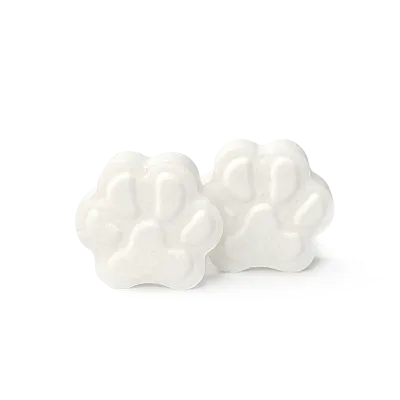
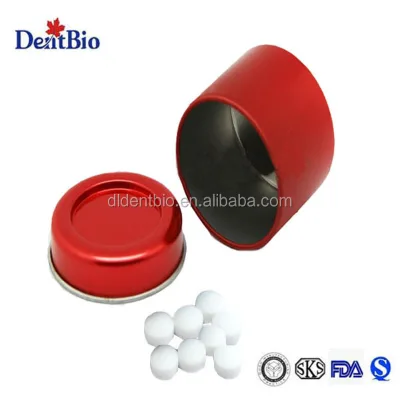
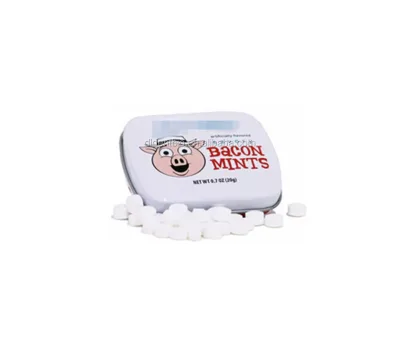
Sugar Free extra Dinner Strong Mints Candy Ice Strong Peppermint Sugar Free Mints
$0.20 - $0.42
MOQ: 5000 Minimum
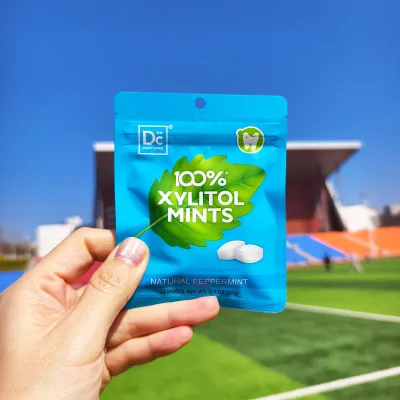
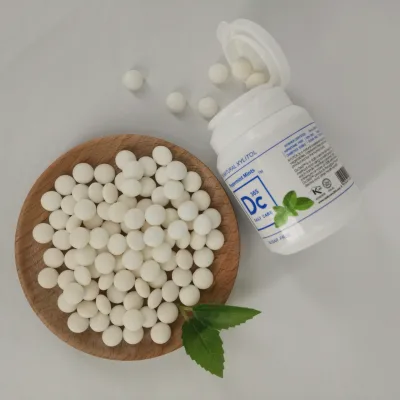
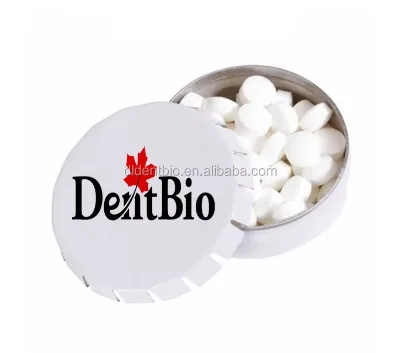
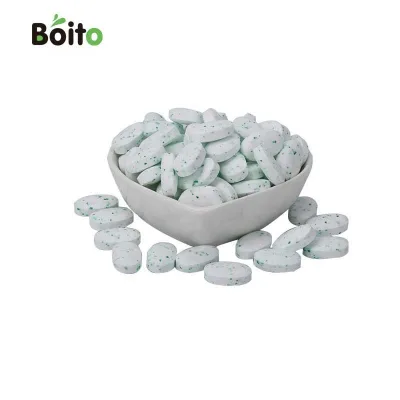
New Food Grade Sweet Mint Sugar Free Dual Pack Mints Hard CandyManufacturer Supply
$2.04 - $10.18
MOQ: 5 Minimum
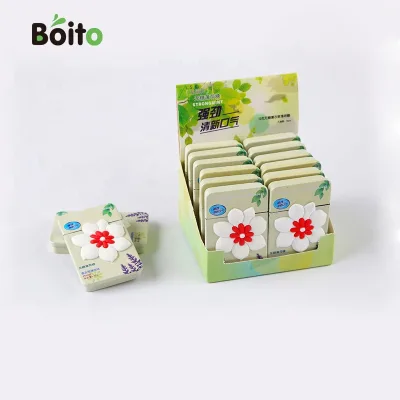
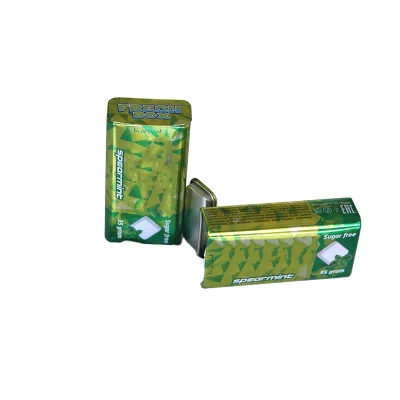
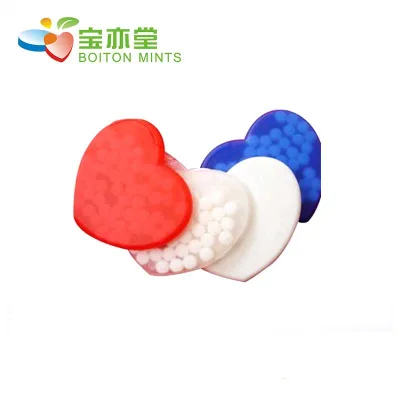
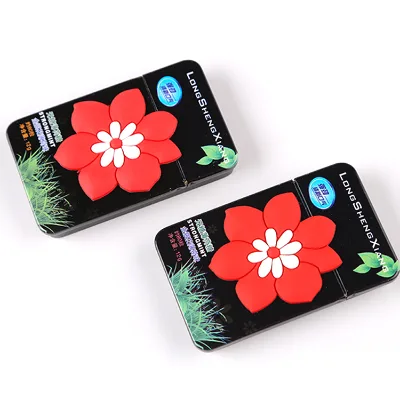
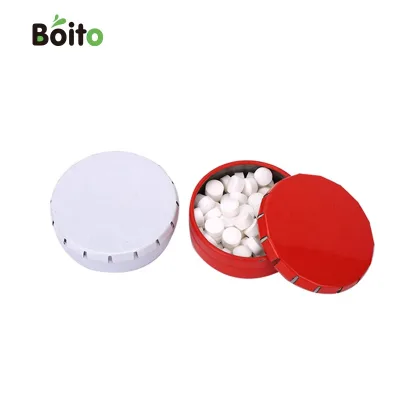
Best Quality Promotional Custom logo Printing Sugar Free and Dextrose Mint Candy
$0.20 - $0.97
MOQ: 5000 Minimum


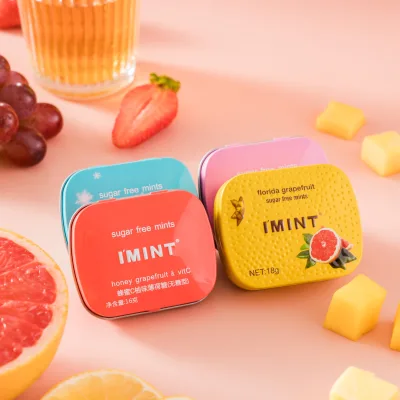
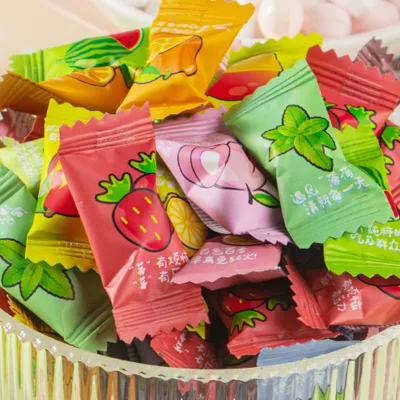
Wholesale Fruit Mint Tablets Sugar Free with Natural Flavors for Daily Freshness
$3.30 - $3.60
MOQ: 1000 kilograms


Comprehensive Sourcing Guide
Strategic Sourcing Guide for HACCP Certified Sugar-Free Mints
Understanding Product Specifications and Form Factors
When sourcing sugar-free mints, buyers must first establish a clear definition of the product's physical and chemical characteristics. The market offers a diverse range of form factors, from hard tablets to pillow-shaped confections. Observed product attributes indicate that these items are typically solid in form, designed for direct consumption without the need for preparation. The texture is predominantly hard, which is a critical specification for ensuring the longevity of the mint's flavor release and structural integrity during shipping.
The composition of these mints is a primary differentiator. Ingredients often include specific sweeteners such as sorbitol and xylitol, which provide the necessary sweetness without the caloric load or dental impact associated with sucrose. The color is frequently white, though some suppliers offer customizable color options to align with brand identity. Flavor profiles vary, with mint being a dominant and highly requested option, often described as fresh or cool. The product type is universally categorized as candy or confectionery, intended for oral consumption.
Packaging plays a dual role in product protection and consumer appeal. Common packaging materials include paper and plastic, with specific configurations ranging from individual boxes to bulk cartons. Standard packing units observed in the market include 12 units per box with 18 boxes per carton, or variations such as 48 boxes per carton. Some products utilize pillow-shaped packaging, while others come in plastic mint boxes or simple bags. The storage method is generally standard, requiring a cool and dry place to maintain quality, with a typical shelf life extending up to 24 months.
Compliance and Certification Verification
For B2B buyers in the food and beverage sector, verifying certification status is not merely a preference but a regulatory necessity. The core keyword "HACCP certified" implies a specific adherence to Hazard Analysis and Critical Control Points standards. However, the market landscape includes a broader spectrum of certifications that often accompany HACCP. Buyers should expect to see manufacturers holding a combination of ISO, FDA, BRC, QS, GMP, and Kosher certifications.
It is essential to understand that certification is not a monolithic attribute; it varies by facility and product line. While some suppliers explicitly list HACCP alongside ISO and GMP, others may prioritize FDA and BRC compliance. The presence of these certifications indicates that the manufacturing facility has implemented rigorous quality management systems. Buyers must verify that the specific product model they intend to purchase is covered under the current valid certificates. For instance, a facility might hold HACCP certification for one production line while another line operates under different standards.
The "OEM" (Original Equipment Manufacturer) and "ODM" (Original Design Manufacturer) service models are prevalent in this sector. This means that while the manufacturer may hold the certifications, the branding and specific formulation can be customized. Buyers should request current copies of all relevant certificates and ensure they are valid for the specific geographic market where the product will be sold. The "Place of Origin" is often listed as China, with specific provinces like Guangdong, Liaoning, and Shantou appearing frequently. While the location is a factual observation, the regulatory framework of the destination country must align with the certifications held by the supplier.
Cost Drivers and Pricing Dynamics
The pricing structure for sugar-free mints is influenced by a complex interplay of factors, including raw material costs, certification maintenance, and order volume. The observed price range in the market spans from $0.10 to $22.00 per unit, a wide variance that reflects differences in packaging complexity, ingredient quality, and order quantity. The lower end of the spectrum typically corresponds to bulk, unbranded, or minimally packaged units, while the higher end often includes premium packaging, specialized flavors, or smaller order quantities.
Minimum Order Quantity (MOQ) is a significant cost driver. The observed MOQ range extends from 1 unit to 40,000 units. High-volume orders generally benefit from economies of scale, reducing the per-unit cost significantly. However, buyers must balance the desire for lower unit costs against the risks of inventory holding and cash flow constraints. Suppliers with high supply abilities, such as those capable of producing 1,000 cartons per day, can accommodate large orders but may have higher MOQ thresholds to justify production runs.
Customization is a key factor that can elevate costs. While customization is available, it often requires setting up new production lines or sourcing specific packaging materials. The choice of packaging material, such as transitioning from standard paper to plastic mint boxes, can impact the final price. Additionally, the inclusion of specific ingredients like xylitol or sorbitol may fluctuate in cost based on global commodity markets. Buyers should anticipate that products with multiple certifications (e.g., HACCP, ISO, BRC, Kosher) may carry a premium due to the administrative and operational costs associated with maintaining these standards.
Typical Applications and Market Segmentation
Sugar-free mints serve a variety of applications across different market segments. The primary use case is as a confectionery item for direct consumption, often marketed as a healthy alternative to traditional candy. The "Instruction for Use" is straightforward: "for Eat" or "eat as need," indicating a ready-to-consume product that requires no preparation. This simplicity makes them ideal for retail distribution, vending machines, and promotional giveaways.
The "Feature" of being sugar-free is a major selling point for health-conscious consumers and those managing dietary restrictions. This attribute opens doors to specific market segments, including pharmacies, health food stores, and specialty retailers. The product's texture and flavor profile make it suitable for use in various settings, from office environments to travel kits. The "Quality" attribute of "mass production" suggests that these products are designed for high-volume distribution rather than niche, artisanal markets.
In the B2B context, these mints are frequently utilized for private labeling and white-labeling strategies. The "Brand Name" is often listed as "OEM," allowing retailers to apply their own branding to the product. This flexibility is crucial for companies looking to enter the confectionery market without investing in their own manufacturing facilities. The "Service" model of OEM and ODM support allows buyers to customize the product to meet specific brand requirements, including flavor, color, and packaging design.
Supplier Evaluation and Selection Criteria
Selecting the right supplier requires a rigorous evaluation process that goes beyond simple price comparison. Buyers should prioritize suppliers who demonstrate transparency in their manufacturing capabilities and quality control processes. The "Manufacturer" names observed in the market, such as Suntak or Jiachem Dentbio Co.,Ltd, serve as examples of established entities, but buyers should not rely on brand recognition alone. Instead, they must verify the supplier's ability to meet specific technical and compliance requirements.
Key evaluation criteria include the supplier's supply ability, which indicates their capacity to meet demand fluctuations. A supplier claiming a supply ability of 1,000 cartons per day demonstrates robust production capacity. However, buyers must also assess the lead times and the flexibility of the supplier to handle custom orders. The "Address" and "Place of Origin" provide geographical context, which can impact logistics and shipping costs. Suppliers located in industrial hubs like Guangdong or Liaoning may offer logistical advantages due to established supply chains and infrastructure.
Quality assurance is another critical factor. Buyers should inquire about the supplier's internal quality control measures and how they align with external certifications. The "Quality" attribute of "mass production" implies a focus on consistency, but buyers must ensure that this consistency is maintained across all batches. Requesting samples and conducting third-party testing can help validate the supplier's claims regarding product quality and safety.
Quality Control and Long-Term Procurement Considerations
Maintaining product quality over the long term requires a proactive approach to quality control. Buyers should establish clear specifications for raw materials, such as the type and purity of sweeteners used. The "Ingredients" list, which may include sorbitol and xylitol, should be verified against the supplier's quality assurance protocols. Regular audits of the manufacturing facility can help ensure that the supplier continues to meet the agreed-upon standards.
The "Shelf Life" of 24 months is a standard benchmark, but buyers must verify that this duration is maintained under various storage conditions. The "Storage Type" recommendation of a "cool and dry place" must be communicated clearly to downstream distributors and retailers to prevent premature spoilage. Packaging integrity is also crucial; any compromise in the packaging material, whether paper or plastic, can lead to moisture ingress and flavor degradation.
Long-term procurement considerations involve building a resilient supply chain. Buyers should diversify their supplier base to mitigate risks associated with single-source dependencies. Establishing clear communication channels and regular review meetings with suppliers can help address any emerging issues before they impact production. Additionally, buyers should stay informed about changes in regulatory requirements and market trends that could affect the demand for sugar-free mints. By maintaining a strategic approach to sourcing, buyers can ensure a steady supply of high-quality products that meet the evolving needs of their customers.
Comparative Analysis of Product Attributes
To facilitate decision-making, buyers can utilize the following table to compare key attributes of potential product options. This comparison highlights the diversity in specifications, certifications, and packaging found in the market.
| Attribute | Option A | Option B | Option C |
|---|---|---|---|
| Form | Solid | Solid | Solid |
| Shape | Tablet, Round | Pillow | Tablet |
| Texture | Hard | Hard | Hard |
| Flavor | Mint | Mint | Custom |
| Ingredients | Sorbitol, Xylitol | Sweetener | Sorbitol, Xylitol |
| Certifications | FDA, ISO, BRC | HACCP, ISO, GMP | HACCP, ISO, QS |
| Packaging | Box, Plastic Mint Box | Bag | Carton |
| Shelf Life | 24 Months | 24 Months | 24 Months |
| Origin | China | Liaoning, China | Guangdong, China |
| MOQ Range | 1 - 40000 | 1 - 40000 | 1 - 40000 |
This table illustrates that while core attributes like form, texture, and shelf life remain consistent, variations in shape, packaging, and specific certifications can significantly impact the suitability of a product for different market segments. Buyers should carefully weigh these differences against their specific business requirements and target consumer preferences.
FAQs
What certifications do HACCP Certified Sugar Free Mints manufacturers hold?
Manufacturers typically hold HACCP, ISO, GMP, QS, and Kosher certifications alongside FDA and BRC standards. These credentials verify that the facility maintains rigorous quality management systems for safe production of sugar-free confectionery products.
Which specifications are available for solid sugar-free mints?
Available specifications include standard weights of 35g, 40g, and 50g with models like TT005 and TT008. Products are solid in form with hard textures, often shaped as tablets or pillows, and come in various packaging configurations.
Can buyers customize packaging and flavors for these mints?
Yes, customization is available for packaging materials like paper or plastic and flavors such as mint. Buyers can also select colors and request OEM or ODM services to align the product with their specific brand identity and market needs.
What is the typical shelf life and storage requirement for these mints?
The standard shelf life is 24 months when stored in a cool and dry place. This storage method ensures the hard texture and flavor integrity are maintained, preventing spoilage during transport and retail display periods.
How does the MOQ range affect the pricing of sugar-free mints?
The minimum order quantity ranges from 1 to 40,000 units, significantly influencing the per-unit price. Higher volume orders generally benefit from economies of scale, while smaller orders may incur higher costs due to packaging and setup fees.
Where are the primary manufacturing locations for these products?
Primary manufacturing locations include China, specifically in provinces like Guangdong, Liaoning, and the city of Shantou. These regions host factories with supply abilities capable of producing thousands of cartons daily to meet global demand.