Source Fruity Ice Cream Marshmallow for Events, Gifts, and Retail
Find 30 listings for Fruity Ice Cream Marshmallow from Chinese manufacturers offering OEM services. Buyers can compare specifications like 10.5g packs and 80g bags, shelf life ranging from 12 to 18 months, and customized colors for various applications.
Key considerations
Products List
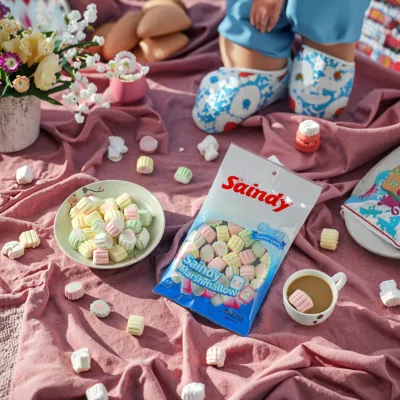
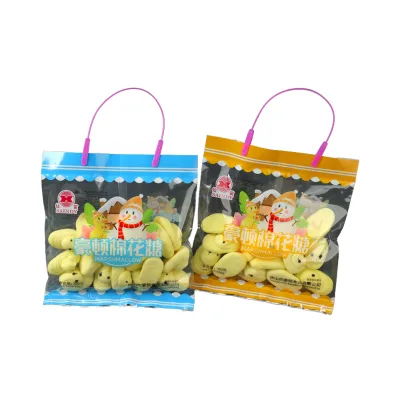
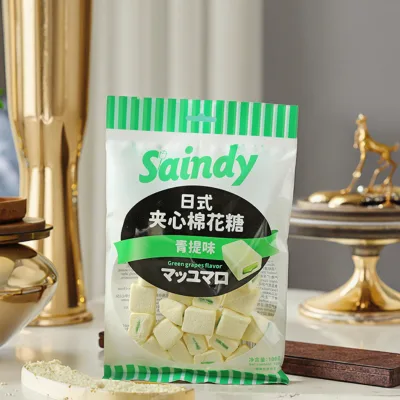
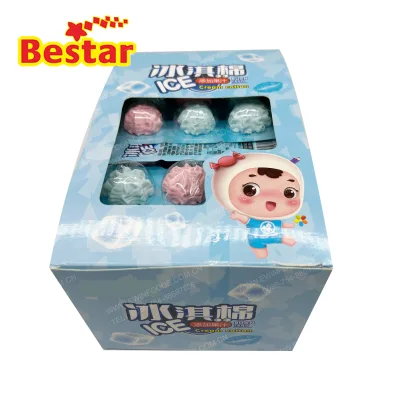
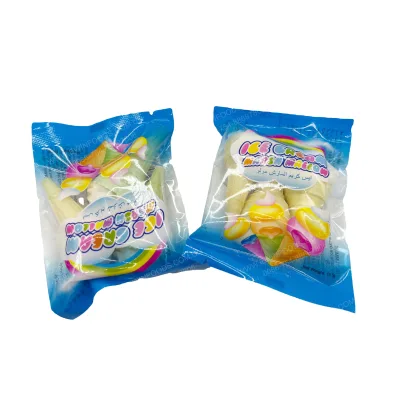


HACCP Certificate Candy Supplier Ice Cream Marshmallow with Fruit Flavor Wholesale
$0.08 - $0.12
MOQ: 10000 Picecs

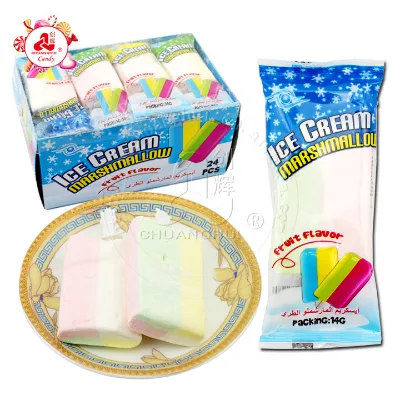


Comprehensive Sourcing Guide
Strategic Sourcing Guide for Fruity Ice Cream Marshmallow Products
Understanding Product Specifications and Variants
The procurement of Fruity Ice Cream Marshmallow products requires a precise understanding of the diverse specifications available in the current market. Based on observed product data, these items are generally categorized under the broader umbrella of confectionery, specifically targeting the "Candy" and "Marshmallow" segments. The core product definition often includes variations such as "Marshmallow with jam cotton candy ice cream marshmallow" or "Ice cream marshmallow with sauce," indicating a complex flavor profile that combines the airy texture of marshmallow with creamy, fruity, or icy notes.
When evaluating technical specifications, buyers must note the significant variance in physical attributes. Product forms are typically described as "Solid" or "Piece," with shapes ranging from standard pieces to custom molds. The color palette is highly flexible, with many suppliers offering "Customized Color" or "Multi-Colored" options, while standard listings may also feature "White" or specific "Fruity Flavours" that dictate the visual appearance. Packaging specifications are equally critical; observed data points to a "Box" packaging type, often made from "Plastic" materials, with dimensions varying significantly. For instance, single package sizes have been recorded at 30x40x30 cm, while individual unit specifications might be as small as 10.5g per piece, packed 24 pieces per box, or larger bulk configurations like 80g per bag with 90 bags per box.
The content of these products is a primary differentiator. While some listings specify "Marshmallow" as the primary content, others list "other" ingredients or note that content is "as customer requirements." This flexibility allows for OEM (Original Equipment Manufacturer) and ODM (Original Design Manufacturer) services, where the supplier can customize the flavor profile, such as "Fruity Flavours" or specific "Ice cream marshmallow" profiles, to match the buyer's brand identity. The shelf life is another critical technical parameter, with observed ranges extending from 12 months to 18 months, depending on the specific formulation and storage conditions.
Compliance, Certification, and Regulatory Verification
In the global confectionery market, regulatory compliance is non-negotiable, yet specific certification statuses for individual suppliers must be verified on a case-by-case basis rather than assumed. The supplied product data indicates that the place of origin for these goods is primarily "China," with specific manufacturing hubs identified in "Foshan" and "Shantou city" within the "Guangdong" province. While these regions are known for their manufacturing capabilities, the presence of a manufacturer such as "Ewin foods co.,Ltd" or a brand like "Haodun" does not automatically confer specific international certifications.
Buyers must actively verify that the manufacturing facilities adhere to relevant food safety standards. The data mentions a "Department" classification, sometimes listing "Lollipop" or "Hard Candy," which suggests that some facilities may produce multiple types of confectionery. This cross-production capability necessitates a rigorous audit of the facility's hygiene protocols to prevent cross-contamination. Furthermore, the instruction for use is consistently listed as "Eating" or "eat," which implies the product is intended for direct human consumption, thereby requiring strict adherence to food safety regulations in both the country of origin and the destination market.
Regarding specific standards, the provided facts do not list explicit certification numbers (e.g., ISO 22000, HACCP, BRCGS). Therefore, procurement teams should not rely on general market assumptions but must request current audit reports and certificates directly from the supplier. The "Service" attribute often highlights "OEM Custom Candy" or "OEM.ODM," which implies a partnership where the buyer's specific compliance requirements can be integrated into the production process. However, the baseline responsibility for meeting local import regulations remains with the importer. Buyers should also verify that the "Ingredients" listed, which may include "other" unspecified components, are fully disclosed and compliant with the destination country's labeling laws.
Cost Drivers and Pricing Structure Analysis
The pricing structure for Fruity Ice Cream Marshmallow products is influenced by a complex interplay of factors, including customization levels, packaging complexity, and order volume. The observed listed price range in the market spans from $0.06 to $200 per unit, a wide variance that reflects the difference between bulk raw materials and finished, branded, or highly customized retail units. This range underscores the importance of defining the exact scope of the purchase before engaging in price negotiations.
A primary cost driver is the "MOQ" (Minimum Order Quantity). The data shows a significant spread in MOQ requirements, ranging from as low as 1 unit to as high as 10,000 units. Specific listings indicate MOQs of 300 cartons or 500 counts. Suppliers with lower MOQs may charge a premium per unit to cover setup costs for smaller production runs, while those requiring higher volumes can offer more competitive pricing. The "Selling Units" are often listed as "Single item," which can be misleading; buyers must clarify whether the price refers to a single piece, a single bag, or a single box.
Packaging costs also play a substantial role. The use of "Plastic" packaging materials and the specific dimensions of the "Single package size" (e.g., 30x40x30 cm) directly impact shipping and handling costs. Larger boxes with higher gross weights, such as a "Single gross weight" of 3.0 kg, will incur higher freight charges compared to lighter, more compact packaging. Additionally, the "Customization" feature, which includes custom colors and flavors, adds to the production cost. The "Service" aspect, particularly OEM and ODM capabilities, involves additional engineering and design fees that are often factored into the final unit price.
Buyers should also consider the "Lead time" and "Place of Origin" logistics. While specific lead times are not provided in the source data, the distance from "Guangdong, China" to various global markets will influence the final landed cost. The "Storage Type" requirement, which specifies a "Cool Dry Place" and avoidance of sunlight, may necessitate specialized shipping conditions, such as refrigerated containers or climate-controlled warehousing, further affecting the total cost of ownership.
Typical Applications and Market Positioning
Fruity Ice Cream Marshmallow products are versatile confectionery items that serve multiple market segments. Their primary application is as a direct-to-consumer snack, capitalizing on the "sweet" taste and "Fruity Flavours" that appeal to a broad demographic, including children and adults seeking a nostalgic or novel treat. The "Keyword" associations such as "Yummy Gummy" and "marshmallow with jam" suggest a positioning that blends the chewy texture of gummies with the creamy, fruity notes of ice cream, creating a unique sensory experience.
These products are also frequently utilized in promotional and corporate gifting scenarios. The ability to customize the "Colours" and "Shape" makes them ideal for branded merchandise, events, and seasonal campaigns. The "Service" attribute highlighting "OEM Custom Candy" confirms that these items can be tailored to specific brand identities, making them suitable for private label opportunities where retailers want to offer exclusive products.
In the retail sector, the "Specification" of 10.5g*24pcs/box or 80g/bag indicates that these products are designed for both individual consumption and bulk sharing. The "Packaging" in "Box" format facilitates shelf display and protects the product during transit. The "Flavor" profile, specifically "Fruity," aligns with current consumer trends favoring natural and fruit-based flavors over artificial sweeteners, although the exact ingredient composition must be verified. The "Product Type" as "Candy" places these items in a highly competitive category, requiring strong differentiation through flavor innovation and texture quality.
Supplier Evaluation and Selection Criteria
Selecting the right supplier for Fruity Ice Cream Marshmallow products requires a thorough evaluation of their capabilities, location, and service offerings. The data indicates that manufacturers are located in specific industrial zones within China, such as "Foshan" and "Shantou city." While these locations suggest established manufacturing ecosystems, buyers must verify the specific capabilities of each facility. For instance, the presence of a "Manufacturer" like "Ewin foods co.,Ltd" or a brand like "Haodun" provides a starting point, but the actual production capacity and quality control measures must be independently assessed.
Key evaluation criteria should include the supplier's ability to handle "OEM" and "ODM" requests. The "Service" attribute confirms that many suppliers offer these services, but the depth of their customization capabilities—such as the ability to match specific "Customized Color" requirements or develop unique "Fruity Flavours"—must be tested. The "Model Number" (e.g., BR002554, BR003034, YX-QT00439) serves as a reference for specific product lines, and buyers should ensure the supplier can consistently reproduce these specifications.
The "Address" and "Place of Origin" details are crucial for logistics planning. Suppliers in "Guangdong, China" are generally well-connected to major shipping ports, but the specific proximity to the buyer's distribution centers can impact lead times and freight costs. Additionally, the "Department" classification (e.g., "Lollipop," "Hard Candy") suggests that some suppliers may have diverse product lines; buyers should ensure that the supplier's primary focus aligns with their specific needs for marshmallow products to avoid potential quality compromises.
Quality Control and Storage Management
Maintaining the quality of Fruity Ice Cream Marshmallow products throughout the supply chain is essential to preserve their texture, flavor, and safety. The "Storage Type" and "Storage way" attributes consistently emphasize the need to "keep in cool and dry place" and "Avoid Sunshine." This requirement is critical because marshmallow products are hygroscopic and can degrade in humidity or high temperatures, leading to texture changes such as hardening or melting. The "Shelf Life" of 12 to 18 months is contingent upon strict adherence to these storage conditions.
Quality control protocols should begin at the manufacturing stage. Buyers should verify that the "Ingredients" are sourced from approved suppliers and that the production process prevents contamination. The "Instruction for use" being "Eating" necessitates that the final product is free from foreign materials and meets all food safety standards. Regular sampling and testing for microbial content, heavy metals, and allergens are standard practices that should be mandated in the procurement agreement.
During transit, the "Packaging" must be robust enough to protect the product from physical damage and environmental factors. The "Single gross weight" of 3.0 kg for certain packages indicates that handling procedures must be careful to prevent crushing or deformation. The "Color" stability is also a quality metric; "Customized Color" products must maintain their vibrancy and not fade or bleed during storage and transport. Buyers should request quality control reports that include visual inspections, weight checks, and sensory evaluations to ensure the product meets the agreed-upon specifications before shipment.
Long-Term Procurement and Supply Chain Resilience
Establishing a long-term procurement strategy for Fruity Ice Cream Marshmallow products involves more than just securing a single order; it requires building a resilient supply chain that can adapt to market changes and demand fluctuations. The "Customization" availability suggests that suppliers are willing to work closely with buyers to refine products over time, which is beneficial for brand development. However, buyers should ensure that the "MOQ" requirements are flexible enough to accommodate varying demand levels without incurring excessive inventory costs.
The "Service" aspect, particularly "OEM Custom Candy," offers opportunities for continuous product innovation. Buyers should engage suppliers in a collaborative relationship where they can co-develop new flavors, shapes, or packaging designs based on consumer feedback. This approach not only strengthens the supplier-buyer relationship but also ensures that the product line remains competitive and relevant.
Supply chain resilience also depends on the supplier's ability to manage risks, such as raw material shortages or logistical disruptions. Given that the "Place of Origin" is concentrated in specific regions of China, buyers should consider diversifying their supplier base or establishing contingency plans to mitigate potential disruptions. The "Shelf Life" of 12 to 18 months provides a buffer for inventory management, but buyers must plan their ordering cycles to ensure that stock turnover aligns with the product's freshness window.
Finally, the "Keyword" trends, such as "Yummy Gummy" and "Ice cream marshmallow," indicate shifting consumer preferences. Long-term procurement strategies should include regular market analysis to identify emerging trends and adjust product specifications accordingly. By maintaining open communication with suppliers and staying informed about industry developments, buyers can ensure a steady supply of high-quality Fruity Ice Cream Marshmallow products that meet the evolving needs of their customers.
FAQs
What are the typical shelf life and storage requirements for these products?
The shelf life ranges from 12 to 18 months depending on the specific formulation. Buyers must store items in a cool, dry place while avoiding direct sunlight to maintain texture and quality.
Which customization services are available for Fruity Ice Cream Marshmallow brands?
Suppliers offer OEM and ODM services allowing for customized colors, flavors, and shapes. Buyers can request specific content and packaging details to match their brand identity requirements.
How does the minimum order quantity vary for these confectionery items?
Minimum order quantities range from 1 unit up to 10,000 units across different suppliers. Specific listings may require 300 cartons or 500 counts, so buyers should verify exact thresholds.
Where are the primary manufacturing locations for these marshmallow products?
Manufacturing is primarily located in China, specifically within the Guangdong province. Key cities identified for production include Foshan and Shantou city, which serve as major industrial hubs.
What packaging specifications are commonly used for bulk orders?
Products are typically packed in boxes made of plastic materials with varying dimensions. Specifications include configurations like 80g per bag with 90 bags per box or 10.5g per piece.