Source HACCP Frozen Tilapia Fillet for Food Service, Frying, and Grilling
Explore 30 listings for HACCP Frozen Tilapia Fillet available from Chinese suppliers. Buyers can compare specifications, certifications, and packaging options for wholesale, food service, and retail applications.
Key considerations
Products List


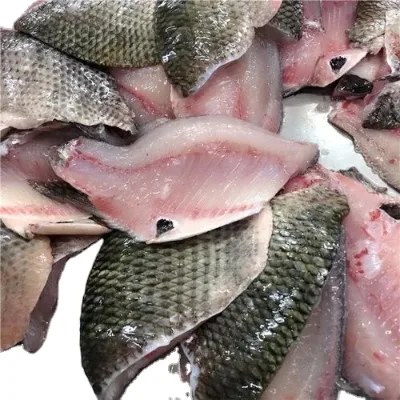


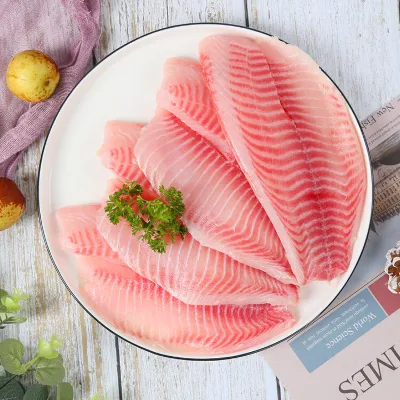
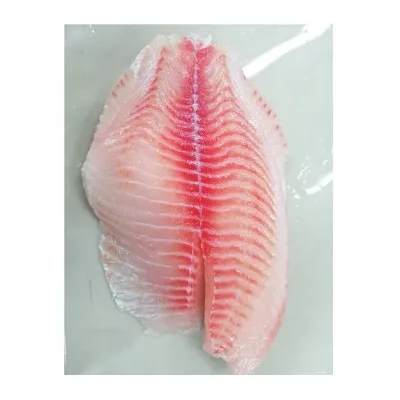
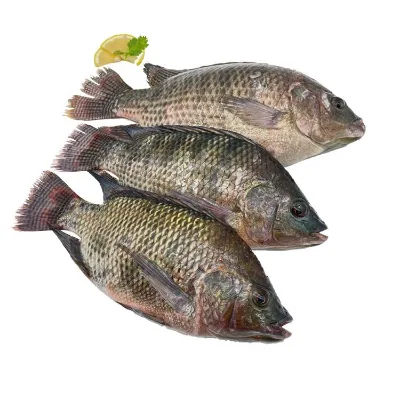


Top Quality Frozen Tilapia Niloticus Frozen Fish Seafood Black Tilapia Fillets
$1.89 - $2.29
MOQ: 20000 kg

China Niloticus Tilapia Fillet Frozen IQF Fish Seafood Frozen Tilapia Fillet
$2.15 - $2.20
MOQ: 18000 kg


Comprehensive Sourcing Guide
Strategic Sourcing Guide for HACCP Certified Frozen Tilapia Fillets
Navigating the global market for frozen tilapia fillets requires a disciplined approach that balances technical specifications with rigorous compliance verification. For procurement professionals, the core keyword "HACCP Frozen Tilapia Fillet" represents a specific intersection of food safety standards, processing methods, and product form. The supply chain for this commodity is complex, involving multiple processing stages, varying origin points, and diverse packaging configurations. This guide outlines the essential factors buyers must evaluate to secure a reliable supply of high-quality frozen tilapia while adhering to international food safety protocols.
Understanding Product Specifications and Form Factors
The first step in sourcing is defining the exact physical and biological attributes of the product. In the current market, tilapia is available in distinct forms, primarily categorized as fillets or whole round. The "fillet" designation indicates that the fish has been deboned and skinned, ready for immediate culinary use, whereas "whole round" implies a whole fish that has been cleaned but not filleted. Buyers must verify the specific style part required for their production line. Data indicates that fillets are often processed into IQF (Individually Quick Frozen) or IVP (Individually Vacuum Packed) formats, which are critical for maintaining texture and preventing clumping during storage.
Size specifications are equally vital for inventory planning and portion control. The industry utilizes size gradations based on count per pound or weight per piece. Observed standards in the market include ranges such as 2-3, 3-5, 5-7, and 7-9 pieces per pound, or weight-based classifications like 300-500g, 500-800g, and 800-1200g per piece. These variations directly impact the yield and cost-efficiency of downstream food service or manufacturing operations. Additionally, buyers should note the presence of pin bones, often denoted as Pbo or Pbi in technical data, which requires specific deboning processes to ensure a boneless product. The color of the fillet is another observable attribute, with some listings noting a black hue, which may relate to the specific farming conditions or processing stage, requiring visual verification against the buyer's quality standards.
Compliance and Certification Verification
Food safety is the non-negotiable pillar of sourcing frozen seafood. The term "HACCP" (Hazard Analysis and Critical Control Points) is a fundamental requirement, but it is rarely sufficient on its own for international trade. A robust supplier portfolio typically holds a combination of certifications including ISO (International Organization for Standardization), FDA (Food and Drug Administration) registration, and BRC (British Retail Consortium) standards. The presence of these certifications indicates that the facility has undergone third-party audits to verify their ability to control biological, chemical, and physical hazards throughout the production process.
When evaluating a potential supplier, procurement teams must request current certificates and verify their validity dates. The supply chain for tilapia often originates from specific regions, such as Fujian, China, where the combination of fresh water production and seafood processing capabilities is concentrated. Buyers should confirm that the certification covers the specific facility where the product is processed, not just the parent company. Furthermore, the "Customization" attribute suggests that suppliers may offer private labeling or OEM services, which necessitates additional documentation to ensure that the branding and labeling comply with the destination country's regulations. The absence of any single certification in a high-risk category should trigger a deeper audit or a request for alternative suppliers.
Cost Drivers and Pricing Dynamics
The pricing of frozen tilapia fillets is influenced by a multitude of variables, ranging from raw material sourcing to final packaging. The observed price range in the market spans from $0.65 to $5,000, a disparity that reflects differences in product grade, packaging type, order volume, and specific processing requirements. The "Raw Material" source is a primary cost driver; products derived from cultured (farmed) sources generally differ in price and consistency from wild-caught varieties, although the market data indicates a mix of both resource types.
Order volume is another critical determinant of cost. The Minimum Order Quantity (MOQ) can vary significantly, ranging from as low as 1 unit to as high as 37,000 units. Larger orders typically benefit from economies of scale, reducing the unit cost, but they also require significant storage capacity and capital commitment. Buyers must also consider the "Glazing" percentage, which can be set at 10%, 20%, or customized. While glazing protects the fish from freezer burn, excessive glazing increases the net weight without adding edible product, effectively raising the cost per pound of actual meat. The "Net Weight" percentage (e.g., 100%, 90%, 80%) further complicates pricing, as buyers must calculate the true cost of the edible portion rather than the gross weight.
Typical Applications and Usage Scenarios
Frozen tilapia fillets are versatile ingredients designed for a wide array of culinary applications. The product is specifically marketed for use in food service, frying, grilling, hot pot, and wholesale distribution. The "Instruction for use" typically involves cooking, but the specific preparation method depends on the fillet's thickness and glazing level. For instance, IQF fillets are ideal for high-volume commercial kitchens where rapid thawing and consistent portioning are required, while bulk IWP (Individual Wrapped Pack) master cartons are better suited for wholesale distribution to retail chains.
The "Transportation" requirements are strictly defined, necessitating refrigerated containers maintained at temperatures of ≤-18℃. This ensures that the product remains safe and retains its quality during transit. The "Storage" conditions are equally critical, with a recommended shelf life of over 12 months, and in some cases up to 2 years, provided the temperature is consistently maintained below -18℃. Buyers must align their logistics infrastructure with these requirements to prevent spoilage and ensure product integrity upon arrival. The "Style" of the product, whether sliced, filleted, or whole round, dictates its suitability for specific dishes, such as fish and chips, soups, or grilled entrees.
Supplier Evaluation and Supply Chain Stability
Selecting a supplier involves more than just comparing price quotes; it requires an assessment of their operational stability and capacity. The "Supply Ability" is described as stable and large, which is a crucial indicator for buyers looking to secure long-term contracts. However, buyers should verify this claim by requesting production capacity data and historical fulfillment records. The "Process" employed, such as IQF or standard frozen processing, affects the final texture and quality of the fish. IQF processing is generally preferred for premium applications as it preserves the cellular structure of the fish better than slow-freezing methods.
The "Packaging Material" is another area requiring scrutiny. Options range from paper to plastic-carton combinations, with bulk master cartons being common for large-scale distribution. The integrity of the packaging is essential for maintaining the cold chain. Buyers should also evaluate the "Saving Condition" and "Storage" protocols of the supplier to ensure they match the buyer's logistics capabilities. The "Brand" availability, including OEM and private label options, allows buyers to customize the product for their specific market, but this requires clear communication of branding requirements and quality expectations.
Quality Control and Long-Term Procurement Considerations
Effective quality control extends beyond the initial purchase order. Buyers must establish clear acceptance criteria based on the observed specifications, such as the "Standard" size ranges and "Color" attributes. Regular sampling and testing are essential to verify that the delivered product matches the agreed-upon specifications. The "Pin Bone" content must be rigorously checked to ensure the fillets meet the boneless standard required for the end consumer.
Long-term procurement strategies should focus on building relationships with suppliers who demonstrate transparency and adaptability. The "Customization" capability of suppliers allows for adjustments in packaging, size, and glazing to meet changing market demands. Buyers should also consider the "Origin" of the product, as regional differences in farming practices can affect taste and texture. Establishing a consistent supply chain from Fujian, China, or other verified origins ensures a steady flow of product. Finally, buyers must maintain a flexible approach to "Net Weight" and "Glazing" percentages to optimize costs without compromising quality, ensuring that the procurement strategy remains resilient against market fluctuations.
| Attribute Category | Key Observation | Verification Requirement |
|---|---|---|
| Certification | HACCP, ISO, FDA, BRC | Request valid certificates for specific facility |
| Processing | Frozen, IQF, IVP | Confirm processing method matches product spec |
| Packaging | Paper, Plastic+Carton, Bulk IWP | Verify packaging integrity and cold chain capability |
| Size/Standard | 2-3, 3-5, 5-7, 7-9 (oz/pc) | Confirm count per pound matches order requirements |
| Origin | China, Fujian | Validate origin documentation and traceability |
| Storage | ≤-18℃, >12 Months Shelf Life | Ensure logistics can maintain required temperature |
By adhering to these guidelines, procurement professionals can navigate the complexities of the frozen tilapia market with confidence, ensuring that the final product meets the highest standards of safety, quality, and value.
FAQs
What certifications do HACCP Frozen Tilapia Fillet suppliers hold?
Suppliers typically hold HACCP, ISO, FDA, and BRC certifications. These standards verify that facilities control biological and chemical hazards, ensuring the product meets international food safety protocols for export.
Which processing methods are used for frozen tilapia fillets?
Products are processed using IQF or IVP methods. These techniques individually quick freeze or vacuum pack the fillets to maintain texture and prevent clumping during storage and transportation.
Can buyers request custom packaging for frozen tilapia fillets?
Yes, customization is available for packaging and branding. Suppliers offer options like bulk master cartons or private labeling, allowing buyers to tailor the product to specific market requirements.
What are the standard size specifications for these fillets?
Sizes vary by count per pound or weight per piece. Common standards include 2-3, 3-5, 5-7, and 7-9 pieces per pound, or weight ranges like 300-500g per piece.
How should frozen tilapia fillets be stored and transported?
Storage requires temperatures below -18°C with a shelf life exceeding 12 months. Transportation must use refrigerated containers to maintain the cold chain and ensure product integrity upon arrival.
What is the origin of the cultured tilapia fillets?
The primary origin is Fujian, China, where fresh water products are processed. This region concentrates the necessary infrastructure for producing high-quality frozen seafood under strict safety standards.