Source HACCP Dried Shrimp for Fish Feed, Turtle Diet, and Pet Snacks
Find 30 verified listings for HACCP Dried Shrimp suitable for fish feed, turtle diets, and small animal snacks. Compare specifications from Chinese manufacturers offering frozen and freeze-dried options with high-protein content and natural ingredients.
Key considerations
Products List




Low Waste CCD Dried Fish Shrimp Seafood Color Separating Equipment
$5000.00 - $50000.00
MOQ: 1 Pieces
Anhui Wenyao Intelligent Photoelectronic Technology Co., Ltd.


Comprehensive Sourcing Guide
HACCP Dried Shrimp Sourcing Guide
Sourcing high-quality dried shrimp requires a disciplined approach that balances nutritional integrity with strict safety compliance. The market for this ingredient is diverse, ranging from small-scale artisanal producers to large industrial manufacturers capable of handling bulk orders for pet food and human consumption. Buyers must navigate a landscape where product attributes vary significantly, including processing methods, packaging formats, and origin-specific quality standards. Understanding these variables is essential for establishing a reliable supply chain that meets both regulatory requirements and end-user expectations.
This guide focuses on the critical decision points for procurement professionals seeking Haccp-certified dried shrimp. It addresses the technical specifications, compliance documentation, and commercial terms that define a successful sourcing strategy. By leveraging observed market signals and trusted category knowledge, buyers can mitigate risks associated with inconsistent quality, inadequate certification, or unfavorable payment terms. The following sections provide a structured framework for evaluating suppliers and ensuring that the final product aligns with operational needs.
Product Scope and Observed Listing Signals
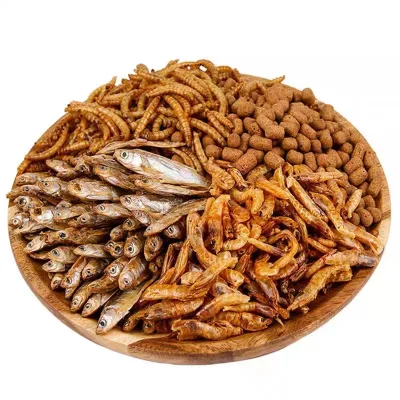
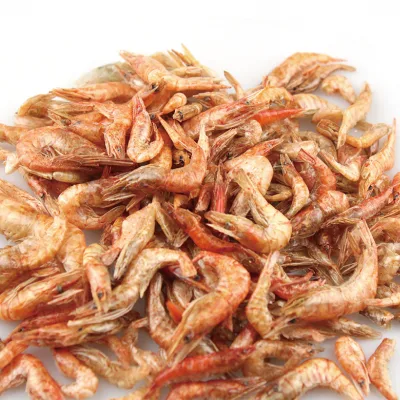
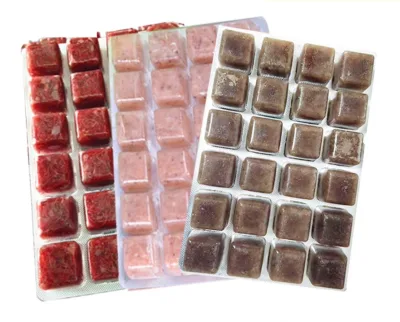
The current market for dried shrimp exhibits a wide range of product configurations, reflecting diverse end-use applications. Observed listings indicate that products are often marketed under specific brand names such as DAJIAWA or as custom-branded items, with origins primarily traced to regions like Shandong, China. The processing methods vary, with some products labeled as frozen while others are freeze-dried or naturally dried, impacting both shelf life and texture. Buyers should note that while some listings emphasize "Raw Natural" materials, others specify "100% Natural" compositions, suggesting a need to verify the exact processing state and ingredient purity during supplier engagement.
Packaging and unit specifications also show significant variation, which directly influences logistics and storage planning. Single package sizes range from compact dimensions like 6x6x15 cm to larger bulk containers measuring 45x33x30 cm, with corresponding gross weights varying from 0.040 kg to 15.000 kg. This disparity suggests that suppliers offer both retail-ready formats and industrial bulk options. Additionally, the observed price range spans from $0.39 to $50,000, indicating that costs are heavily dependent on order volume, packaging complexity, and specific quality grades. Buyers must clarify whether the quoted price includes packaging materials and whether the product is intended for direct consumer sale or further industrial processing.
Technical Specifications to Verify
Verifying the physical and nutritional specifications of dried shrimp is crucial for ensuring product consistency. Key attributes to confirm include the breed size classification, which may be categorized as small, medium, or large, and the applicable life stage for the end consumer, whether for all life stages or specific demographics. The main ingredient is typically shrimp, but buyers should verify if the product contains additives, preservatives, or flavor enhancers, especially if the claim is for "High-Protein Low Fat" or "Natural Functional Pet Food." The shelf life is another critical parameter, with observed values ranging from greater than 12 months to up to 3 years, depending on the packaging integrity and storage conditions.
Storage and handling requirements must be clearly defined to prevent spoilage and maintain quality. While some products are stored in frozen conditions, others may require dry, cool environments. The packaging method, whether in bags, cans, or bulk cartons, plays a vital role in preserving freshness and preventing contamination. Buyers should also inquire about the supply ability, which can range from small batches to 50,000 kilograms per month, to ensure that the supplier can meet peak demand periods. Additionally, the availability of customization services, such as OEM or ODM, allows for tailored product formulations that align with specific brand identities or nutritional profiles.
Compliance and Safety Documentation
Compliance with international food safety standards is non-negotiable for dried shrimp procurement. Buyers must verify that suppliers hold valid HACCP, FDA, and ISO certifications, which demonstrate adherence to rigorous hygiene and quality management practices. These certifications are essential for mitigating risks associated with microbial contamination, allergen cross-contact, and chemical residues. Additionally, certificates such as VHC, FORM A, and CO (Certificate of Origin) may be required for customs clearance and trade compliance, particularly when importing from specific regions like China. Buyers should request copies of these documents and verify their authenticity through the issuing bodies.
Beyond basic certifications, buyers should assess the supplier’s ability to provide detailed product specifications and test reports. This includes verifying the grade of the product, such as "Top Grade," and ensuring that it meets specific regulatory requirements for the target market. For products intended for pet consumption, compliance with standards like EU APPA may be relevant. Buyers should also inquire about the supplier’s quality control processes, including raw material sourcing, processing hygiene, and final product inspection. Establishing a clear chain of custody and traceability system is essential for addressing any potential quality issues or recalls efficiently.
Cost Drivers and Commercial Terms
Understanding the factors that influence pricing is essential for effective budget management. The cost of dried shrimp is driven by several variables, including the raw material quality, processing method, packaging complexity, and order volume. Observed MOQs range from 1 kg to 15,000 kg, allowing for flexibility in initial trial orders versus large-scale commitments. Buyers should negotiate terms that align with their cash flow and inventory management strategies, considering the impact of bulk discounts and long-term contracts. Payment terms, such as T/T (Telegraphic Transfer), are common, but buyers should explore options for secure payment methods to mitigate financial risk.
Logistics and shipping costs also play a significant role in the total landed cost. The port of dispatch, often Qingdao for Chinese suppliers, affects transit times and freight charges. Buyers should clarify whether the quoted price includes shipping, insurance, and customs duties, or if these are separate costs. Additionally, the supply ability of the supplier, which can reach 50,000 kilograms per month, should be considered when planning for seasonal demand fluctuations. Establishing clear communication regarding lead times and production schedules is crucial to avoid stockouts or excess inventory, ensuring a smooth and cost-effective procurement process.
Supplier Qualification and Quality Control
Selecting the right supplier requires a thorough evaluation of their operational capabilities and quality assurance systems. Buyers should assess the supplier’s production facilities, including their hygiene standards, equipment modernity, and workforce training. A supplier with a strong track record in OEM/ODM services may offer greater flexibility in product customization, but this should be balanced with their ability to maintain consistent quality across batches. Verifying the supplier’s experience in exporting to the target market can also provide insights into their understanding of local regulatory requirements and consumer preferences.
Quality control measures should be integrated into the procurement process from the outset. Buyers should establish clear quality benchmarks and inspection protocols, including pre-shipment inspections and third-party testing if necessary. Regular audits of the supplier’s facilities can help identify potential issues before they impact product quality. Additionally, maintaining open communication channels with the supplier is essential for addressing any concerns promptly. By building a collaborative relationship based on transparency and mutual trust, buyers can ensure a steady supply of high-quality dried shrimp that meets their operational and safety standards.
Long-Term Procurement Checks
Sustaining a successful sourcing relationship requires ongoing monitoring and periodic reassessment of supplier performance. Buyers should implement a system for tracking key performance indicators (KPIs) such as on-time delivery, product quality consistency, and responsiveness to issues. Regular reviews of these metrics can help identify trends and areas for improvement, allowing for proactive adjustments to the procurement strategy. Additionally, staying informed about changes in regulatory requirements and market trends is essential for maintaining compliance and competitiveness.
Building a diversified supplier base can mitigate risks associated with single-source dependency. Buyers should explore opportunities to engage with multiple suppliers, each offering unique strengths in terms of quality, price, or customization capabilities. This approach not only enhances supply chain resilience but also provides leverage in negotiations. Furthermore, investing in continuous improvement initiatives, such as joint quality improvement projects or technology upgrades, can strengthen the partnership and drive long-term value. By maintaining a strategic focus on supplier development and risk management, buyers can ensure a stable and efficient supply of Haccp-certified dried shrimp.
FAQs
What certifications do the dried shrimp products hold?
The products hold HACCP, FDA, and ISO certifications. Additional certificates like VHC, FORM A, and CO are available upon request. These ensure compliance with international safety and quality standards for export.
Can I customize the brand and packaging for this product?
Yes, customization is available for both brand and packaging. You can choose OEM or ODM services with options like bulk or carton packing. The single package size varies based on your specific requirements.
What is the minimum order quantity for dried shrimp?
The minimum order quantity is 10 kilograms. However, the observed range allows for orders starting from 1 unit up to 15000 units depending on the supplier. This flexibility supports various business scales.
How long is the shelf life of the freeze-dried pet food?
The shelf life is greater than 12 months, with some products lasting up to 3 years. Storage must be maintained in frozen conditions to preserve quality. This ensures long-term viability for pet food applications.
Which suppliers offer high-protein shrimp for small and large breeds?
Suppliers offer high-protein shrimp suitable for small, medium, and large breeds. The material is 100% natural raw shrimp. This product serves as a functional pet food for digestive health across all life stages.
What is the supply capacity for monthly orders?
The supply ability is 50,000 kilograms per month. This capacity supports consistent bulk orders for international trade. Buyers can rely on steady availability from factories located in Shandong, China.
Where are the dried shrimp products manufactured and shipped from?
Products originate from Shandong, China, and are dispatched from the Qingdao port. The location ensures efficient logistics for global distribution. Buyers can expect reliable shipping routes from this major Chinese export hub.