Source Handmade Mouth Blown Champagne Goblet for Bars
Find 30 options for the handmade mouth blown champagne goblet, featuring crystal and glass materials in rectangular and irregular shapes. Compare specifications like 350-650ml capacities, LFGB certifications, and customization services for party and wine service needs; compare the available evidence and request quotations based on your requirements.
Key considerations
Products List


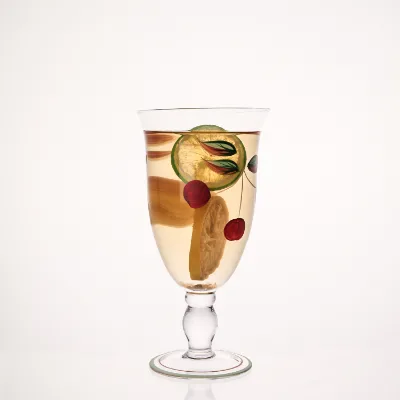


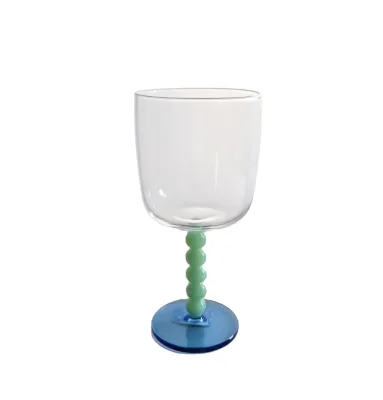
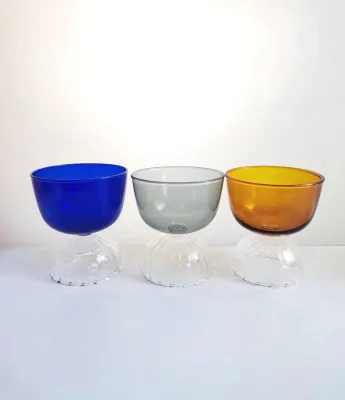
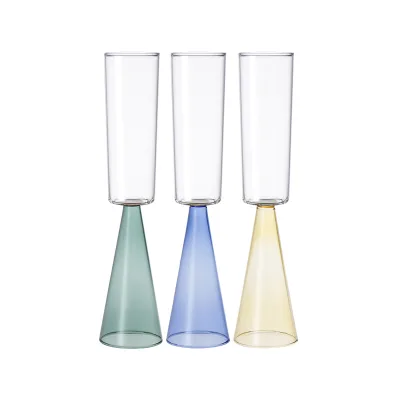
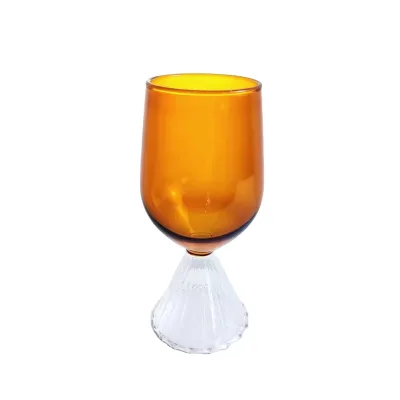





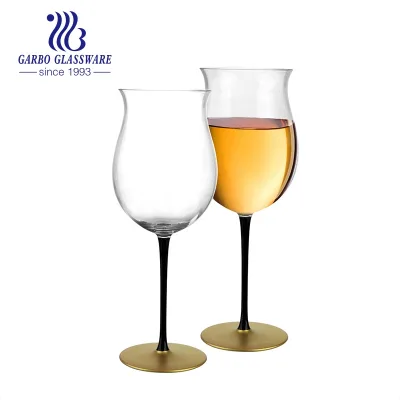
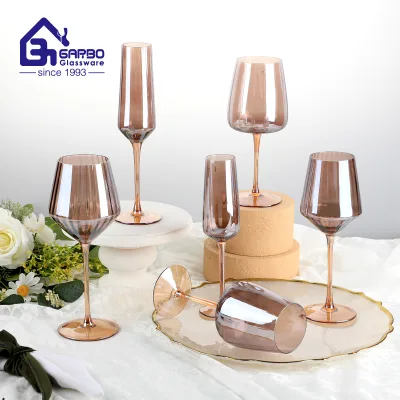

Comprehensive Sourcing Guide
Handmade Mouth Blown Champagne Goblet Sourcing Guide
Procuring handmade mouth-blown champagne goblets requires distinguishing between mass-produced glassware and artisanal pieces, as the supply chain for true hand-blown items differs significantly from standard factory output. While the observed market data indicates a prevalence of machine-made crystal and glass goblets with models like HM-WG08 and HM-GB42, buyers must explicitly verify if a supplier possesses the specific artisanal capability for mouth-blown techniques. The listed products often feature standardized capacities ranging from 350ml to 650ml, yet true hand-blown pieces may exhibit slight irregularities in shape and weight that are characteristic of the craft rather than defects.
Buyers should scrutinize product descriptions for terms like "Irregular Shape" or "Special Shape and Size Need to Open The Moulds," which often signal custom tooling rather than the organic variations of hand-blowing. Although many listings advertise "Crystal" or "Glass" materials with certifications like LFGB and FDA, these attributes apply to the broader category of drinking glasses and do not automatically confirm a mouth-blown manufacturing process. It is essential to request visual evidence of the blowing process or specific artisanal certifications to ensure the product matches the premium expectations associated with handmade terminology.
Product Scope and Observed Listing Signals
The current market landscape for champagne goblets is dominated by standardized models such as HM-GB32 and HM-GB38, which typically offer capacities between 350ml and 550ml in clear or transparently colored glass. These listings frequently highlight customization options for logos and colors, alongside modern or simple styling, but they generally reflect machine-pressed or molded production methods rather than the unique variations of hand-blown glass. Buyers observing these signals should understand that while customization is available, the underlying production technology often prioritizes volume and consistency over the organic imperfections found in artisanal pieces.
When evaluating product scope, attention must be paid to the distinction between "Crystal" and standard "Glass" materials, as the former often commands a higher price point and may be associated with lead-free formulations. The observed data shows a wide range of minimum order quantities, from 10 pieces to 3000, suggesting that suppliers cater to both small boutique orders and large commercial contracts. However, the presence of "Single Wall" types and "Bar Sets" in the listings indicates a broad inventory that includes functional barware alongside decorative items, requiring buyers to filter specifically for the mouth-blown attribute to avoid purchasing standard molded glassware.
Technical Specifications to Verify
Verifying technical specifications is critical when sourcing champagne goblets, particularly regarding capacity and material composition, as the observed data lists standards ranging from 350ml to 650ml. Buyers must confirm whether the listed capacity aligns with the intended use, such as the 400-600ml range noted for certain models, and ensure that the "Crystal" designation refers to lead-free crystal suitable for food contact. The presence of "Screen Printing" as a technical method suggests that decorative elements are applied post-production, which can affect the durability of the finish and the overall aesthetic integrity of the hand-blown piece.
Shape and structural integrity are other vital parameters, as the data mentions both "Rectangular" and "Irregular Shape" options, which may indicate different manufacturing origins or design philosophies. For mouth-blown goblets, the wall thickness and the consistency of the stem are key indicators of quality, as these factors influence the drinking experience and the glass's resistance to thermal shock. Buyers should request detailed dimension sheets that specify the height, diameter, and weight of the goblet to ensure they meet the precise requirements of their event or retail offering, especially since the "Special Shape" note implies that custom molds may be necessary for unique designs.
Compliance and Safety Documentation
Compliance and safety documentation form the backbone of a responsible procurement strategy, with the observed listings frequently citing certifications such as LFGB, CE, EU, and FDA. These certifications are essential for ensuring that the glassware meets international safety standards for food contact, particularly for products intended for use in the European Union or North America. While the data confirms the availability of these certifications, buyers must verify that the specific batch of mouth-blown goblets being ordered carries the valid documentation, as certifications can sometimes be applied to the factory rather than individual product lines.
In addition to material safety, buyers should ensure that the packaging and shipping methods comply with relevant trade terms like EXW, FOB, or CIF, which dictate the responsibility for logistics and insurance. The observed "Carton Box/Pallet" packing suggests standard industrial packaging, but for delicate hand-blown items, additional protective measures may be required to prevent breakage during transit. It is also prudent to check for any specific environmental certifications, such as ROHS, which, while listed as low-confidence background, may be relevant for buyers seeking sustainable or eco-friendly sourcing options in the glassware sector.
Cost Drivers and Commercial Terms
Cost drivers for champagne goblets are heavily influenced by the manufacturing method, with hand-blown pieces typically commanding a premium over machine-made alternatives due to the labor-intensive process. The observed price range of 0.2 to 4.5 USD likely reflects the lower end of the market for standard glassware, whereas true artisanal mouth-blown goblets would likely exceed this range. Buyers must account for the cost of custom molds, which are noted as necessary for special shapes and sizes, as this can significantly impact the unit price and the overall budget for the procurement project.
Commercial terms such as MOQ and trade conditions play a pivotal role in the final cost structure, with observed minimum order quantities ranging from 10 to 3000 pieces. High-volume orders may benefit from economies of scale, but the requirement for custom molds can create a high initial barrier to entry for smaller buyers. Additionally, the choice of trade terms like EXW or CIF affects the total landed cost, as buyers must factor in shipping, insurance, and customs duties. Understanding these variables is essential for negotiating favorable terms and ensuring that the total cost of ownership aligns with the project's financial constraints.
Supplier Qualification and Quality Control
Supplier qualification is paramount when sourcing specialized glassware, as the ability to produce consistent, high-quality mouth-blown goblets requires specific expertise and equipment. Buyers should verify the supplier's production history, looking for evidence of previous successful projects involving custom shapes or artisanal techniques, as the data indicates that "Special Shape and Size Need to Open The Moulds" is a common requirement. This verification process helps ensure that the supplier has the necessary infrastructure to handle the complexities of hand-blown production without compromising on quality or delivery timelines.
Quality control measures must be rigorous, given the inherent variability in hand-blown glass, which can lead to slight differences in weight, shape, and clarity. Buyers should establish clear acceptance criteria for defects, such as bubbles, uneven stems, or surface imperfections, and request pre-shipment inspections to verify that the products meet these standards. The availability of "Customized Packaging" and "OEM Service" suggests that suppliers are flexible, but buyers must ensure that these services do not come at the expense of product integrity. Regular communication and clear quality agreements are essential to maintain consistency across large orders.
Long-Term Procurement Checks
Long-term procurement checks involve establishing a framework for ongoing quality assurance and supplier performance monitoring to ensure sustained success in the relationship. Buyers should implement periodic audits of the supplier's production processes to verify that they continue to meet the agreed-upon standards for material quality, safety certifications, and manufacturing techniques. This proactive approach helps identify potential issues early, such as changes in raw material sources or shifts in production capacity, which could impact the quality of the mouth-blown goblets.
Additionally, maintaining a robust feedback loop with the supplier is crucial for continuous improvement and adaptation to market changes. Buyers should regularly review performance metrics, including on-time delivery rates, defect rates, and responsiveness to custom requests, to ensure that the supplier remains aligned with the buyer's evolving needs. By fostering a collaborative relationship based on transparency and mutual trust, buyers can secure a reliable supply chain for their champagne goblet requirements, ensuring that the product quality and service levels remain consistent over time.
FAQs
What certifications do the champagne goblets hold?
The products hold LFGB certification, ensuring safety for food contact. Some listings also reference CE and FDA standards. These certifications verify that the crystal and glass materials meet international safety requirements for drinking vessels used in parties and wine service.
Can I customize the logo and color of the goblets?
Yes, customized logos and colors are acceptable for these items. Buyers can request specific colors or transparent clear finishes. Customized packaging is also available, allowing brands to tailor the presentation for parties or corporate events while maintaining the modern style of the goblets.
What are the standard capacity options for these glasses?
Standard capacities range from 350ml to 650ml depending on the model. Specific options include 350ml, 400-600ml, and 10 oz sizes. The 401-500ml range is also available, providing flexibility for different serving needs while maintaining the rectangular or irregular shapes observed in the product listings.
What is the minimum order quantity for these goblets?
The minimum order quantity varies between 10 and 3000 pieces based on the specific supplier and model. Some listings specify an MOQ of 300 pieces for single items. Buyers should verify the exact threshold for their chosen model, as it impacts the total cost and shipping arrangements.
Where are these champagne goblets manufactured and shipped from?
These goblets originate from China, specifically Guangdong. They are typically shipped by ocean freight in cartons containing 48 pieces per box. The trade terms include EXW, FOB, and CIF, allowing buyers to choose their preferred shipping method and logistics responsibility for the glassware.
Which models are available for the rectangular champagne goblets?
Available models include HM-WG08, HM-GB42, HM-GB32, HM-GB38, HM-GB37, and HM-GB35. Each model corresponds to specific capacity standards like 350ml or 550ml. These rectangular designs are part of the bar sets and drinking glasses category, offering a modern style for various wine and party occasions.
Is OEM service available for custom mold designs?
Yes, OEM service is available for special shapes and sizes requiring new molds. Buyers can request unique dimensions beyond the standard 350-650ml range. This customization allows for distinct product differentiation while utilizing the existing crystal and glass materials and screen printing techniques for branding.