Source Handmade Mouth Blown Wine Decanter for Bars, Hotels, and Restaurants
Explore 30 options for a handmade mouth blown wine decanter designed for bar, hotel, and restaurant use. Compare features like horn-shaped designs, glass materials, and customization services to find the right fit for your business needs; compare the available evidence and request quotations based on your requirements.
Key considerations
Products List


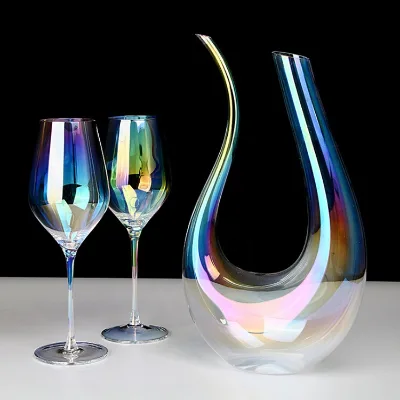

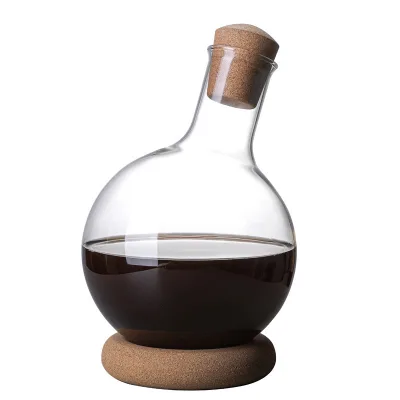


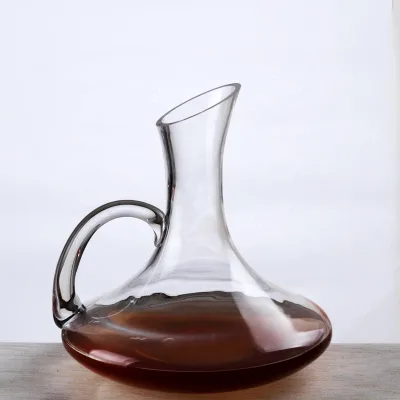
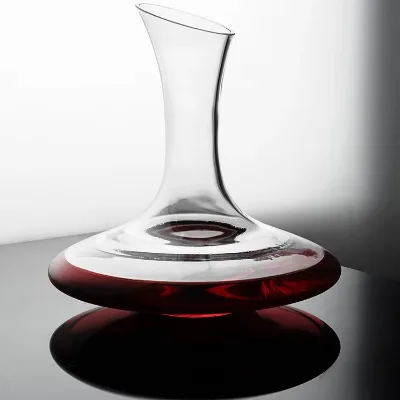
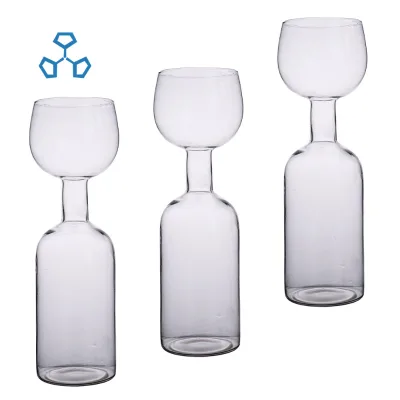
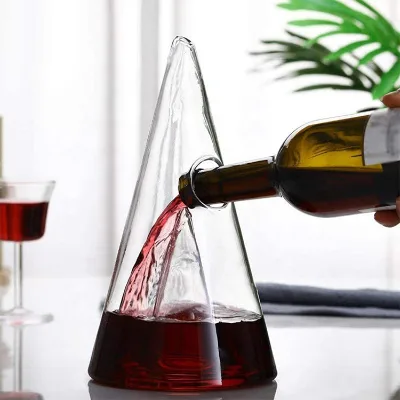


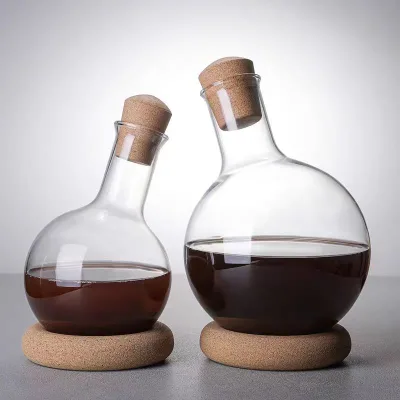

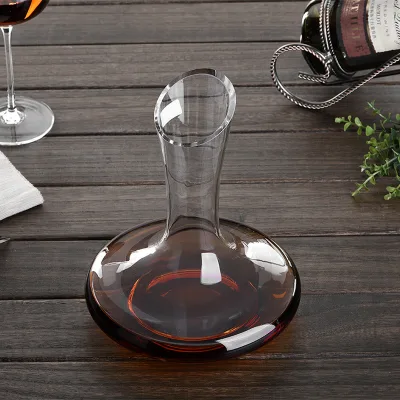


Comprehensive Sourcing Guide
Handmade Mouth Blown Wine Decanter Sourcing Guide
Buyers evaluating handmade mouth blown wine decanters must first distinguish between standard glassware and artisanal pieces defined by specific shaping techniques. The observed market data indicates a strong presence of horn-shaped designs with long necks intended for easy handling, often marketed under names like the Wine Oxygenation System. These items are frequently crafted from clear glass, utilizing classic design styles that appeal to both commercial hospitality venues and private collectors. Understanding that customization is available allows procurement teams to align the product with specific branding needs while maintaining the integrity of the hand-blown aesthetic.
The sourcing landscape reveals significant variation in minimum order quantities, ranging from small batches of 60 pieces to large industrial orders exceeding 12,000 units. This disparity suggests that buyers should carefully assess their volume requirements before engaging with suppliers, as some vendors may only accommodate bulk purchases while others offer lower entry thresholds. Additionally, the availability of free samples is a critical signal for verifying the quality of the hand-blown process. Buyers should leverage these sample opportunities to inspect the clarity, weight, and structural integrity of the glass before committing to larger commercial orders.
Product Scope and Observed Listing Signals
The product scope for handmade mouth blown wine decanters encompasses a variety of functional and aesthetic attributes, including specific models like XZJ0123 and WD-013. Listings frequently highlight features such as anti-corrosion properties and eco-friendly manufacturing, alongside practical details like single-piece packaging or bulk carton configurations. The observed color options range from clear unicolor to multicolor variations, allowing buyers to select pieces that match specific interior design themes or brand identities. It is essential to verify that the "hand-blown" claim corresponds to the actual production method, as some listings may mix machine-made and artisanal descriptions.
Commercial signals in the market indicate that these decanters are primarily designed for application in bars, hotels, and restaurants, though they are also suitable for home use. The packaging standards vary significantly, with some suppliers offering foam and color box combinations while others utilize simple carton boxes or wooden crates for heavy-duty shipping. Buyers must pay close attention to the listed gross weight and carton dimensions, as these factors directly impact logistics costs and storage requirements. The presence of customized logo options, including laser, spray, and painted techniques, further expands the scope for corporate gifting and promotional campaigns.
Technical Specifications to Verify
When verifying technical specifications, buyers should prioritize the material composition and structural dimensions of the decanters. The supplied data confirms the use of glass, with some specific references to high borosilicate glass, which offers superior thermal resistance and durability compared to standard soda-lime glass. The capacity of these vessels typically falls within the 250-500 ml range, a standard size for individual or small group servings. It is crucial to confirm the exact capacity and wall thickness, as these attributes influence the oxygenation efficiency and the overall weight of the finished product during transport.
Dimensional consistency is another critical technical factor, particularly regarding the standard packing configurations such as 8 pieces per carton or 12 pieces per carton. Buyers must verify the external dimensions of the shipping cartons, which can range from approximately 46x46x59 cm to 70x51x32 cm depending on the model and packaging density. The weight per carton is also a vital specification, with observed values ranging from 7 kg to 17 kg, which affects freight classification and handling requirements. Ensuring that the physical specifications match the supplier's documentation prevents unexpected shipping costs and potential damage during transit.
Compliance and Safety Documentation
Compliance and safety documentation are paramount when sourcing glassware intended for food and beverage contact, as these products must meet rigorous international standards. The observed listings frequently cite certifications such as FDA, LFGB, CE / EU, and CIQ, which indicate that the glass has passed specific migration and safety tests for food contact materials. Buyers should request valid, up-to-date certificates for each batch to ensure that the supplier maintains consistent quality control and adheres to the regulatory requirements of the destination market. Relying on general claims without verified documentation poses a significant risk of non-compliance and potential product recalls.
In addition to material safety, buyers must verify that the manufacturing process adheres to relevant environmental and labor standards. While some background information mentions BSCI, this should not be assumed as a guaranteed certification without explicit proof from the supplier. The presence of eco-friendly features in the product description suggests a commitment to sustainable practices, but this must be substantiated through third-party audits or specific environmental management system certifications. Ensuring that the supplier can provide comprehensive safety data sheets and compliance certificates is essential for maintaining brand reputation and meeting legal obligations in the hospitality and retail sectors.
Cost Drivers and Commercial Terms
Cost drivers for handmade mouth blown wine decanters are heavily influenced by the level of customization and the complexity of the production process. The availability of customized logos and specific design styles adds value but also increases the unit price and production time. Buyers should anticipate that orders requiring laser, spray, or painted logos will incur higher costs compared to standard unbranded units. Additionally, the choice of packaging, such as upgrading from a simple carton box to a wooden box or foam-lined color box, will significantly impact the final landed cost and must be factored into the budget.
Commercial terms regarding minimum order quantities and sample policies vary widely across the supplier base, with MOQs ranging from 60 to 240 pieces for standard models. Some suppliers offer free samples with a lead time of 3-7 days, which is a valuable tool for quality assessment before placing a bulk order. However, buyers must be aware that larger orders may require different payment terms or lead times, and the observed price range of 0.2 to 73.47 USD suggests a wide spectrum of quality and pricing tiers. Negotiating clear terms for shipping methods, including sea, air, or train transport, is essential to manage overall procurement costs effectively.
Supplier Qualification and Quality Control
Supplier qualification for handmade mouth blown wine decanters requires a thorough assessment of their manufacturing capabilities and quality control systems. Buyers should verify that the supplier has a proven track record in producing glassware with specific attributes like long necks and horn shapes, as these require skilled craftsmanship. The ability to provide ODM and OEM services indicates a level of flexibility and technical competence that is crucial for custom projects. It is advisable to request a factory audit or video tour to confirm that the production environment supports the claimed hand-blown techniques and maintains high standards of hygiene and safety.
Quality control measures must be rigorous, given the fragile nature of glass products and the potential for defects in hand-blown items. Buyers should establish clear acceptance criteria for visual defects, such as bubbles, uneven thickness, or imperfect seals, which are common in artisanal glassware. The supplier's ability to provide detailed inspection reports and adhere to specific packing standards, such as 8 pieces per carton with defined dimensions, is a strong indicator of their reliability. Implementing a pre-shipment inspection protocol ensures that the final product meets the required specifications and minimizes the risk of receiving damaged or substandard goods.
Long-Term Procurement Checks
Long-term procurement checks for handmade mouth blown wine decanters focus on maintaining consistent quality and supply chain stability over time. Buyers should establish a schedule for periodic re-verification of supplier certifications and product samples to ensure that the manufacturing process has not drifted from the agreed-upon standards. Regular communication with the supplier regarding any changes in materials, such as the switch to high borosilicate glass, is necessary to maintain product integrity. Building a strong relationship with the supplier allows for better collaboration on design improvements and cost optimization strategies.
Sustainability and ethical sourcing are increasingly important factors in long-term procurement strategies. Buyers should monitor the supplier's adherence to environmental standards and labor practices, ensuring that the eco-friendly claims made in the product description are upheld throughout the production lifecycle. Tracking the performance of the decanters in real-world applications, such as in bars and hotels, provides valuable feedback on durability and customer satisfaction. By maintaining a proactive approach to supplier management and quality assurance, buyers can secure a reliable supply of high-quality wine decanters that meet both current and future market demands.
FAQs
Can I get a free sample of the handmade mouth blown wine decanter?
Yes, free samples are provided for the handmade mouth blown wine decanter. This applies to models like XZJ0123 and WD-013. The sample time typically ranges from 3 to 7 days. You can request this before placing a bulk order to verify quality and design features.
What certifications do the handmade mouth blown wine decanters have?
The handmade mouth blown wine decanters hold FDA, LFGB, CE EU, and CIQ certifications. These ensure safety for food contact and compliance with international standards. Some models also meet EEC requirements. Always verify specific certification documents for your target market before purchasing.
Which customization options are available for the handmade mouth blown wine decanter?
Customization is available for logos using laser, spray, decal, or painted methods. You can also request ODM or OEM services for unique designs. The product features a classic design style with a horn shape. Customized logos are acceptable for bulk orders starting at specific MOQs.
How is the handmade mouth blown wine decanter packaged for shipping?
Packaging options include carton boxes, wooden boxes, or foam with color boxes. Standard packing often holds 8 to 12 pieces per carton. Dimensions vary by model, such as 69x40x50cm or 70x51x32cm. Shipping methods include sea, air, or train depending on your logistics needs.
What is the minimum order quantity for the handmade mouth blown wine decanter?
Minimum order quantities vary by model, ranging from 60 to 240 pieces. Some listings show an MOQ of 80 or 100 pieces. Specific requirements depend on the product model and customization level. Contact suppliers directly to confirm the exact MOQ for your selected item.
Where are the handmade mouth blown wine decanters manufactured?
These decanters are manufactured in Hubei, China, or other regions within China. The origin is clearly stated as China for most models. This location supports efficient production of high borosilicate glass items. Buyers should consider shipping times and logistics from these Chinese manufacturing hubs.
Can the handmade mouth blown wine decanter be used in restaurants?
Yes, the handmade mouth blown wine decanter is suitable for bars, hotels, and restaurants. It is designed for application in commercial settings like dining establishments. The glass material ensures durability for frequent use. Its classic design style complements various hospitality environments effectively.