Source Hard Chrome Hydraulic Pulper Rotor for Paper Making, Waste Processing, and Pulp Screening
Explore 30 listings for the Hard Chrome Hydraulic Pulper Rotor, featuring stainless steel and carbon steel options with customizable hole sizes and polishing treatments. Buyers can compare specifications for pulp screening, waste paper pulping, and packing paper machine applications from verified Chinese manufacturers.
Key considerations
Products List


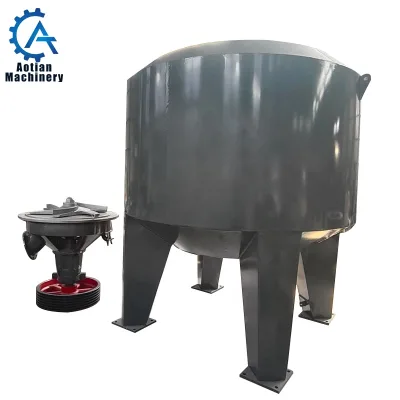


Stainless Steel Hydrapulper Impeller Pulper Rotor for Paper Pulp Industry
$100.00 - $1000.00
MOQ: 1 Pieces

Stainless Steel Pulper Impeller Hydrapulper Rotor for Paper Pulp Making Machine
$100.00 - $1000.00
MOQ: 1 Pieces

Carbon Steel Pulper Rotor Hydrapuler Impeller for Cardboard Paper Machines
$100.00 - $1000.00
MOQ: 1 Pieces


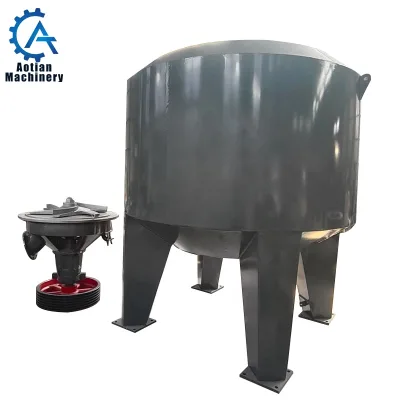
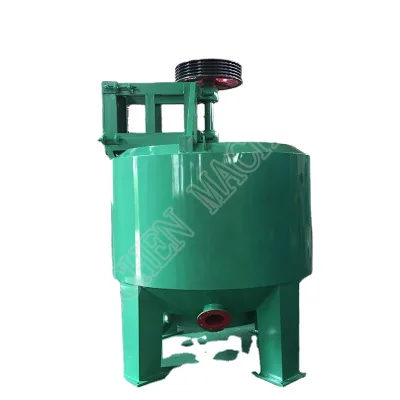
Paper and Pulping Machine Medium (High) Consistency Hydraulic Pulper
$10500.00 - $80000.00
MOQ: 1 Pieces


Comprehensive Sourcing Guide
Strategic Sourcing Guide for Hard Chrome Hydraulic Pulper Rotors
Understanding the Technical Architecture and Material Specifications
When sourcing a Hard Chrome Hydraulic Pulper Rotor, the primary objective is to identify components that can withstand the abrasive and corrosive environment of pulp processing systems. The core of this equipment lies in its material composition and surface engineering. Based on available market data, these rotors are predominantly manufactured from stainless steel grades, specifically SS304 and SS316, or carbon steel variants. The choice between stainless steel and carbon steel often depends on the specific consistency of the pulp being processed and the required corrosion resistance. Stainless steel is frequently selected for applications demanding higher hygiene and resistance to acidic environments, while carbon steel may be utilized for cost-sensitive applications where the hard chrome plating provides the necessary surface protection.
The surface treatment process is a critical differentiator for these components. The standard specification for these rotors involves a rigorous hard chrome plating process, often accompanied by additional treatments such as polishing, sandblasting, or quenching. The "hard chrome" designation refers to a specific electroplating technique that deposits a thick, dense layer of chromium to enhance wear resistance. This is essential because the rotor operates within a hydrapulper, a machine designed to shred waste paper and mix it into a slurry. The mechanical action creates significant friction, and the chrome layer must resist abrasion to maintain the rotor's geometric integrity over time.
Dimensional specifications vary significantly based on the application scale. The diameter of these rotors typically ranges from 300mm to 1700mm, accommodating everything from small pilot-scale pulpers to large industrial production lines. The thickness of the rotor body is generally specified between 25mm and 40mm, providing the structural rigidity needed to handle high torque loads. The shape is consistently round, designed to fit within the cylindrical housing of the pulper. Hole sizes are often customized to match the specific shaft connections of the pulper system, ensuring a secure fit and optimal power transmission. The condition of the product is universally listed as "New," indicating that these are fresh manufacturing units rather than refurbished components.
Compliance, Certification, and Quality Assurance Standards
In the industrial procurement of heavy machinery parts, verifying compliance with international standards is non-negotiable. Buyers must ensure that the supplier can provide documentation confirming adherence to quality management systems. The most frequently observed certification in the current market for these components is ISO 9001, which validates the manufacturer's ability to consistently produce products meeting customer and regulatory requirements. Additionally, specific regional certifications such as CCC (China Compulsory Certification) and CE (Conformité Européenne) are often cited, indicating that the manufacturing process and the final product meet safety and environmental standards required for operation in specific markets.
Beyond general quality management, the specific manufacturing process must be scrutinized. The production of these rotors typically involves casting as a primary method, followed by precision machining and the application of the hard chrome layer. Buyers should request evidence of the "manufacturing process" details, including the specific parameters used for the chrome plating. While some suppliers mention "ISO 9227" in broader corrosion testing contexts, this should be treated as a reference standard for salt spray testing rather than a guaranteed attribute of every listed product. The buyer must verify if the specific lot of rotors has undergone such testing and request the actual test reports.
The "machinery test report" is another critical document to request. This report provides empirical data on the performance of the rotor before it leaves the factory. It should include details on the rotating speed of the impeller, which is often observed in the range of 220 r/min for certain models, though this varies by design. The warranty period is a tangible indicator of the manufacturer's confidence in their product; a standard warranty of one year is common, with after-warranty services typically including online support and video technical assistance. These support mechanisms are vital for troubleshooting installation issues or operational anomalies that may arise after the initial warranty period expires.
Cost Drivers and Pricing Variables in the Market
The pricing structure for hard chrome hydraulic pulper rotors is highly variable, reflecting the diversity in specifications, materials, and customization levels. The observed price range in the market spans from approximately $1 to $80,000 USD. This vast disparity is not indicative of quality differences alone but rather the scale and complexity of the unit. A small, standard-sized rotor for a pilot pulper will naturally fall at the lower end of this spectrum, while a massive, custom-engineered rotor with a diameter approaching 1700mm and specialized chrome thickness will command prices at the higher end.
Material costs are a primary driver of the final price. Stainless steel grades like SS316 are significantly more expensive than carbon steel, and the volume of material required increases with the diameter and thickness of the rotor. Furthermore, the hard chrome plating process is energy-intensive and requires skilled labor. The thickness of the chrome layer, which is not always explicitly stated in general listings but is implied by the "hard chrome" designation, directly impacts the cost. A thicker layer requires more plating time and material, increasing the unit price but extending the service life.
Customization is another major factor influencing cost. While many suppliers offer standard models, the ability to customize the hole size, diameter, and specific surface treatments adds to the engineering and production time. The "Make to order" nature of many of these products means that buyers are often paying for a bespoke solution rather than a stock item. This customization capability is a key advantage for buyers with unique pulper systems that do not accept off-the-shelf components. However, it also introduces variability in lead times and minimum order quantities (MOQ). The observed MOQ range is typically low, from 1 to 5 units, making these parts accessible for both individual replacements and small batch orders.
Typical Applications and Operational Context
Hard chrome hydraulic pulper rotors are specialized components designed for the paper and pulp industry, specifically within the pulp making system. Their primary function is to facilitate the shredding and mixing of waste paper into a usable pulp slurry. These rotors are integral to the hydrapulper, a machine that can operate at middle, low, or high consistency levels. The versatility of the rotor allows it to be used in various stages of the paper production line, from the initial pulping of waste paper to the preparation of stock for paper machines.
The application extends beyond simple shredding. The rotor's design, often featuring a specific shape and surface texture, aids in the hydraulic action of the pulper. This action helps to break down fibers and remove contaminants, ensuring a high-quality pulp output. The "High Wear Resistance" and "Long Service Time" are critical advantages in this context, as downtime in a paper mill can be extremely costly. The rotor must maintain its shape and surface integrity over thousands of hours of operation to prevent inefficiencies in the pulping process.
In terms of usage, these rotors are compatible with a wide range of paper machinery. They are specifically noted for their application in packing paper machines and general pulp making systems. The "Product Type" is often categorized as "Waste Paper Pulp," highlighting the sustainability aspect of their use. The ability to handle different types of waste paper, from recycled office paper to industrial cardboard, makes these rotors a versatile asset for recycling facilities and paper mills. The "Keyword" associated with these parts often includes "Paper machinery parts pulper rotor," underscoring their specific role in the broader ecosystem of paper manufacturing equipment.
Supplier Evaluation and Geographic Considerations
When evaluating potential suppliers for hard chrome hydraulic pulper rotors, geographic origin is a significant factor. The majority of the observed products originate from China, with specific manufacturing hubs identified in regions like Henan. This concentration of suppliers suggests a mature supply chain with established expertise in producing paper machinery parts. However, buyers must look beyond the country of origin and focus on the specific capabilities of the manufacturer.
Key evaluation criteria include the supplier's ability to provide "Make to order" services and their track record with customization. The "Customization" attribute is listed as available, but the depth of this capability varies. Some suppliers may only offer minor adjustments, while others can engineer completely new rotor geometries. Buyers should verify the supplier's "What we can provide" statements, which often include the ability to supply the entire pulp and paper making production line, indicating a higher level of integration and expertise.
Packaging and logistics are also critical aspects of supplier evaluation. The observed packaging methods include "Wooden Case" and "Standard Seaworthy Package," with some suppliers specifying "Export Standard" packaging. The single package size can be substantial, with dimensions reaching 200x200x200 cm, and the gross weight can be as high as 300 kg. These factors necessitate careful planning for shipping and handling. A reputable supplier will provide detailed packing lists and ensure that the rotors are protected against damage during transit, which is crucial given the precision required for these components.
Quality Control Protocols and Long-Term Procurement Strategy
Ensuring the quality of hard chrome hydraulic pulper rotors requires a robust quality control (QC) strategy. Buyers should insist on a comprehensive QC process that includes material verification, dimensional inspection, and surface treatment analysis. The "Condition" of the product is listed as "New," but this must be verified through physical inspection upon delivery. The "Service Life" is a key performance indicator, with suppliers claiming "Long Time" durability. To validate these claims, buyers should review the "machinery test report" and request data on the hardness of the chrome layer and the adhesion strength.
Long-term procurement considerations involve building a relationship with suppliers who offer reliable after-sales support. The "After Warranty Service" typically includes online support and video technical assistance, which are invaluable for troubleshooting. A "1 Year" warranty is standard, but buyers should negotiate terms that extend beyond this period, especially for critical components that are difficult to replace. The "Advantage" of "High Wear Resistance" should be backed by a clear maintenance schedule and replacement policy.
To mitigate risks, buyers should establish a clear specification sheet that details the required diameter, thickness, material grade, and chrome thickness. This document serves as the basis for all future orders and ensures consistency in the supply chain. Regular audits of the supplier's manufacturing process and quality control records can help maintain high standards. By focusing on these strategic elements, buyers can secure a reliable supply of high-performance hard chrome hydraulic pulper rotors that support the efficient operation of their pulp and paper production lines.
Comparative Analysis of Rotor Specifications
| Feature | Standard Specification | Custom/High-End Specification |
|---|---|---|
| Material | Carbon Steel / SS304 | SS316 / High-Grade Stainless |
| Diameter Range | 300mm - 1000mm | 1000mm - 1700mm |
| Thickness | 25mm - 30mm | 35mm - 40mm |
| Surface Treatment | Polished / Chrome Plated | Quenched / Sandblasted / Chrome |
| Certification | ISO 9001 | ISO 9001, CE, CCC |
| Warranty | 1 Year | 1 Year + Extended Options |
| Packaging | Standard Seaworthy | Wooden Case / Export Standard |
| Origin | China (General) | Henan, China (Specific) |
This table highlights the variability in specifications that buyers must navigate. While standard rotors meet the needs of many general applications, high-end specifications are necessary for demanding industrial environments. The choice between these options depends on the specific operational requirements of the pulper system and the desired lifespan of the component. By carefully comparing these attributes, buyers can make informed decisions that balance cost, performance, and reliability.
FAQs
What materials are used for hard chrome hydraulic pulper rotors?
These rotors are primarily manufactured from stainless steel grades like SS304 and SS316, or carbon steel. The material choice depends on the required corrosion resistance and the specific consistency of the pulp being processed in the system.
How is the surface treated to ensure durability?
The surface undergoes hard chrome plating to provide high wear resistance against abrasive pulp. Additional treatments such as polishing, sandblasting, or quenching are often applied to enhance the rotor's geometric integrity and service life.
Which certifications do suppliers typically provide for these parts?
Suppliers commonly provide ISO 9001 certification to validate consistent manufacturing quality. Many also offer CCC and CE certifications, indicating compliance with safety and environmental standards required for operation in various international markets.
Can the rotor dimensions be customized for specific pulpers?
Yes, customization is available for hole sizes, diameters ranging from 300 to 1700mm, and thicknesses between 25 and 40mm. Buyers can request make-to-order solutions to match unique shaft connections and pulper housing requirements.
What is the typical warranty period for these rotors?
A standard warranty of one year is commonly provided for these hydraulic pulper rotors. After the warranty expires, suppliers typically offer online support and video technical assistance to help troubleshoot any operational issues.
How are these rotors packaged for international shipping?
Products are packed in wooden cases or standard seaworthy export packages to ensure safety during transit. The single package size can reach 200x200x200 cm with a gross weight of up to 300 kg depending on the model.