Source HDPE Geocell for Earthwork, Roadways, and Slopes
Compare 30 HDPE Geocell for Earthwork options from verified Chinese manufacturers. Evaluate specifications like thickness, color, and application suitability for highway, railway, and slope stabilization projects.
Key considerations
Products List
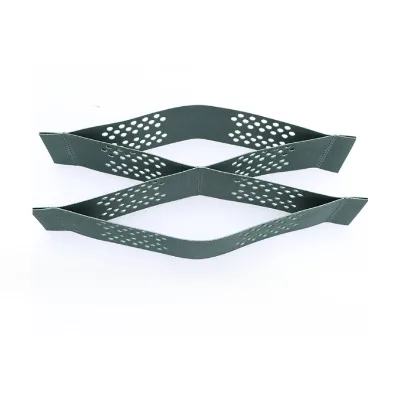
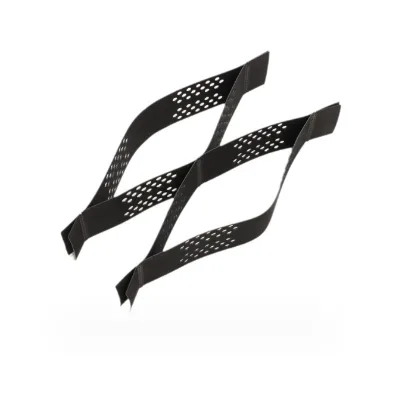
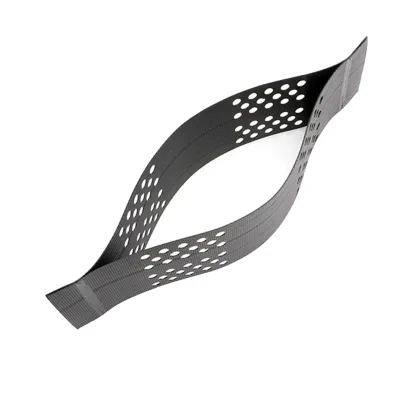
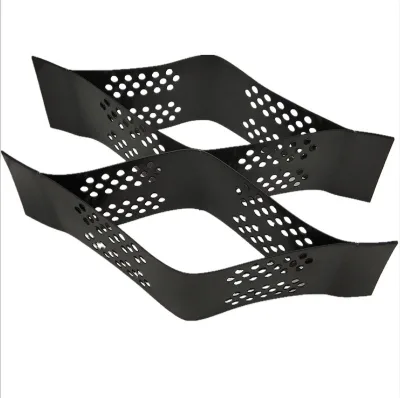


HDPE Geocell Plastic Geocell System Geocell Geosynthetic Products for Earthwork
$0.34 - $2.99
MOQ: 1000 Square Meters

Earthwork Products Erosion Control Construction and Slope Protection HDPE Cellular Geocell
$0.41 - $3.08
MOQ: 2000 Square Meters

HDPE Geocell for Road Construction Slope Protection Gravel Grid Geocell
$0.31 - $0.61
MOQ: 1000 Square Meters


HDPE Plastic Geocell Factory Price Gravel Grid Geo Cell for Road Construction
$0.41 - $3.08
MOQ: 2000 Square Meters
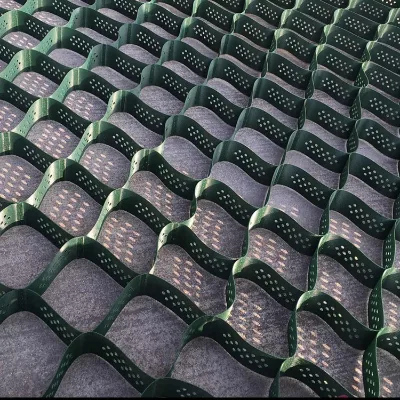

Earthwork HDPE Geocell Slope Protection/Geocell Soil Stabilization
$1.08 - $1.25
MOQ: 2000 Square Meters

Anti-Weathering Plastic HDPE Geocell for Slope Protection and Foundation Construction
$1.50 - $2.00
MOQ: 1000 Square Meters


HDPE Geocell Price Used in Road Construction for Slope Protection
$2.50 - $3.50
MOQ: 1000 Square Meters


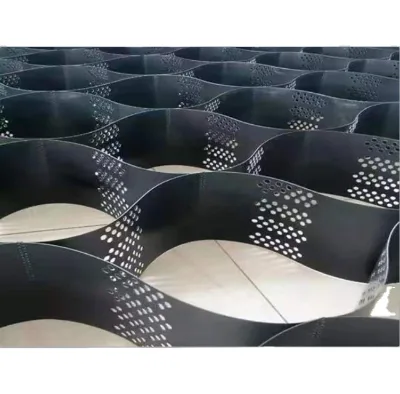
Comprehensive Sourcing Guide
Strategic Sourcing Guide for HDPE Geocell in Earthwork Applications
Understanding HDPE Geocell Fundamentals and Material Composition
When sourcing High-Density Polyethylene (HDPE) geocells for earthwork applications, buyers must first establish a clear understanding of the product's fundamental composition and structural role. The core material for these three-dimensional honeycomb-like confinement systems is consistently identified as HDPE, a polymer selected for its robust chemical stability and resistance to environmental degradation. This material choice is critical for projects involving soil stabilization, slope reinforcement, and load distribution where long-term durability is non-negotiable. The geocell structure functions by confining fill materials such as soil, rock, or concrete, thereby increasing the stiffness of the foundation layer and distributing loads over a wider area.
The physical characteristics of the geocell sheets vary significantly depending on the specific project requirements. Buyers should observe that thickness is a primary variable, with observed specifications ranging from 1.1 mm to 1.5 mm. This variance directly impacts the cell height and the overall load-bearing capacity of the system. Cell heights typically range from 50 mm to 400 mm, allowing for customization based on the depth of the fill material and the anticipated traffic or structural loads. The surface finish of the HDPE sheets is another critical observation point, with options including smooth, textured smooth, and textured surfaces. A textured surface is often preferred for earthwork applications as it enhances the frictional interaction between the geocell walls and the infill material, preventing slippage and ensuring better composite action.
Color is another observable attribute that buyers encounter in the market. The supply chain presents geocells in green, black, sand, and grey variations. While color does not inherently alter the mechanical properties of the HDPE, it can be relevant for project aesthetics or UV resistance considerations, though the primary driver for material selection remains the polymer grade and wall thickness. The welding distance between the cell walls is another technical parameter that defines the structural integrity of the honeycomb unit. Observed welding distances range from 330 mm to 1000 mm, with specific configurations like 330-660 mm being noted for certain models. These dimensions dictate the size of the individual cells and the overall expansion ratio of the geocell upon deployment.
Technical Specifications and Design Parameters
To ensure the selected geocell meets the engineering demands of a specific earthwork project, buyers must scrutinize the detailed technical specifications provided by suppliers. The design style of these products is generally categorized as industrial or contemporary, reflecting their functional utility in civil engineering and construction. The product is designed to be flexible, lightweight, and easy to install, which are key features that reduce labor costs and accelerate project timelines. The flexibility of the HDPE material allows the geocell to conform to uneven subgrades, while its lightweight nature facilitates transportation and handling on-site.
The dimensional specifications are often presented in single package sizes that vary based on the product model. Buyers may encounter packaging dimensions ranging from compact 10x10x3 cm units to larger 100x70x10 cm configurations. The single gross weight of these packages also varies, with observations ranging from 5.000 kg to 50.000 kg, indicating significant differences in the quantity of material per unit. Understanding these logistics parameters is essential for calculating freight costs and storage requirements. The model numbers for these geocells typically span from 100 mm to 400 mm, correlating with the cell height and the intended application depth.
Customization is a frequently available option for HDPE geocells, allowing buyers to tailor the product to specific project needs. This includes customizing the color, cell height, and thickness. The filler materials compatible with these systems include soil, rock, and concrete materials, offering versatility in construction methods. The function of the geocell extends beyond simple confinement; it provides non-skid properties, anti-deforming capabilities, and effective load distribution. These functional attributes are vital for applications involving highways, railways, dams, and retaining walls, where structural integrity under dynamic loads is paramount.
Compliance, Certification, and Quality Assurance
In the realm of B2B procurement for civil engineering materials, compliance and certification serve as the primary indicators of quality and reliability. Buyers should verify that suppliers possess recognized quality management certifications. Observed data indicates that some manufacturers hold ISO9001 and ISO14001 certifications, which signify adherence to international standards for quality management and environmental management systems, respectively. While specific certification statuses should be verified directly with the supplier, the presence of these standards is a strong indicator of a manufacturer's commitment to consistent production quality and environmental responsibility.
The warranty period is another critical compliance metric. In the observed market, a standard warranty of 3 years is common for HDPE geocell products. This warranty period reflects the manufacturer's confidence in the material's longevity and resistance to factors such as oxidation, corrosion, and chemical stability. The features of the geocell, including wear-resistance, chemical stability, and oxidation resistance, are essential for ensuring that the product performs as expected over its intended service life. Buyers should request test reports or data sheets that substantiate these performance claims, particularly regarding the material's resistance to UV degradation and chemical exposure in soil environments.
After-sales service is a significant component of the overall value proposition and risk mitigation strategy. Comprehensive after-sales support often includes online technical support, onsite installation assistance, onsite training, free spare parts, and onsite inspection services. The availability of return and replacement policies further protects the buyer against defects or non-conforming products. When evaluating suppliers, buyers should prioritize those who offer a total solution capability, which may include graphic design, 3D model design, and cross-category consolidation. This holistic approach ensures that the geocell is not just a commodity item but an integrated part of the project's engineering solution.
Cost Drivers and Procurement Economics
The cost of HDPE geocell is influenced by a complex interplay of factors, including material thickness, cell height, surface texture, and order volume. The observed price range for these products in the market is between 0.1 and 5 USD, though this figure likely represents unit pricing for specific configurations or sample sizes rather than bulk project rates. Buyers must understand that the final cost is heavily dependent on the Minimum Order Quantity (MOQ). The observed MOQ range is extensive, spanning from 1 unit to 3000 units, with specific product listings indicating an MOQ of 1000 square meters for certain geocell models.
Packaging and logistics also play a significant role in the total cost of ownership. The standard packaging for these products often involves plastic packing belts, which protect the geocell during transit. The single package size and gross weight directly impact shipping costs, as larger and heavier packages require more freight capacity. Buyers should calculate the cost per square meter delivered to the site, factoring in the packaging efficiency and the volume of the product. The selling units are typically listed as single items, but bulk purchasing is usually required for earthwork projects, which can leverage economies of scale to reduce the unit price.
Lead times and production capacity are additional economic considerations. While specific lead times are not explicitly detailed in the provided data, the availability of customization and the complexity of the manufacturing process suggest that buyers should plan for adequate production time. The location of the manufacturing facility, identified as Shandong, China, is a key factor in determining shipping costs and delivery timelines. Buyers should consider the proximity of the supplier to the project site to minimize logistics expenses and ensure timely delivery, which is crucial for maintaining project schedules.
Typical Applications and Performance Requirements
HDPE geocells are versatile solutions designed for a wide array of earthwork and construction applications. The primary applications include earthwork stabilization, outdoor construction roadways, and load support systems. These products are particularly effective in reinforcing roads, where they distribute traffic loads and prevent rutting and deformation. The geocell system is also widely used in slope stabilization, retaining walls, and dam construction, where the confinement of fill material is critical for preventing erosion and maintaining structural stability.
The specific application dictates the required technical specifications. For highway and railway projects, the geocell must possess high load-bearing capacity and resistance to dynamic traffic loads. In dam and retaining wall applications, the focus shifts to long-term stability and resistance to water and soil pressure. The filler material, whether soil, rock, or concrete, must be compatible with the geocell's dimensions and surface texture to ensure optimal performance. The non-skid and anti-deforming features of the geocell are particularly important in these high-stress environments, ensuring that the fill material remains confined and the structure remains intact.
The design style of the geocell, often industrial, aligns with the functional requirements of these applications. The product is designed to be durable and flexible, allowing it to adapt to the changing conditions of the earthwork site. The ability to provide a total solution for projects, including 3D model design and graphic design, allows engineers to visualize the geocell's integration into the overall construction plan. This capability ensures that the geocell is not only effective but also seamlessly integrated into the project's design and execution phases.
Supplier Evaluation and Quality Control Protocols
Selecting the right supplier is a critical step in the procurement process for HDPE geocell. Buyers should evaluate suppliers based on their project solution capabilities, which may include graphic design, 3D model design, and total solution services. The availability of after-sales support, such as online technical support, onsite installation, and onsite training, is a strong indicator of a supplier's commitment to customer success. The brand names observed in the market, such as Huabo and Zhongloo, represent established players, but buyers should not rely solely on brand recognition. Instead, they should verify the supplier's track record, production capacity, and quality control processes.
Quality control protocols should be a central part of the supplier evaluation. Buyers should request evidence of the manufacturer's adherence to quality standards, such as ISO9001 and ISO14001. The warranty period, typically 3 years, should be clearly defined in the contract, along with the terms for return and replacement. The supplier should also provide detailed specifications for the product, including thickness, cell height, welding distance, and surface texture. Buyers should verify that the product meets the specific requirements of their project, such as the required load-bearing capacity and environmental resistance.
The customization capabilities of the supplier are also important. The ability to customize the color, cell height, and thickness allows buyers to tailor the product to their specific needs. The supplier should be able to provide samples or prototypes for testing and validation before committing to a large order. The packaging and shipping processes should also be evaluated to ensure that the product arrives in good condition. The use of plastic packing belts and the adherence to standard packaging sizes are indicators of a professional and reliable supplier.
Long-Term Procurement and Lifecycle Management
Long-term procurement considerations for HDPE geocell extend beyond the initial purchase to include lifecycle management and maintenance. The durability and resistance to corrosion, oxidation, and chemical degradation are key factors that determine the long-term performance of the geocell. The 3-year warranty provides a baseline for the expected service life, but buyers should plan for the possibility of extended use and potential maintenance needs. The availability of free spare parts and onsite inspection services can help extend the lifespan of the geocell system and ensure its continued effectiveness.
Buyers should also consider the environmental impact of the geocell. The eco-friendly nature of the HDPE material and the supplier's adherence to ISO14001 standards indicate a commitment to sustainable practices. The ability to reuse or recycle the geocell at the end of its life cycle is another important consideration. The lightweight and flexible nature of the product makes it easier to transport and install, reducing the carbon footprint associated with construction activities.
Finally, buyers should maintain a long-term relationship with their supplier to ensure consistent quality and support. The availability of online technical support and onsite training can help buyers and their teams stay updated on best practices and new developments in geocell technology. By focusing on these long-term considerations, buyers can ensure that their investment in HDPE geocell delivers value and performance over the entire lifecycle of the project.
Comparative Analysis of Product Attributes
To facilitate informed decision-making, the following table summarizes the key attributes observed in the market for HDPE geocell products. This comparison highlights the variations in specifications, certifications, and services that buyers should consider when evaluating potential suppliers.
| Attribute Category | Observed Variations | Key Considerations for Buyers |
|---|---|---|
| Material | HDPE | Verify polymer grade and resistance properties. |
| Thickness | 1.1 mm to 1.5 mm | Select based on load requirements and fill depth. |
| Cell Height | 50 mm to 400 mm | Match to project-specific confinement needs. |
| Surface Texture | Smooth, Textured Smooth | Textured surfaces offer better friction with fill. |
| Color Options | Black, Green, Sand, Grey | Consider aesthetics and UV resistance. |
| Welding Distance | 330 mm to 1000 mm | Affects cell size and structural integrity. |
| Certifications | ISO9001, ISO14001 | Verify current status and scope of certification. |
| Warranty | 3 Years | Confirm terms and coverage details. |
| MOQ | 1 to 3000 units | Negotiate based on project volume and budget. |
| After-Sales | Online Support, Onsite Services | Evaluate the scope and responsiveness of support. |
| Origin | Shandong, China | Factor in logistics and lead times. |
| Applications | Earthwork, Roads, Slopes, Dams | Ensure product matches specific engineering needs. |
This comparative analysis underscores the importance of a detailed evaluation process. Buyers should not assume that all products in the market are identical; rather, they must carefully match the specific attributes of the geocell to the unique requirements of their earthwork projects. By doing so, they can ensure the selection of a product that delivers optimal performance, durability, and value.
FAQs
What material is used for HDPE geocell in earthwork applications?
The core material is High-Density Polyethylene (HDPE), selected for its chemical stability and durability. This polymer resists corrosion and oxidation, ensuring long-term performance in soil stabilization and load distribution projects.
Which thickness options are available for HDPE geocell sheets?
Available thickness specifications range from 1.1 mm to 1.5 mm depending on the model. Thicker sheets generally provide higher load-bearing capacity, allowing customization for specific earthwork and roadway reinforcement requirements.
Can buyers customize the color and cell height of geocells?
Yes, customization is available for color choices including black, green, sand, and grey, as well as cell heights from 50 mm to 400 mm. This flexibility allows engineers to tailor the product to project aesthetics and structural depth needs.
What certifications do HDPE geocell manufacturers typically hold?
Manufacturers often hold ISO9001 and ISO14001 certifications to demonstrate adherence to quality and environmental management standards. These certifications indicate a commitment to consistent production quality and reliable performance for civil engineering projects.
How does the surface texture affect geocell performance in earthwork?
Surface options include smooth and textured smooth finishes to enhance friction with fill materials. Textured surfaces improve the composite action between the geocell and infill, preventing slippage and ensuring better load distribution in slopes and roads.
What is the typical warranty period for HDPE geocell products?
A standard warranty of 3 years is commonly offered for these geocell products. This period reflects the manufacturer's confidence in the material's resistance to wear, chemical stability, and long-term durability in outdoor construction environments.
Which after-sales services are provided for geocell projects?
Comprehensive support includes online technical assistance, onsite installation, training, and free spare parts. Suppliers also offer onsite inspection and return policies to ensure the product meets project specifications and resolves any installation issues effectively.