Source Extruded Plastic Biaxial Geogrid for Road Base, Dam, Retaining Wall
Compare 30 Extruded Plastic Biaxial Geogrid options from verified suppliers. Buyers can evaluate tensile strength, mesh size, and customization for road base, dam, and retaining wall applications. These geogrids offer reinforcement and anti-slip features for steep slopes and railway tunnels.
Key considerations
Products List


Plastic Biaxial Geogrid for Reinforcement Plastic Polypropylene Biaxial Geogrid
$0.46 - $0.49
MOQ: 20000 Square Meters


PP Biaxial Geogrid Triaxial Geogrid Geo Grids Polyethylene Plastic Biaxial Geogrids
$0.13 - $3.48
MOQ: 1000 Square Meters
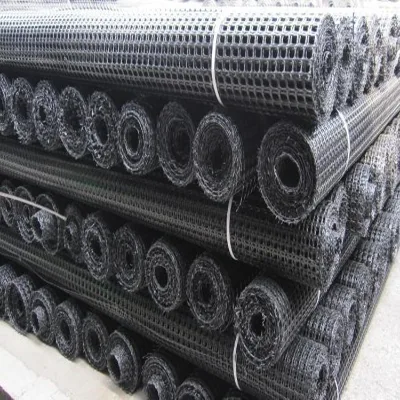


Biaxial Plastic Geogrid for Coal Black High-Density Polyethylene Geogrid
$0.18 - $0.30
MOQ: 100 Square Meters

Manufacturer High Tensile Strength Polypropylene Biaxial Plastic Chinese Geogrid
$0.18 - $0.30
MOQ: 100 Square Meters

$0.28 - $1.16
MOQ: 1000 Square Meters

Biaxial Geogrid PP Geogrid 100% PP Plastic Geogrid for Soil Retainer
$0.61 - $1.68
MOQ: 1000 Square Meters


Comprehensive Sourcing Guide
Extruded Plastic Biaxial Geogrid Sourcing Guide
Procuring Extruded Plastic Biaxial Geogrid requires a disciplined approach to verifying material integrity and structural performance. Buyers must distinguish between standard polypropylene (PP) products and specialized variants, as the raw material directly influences long-term durability under load. The primary function of these grids is reinforcement and anti-slip capability, making them critical for road bases, dams, steep slopes, and retaining walls. Understanding the specific mechanical properties required for your project site is the first step in narrowing down suitable suppliers.
The market offers a wide range of configurations, from standard biaxial grids to more complex structures like triangle geogrids or those incorporating steel elements. While the core keyword focuses on extruded plastic types, listings often include polyester or fiberglass alternatives, so precise specification matching is essential. Buyers should confirm that the product classification aligns with their engineering requirements, ensuring that the grid’s tensile strength and mesh size are appropriate for the intended application. This initial filtering prevents costly mismatches between the supplied material and the project’s structural demands.
Product Scope and Observed Listing Signals
When reviewing supplier listings, pay close attention to the stated raw material, as most biaxial geogrids are manufactured from polypropylene (PP). Some listings may indicate the presence or absence of viscose, which can affect the grid’s flexibility and resistance to environmental degradation. It is crucial to verify that the material composition matches your project specifications, particularly if the application involves high-stress environments like road bases or retaining walls. Misidentifying the material can lead to premature failure or non-compliance with engineering standards.
Observed product models often range from 15/15KN to 50/50KN, indicating the tensile strength in kilonewtons per meter. Buyers should note that these values represent the minimum guaranteed strength, and actual performance may vary based on manufacturing consistency. Additionally, mesh sizes typically fall between 30mm and 65mm, which influences how the grid interacts with the surrounding soil or aggregate. Confirming these dimensions ensures that the grid integrates properly with the construction process, avoiding issues related to installation difficulty or inadequate load distribution.
Technical Specifications to Verify
Tensile strength is the most critical technical parameter for biaxial geogrids, with observed ranges spanning from 15KN to 50KN. Buyers must verify that the specified strength meets or exceeds the design requirements for their project, considering factors such as soil type, load magnitude, and expected service life. Requesting test reports that detail the tensile strength in both the machine and cross-machine directions is essential, as biaxial grids are designed to provide reinforcement in two perpendicular directions. This data helps ensure that the grid will perform as intended under multidirectional stress.
Mesh size and aperture dimensions also play a significant role in the grid’s effectiveness. Standard mesh sizes range from 30mm to 65mm, but custom sizes may be available depending on the supplier’s capabilities. The mesh size affects the interlock with the surrounding material, influencing the overall stability of the reinforced structure. Buyers should confirm that the mesh size is compatible with the aggregate or soil being used, ensuring proper confinement and load transfer. Additionally, verify the grid’s width and length, which typically range from 1 to 6 meters and 25 to 100 meters, respectively, to plan for efficient installation and minimize waste.
Compliance and Safety Documentation
Compliance with international standards is a key consideration when sourcing geogrids, as it ensures that the product meets established quality and safety benchmarks. While specific certifications like CE or ISO9001 are often listed, buyers should request detailed documentation that verifies these claims. This includes certificates of conformity, test reports from accredited laboratories, and quality assurance records. Verifying that the supplier maintains a robust quality management system helps mitigate the risk of receiving substandard materials that could compromise the structural integrity of the project.
Safety documentation should also include information on the grid’s environmental impact and handling requirements. For instance, if the grid contains additives or coatings, buyers should request safety data sheets (SDS) that outline any potential hazards during storage, transportation, or installation. Additionally, confirm that the product complies with local regulations regarding construction materials, particularly if the project is subject to specific environmental or safety standards. This due diligence ensures that the geogrid not only performs well but also adheres to all relevant legal and regulatory requirements.
Cost Drivers and Commercial Terms
The cost of Extruded Plastic Biaxial Geogrid is influenced by several factors, including the tensile strength, mesh size, and quantity ordered. Higher-strength grids, such as those rated at 50KN, typically command a premium price due to the increased material and manufacturing complexity. Buyers should request detailed quotations that break down the cost per square meter or per roll, allowing for accurate budgeting and comparison between suppliers. Additionally, consider the impact of customization, such as specific mesh sizes or packaging requirements, which may incur additional fees.
Commercial terms, including minimum order quantities (MOQ) and payment conditions, also affect the overall cost and feasibility of the purchase. Observed MOQs range from 1 to 20,000 units, so buyers should align their order size with the supplier’s minimum requirements to avoid penalties or delays. Negotiating favorable payment terms, such as partial prepayment or milestone-based payments, can improve cash flow management and reduce financial risk. Furthermore, clarify the delivery terms, including Incoterms and lead times, to ensure that the geogrid arrives on schedule and in the correct condition.
Supplier Qualification and Quality Control
Selecting a qualified supplier is crucial for ensuring the consistent quality and reliability of the geogrid. Buyers should evaluate the supplier’s manufacturing capabilities, including the equipment used for extrusion and welding, as well as their experience in producing biaxial geogrids. Requesting references from previous clients or case studies can provide insight into the supplier’s track record and ability to meet project deadlines. Additionally, assess the supplier’s quality control processes, such as in-line testing and final inspection, to ensure that each batch meets the specified standards.
Quality control should extend to the packaging and labeling of the geogrid, as proper protection during transportation is essential to prevent damage. Suppliers often use woven bags with labels or colored tapes to identify the product, but buyers should confirm that the packaging meets their requirements for storage and handling. Requesting samples for pre-shipment inspection allows buyers to verify the grid’s physical properties, such as tensile strength and mesh size, before committing to a large order. This proactive approach helps identify any potential issues early, reducing the risk of receiving defective materials.
Long-Term Procurement Checks
Establishing a long-term relationship with a reliable supplier can provide benefits such as consistent quality, competitive pricing, and priority support. Buyers should conduct periodic audits of the supplier’s facilities and quality management systems to ensure ongoing compliance with standards. This includes reviewing production records, test reports, and customer feedback to identify any trends or areas for improvement. Additionally, monitor the supplier’s financial stability and market reputation to assess their ability to sustain operations and meet future demands.
Long-term procurement also involves staying informed about advancements in geogrid technology and materials. Suppliers may introduce new products or improvements that offer enhanced performance or cost savings, so maintaining open communication is essential. Buyers should regularly review their specifications and requirements to ensure that the geogrid continues to meet the project’s needs as conditions change. By fostering a collaborative relationship with the supplier, buyers can leverage their expertise to optimize the procurement process and achieve better outcomes for their projects.
FAQs
What materials are used to make extruded plastic biaxial geogrids?
These geogrids are primarily made from polypropylene or plastic materials. Some variants may include fiberglass or polyester components. The raw material selection ensures stability and durability for various engineering applications like road bases and retaining walls.
Which certifications do Extruded Plastic Biaxial Geogrid manufacturers hold?
Manufacturers often provide CE and ISO9001 certifications for their products. These standards verify quality management and product safety. Buyers should verify specific documentation to ensure compliance with international engineering requirements for infrastructure projects.
How is the tensile strength of extruded plastic biaxial geogrids defined?
Tensile strength typically ranges from 15 to 50 kilonewtons per meter. Specific models offer values like 20KN or 40KN depending on the design. This strength allows the grid to effectively reinforce soil and distribute loads in construction applications.
Can extruded plastic biaxial geogrids be customized for specific projects?
Yes, customization is available for various project requirements. Buyers can request specific sizes, mesh dimensions, or packaging options like colored tapes. OEM marks and custom widths between one to six meters are often supported by suppliers.
What are the standard dimensions for Extruded Plastic Biaxial Geogrid rolls?
Standard roll lengths usually range from twenty-five to one hundred meters. Widths typically vary between one and six meters. Specific configurations like four by one hundred meters are also available to meet diverse engineering needs and site conditions.
Where are extruded plastic biaxial geogrids manufactured?
These products are manufactured in China. The origin is consistently listed as Made in China for most suppliers. This location supports a wide range of production capacities and export capabilities for international buyers seeking cost-effective solutions.
How are extruded plastic biaxial geogrids packaged for shipping?
Packaging often includes white or yellow tape with woven bags for protection. Each roll is wrapped with a label for identification. Custom packaging requirements can be arranged to ensure safe transport and easy handling at the destination site.