Source Heat Resistant Flexible Electric Wire for Industrial Heating
Find and compare 30 Heat Resistant Flexible Electric Wire options from verified Chinese suppliers. Evaluate specifications like voltage ratings, insulation materials, and certifications to select the right solution for your heating applications; compare the available evidence and request quotations based on your requirements.
Key considerations
Products List


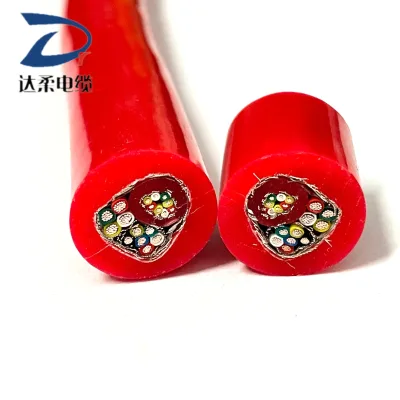

200 Degree High Temperature Insulated Heat Resistant PTFE Electric Wire
$0.02 - $0.04
MOQ: 5000 Pieces


Comprehensive Sourcing Guide
Heat Resistant Flexible Electric Wire Sourcing Guide
Buyers must first distinguish between bare resistance heating elements and insulated flexible conductors, as the supplied data reveals distinct product categories under the same search term. The market offers Fecral heating wires with maximum working temperatures up to 1200°C, which are typically bare and designed for industrial furnace applications rather than flexible wiring harnesses. Conversely, other listings describe insulated wires with XLPE insulation rated for temperatures between -40°C and 200°C, suitable for overhead, underground, or general heating applications where flexibility is required.
Procurement decisions should hinge on whether the application demands high-temperature resistance or standard electrical insulation. For heating elements, the focus is on conductor materials like nickel wire or Fecral alloys with diameters ranging from 0.05mm to 8.0mm, often supplied in cartons or wooden cases. For flexible wiring, the priority shifts to insulation integrity, voltage ratings up to 3000V, and specific color coding for identification, ensuring the selected product matches the thermal and mechanical stress of the intended environment.
Product Scope and Observed Listing Signals
The observed product listings indicate a wide variance in specifications, with prices ranging from $0.02 to $36 and minimum order quantities spanning from 10 to 6100 units. This disparity suggests that buyers will encounter both small-batch custom resistance wires and bulk industrial cable solutions, requiring careful filtering to match the specific scale of the project. The presence of customized model numbers and standard requests implies that many suppliers offer tailored solutions rather than off-the-shelf inventory, necessitating clear communication of technical requirements early in the inquiry process.
Buyers should note that packaging varies significantly between cartons, wooden cases, and reels, which impacts logistics and storage planning. Some products are listed with specific model numbers like DK-fcw or UL3122, while others are described generically as high-temperature wires. This inconsistency in naming conventions requires buyers to verify the exact physical attributes, such as whether the wire is bare or insulated, and to confirm the delivery format, whether it is per roll, per pallet, or per tray, to avoid receiving incompatible packaging for their facility.
Technical Specifications to Verify
Verification of conductor material is critical, as the market offers both nickel wire and Fecral alloys, each with distinct thermal properties and resistance characteristics. Buyers must confirm the specific diameter range, which can vary from 0.05mm to 8.0mm, to ensure the wire can handle the required current load without overheating or failing. Additionally, the distinction between solid and stranded conductor types must be clarified, as stranded wires offer greater flexibility for dynamic applications, while solid wires may be preferred for static heating elements.
Temperature ratings and insulation materials are equally vital for ensuring operational safety and longevity. While some heating wires are rated for a maximum working temperature of 1200°C, insulated flexible wires typically operate within a range of -40°C to 200°C depending on the insulation type, such as XLPE. Buyers should also verify the rated voltage, which can range from 30V to 3000V, and confirm the color coding options, including black, red, orange, yellow, and blue, to ensure proper identification and compliance with local electrical standards.
Compliance and Safety Documentation
Compliance verification requires checking for a combination of certifications such as CE, ISO, VDE, RoHS, and CCC, which are frequently cited in the product listings. These certifications indicate adherence to specific safety and quality standards, but buyers must confirm that the specific batch or model they are purchasing holds the relevant credentials for their target market. The presence of multiple certifications suggests a robust quality management system, yet the buyer should request valid certificates for the exact product model to avoid accepting generic claims that may not apply to their specific order.
Safety documentation should also address the specific application environment, such as flame retardancy for underground or overhead installations. The listings mention features like high-temperature resistance and flame retardant ranges, which are essential for preventing fire hazards in industrial settings. Buyers must ensure that the supplier provides test reports or data sheets confirming these performance claims, particularly for wires intended for use in high-stress environments where failure could lead to significant safety risks or operational downtime.
Cost Drivers and Commercial Terms
Cost structures are heavily influenced by the customization level, material composition, and order volume, with minimum order quantities ranging from 10 to 6100 units. Buyers should anticipate that highly customized models, such as those with specific diameters or insulation requirements, will command higher prices and potentially longer lead times compared to standard configurations. The observed price range of $0.02 to $36 reflects this variability, indicating that unit costs can fluctuate dramatically based on the complexity of the specification and the scale of the purchase.
Commercial terms regarding delivery and packaging must be explicitly defined to avoid logistical surprises. While some suppliers offer delivery within 15 days, others may have different lead times depending on the customization request. Packaging options like wooden drums, cartons, or reels affect shipping costs and handling requirements, so buyers should negotiate these terms upfront. Additionally, the availability of OEM services suggests that branding and labeling can be customized, which may incur additional costs that should be factored into the total procurement budget.
Supplier Qualification and Quality Control
Supplier qualification should focus on verifying the origin and manufacturing capabilities, as the listings indicate production in Jiangsu and Shanghai, China. Buyers must assess the supplier's ability to meet specific standards, such as ASTM or IEC, and confirm their capacity to produce customized models upon request. The presence of certifications like ISO9001 suggests a commitment to quality management, but buyers should request evidence of recent audits or quality control processes to ensure consistent product performance across different batches.
Quality control measures must include rigorous testing of electrical and thermal properties to ensure the wire meets the specified performance criteria. Buyers should inquire about the supplier's internal testing protocols for resistance, insulation integrity, and temperature resistance, particularly for high-temperature applications. Establishing a clear quality assurance agreement that defines acceptable tolerances and rejection criteria is essential, as the variability in product attributes observed in the market underscores the need for strict oversight during the manufacturing and inspection phases.
Long-Term Procurement Checks
Long-term procurement success depends on establishing a reliable supply chain that can consistently meet evolving technical and volume requirements. Buyers should monitor the supplier's ability to maintain certification validity and adhere to changing international standards, ensuring that future orders remain compliant without requiring significant re-engineering. Regular performance reviews of delivered goods, including checks for packaging integrity and material consistency, will help identify any drift in quality that could impact downstream operations.
Sustainability and supply chain resilience are also critical factors for long-term planning, especially given the reliance on specific raw materials like nickel and Fecral alloys. Buyers should assess the supplier's capacity to manage lead times and mitigate risks associated with material shortages or logistical disruptions. Building a partnership based on transparent communication and shared quality goals will facilitate smoother negotiations and ensure a steady supply of heat-resistant flexible electric wires that meet the rigorous demands of industrial heating and electrical applications.
FAQs
What certifications are available for Heat Resistant Flexible Electric Wire?
Available certifications include CE, ISO9001, ISO, VDE, RoHS, and CCC. These standards ensure compliance with international safety and quality requirements. Buyers can verify specific documentation based on their regional regulations. The product origin is primarily China, with factories in Jiangsu and Shanghai providing these certified options for global procurement needs.
Can Heat Resistant Flexible Electric Wire be customized for specific applications?
Yes, customization is available for model numbers, standards, and packaging. Buyers can request specific sizes, colors, and insulation types like XLPE. The wire supports bare or insulated configurations with solid or stranded conductors. This flexibility allows tailored solutions for heating, underground, or overhead applications according to precise project specifications.
What is the maximum working temperature for this heating resistance wire?
The maximum working temperature reaches 1200°C for Fecral heating resistance wire. High-temperature variants operate between -40°C and 200°C depending on insulation. These ratings suit demanding industrial heating environments. The material composition ensures stability under thermal stress, making it suitable for applications requiring sustained high-heat performance without degradation.
What are the typical MOQ and lead times for orders?
Minimum order quantities range from 10 to 6100 units. Delivery lead times are typically within 15 days. Packaging options include cartons, wooden cases, or reels. These parameters support both small-scale testing and large-volume industrial procurement. Buyers should confirm specific MOQs with suppliers based on the selected wire gauge and insulation type.
Which materials are used for the conductor in these wires?
Conductor materials include Fecral and nickel wire with diameters from 0.05mm to 8.0mm. Insulation options feature XLPE for flexible variants. The wire is available in round shapes with bare or insulated types. Color options range from bright or oxidized finishes to specific colors like black, red, or blue for identification purposes.
How is the Heat Resistant Flexible Electric Wire packaged for shipping?
Packaging includes cartons, wooden cases, wooden drums, or reels. Standard lengths are 100m or 200m per roll. Custom packaging is available upon request. This ensures safe transport and protection against damage. Buyers can select packaging based on logistics requirements and the specific wire specifications ordered from the supplier.