Source Heat Resistant Foam Rubber Pipe for Industrial, Office, and Residential Use
Compare 30 listings for Heat Resistant Foam Rubber Pipe suitable for industrial slabs, office buildings, and residential insulation. Buyers can review specifications like thermal conductivity, thickness, and certifications to find the right solution for fluid transport or thermal protection needs.
Key considerations
Products List


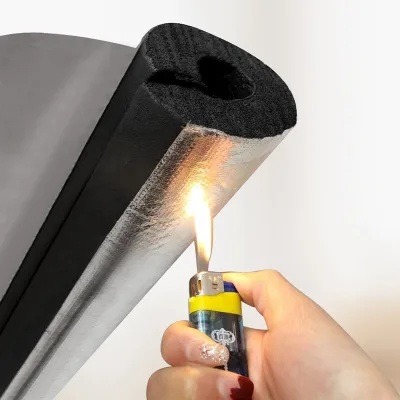
Cold Thermal Insulation Heatproof K-Flex Foam Rubber Pipe for Chilled Water Pipeline
$4.80 - $5.60
MOQ: 100 Square Meters


Comprehensive Sourcing Guide
Strategic Sourcing Guide for Heat Resistant Foam Rubber Pipe
Understanding Material Composition and Thermal Performance
When sourcing Heat Resistant Foam Rubber Pipe, the primary objective is to identify products that maintain structural integrity and thermal insulation properties under varying temperature conditions. Based on available market data, the core material composition often involves Neoprene or Nitrile Rubber, sometimes combined with Natural Rubber and Pad materials. These synthetic rubber bases are selected specifically for their ability to withstand thermal stress while providing flexibility. The observed thermal performance range for these products indicates a refractoriness between -50°C and 105°C, which defines the operational envelope for many industrial applications.
The thermal conductivity of the foam is a critical metric for efficiency. In the current market, apparent thermal conductivity values as low as 0.035 W/M`K have been observed, suggesting high insulation efficiency. This low conductivity is essential for minimizing heat loss in piping systems, whether for hot water, steam, or HVAC applications. Furthermore, the material exhibits significant resistance to cold, heat, and impact, making it suitable for environments where physical shock or extreme temperature fluctuations are common. The density of the foam, observed at approximately 55 Kg/M3, contributes to its durability and ability to resist compression over time.
Buyers must distinguish between different foam types, such as Rubber Foam, EVA Mat, or EPE, as each offers distinct performance characteristics. While some listings specify "Engineering Use Foam Rubber Heat Preservation Pipe," others refer to generic "rubber pipe insulation" or "foam insulation tube." The distinction matters because the raw material dictates the chemical resistance and maximum operating temperature. For instance, Nitrile Rubber is often preferred for oil and fuel resistance, whereas Neoprene offers superior weather and ozone resistance. Understanding these material nuances ensures the selected pipe matches the specific fluid and environmental conditions of the project.
Technical Specifications and Dimensional Standards
Precision in dimensions is paramount when specifying Heat Resistant Foam Rubber Pipe, as improper fit can lead to thermal bridging and energy inefficiency. The market offers a wide range of sizes, with inner diameters (ID) spanning from 1/4 Inch to 4 Inch. For diameters exceeding 4 inches, the standard practice often shifts to using rubber sheets rather than pre-formed pipes. The available ID sizes include standard increments such as 1/4", 3/8", 1/2", 5/8", 3/4", 7/8", 1", and 1-1/8", catering to various pipe sizes used in residential, commercial, and industrial settings.
Thickness is another critical specification that directly impacts insulation performance. Observed thickness options include 9, 13, 20, 25, 30, and 40mm. Selecting the appropriate thickness depends on the required temperature differential and the ambient conditions. Thicker insulation is generally required for higher temperature applications to prevent condensation and reduce heat loss. The dimensional stability of the foam is also a key factor, with observed values around 3.5%, indicating the material's ability to maintain its shape without significant shrinkage or expansion over time.
Water vapor sorption and permeability are vital for preventing moisture ingress, which can degrade insulation performance and lead to corrosion under insulation (CUI). High-quality foam rubber pipes demonstrate low water vapor sorption, with observed values as low as 0.35%, and water vapor permeability below 0.04 Perm. These metrics ensure that the insulation remains dry and effective over the long term. Additionally, the cross-section shape is typically round, designed to fit standard cylindrical pipes, and the connection type is often seamless, eliminating weak points where air or moisture could penetrate.
Compliance, Certification, and Safety Standards
Verifying compliance with international and regional standards is a non-negotiable step in the procurement process. While specific certification statuses vary by supplier, buyers should look for products that have undergone rigorous testing for fire safety and environmental impact. Common certifications observed in the market include CE, ISO, and RoHS, which indicate adherence to European safety directives, international quality management systems, and restrictions on hazardous substances, respectively.
Fire resistance is a critical safety concern for foam rubber pipes, particularly in commercial and residential buildings. Products are often classified by fire performance ratings such as B0, B1, and B2, which denote varying levels of flammability and smoke generation. Buyers must verify the specific fire rating required by local building codes, as these regulations can differ significantly by region. The standard ASTM is also referenced in the market, suggesting that some products are tested against American Society for Testing and Materials guidelines, though the specific test methods should be confirmed with the supplier.
It is important to note that while some background information mentions UL 723, this should not be assumed as a universal standard for all listed products. Buyers must explicitly request test reports or certification documents to confirm that a specific product meets the required fire safety standards for their application. Additionally, the production origin, often listed as China or specifically Tianjin, China, does not inherently determine quality but requires careful vetting of the manufacturer's quality control processes. Ensuring that the product meets the relevant standards for the destination market is essential to avoid regulatory issues and ensure safety.
Cost Drivers and Procurement Economics
The cost of Heat Resistant Foam Rubber Pipe is influenced by several factors, including material composition, thickness, and order volume. The observed price range in the market spans from $0.01 to $298, reflecting the vast difference between small sample units and bulk industrial orders. The Minimum Order Quantity (MOQ) also varies significantly, ranging from 1 unit to 2000 units, which impacts the unit price and overall procurement strategy.
Material costs are a primary driver, with Nitrile and Neoprene generally commanding higher prices than standard rubber foam due to their enhanced chemical and thermal resistance. Thickness is another significant cost factor; thicker pipes require more raw material and may involve more complex manufacturing processes, leading to higher costs. Additionally, surface treatments, such as the application of aluminum foil, can add to the price but offer benefits in terms of moisture barrier and reflectivity.
Buyers should consider the total cost of ownership rather than just the initial purchase price. High-quality insulation with superior dimensional stability and low water vapor permeability may have a higher upfront cost but can result in significant energy savings and reduced maintenance over time. The warranty period, observed to be more than 5 years for some products, is another indicator of value, suggesting confidence in the product's longevity. When evaluating suppliers, it is crucial to balance the initial cost against the expected lifespan and performance of the insulation to ensure a cost-effective solution.
Typical Applications and Industry Use Cases
Heat resistant foam rubber pipes are versatile and find applications across a wide spectrum of industries. In the industrial sector, they are commonly used for protecting pipes carrying hot fluids, steam, or chemicals where thermal efficiency and safety are paramount. The observed usage includes "Industrial Rubber Slab" applications, highlighting their role in heavy-duty environments. The ability to handle fluids with solid particles and the seamless connection type make them suitable for complex piping systems in manufacturing plants.
In the commercial and residential sectors, these pipes are essential for HVAC systems, hot water distribution, and refrigeration lines. The observed usage categories include "Office Building," "Commercial Insulation," and "Residential" applications, indicating their widespread adoption in building infrastructure. The cold-resistant and heat-resistant properties ensure that these pipes perform effectively in both heating and cooling systems, preventing condensation and energy loss.
Specialized applications also exist, such as the use of foam rubber for "Heat Protective Door Handle" covers, demonstrating the material's adaptability to various forms. The "EVA PE EPE PU foam Insert standard tray" and "Manufacturers professional safety foam padding pip" suggest that the material is also used for protective packaging and safety equipment. The versatility of the foam allows it to be customized for specific needs, with options for different colors, including black and white, to meet aesthetic or functional requirements.
Supplier Evaluation and Quality Assurance
Selecting a reliable supplier is critical to ensuring the quality and consistency of heat resistant foam rubber pipes. Buyers should evaluate suppliers based on their production capabilities, quality control processes, and adherence to standards. The observed production origin in China, particularly Tianjin, indicates a hub for rubber manufacturing, but buyers must verify the specific capabilities of the supplier to ensure they meet project requirements.
Quality assurance should include a review of the supplier's certification status, test reports, and compliance with relevant standards. Buyers should request samples to verify the physical properties of the foam, such as density, thermal conductivity, and dimensional stability. The observed warranty of more than 5 years can be a strong indicator of supplier confidence, but it should be backed by clear terms and conditions.
Packaging is another aspect of supplier evaluation, as proper packaging ensures the product arrives in good condition. Observed packaging options include plastic packages, cartons, and seaworthy packaging, which are essential for protecting the foam during transit. The supplier's ability to provide customized solutions, such as specific sizes or surface treatments, is also a valuable attribute. Buyers should assess the supplier's lead times and flexibility to ensure they can meet project deadlines.
Long-Term Procurement and Maintenance Considerations
Long-term procurement strategies for heat resistant foam rubber pipes should focus on sustainability, maintenance, and lifecycle management. The observed dimensional stability of 3.5% and low water vapor sorption suggest that high-quality products can maintain their performance over extended periods, reducing the need for frequent replacement. However, regular inspections are necessary to ensure that the insulation remains intact and free from damage.
Buyers should consider the environmental impact of the materials used, looking for options that comply with RoHS and other environmental standards. The durability of the foam, indicated by its resistance to heat, cold, and impact, contributes to a longer service life, which is beneficial for both economic and environmental reasons. The availability of customization options allows buyers to tailor the insulation to specific project needs, ensuring optimal performance and longevity.
In conclusion, sourcing Heat Resistant Foam Rubber Pipe requires a comprehensive understanding of material properties, technical specifications, and supplier capabilities. By carefully evaluating these factors, buyers can select products that meet their specific requirements and deliver long-term value. The observed market data provides a solid foundation for making informed decisions, but continuous verification of product quality and compliance is essential to ensure success in any procurement project.
FAQs
What materials are used for Heat Resistant Foam Rubber Pipe?
The primary materials include Neoprene, Nitrile Rubber, and Natural Rubber combined with Pad. These synthetic bases provide structural integrity and flexibility under thermal stress while resisting cold, heat, and impact effectively.
Which thickness options are available for foam rubber insulation?
Available thickness options include 9, 13, 20, 25, 30, and 40mm. Selecting the appropriate thickness depends on the required temperature differential and ambient conditions to prevent condensation and reduce heat loss.
Can these pipes be customized for specific industrial needs?
Yes, customization is available for various specifications and standards. Buyers can request specific sizes, surface treatments like aluminum foil, and custom packing options to meet unique project requirements.
What certifications do heat resistant foam rubber pipes typically have?
Common certifications observed in the market include CE, ISO, and RoHS. These indicate adherence to European safety directives, international quality management systems, and restrictions on hazardous substances for safe usage.
How is the thermal conductivity of the foam measured?
The apparent thermal conductivity is observed at 0.035 W/M`K for high efficiency. This low conductivity is essential for minimizing heat loss in piping systems carrying hot fluids or steam.
What is the warranty period for these insulation products?
The warranty period is more than 5 years for some products. This duration suggests confidence in the product's longevity and durability against compression and environmental factors over time.
Which fire resistance ratings are available for these pipes?
Products are classified by fire performance ratings such as B0, B1, and B2. These denote varying levels of flammability and smoke generation required by local building codes for commercial and residential use.