Source Heating Eyelash Curler for Makeup, Beauty Care, and Lash Extensions
Explore 30 Heating Eyelash Curler options with varied features like heated, disposable, and USB rechargeable types. Buyers can compare specifications, materials, and MOQs to find the right tool for makeup, beauty care, and lash extension applications.
Key considerations
Products List
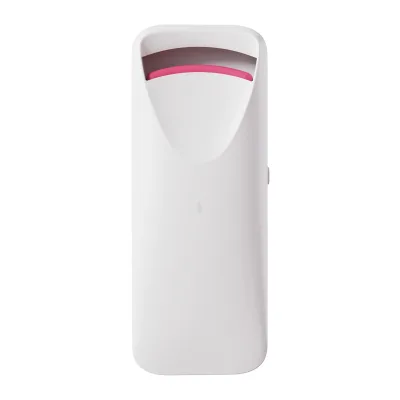
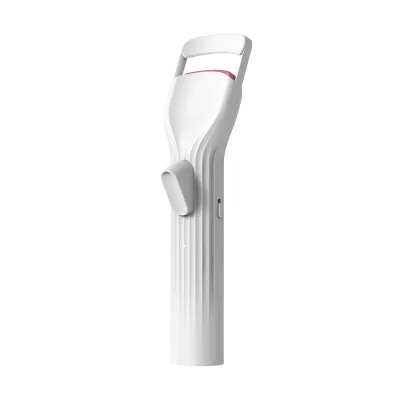


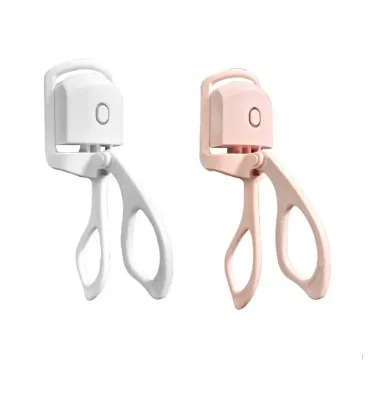


Comprehensive Sourcing Guide
Strategic Sourcing Guide for Heating Eyelash Curlers
Understanding Product Variants and Technical Specifications
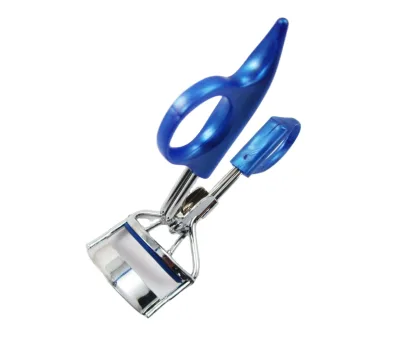
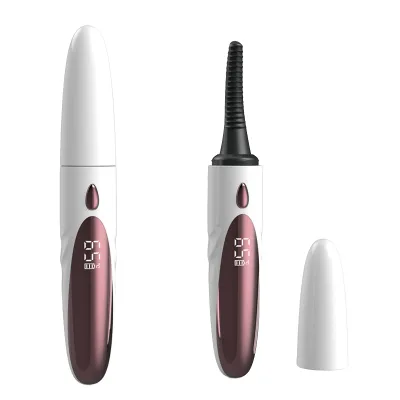
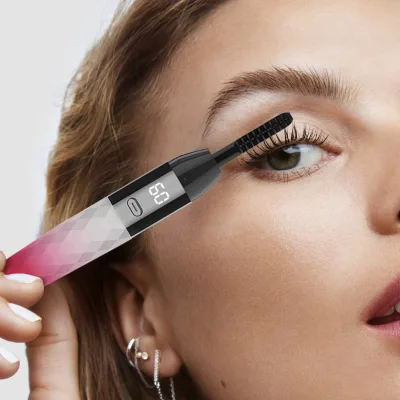
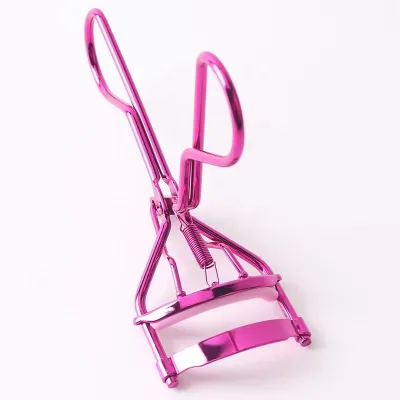
The market for heating eyelash curlers presents a diverse array of technical configurations, ranging from manual tools with heated elements to fully electric, battery-operated devices. When evaluating products for procurement, buyers must first distinguish between the fundamental operating mechanisms observed in current listings. One prevalent category involves manual eyelash curlers that incorporate heating features, often described as "heated" or "mini" variants. These devices typically rely on a specific structural composition, such as iron plating over a carbon steel base, combined with plastic components to ensure durability and user safety. The physical dimensions of these manual heated units often vary, with observed specifications including compact sizes like 10.3x3.5cm or slightly larger formats around 14x1.4x1.4cm, depending on the intended ergonomic fit for the user's eye area.
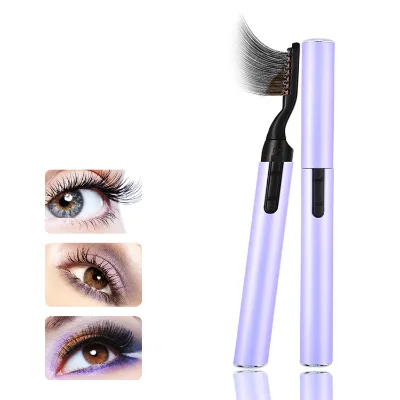
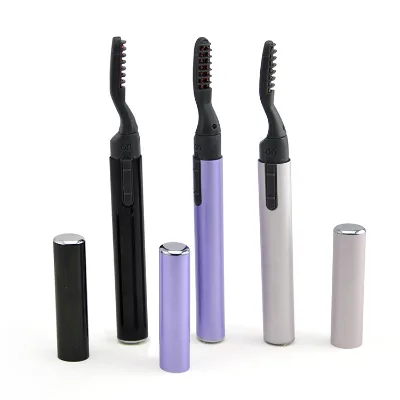
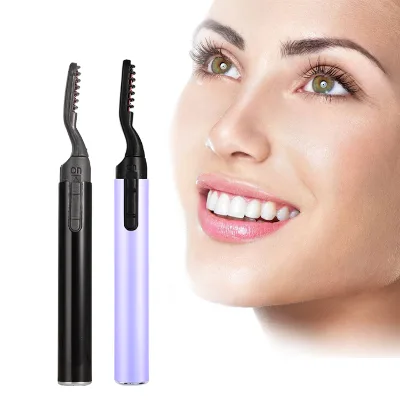
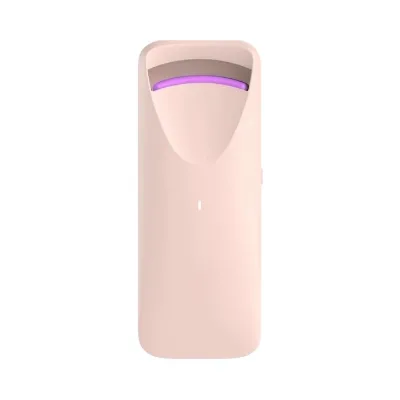
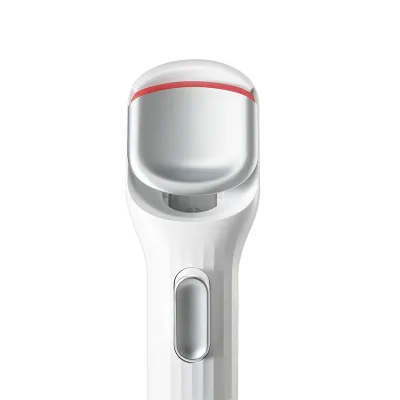
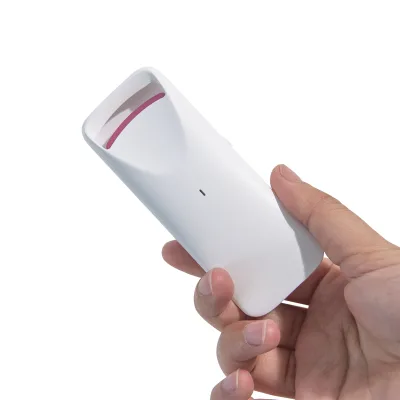
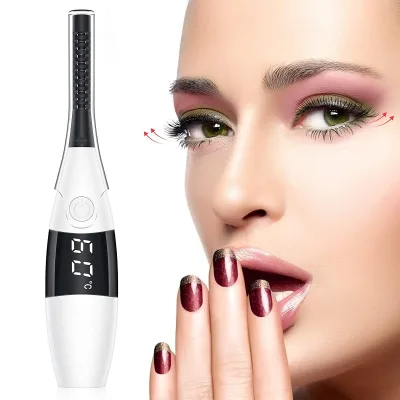
In contrast, the electric heated eyelash curler segment introduces power supply requirements that significantly alter the sourcing profile. These units are frequently powered by either USB rechargeable systems or disposable batteries, such as 1xAAA cells, which are often not included in the initial shipment. The material composition for these electric models shifts toward high-grade ABS plastic, offering a balance between heat resistance and lightweight handling. Technical observations indicate that these electric devices are designed to operate within specific thermal ranges, with some listings citing temperature outputs between 68-70℃. This precise thermal control is critical for achieving the desired curling effect without damaging the delicate eyelash structure. The packaging for these electric units often includes color boxes, reflecting a higher-end presentation compared to the simple polybag packaging seen in manual variants.
Buyers should also note the diversity in model numbers and branding, which can complicate direct comparison. For instance, specific model identifiers like FCA-250214-05 or JM-015 appear in the market, alongside generic descriptions such as "OEM Heated Eyelash Curler." The functional attributes remain consistent across these variations, with the primary goal being to make eyelashes curly and adjust the curl for a customized look. However, the presence of features like "disposable" or "with instructions" suggests that some products may be single-use or require specific handling protocols that differ from standard reusable tools. Understanding these technical distinctions is the first step in aligning product selection with specific business needs, whether the goal is to offer a premium electric device or a cost-effective manual solution.
Compliance, Certification, and Safety Standards
Navigating the regulatory landscape is a critical component of sourcing heating eyelash curlers, particularly given the direct contact these devices have with sensitive facial areas. While specific certification statuses for every listed product cannot be universally asserted without direct verification, the market does show instances where products carry CE and RoHS certifications. These certifications are indicative of compliance with European safety standards and restrictions on hazardous substances, respectively. For buyers targeting international markets, particularly in Europe, verifying that a supplier can provide valid documentation for CE and RoHS compliance is essential. The absence of such documentation should be treated as a significant risk factor, as it may indicate non-compliance with safety regulations regarding electrical components and material toxicity.
The safety of heating elements is paramount. Since these devices generate heat, often reaching temperatures around 68-70℃, the risk of thermal injury is a primary concern. Buyers must ensure that the product design includes adequate thermal insulation and that the materials used, such as the iron plating or ABS plastic, are rated for repeated exposure to heat. The warranty terms observed in the market, such as a 1-year warranty, suggest that manufacturers are aware of potential failure modes and are willing to stand behind their product's longevity. However, buyers should not rely solely on the stated warranty period as a proxy for quality. Instead, they should request detailed test reports that verify the stability of the heating element over time and the safety of the electrical components.
Furthermore, the distinction between "carbon steel" and "stainless steel" in product descriptions requires careful scrutiny. While some listings mention carbon steel, others refer to stainless steel or iron plating. The corrosion resistance and hygiene properties of these materials differ significantly, especially in a beauty care context where the product may be exposed to moisture and oils. Buyers should verify the exact material grade to ensure it meets hygiene standards and does not degrade quickly with use. The presence of certifications like CE and RoHS is a strong indicator that the manufacturer has considered these material safety aspects, but independent verification remains the gold standard for procurement teams.
Cost Drivers and Pricing Dynamics
The pricing structure for heating eyelash curlers is influenced by a complex interplay of factors, including material costs, manufacturing complexity, and order volume. The observed price range in the market spans from as low as $0.16 to as high as $19 per unit, reflecting the vast difference between basic manual tools and sophisticated electric devices. This wide disparity is primarily driven by the inclusion of electronic components, such as batteries, charging circuits, and USB ports, which are absent in manual variants. The electric models, which often feature ABS plastic construction and advanced heating elements, naturally command a higher price point due to the increased production costs and technical complexity involved.
Order volume plays a decisive role in determining the final unit cost. The market exhibits a broad range of Minimum Order Quantities (MOQs), from as low as 2 pieces to as high as 6000 pieces. Suppliers offering low MOQs, such as 2 or 3000 pieces, often cater to different market segments, with the lower end serving small businesses or testers and the higher end serving large-scale retailers. However, it is important to note that the lowest price points are almost exclusively associated with high-volume orders. Buyers attempting to source small quantities at the bottom of the price range should be aware that this may not be feasible, as suppliers typically reserve their most competitive rates for bulk purchases.
Additional cost drivers include branding and customization. Products offering "Private Label" services or "Customized Logo" options often carry a premium. The ability to apply a specific brand name, such as FORBUN or Polywell, or to create a custom design, adds value but also increases the cost due to the setup and tooling required. The packaging also significantly impacts the final price; units shipped in simple polybags are generally cheaper than those packaged in color boxes, which require additional printing and assembly steps. Buyers must balance the desire for customization and premium packaging against the budget constraints, understanding that these features are direct contributors to the overall cost structure.
Typical Applications and Market Positioning
Heating eyelash curlers serve a specialized niche within the broader beauty care and cosmetics tools market. Their primary application is in professional makeup work and personal beauty care, where the goal is to achieve a more dramatic and long-lasting curl than what is possible with manual tools alone. The ability to heat the curling mechanism allows for a more effective reshaping of the eyelash, making these tools particularly popular among beauty professionals and enthusiasts seeking high-performance results. The market positioning of these products varies, with some targeting the mass market through affordable, manual options, while others focus on the premium segment with electric, rechargeable devices.
The versatility of these tools is another key application factor. Many products are marketed as suitable for both eyelash curling and eyebrow grooming, expanding their utility beyond a single function. This dual-purpose capability can be a significant selling point for retailers looking to maximize the value proposition of their product lines. The "Mini" classification of some curlers suggests a portability factor, making them ideal for travel or on-the-go touch-ups, which aligns with the lifestyle of modern consumers who prioritize convenience.
Furthermore, the application of these tools extends to various beauty care contexts, from home use to professional salon environments. The presence of "With Instructions" as a feature highlights the importance of user guidance, especially for electric models that require specific handling to ensure safety and effectiveness. The market also sees a trend towards "OEM" (Original Equipment Manufacturer) and "ODM" (Original Design Manufacturer) solutions, where brands can leverage existing designs to create their own proprietary products. This flexibility allows companies to enter the heated eyelash curler market with reduced R&D costs, focusing instead on branding and distribution.
Supplier Evaluation and Selection Criteria
Selecting the right supplier for heating eyelash curlers requires a rigorous evaluation process that goes beyond simple price comparison. Buyers should prioritize suppliers who demonstrate transparency in their manufacturing capabilities and product specifications. The observation of specific model numbers, such as BC-0818 or JM-015, indicates that suppliers have established product lines, which can be a sign of stability and experience. However, buyers must verify that the supplier can consistently deliver the specific attributes required, such as the correct material composition, temperature range, and power source.
One critical aspect of supplier evaluation is the ability to handle customization. Many suppliers offer "Private Label" and "Customized Logo" services, which are essential for brands looking to differentiate themselves. Buyers should assess the supplier's flexibility in accommodating these requests, including their capacity to manage different packaging requirements, such as color boxes versus polybags. The willingness to accept "Small Orders" is another indicator of a supplier's adaptability, particularly for startups or businesses testing the market. However, buyers should be cautious of suppliers who claim to accept small orders but have hidden costs or long lead times that negate the benefits of flexibility.
Quality control is another vital criterion. Suppliers should have robust quality assurance processes in place to ensure that every unit meets the specified standards. This includes verifying the consistency of the heating element, the durability of the materials, and the safety of the electrical components. Buyers should request samples before committing to large orders to personally evaluate the product quality. Additionally, the supplier's response to inquiries and their willingness to provide detailed technical documentation, such as test reports and certification copies, are strong indicators of their professionalism and reliability.
Quality Control and Long-Term Procurement Considerations
Implementing a comprehensive quality control strategy is essential for mitigating risks associated with sourcing heating eyelash curlers. Given the electrical nature of many of these products, buyers must ensure that rigorous testing protocols are in place to verify safety and performance. This includes testing for electrical safety, thermal stability, and material durability. The observed warranty periods, such as 1 year, suggest that manufacturers are confident in their product's longevity, but buyers should not rely solely on these warranties. Instead, they should establish their own quality control checkpoints, including pre-shipment inspections and random sampling of finished goods.
Long-term procurement considerations also involve building a sustainable relationship with suppliers. This includes negotiating favorable terms for repeat orders, ensuring consistent supply chain stability, and maintaining open communication channels for addressing any issues that arise. The ability of a supplier to scale production up or down based on market demand is a crucial factor for long-term success. Buyers should also consider the environmental impact of their sourcing decisions, looking for suppliers who adhere to sustainable practices and use eco-friendly materials where possible.
Finally, buyers should remain vigilant about market trends and technological advancements. The Heating Eyelash Curler market is dynamic, with new features and designs emerging regularly. Staying informed about these developments will allow buyers to make proactive decisions and maintain a competitive edge. By combining rigorous quality control with strategic supplier relationships, buyers can ensure a successful and sustainable procurement strategy for heating eyelash curlers.
Comparative Analysis of Product Attributes
To facilitate informed decision-making, the following table summarizes key attributes observed across different product listings. This comparison highlights the variations in specifications, materials, and features that buyers should consider when evaluating potential suppliers.
| Attribute | Manual Heated Variant | Electric Heated Variant |
|---|---|---|
| Primary Material | Iron plating, Carbon steel, Plastic | ABS Plastic |
| Power Source | Manual (No power) | USB Rechargeable or 1xAAA Battery |
| Temperature Range | Not Specified | 68-70℃ |
| Typical Size | 10.3x3.5cm or 14x1.4x1.4cm | 16x6x10cm or 18x5x3cm |
| Packaging | Polybag | Color Box |
| MOQ Range | 3000 pcs | 2 pcs |
| Certifications | CE, RoHS (Variable) | CE, RoHS (Variable) |
| Key Features | Heated, Disposable, With Instructions | Heated, Rechargeable, Custom Logo |
| Warranty | Not Specified | 1 Year |
This table underscores the significant differences between manual and electric models, particularly regarding power requirements, packaging, and minimum order quantities. Buyers must align their procurement strategy with these distinctions to ensure they select the product type that best fits their business model and customer base.
FAQs
What materials are used for heated eyelash curlers?
Materials include iron plating over carbon steel, plastic, and ABS plastic. Manual variants often use iron plating with carbon steel bases, while electric models typically rely on ABS plastic for heat resistance and lightweight handling.
Can I find heated eyelash curlers with CE and RoHS certification?
Some listings show CE and RoHS certifications, indicating compliance with European safety standards. Buyers should verify valid documentation for these certifications before purchasing, as they are critical for international markets and safety compliance.
Which power sources are available for electric heated eyelash curlers?
Electric models use either USB rechargeable systems or 1xAAA batteries. Note that batteries are often not included in the initial shipment, so buyers must check specific product details regarding power supply inclusion.
What is the typical temperature range for these heated tools?
Operating temperatures are observed between 68 and 70 degrees Celsius. This thermal range is designed to curl lashes effectively without causing damage, though specific settings may vary by model and manufacturer.
How do MOQ requirements vary for heated eyelash curlers?
Minimum Order Quantities range from as low as 2 pieces to as high as 6000 pieces. Lower MOQs cater to small businesses or testers, while higher volumes are required for the most competitive unit pricing.
Which packaging options are available for these beauty tools?
Packaging varies from simple polybags for manual units to color boxes for electric models. Color boxes often indicate a premium presentation and higher cost due to additional printing and assembly steps required.
Can I request custom branding or private label services?
Many suppliers accept customized logos and offer private label services. This allows brands to apply specific names like FORBUN or Polywell, though customization may increase costs due to setup and tooling requirements.