Source Heavy Duty Electric Cargo Trike for Logistics, Farming, and Delivery
Compare 30 Heavy Duty Electric Cargo Trike models from verified Chinese manufacturers. Buyers can evaluate specifications like battery capacity, motor power, and cargo dimensions to find the right vehicle for logistics, farming, or delivery applications.
Key considerations
Products List


Durable 1000W 48V Electric Cargo Tricycle Durable 3-Wheels E-Bike E-Trikes
$600.00 - $610.00
MOQ: 20 Pieces

High Quality Cargo Tricycle for Efficient Transportation Electric Tricycle
$600.00 - $610.00
MOQ: 20 Pieces


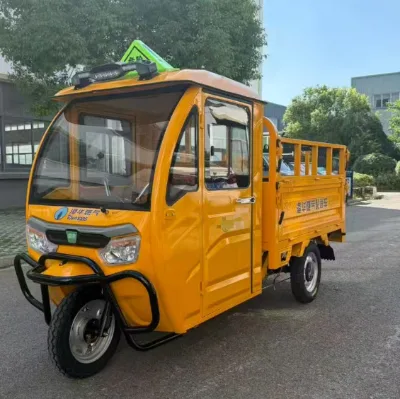


Comprehensive Sourcing Guide
Strategic Sourcing Guide for Heavy Duty Electric Cargo Trikes
The global demand for sustainable last-mile logistics has elevated the heavy-duty electric cargo trike from a niche urban solution to a critical component of modern supply chains. For procurement professionals, navigating this market requires a disciplined approach that separates marketing assertions from verifiable technical realities. This guide synthesizes observed product attributes, certification data, and specification ranges to provide a framework for sourcing reliable electric cargo trikes. The focus remains on evidence-based evaluation, ensuring that buyers can make informed decisions based on the actual capabilities and constraints of the available inventory.
Technical Architecture and Performance Specifications
Understanding the mechanical and electrical architecture is the first step in evaluating a heavy-duty electric cargo trike. The observed market data reveals a diverse range of powertrains, with motor configurations varying significantly to suit different load requirements. High-performance units in the current inventory feature motors rated at 72V 1000W, while other models operate on 60V 1000W systems. The controller specifications further define the vehicle's responsiveness, with observed units utilizing 72V 40A controllers capable of 1000W output, alongside 60V 45A variants. These electrical parameters directly influence the vehicle's ability to maintain speed under load and its overall energy efficiency.
Battery technology is another critical differentiator. The majority of observed units rely on Lead-Acid Battery systems, which offer a cost-effective solution for heavy-duty applications where initial capital expenditure is a primary concern. However, buyers must verify the specific capacity, as observed configurations include 60V 45Ah batteries. This capacity correlates with a typical range per charge of approximately 50km, a figure that should be treated as a baseline for urban delivery scenarios rather than a universal guarantee. Charging times are generally observed in the 6-8 hour window, which impacts fleet turnover and operational planning.
Physical dimensions and cargo capacity are paramount for utility. The overall dimensions of the observed models range from compact units measuring 1800mm in length to larger industrial variants reaching 2960mm. The cargo box sizes vary accordingly, with observed dimensions such as 1500mm x 1100mm x 330mm and 2350mm x 800mm x 1250mm. The loading capacity for these units is observed at 180kg for specific configurations, though the curb weight of the vehicles themselves ranges from 220kg to 270kg. Buyers must ensure that the specified loading capacity aligns with their specific payload requirements, as exceeding these limits can compromise safety and structural integrity.
| Specification Category | Observed Range / Specific Values | Procurement Verification Point |
|---|---|---|
| Motor Power | 60V 1000W, 72V 1000W | Verify voltage compatibility with local charging infrastructure. |
| Battery Type | Lead-Acid (60V 45Ah observed) | Confirm battery warranty and cycle life expectations. |
| Max Speed | 25 km/h (observed) | Ensure compliance with local traffic regulations for electric vehicles. |
| Cargo Dimensions | 1500x1100x330mm to 2960x1175x1680mm | Match internal cargo dimensions to standard pallet or container sizes. |
| Brake System | Front Disc/Rear Drum | Inspect brake pad wear resistance and fluid compatibility. |
| Tire Size | 3.5-12 / 3.75-12 or 4.0-12 | Check tire tread pattern suitability for intended terrain. |
Compliance, Certification, and Regulatory Standards
Navigating the regulatory landscape is essential for importing and operating heavy-duty electric cargo trikes. The observed product data indicates a complex certification landscape where different models carry varying levels of compliance. Some units are listed with CCC (China Compulsory Certification), which is mandatory for products sold within the Chinese market. Other configurations display a combination of CE, ISO 9001, EPA, DOT, and RoHS certifications. It is crucial for buyers to understand that the presence of a certification on a product listing does not automatically guarantee that every unit in a batch possesses that status.
The ISO 9001 certification, often observed in conjunction with other standards, relates to the manufacturer's quality management system rather than the specific product's safety. Similarly, CE marking indicates conformity with health, safety, and environmental protection standards for products sold within the European Economic Area, but it requires specific testing protocols that must be verified against the actual unit. For buyers in North America, the presence of EPA and DOT certifications is vital, as these agencies regulate emissions and vehicle safety standards. However, the observed data lists "Zero Emission" as a standard attribute, which aligns with electric propulsion but requires confirmation that the specific battery chemistry and disposal methods meet local environmental regulations.
Buyers must also verify the "Driving Type" attribute, which is consistently listed as "Adult" in the observed data. This classification often dictates the legal requirements for operation, insurance, and licensing. In many jurisdictions, vehicles classified for adult use may require specific registration or operator permits that differ from those for consumer-grade mobility scooters. The "Emission Standard" being listed as "Zero Emission" is a significant advantage for urban centers with low-emission zones, but the buyer must confirm that the local authority recognizes the specific vehicle class for such exemptions.
Cost Drivers and Total Cost of Ownership
The observed price range for these vehicles spans from $219 to $4,000 USD, a wide variance that reflects differences in motor power, battery capacity, build quality, and included features. The lower end of the spectrum likely corresponds to basic models with smaller cargo boxes and standard lead-acid batteries, while the higher end may include enhanced suspension, larger cargo capacities, or more robust frame designs. However, the purchase price is only one component of the total cost of ownership (TCO).
Lead times and Minimum Order Quantities (MOQ) are significant cost drivers. The observed MOQ ranges from 1 to 120 units, offering flexibility for small fleet operators while potentially reducing per-unit costs for larger bulk purchases. The container capacity is observed at 45 sets per 40HQ container for CKD (Completely Knocked Down) configurations, which can significantly impact shipping logistics and costs. Buyers should calculate the landed cost, including freight, insurance, and customs duties, to determine the true economic viability of the purchase.
Maintenance costs are heavily influenced by the choice of battery technology. While lead-acid batteries have a lower upfront cost, they typically have a shorter lifespan and require more frequent replacement compared to lithium-ion alternatives. The observed charging time of 6-8 hours also impacts operational efficiency; a fleet with limited charging infrastructure may need to invest in additional charging stations or staggered charging schedules. Furthermore, the "Customization" attribute being available suggests that buyers can tailor the vehicle to specific needs, but this may incur additional tooling or setup costs that should be factored into the budget.
Typical Applications and Operational Use Cases
The versatility of heavy-duty electric cargo trikes makes them suitable for a wide array of applications, as indicated by the "Usage" attribute which lists "Cargo," "Passenger," and "Cargo And Passenger." The "Body Type" is predominantly "Open," which is ideal for loading and unloading goods in tight urban environments. The "Dumping Type" is observed as a "Front Lifting Style" in some models, a feature that enhances efficiency for waste collection or bulk material transport.
In the logistics sector, these vehicles are increasingly used for last-mile delivery, where their compact size allows them to navigate congested streets and access areas inaccessible to larger trucks. The "Max Speed" of 25 km/h observed in the data is well-suited for urban delivery speeds, balancing efficiency with safety. For municipal services, the "Zero Emission" status and low noise profile make them ideal for park maintenance, security patrols, and waste management. The "Seats" attribute, noted as "≤Tire Design:Radial" in some contexts, suggests that some models can be configured for passenger transport, expanding their utility to shuttle services or employee transport within large industrial campuses.
The "Condition" is consistently listed as "New," indicating that the market is dominated by fresh inventory. However, buyers should be aware that the "Transmission Type" is observed as "Automatic," which simplifies operation for drivers with varying levels of experience. The "Front Fork" is typically "Front Hydraulic," providing better shock absorption and ride comfort, which is crucial for long shifts and heavy loads.
Supplier Evaluation and Quality Assurance
Selecting the right supplier requires a rigorous evaluation process that goes beyond the product listing. The "OEM" attribute being "Yes" indicates that suppliers are capable of custom manufacturing, which is a positive sign for buyers seeking branded or specialized solutions. However, the "Customization" availability also implies that the final product may differ from the standard listing, necessitating clear communication of specifications before production begins.
Quality control is paramount, especially given the variability in observed specifications. Buyers should request detailed test reports for critical components such as the motor, controller, and battery. The "Brake System" configuration, typically "Front Disc/Rear Drum," should be verified for its stopping power under maximum load conditions. The "Wheel Distance" of 920mm observed in some models affects the vehicle's stability; buyers should ensure this dimension provides adequate stability for the intended cargo weight.
The "Product Packing" is observed as "Standard Export Packing or Customized Packing," which is critical for preventing damage during transit. Buyers should specify packing requirements that account for the fragility of electronic components and the potential for corrosion during shipping. The "Loading Capacity" of 180kg observed in specific models should be validated through third-party testing to ensure the frame and suspension can handle the rated load without structural failure.
Long-Term Procurement and Strategic Planning
Sourcing heavy-duty electric cargo trikes is a long-term strategic decision that requires careful planning for maintenance, parts availability, and scalability. The "Charging Time" of 6-8 hours suggests that fleet operators need to plan for overnight charging or invest in rapid charging solutions to maintain high utilization rates. The "Range Per Charge" of 50km is a key metric for route planning; buyers should ensure that their daily operational routes do not exceed this range without access to charging points.
The "Color" attribute being "Customised" offers opportunities for brand visibility, but buyers should verify the durability of the paint finish, especially for vehicles used in harsh outdoor environments. The "Horsepower" range of 150-250hp observed in the data seems inconsistent with the electric motor specifications (1000W) and may refer to a different vehicle class or be a data anomaly; buyers should clarify this discrepancy with the supplier to avoid confusion regarding performance expectations.
Finally, the "Standard" attribute, which includes dimensions like 296011751680mm, serves as a reference for storage and parking. Buyers should ensure that their facilities can accommodate the specific dimensions of the chosen model. The "Container Capacity" of 45 sets per 40HQ is a useful benchmark for logistics planning, but buyers should confirm the actual packing density and weight distribution to optimize shipping costs. By focusing on these evidence-based factors, procurement professionals can build a resilient and efficient fleet of heavy-duty electric cargo trikes that meets their specific operational needs.
FAQs
What is the maximum loading capacity for these trikes?
The observed loading capacity is 180 kg for specific configurations. Buyers must verify that the specified loading capacity aligns with their specific payload requirements to ensure safety and structural integrity.
Which motor power options are available in the inventory?
High-performance units feature motors rated at 72V 1000W, while other models operate on 60V 1000W systems. These electrical parameters directly influence the vehicle's ability to maintain speed under load and overall energy efficiency.
Can buyers customize the color and packaging of the trikes?
Yes, customization is available for color and packing options. The product packing is observed as standard export packing or customized packing according to instructions, allowing buyers to tailor the vehicle to specific needs.
What certifications are listed for these electric cargo trikes?
Some units are listed with CCC, while others display a combination of CE, ISO 9001, EPA, DOT, and RoHS certifications. Buyers must understand that the presence of a certification does not automatically guarantee every unit in a batch possesses that status.
How long does it take to charge the battery fully?
Charging times are generally observed in the 6 to 8 hour window. This duration impacts fleet turnover and operational planning, especially for fleets with limited charging infrastructure.
What is the typical range per charge for these vehicles?
The observed range per charge is approximately 50 km. This figure should be treated as a baseline for urban delivery scenarios rather than a universal guarantee for all conditions.