Source Hemostatic Compressed Gauze for surgery, first aid, and wound care
Find 30 verified Hemostatic Compressed Gauze options from Chinese manufacturers. Compare specifications like size, material, and sterilization methods to select the right solution for surgery, first aid kits, and general wound care applications.
Key considerations
Products List


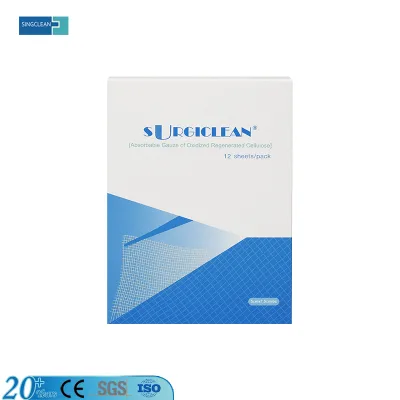
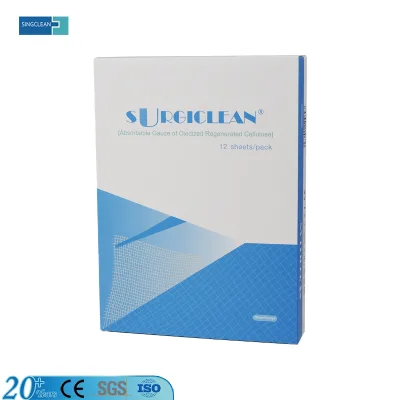
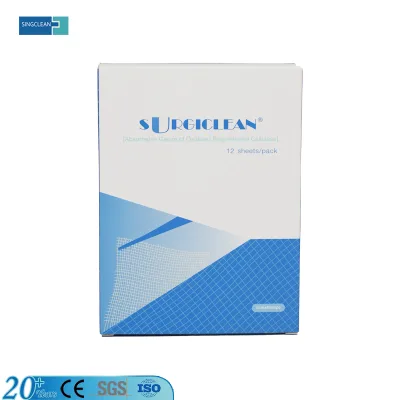


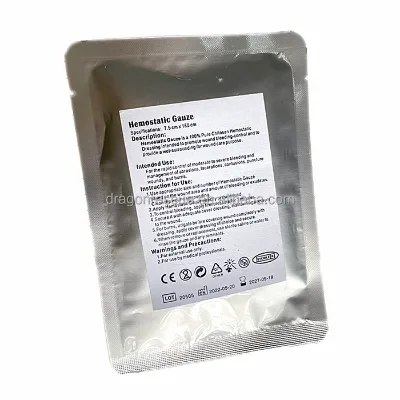

Comprehensive Sourcing Guide
Strategic Sourcing Guide for Hemostatic Compressed Gauze
Procuring Hemostatic Compressed Gauze requires a nuanced understanding of the intersection between material science, regulatory compliance, and clinical application. For B2B buyers, the market presents a diverse array of products ranging from traditional cotton-based dressings to advanced synthetic hemostatic agents. The core objective is to secure a supply chain that guarantees product efficacy, regulatory adherence, and cost-efficiency without compromising patient safety. This guide outlines the critical factors buyers must evaluate when sourcing these essential medical supplies, drawing upon observed market data and established industry standards.
Technical Specifications and Material Composition
The first step in the sourcing process is a rigorous analysis of technical specifications, as the material composition dictates the product's performance profile. Market observations indicate a distinct divergence in material types. One category of products is constructed from 100% cotton, designed primarily as passive dressings with features such as waterproofing, ventilation, and anti-allergy properties. These items often come in specific dimensions, such as an unfolded size of 4.5 inches by 4.1 yards, compressed into a compact 5x7 cm package. The weight of these packs typically ranges between 38-40 grams, and they are frequently vacuum-sealed to maintain sterility.
In contrast, a significant segment of the market focuses on absorbable hemostatic agents. These products are often manufactured from regenerated cellulose or non-woven materials. The primary technical attribute of these items is their ability to stop bleeding quickly, a function critical in surgical and emergency settings. Specifications for these hemostatic variants vary widely, with common sizes including 5 cm by 7.5 cm, 10 cm by 15 cm, and larger formats like 22.5 cm by 22.5 cm. The physical form is typically a compressed roll or sheet that expands upon contact with blood. Buyers must verify the exact material composition, as "non-woven" and "regenerated cellulose" offer different absorption rates and biodegradability profiles compared to pure cotton. The color is generally white, and the product is often classified under specific instrument categories, such as Class III medical devices, which implies a higher level of regulatory scrutiny regarding their interaction with the human body.
Compliance and Certification Verification
Regulatory compliance is non-negotiable in the medical device sector. When sourcing hemostatic gauze, buyers must demand proof of certification that aligns with the intended market. Observed data highlights the prevalence of ISO 13485 certification, a standard specifically for medical device quality management systems. Additionally, the CE mark is frequently cited, indicating conformity with health, safety, and environmental protection standards for products sold within the European Economic Area. Some suppliers also reference ISO certifications in a general capacity, but the specific ISO 13485 standard is the benchmark for quality assurance in this industry.
Sterilization methods are another critical compliance factor. The supply chain must clearly document the sterilization process used, as this directly impacts the product's shelf life and safety. Gamma sterilization and radiation sterilization are the primary methods observed in the market. The choice of sterilization method can influence the material's integrity and the packaging requirements. For instance, radiation sterilization often requires specific packaging materials that can withstand the process while maintaining a sterile barrier. Buyers should verify that the sterilization method matches the product's classification and intended use. Furthermore, safety standards such as EN 149-2001+A1-2009 may be relevant for certain respiratory or filtration components, though for hemostatic gauze, the focus remains on the sterility assurance level and the biocompatibility of the materials used.
Cost Drivers and Pricing Dynamics
Understanding the cost structure of Hemostatic Compressed Gauze is essential for budgeting and negotiation. The observed price range in the market is broad, spanning from $0.01 to $70 per unit. This significant variance is driven by several factors, including the complexity of the material, the level of certification, and the packaging sophistication. Basic cotton gauze with standard sterilization will likely fall at the lower end of this spectrum, while specialized absorbable hemostatic agents with advanced certifications and custom packaging will command higher prices.
Minimum Order Quantity (MOQ) is another pivotal cost driver. Market data shows an MOQ range from 1 unit up to 10,000 units. A typical MOQ for specialized hemostatic products might be set at 10 boxes, whereas general medical supplies may have more flexible entry points. Buyers must balance the desire for lower unit costs through bulk purchasing against the need to manage inventory costs and shelf life. Products with a shelf life of two years offer more flexibility for bulk orders, reducing the risk of obsolescence. However, customizations such as specific branding or unique packaging dimensions can increase the MOQ and the unit price. It is crucial to request detailed pricing tiers based on volume to accurately forecast procurement costs.
Typical Applications and Clinical Use Cases
The application of Hemostatic Compressed Gauze varies significantly based on its material and design. Absorbable hemostatic gauze, often made from regenerated cellulose, is designed for use in a variety of surgeries where rapid bleeding control is necessary. These products are characterized by their ability to stop bleeding quickly and are often classified as general medical supplies or specific surgical accessories. The application extends beyond simple wound care to include complex surgical procedures where traditional sutures or staples may be insufficient or where tissue integration is required.
Conversely, cotton-based passive dressings with features like ventilation and anti-allergy properties are better suited for general wound care and first aid kits. These products are often used in scenarios where the wound needs to be covered and protected from external contaminants while allowing for some airflow. The distinction between "active" hemostatic agents and "passive" dressings is vital for procurement planning. Buyers must ensure that the product selected matches the specific clinical requirements of their target users. For example, a product intended for emergency first aid kits may prioritize ease of use and broad applicability, while a product for surgical theaters must meet stringent sterility and absorption criteria.
Supplier Evaluation and Origin Considerations
Evaluating suppliers requires a focus on their location, production capabilities, and reputation. The supply chain for these products is heavily concentrated in China, with specific origins noted in Jiangsu and Hangzhou, Zhejiang. These regions are known for their robust manufacturing infrastructure in the medical device sector. When evaluating a supplier, buyers should verify the "Place of Origin" and ensure it aligns with the claimed certifications. A supplier claiming ISO 13485 certification should be able to provide documentation that links their specific manufacturing facility to that certification.
Stock availability is another key indicator of supplier reliability. Suppliers who list "Yes" for stock availability demonstrate a capacity to fulfill orders promptly, which is crucial for maintaining supply chain continuity. However, buyers should also inquire about lead times for custom orders, as the availability of customization options can impact delivery schedules. The "Instrument classification" of the product, such as Class III, often requires suppliers to have specific regulatory approvals and quality control processes in place. Buyers should request evidence of the supplier's ability to handle Class III devices, including their quality management system audits and traceability protocols.
Quality Control and Long-Term Procurement
Quality control is the backbone of a successful procurement strategy for medical supplies. Buyers must implement a rigorous quality assurance process that includes verifying the sterility of the product, the integrity of the packaging, and the accuracy of the specifications. The packaging method, such as vacuum packaging or sterilization plastic bags, plays a critical role in maintaining the product's sterility until the point of use. Any compromise in the packaging can render the product unusable and potentially hazardous.
Long-term procurement considerations involve establishing a relationship with suppliers that can adapt to changing market demands. This includes the ability to customize products, such as adjusting the size or packaging, and maintaining consistent quality over time. The "Customization" attribute being available in the market suggests that suppliers can tailor products to specific buyer needs, but this requires clear communication of specifications. Buyers should also consider the storage requirements of the product, which typically involve keeping the items in a clean, cool, dry, and ventilated environment. Ensuring that the supply chain can maintain these conditions from the factory to the end-user is essential for preserving product efficacy.
Comparative Analysis of Product Attributes
To facilitate decision-making, buyers should compare the key attributes of different product types available in the market. The following table summarizes the observed distinctions between cotton-based passive dressings and absorbable hemostatic agents.
| Attribute | Cotton-Based Passive Dressing | Absorbable Hemostatic Gauze |
|---|---|---|
| Primary Material | 100% Cotton | Regenerated Cellulose / Non-woven |
| Key Feature | Waterproof, Ventilation, Anti-Allergy | Stop Bleeding Quickly, Absorbable |
| Typical Size | 4.5" x 4.1 yds (Unfolded) | 5cm x 7.5cm, 10cm x 15cm, etc. |
| Sterilization | Gamma Steralization | Radiation / Gamma |
| Classification | Passive Dressing | Class III Medical Device |
| Application | Wound Care, First Aid Kits | Surgical Procedures, Hemostasis |
| Shelf Life | Variable (Check specific product) | Typically 2 Years |
| Packaging | Vacuum Package | Sterilization Plastic Bags |
This comparison highlights that while both product types serve wound care purposes, their technical requirements and regulatory pathways differ significantly. Buyers must select the product that aligns with their specific clinical needs and regulatory obligations.
Final Procurement Recommendations
In conclusion, sourcing Hemostatic Compressed Gauze requires a meticulous approach that balances technical specifications, regulatory compliance, and cost efficiency. Buyers should prioritize suppliers who can provide verifiable certifications, such as ISO 13485 and CE, and who demonstrate a clear understanding of the product's intended application. The diversity in material composition and product design means that a "one-size-fits-all" approach is ineffective. Instead, procurement strategies should be tailored to the specific needs of the end-users, whether they are in emergency first aid settings or complex surgical environments. By focusing on quality control, verifying supplier capabilities, and understanding the nuances of product attributes, buyers can secure a reliable supply of high-quality hemostatic gauze that meets the highest standards of patient care.
FAQs
What materials are used for Hemostatic Compressed Gauze?
Materials include 100% cotton, regenerated cellulose, and non-woven fabrics. Cotton variants serve as passive dressings, while cellulose and non-woven types function as absorbable hemostatic agents for surgical bleeding control.
Which certifications are required for medical device sourcing?
ISO 13485 and CE certifications are standard requirements for these medical devices. Some products also carry Class III instrument classification, ensuring compliance with strict regulatory standards for surgical and wound care applications.
How is the product sterilized before distribution?
Products undergo Gamma sterilization or radiation sterilization to ensure sterility. This process maintains the safety of the gauze for wound care and surgical use while preserving the integrity of the packaging materials.
Can buyers request customization for specific orders?
Yes, customization is available for many Hemostatic Compressed Gauze products. Buyers can often specify dimensions, packaging types like vacuum or plastic bags, and branding to meet their specific procurement and clinical needs.
What are the typical shelf life and storage conditions?
The shelf life is typically two years when stored correctly. Products must be kept in a clean, cool, dry, and ventilated environment to maintain sterility and effectiveness until the point of clinical use.
What is the minimum order quantity for these supplies?
Minimum order quantities range from 1 unit up to 10,000 units depending on the supplier. Specific items may require a minimum of 10 boxes, while general supplies often have more flexible entry points for buyers.
Where are these medical supplies primarily manufactured?
Manufacturing is concentrated in China, with origins in Jiangsu and Hangzhou, Zhejiang. These regions provide robust infrastructure for producing certified medical devices and ensuring consistent supply chain quality for global buyers.