Source CVC Fleece Fabric for Garments, Home Textiles, and Decoration
Find and compare 30 CVC Fleece Fabric options tailored for garment, home textile, and decoration applications. Evaluate specifications such as weight, width, and material composition to identify suitable suppliers for your sourcing needs.
Key considerations
Products List


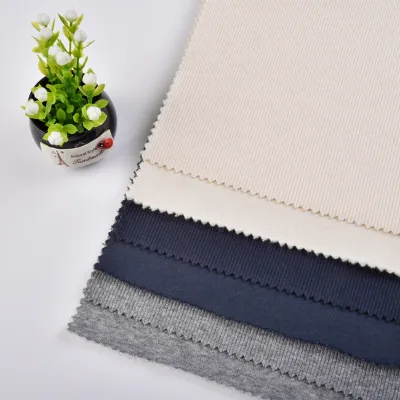
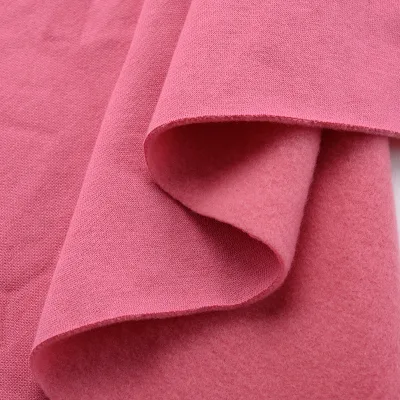


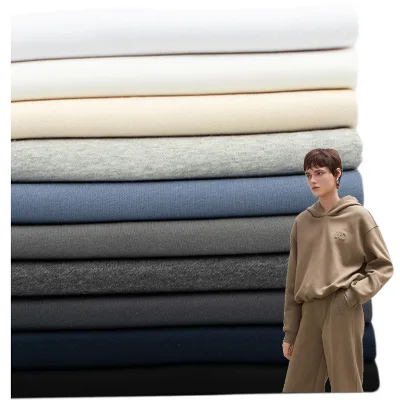
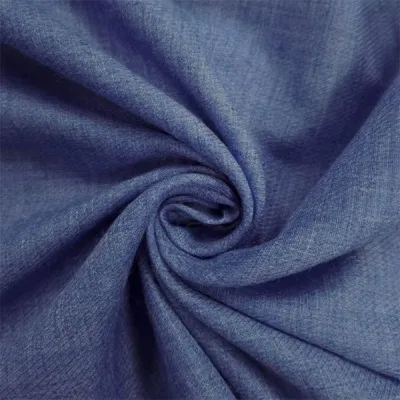
Comprehensive Sourcing Guide
CVC Fleece Fabric Sourcing Guide
CVC (Chief Viscose Cotton) fleece fabric represents a strategic intersection of comfort, durability, and cost-efficiency in the textile supply chain. By blending cotton with synthetic fibers such as polyester, rayon, or spandex, manufacturers create a material that retains the natural breathability and soft hand-feel of cotton while leveraging the strength, wrinkle resistance, and moisture-wicking capabilities of synthetics. For procurement professionals, understanding the precise ratio of these components is critical, as it directly dictates the fabric’s performance in end-use applications ranging from casual apparel to technical sportswear. The sourcing landscape for CVC fleece is diverse, with suppliers offering various weights, weaves, and finishes to meet specific design requirements. Buyers must navigate this variety by focusing on verified technical specifications rather than generic marketing terms, ensuring that the selected fabric aligns with both functional needs and budgetary constraints.
The procurement process for CVC fleece requires a disciplined approach to verification, particularly given the wide range of available compositions and manufacturing techniques. Observed market data indicates a significant variation in product attributes, including weight classes, stretch properties, and surface finishes. Some listings highlight high-cotton blends for superior comfort, while others emphasize polyester-dominant mixes for enhanced durability and colorfastness. Additionally, the inclusion of spandex introduces elasticity, which is vital for activewear and fitted garments. Buyers should treat these attributes as observations to be confirmed through sample evaluation and technical data sheets, rather than assuming uniformity across all suppliers. This guide provides a structured framework for evaluating CVC fleece suppliers, verifying technical claims, and establishing robust commercial terms to mitigate risk and ensure consistent quality in bulk orders.
Product Scope and Observed Listing Signals
The current market for CVC Fleece Fabric exhibits a broad spectrum of product configurations, reflecting the versatility of the material category. Listings frequently indicate a wide price range, from economical options to premium specialized fabrics, driven by differences in fiber composition, weight, and finishing processes. Observed product models and standards suggest that suppliers cater to distinct market segments, with some focusing on heavy-weight fleece for outerwear and others offering lighter, stretch-enabled fabrics for sportswear. The presence of both plain and brushed patterns, along with various knitting techniques such as tricot and weft knitting, underscores the need for buyers to specify their exact requirements early in the inquiry process. Understanding these signals helps in filtering suppliers who possess the specific manufacturing capabilities required for the intended application.
Key observed attributes provide a baseline for evaluating supplier offerings, though they must be treated as starting points for verification rather than guaranteed specifications. For instance, some products are described with a weight range of 100-200g/m², while others are specified as heavier, weighing ≥200g/m² or adhering to specific GSM standards like 380gsm. Material compositions vary significantly, with some blends featuring 80% cotton and 20% polyester, while others incorporate rayon and spandex to enhance drape and elasticity. Additionally, features such as 4-way stretch, anti-pilling treatments, and fade resistance are highlighted as value-added benefits. Buyers should use these observations to create a detailed specification sheet, ensuring that all critical parameters are explicitly defined in purchase orders to avoid discrepancies between samples and bulk production.
Technical Specifications to Verify
Verifying the technical specifications of CVC fleece is paramount to ensuring that the fabric meets the functional requirements of the final product. The fiber composition is the most critical factor, as it determines the balance between comfort and performance. Buyers must confirm the exact percentage of cotton, polyester, rayon, and spandex in the blend, as even small deviations can impact shrinkage, color retention, and durability. For example, a fabric labeled as CVC may have varying ratios of cotton to synthetic fibers, affecting its breathability and moisture management properties. Additionally, the weight of the fabric, measured in grams per square meter (GSM), should be verified against the supplier’s standard, as this influences the fabric’s warmth, drape, and suitability for different seasons and garment types.
Beyond composition and weight, other technical attributes such as width, knitting technique, and surface finish play a significant role in the fabric’s performance and usability. The width of the fabric, typically ranging from 58/60" to 70", affects cutting efficiency and waste reduction during production. The knitting technique, whether tricot, weft, or machine knitting, determines the fabric’s structure, elasticity, and stability. Surface features, such as single-sided smooth finishes or brushed textures, impact the hand-feel and aesthetic appeal of the final garment. Buyers should request detailed technical data sheets that include these specifications, along with test results for properties like pilling resistance, colorfastness, and shrinkage, to ensure that the fabric meets the required quality standards.
Compliance and Safety Documentation
Compliance and safety documentation are essential components of the CVC fleece sourcing process, ensuring that the fabric meets regulatory requirements and industry standards. Buyers must verify that the supplier provides relevant certifications and test reports, particularly for chemicals used in dyeing and finishing processes. Standards such as OEKO-TEX or REACH may be applicable, depending on the target market and end-use of the fabric. While specific certification statuses may vary by supplier, buyers should insist on documentation that confirms the absence of harmful substances and adherence to environmental regulations. This due diligence not only mitigates legal risks but also enhances the brand’s reputation for sustainability and ethical sourcing.
In addition to chemical compliance, buyers should assess the supplier’s ability to provide documentation related to product safety and performance. This includes test reports for physical properties such as tensile strength, tear resistance, and abrasion resistance, which are critical for ensuring the durability of the final garment. For fabrics intended for children’s wear or intimate apparel, additional safety standards may apply, requiring specific testing for flammability and toxicity. Buyers should establish clear requirements for compliance documentation in their purchase agreements, specifying the types of tests to be conducted and the standards to be met. This proactive approach ensures that the fabric is safe for consumers and compliant with international trade regulations.
Cost Drivers and Commercial Terms
The cost of CVC Fleece Fabric is influenced by several key drivers, including fiber prices, manufacturing complexity, and order volume. Cotton and polyester prices are subject to market fluctuations, which can impact the overall cost of the fabric. Buyers should monitor these trends and consider hedging strategies to mitigate price volatility. Additionally, the complexity of the knitting and finishing processes, such as brushing or adding spandex, can increase production costs. Order volume is another significant factor, as larger quantities often result in lower unit prices due to economies of scale. Understanding these cost drivers allows buyers to negotiate more effectively and plan their budgets accordingly.
Commercial terms, including minimum order quantities (MOQs), payment terms, and lead times, are critical aspects of the sourcing agreement. Observed MOQs for CVC fleece can range from small quantities for sampling to large volumes for bulk production, with some suppliers requiring MOQs as high as 10,000 meters. Buyers should clarify these requirements early in the negotiation process to ensure that they align with their production needs and inventory strategies. Payment terms, such as letters of credit or advance payments, should be structured to balance risk and cash flow. Lead times, which can vary based on production capacity and material availability, should be confirmed and factored into the supply chain schedule to avoid delays in product delivery.
Supplier Qualification and Quality Control
Supplier qualification is a crucial step in the CVC fleece sourcing process, ensuring that the selected partner has the capability and reliability to meet the buyer’s requirements. Buyers should conduct thorough due diligence, including site visits, audits, and reviews of past performance, to assess the supplier’s manufacturing capabilities, quality control systems, and financial stability. It is essential to verify that the supplier has the necessary equipment and expertise to produce the specific type of CVC fleece required, including the correct knitting techniques, finishing processes, and quality standards. Additionally, buyers should evaluate the supplier’s responsiveness and communication skills, as these factors are critical for successful collaboration and problem resolution.
Quality control measures should be established and enforced throughout the production process to ensure consistent quality and compliance with specifications. Buyers should implement a robust inspection regime, including pre-production sample approvals, in-process checks, and final random inspections before shipment. Key quality parameters to monitor include fiber composition, weight, width, color consistency, and physical properties such as pilling resistance and shrinkage. Suppliers should be required to provide detailed quality reports and test results for each batch, allowing buyers to verify compliance with their standards. By establishing clear quality expectations and monitoring mechanisms, buyers can minimize the risk of defects and ensure that the CVC fleece meets the desired performance and aesthetic criteria.
Long-Term Procurement Checks
Long-term procurement checks are essential for maintaining a stable and efficient supply chain for CVC Fleece Fabric. Buyers should regularly review supplier performance metrics, including on-time delivery rates, quality consistency, and responsiveness to issues, to identify areas for improvement and address potential risks. Continuous monitoring of market trends, such as changes in fiber prices, regulatory requirements, and consumer preferences, allows buyers to adapt their sourcing strategies and maintain competitiveness. Additionally, buyers should foster strong relationships with their suppliers, encouraging open communication and collaboration to drive innovation and cost savings. By proactively managing these long-term factors, buyers can ensure a reliable supply of high-quality CVC fleece that supports their business objectives.
Sustainability and ethical sourcing practices are increasingly important considerations in long-term procurement strategies. Buyers should assess their suppliers’ commitment to environmental responsibility, including the use of sustainable fibers, energy-efficient manufacturing processes, and waste reduction initiatives. Certifications such as GOTS or Bluesign can provide assurance that the fabric is produced in an environmentally friendly manner. Additionally, buyers should verify that their suppliers adhere to labor standards and ethical practices, ensuring fair working conditions and wages for their employees. By integrating sustainability and ethical considerations into their procurement processes, buyers can enhance their brand’s reputation, meet consumer expectations, and contribute to a more responsible textile industry.
FAQs
What is the standard weight range for this fleece fabric?
The standard weight ranges from 100 to 200 grams per square meter, with some specific models reaching 380 grams per square meter. This variation allows selection based on the intended garment warmth and durability requirements for home textile or decoration applications.
Can I customize the fabric pattern and color?
Yes, customization is available for plain dyed styles and specific color requests like navy. Buyers can request free color cards to verify shades before placing orders, ensuring the final product matches the desired aesthetic for apparel or sportswear use.
Which suppliers offer this fabric with 4-way stretch?
Suppliers provide this fabric with excellent 4-way stretch properties, making it suitable for active wear. The material composition often includes polyester and spandex to ensure elasticity while maintaining durability against pilling and fading during regular use.
How is the fabric packed for shipping?
The fabric is typically packed in rolls inside polyester bags for standard packaging. This method protects the material during transit and ensures it remains ready for immediate use in garment manufacturing or home textile production upon arrival at the destination.
What is the minimum order quantity for this material?
The minimum order quantity varies, with some listings accepting small orders while others require 2000 meters. Buyers should verify specific supplier requirements as MOQs can range from 1 to 10000 units depending on the model and customization level requested.
Where is this fleece fabric manufactured?
This fabric originates from manufacturing locations in China, specifically in provinces like Guangdong and Jiangsu. These regions are known for producing knitted fabrics with high-quality standards and efficient supply chains for international buyers seeking cost-effective solutions.
What are the main usage applications for this fabric?
The fabric is primarily used for garments, home textiles, and decoration purposes. Specific applications include coats, sportswear, fleece, and outwear, leveraging its brushed or plain dyed surface features for comfort and aesthetic appeal in various clothing items.